
Chinese Zodiac vs Western Zodiac

The Chinese Zodiac and Western Zodiac are two distinct astrological systems that have shaped cultural beliefs for centuries. While the Western Zodiac, rooted in Babylonian and Greek traditions, divides the year into twelve sun signs based on constellations, the Chinese Zodiac follows a twelve-year lunar cycle, each year represented by an animal sign. Both systems offer insights into personality traits, compatibility, and life predictions, yet their methodologies and cultural contexts differ significantly. This article explores the origins, symbols, and interpretations of these zodiacs, comparing their unique approaches to astrology and their enduring influence in modern society. Discover how these ancient systems continue to captivate minds worldwide.
Chinese Zodiac vs Western Zodiac: Key Differences and Similarities
1. Origins and Historical Background
The Chinese Zodiac, also known as Shengxiao, is based on a 12-year cycle, with each year associated with an animal sign. Its origins trace back to ancient Chinese astronomy and mythology, linked to the legend of the Jade Emperor's race. In contrast, the Western Zodiac stems from Babylonian astrology and was later adopted by the Greeks and Romans. It divides the year into 12 signs based on constellations, each tied to specific dates.
| Aspect | Chinese Zodiac | Western Zodiac |
|---|---|---|
| Origin | Ancient China | Babylonian/Greek |
| Cycle | 12-year (lunar) | 12-month (solar) |
2. Zodiac Signs and Their Symbols
The Chinese Zodiac features 12 animals: Rat, Ox, Tiger, Rabbit, Dragon, Snake, Horse, Goat, Monkey, Rooster, Dog, and Pig. Each symbolizes personality traits and destiny. The Western Zodiac uses celestial symbols like Aries (Ram), Taurus (Bull), and Gemini (Twins), reflecting mythological figures and elements (fire, earth, air, water).
See AlsoHow to give directions in Chinese| System | Symbols |
|---|---|
| Chinese | Animals (e.g., Dragon, Snake) |
| Western | Constellations (e.g., Leo, Virgo) |
3. Calculation and Time Periods
The Chinese Zodiac follows the lunar calendar, with each sign governing a full year. Your sign depends on your birth year. The Western Zodiac uses the solar calendar, assigning signs by birth month (e.g., Capricorn: Dec 22–Jan 19).
| Zodiac | Time Frame |
|---|---|
| Chinese | Year-based (lunar New Year) |
| Western | Month-based (solar dates) |
4. Personality Traits and Compatibility
In the Chinese Zodiac, traits are tied to animal characteristics (e.g., Dragons are charismatic, Rabbits are gentle). Compatibility is assessed via animal pairings (e.g., Rat + Dragon). The Western Zodiac emphasizes elemental traits (e.g., fiery Aries, earthy Taurus) and compatibility via sun signs.
| System | Traits Example |
|---|---|
| Chinese | Tiger: Brave, competitive |
| Western | Scorpio: Passionate, secretive |
5. Cultural Significance and Modern Usage
The Chinese Zodiac deeply influences festivals (e.g., Lunar New Year) and life decisions (marriage, careers). The Western Zodiac is popular in horoscopes, psychology (e.g., zodiac memes), and pop culture.
See AlsoFriends in Chinese - Complete Guide To The Famous Sitcom| Zodiac | Cultural Role |
|---|---|
| Chinese | New Year celebrations, fortune-telling |
| Western | Horoscopes, personality quizzes |
What is the difference between the Chinese and Western zodiac?
Origin and Cultural Background
The Chinese zodiac originates from ancient Chinese mythology and is deeply rooted in agricultural traditions and lunar cycles. In contrast, the Western zodiac is based on Babylonian astrology and later adapted by the Greeks, aligning with solar cycles and the 12 constellations.
- The Chinese zodiac has 12 animal signs, each representing a year in a 12-year cycle.
- The Western zodiac consists of 12 sun signs, each linked to a month.
- Chinese astrology emphasizes lunar years, while Western astrology follows the Gregorian calendar.
Zodiac Signs and Their Representations
The Chinese zodiac animals (e.g., Rat, Ox, Tiger) symbolize personality traits and destiny, whereas the Western zodiac signs (e.g., Aries, Taurus, Gemini) are tied to planetary influences and character traits.
See Also7 things Chinese students should do during the winter vacation- Chinese signs are based on legendary creatures with moral stories.
- Western signs derive from constellations and mythological figures.
- Chinese zodiac assigns elements (Wood, Fire, Earth, Metal, Water) to each sign.
Cycle Duration and Calculation
The Chinese zodiac operates on a 12-year cycle (one animal per year), while the Western zodiac follows a 12-month cycle (one sign per month).
- Chinese years begin with the Lunar New Year (dates vary annually).
- Western signs change around the 20th–23rd of each month.
- Chinese astrology includes 60-year cycles combining animals and elements.
Personality Interpretation
Chinese zodiac traits are influenced by the year of birth, while Western zodiac traits depend on the birth month and planetary positions.
- Chinese signs emphasize family, career, and luck.
- Western signs focus on individuality, emotions, and relationships.
- Chinese astrology considers hour of birth for deeper analysis.
Compatibility and Predictions
Chinese zodiac compatibility relies on animal pairings and elements, whereas Western zodiac compatibility analyzes sun, moon, and rising signs.
See AlsoLearning the neutral tone in Mandarin- Chinese predictions often involve yearly fortune (e.g., Feng Shui).
- Western astrology uses horoscopes for daily/monthly guidance.
- Chinese matches prioritize harmony and balance.
Do Chinese take the zodiac seriously?
The Cultural Significance of the Chinese Zodiac
The Chinese zodiac, or Shengxiao, holds deep cultural and historical significance in China. It is rooted in astrology, mythology, and agricultural traditions, dating back over 2,000 years. Many Chinese people view the zodiac as a reflection of personality traits, compatibility, and even destiny. Key aspects include:
- Twelve animal signs, each representing a year in a 12-year cycle.
- Association with the Five Elements (Wood, Fire, Earth, Metal, Water), adding layers of meaning.
- Use in matchmaking and business decisions to ensure harmony and success.
Zodiac Beliefs in Daily Life
The zodiac influences daily life in subtle and overt ways. For example, some people avoid major life events, like weddings or moving houses, in years that clash with their zodiac sign. Common practices include:
See AlsoDuolingo Account Setup, Recovery & Management Guide- Checking zodiac compatibility before marriage or partnerships.
- Wearing lucky charms or colors associated with their zodiac animal.
- Avoiding unlucky directions or activities based on zodiac forecasts.
Generational Differences in Zodiac Beliefs
While older generations tend to take the zodiac more seriously, younger Chinese may view it as cultural tradition rather than strict belief. Observations include:
- Elderly individuals often consult zodiac for major decisions.
- Millennials may enjoy zodiac traits as fun personality quizzes.
- Urban vs. rural divides show stronger adherence in traditional communities.
Zodiac in Festivals and Celebrations
The zodiac is central to Chinese New Year celebrations, with each year dedicated to an animal. Traditions include:
- Decorations and lantern designs featuring the year’s zodiac animal.
- Gifting red envelopes with zodiac symbols for luck.
- Special TV programs and horoscopes aired during the festival.
Modern Commercialization of the Zodiac
The zodiac has become a marketing tool, blending tradition with consumerism. Examples include:
- Limited-edition products themed around zodiac animals.
- Fortune-telling apps and social media trends.
- Brand collaborations leveraging zodiac symbolism for sales.
Why is the Chinese zodiac different?
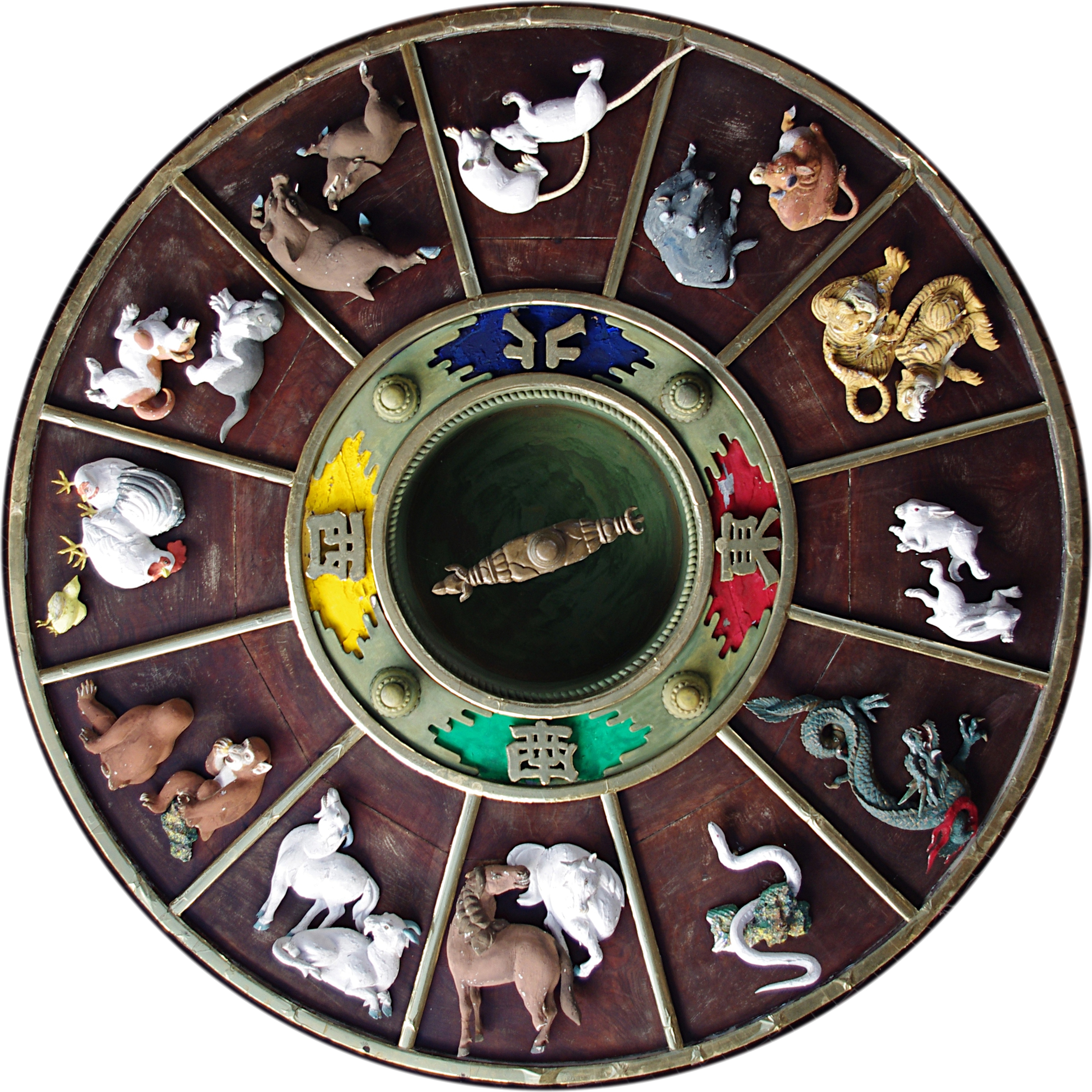
How Does the Chinese Zodiac Differ from the Western Zodiac?
The Chinese zodiac is based on a lunar calendar, while the Western zodiac follows a solar calendar. Additionally, the Chinese system assigns an animal sign to each year in a 12-year cycle, whereas the Western zodiac divides the year into 12 sun signs based on constellations.
- The Chinese zodiac cycles every 12 years, each linked to an animal.
- The Western zodiac assigns signs based on birth months.
- Chinese astrology incorporates elements (Wood, Fire, Earth, Metal, Water), adding complexity.
What Determines the Animals in the Chinese Zodiac?
The 12 animals in the Chinese zodiac were chosen based on an ancient legend where the Jade Emperor held a race. The order of the animals reflects their finishing positions, shaping their symbolic meanings.
- The Rat won by cleverness, securing the first position.
- The Ox, strong but slow, came second.
- The Tiger and Rabbit followed, representing bravery and caution.
Why Does the Chinese Zodiac Follow a Lunar Calendar?
The Chinese zodiac aligns with the lunar calendar due to its roots in agricultural traditions, where moon phases dictated planting and harvesting cycles. This differs from the Western zodiac, which relies on the sun’s position.
- The lunar calendar is 12 or 13 months long, varying yearly.
- Chinese New Year marks the start of the zodiac cycle.
- Festivals and predictions are tied to moon phases.
How Do the Five Elements Influence the Chinese Zodiac?
The Five Elements (Wu Xing)—Wood, Fire, Earth, Metal, and Water—interact with the zodiac animals, adding depth to personality traits and fortune predictions.
- Each element modifies the animal’s characteristics.
- The elements cycle every 60 years (12 animals × 5 elements).
- They influence compatibility and destiny readings.
Why Are Some Animals Missing in the Chinese Zodiac?
The 12-animal selection reflects cultural symbolism rather than all known animals. Creatures like the cat or phoenix are absent due to mythological and practical reasons.
- The cat was excluded due to a legend about betrayal.
- Mythical creatures like the dragon represent power.
- The choices emphasize balance and cultural values.
Frequently Asked Questions (FAQ)
What are the main differences between the Chinese Zodiac and the Western Zodiac?
The Chinese Zodiac and Western Zodiac differ in their origins, structure, and cultural significance. The Chinese Zodiac is based on a 12-year cycle, with each year represented by an animal sign (e.g., Rat, Ox, Tiger). In contrast, the Western Zodiac follows a 12-month cycle tied to constellations, assigning signs like Aries or Taurus based on birth dates. Additionally, the Chinese Zodiac emphasizes lunar calendar alignment, while the Western Zodiac relies on the solar calendar. Personality traits in the Chinese Zodiac are often linked to the animal's characteristics, whereas Western signs focus on planetary influences.
How do the Chinese Zodiac and Western Zodiac determine personality traits?
In the Chinese Zodiac, personality traits are derived from the animal sign assigned to one's birth year, reflecting qualities like diligence (Ox) or cleverness (Rat). The system also incorporates yin and yang and the five elements (Wood, Fire, Earth, Metal, Water) for deeper analysis. The Western Zodiac, however, associates traits with the position of the sun, moon, and planets at birth. For example, a Leo may exhibit confidence due to the sun's influence, while a Pisces might be intuitive because of Neptune's sway. Both systems offer insights but use distinct frameworks for interpretation.
Can the Chinese Zodiac and Western Zodiac be used together for astrology?
Yes, combining the Chinese Zodiac and Western Zodiac can provide a more nuanced astrological profile. While the Western Zodiac highlights emotional and psychological tendencies, the Chinese Zodiac adds cultural and cyclical perspectives, such as yearly luck forecasts. For instance, a Virgo (Western) born in the Year of the Dragon (Chinese) might balance analytical precision with bold ambition. However, blending them requires understanding both systems' unique methodologies, as they aren't inherently designed to overlap.
Which Zodiac system is more accurate: Chinese or Western?
Accuracy depends on cultural context and personal belief. The Chinese Zodiac is deeply rooted in East Asian traditions, offering insights into compatibility, fortune, and life cycles. The Western Zodiac, with its focus on celestial movements, appeals to those who value planetary alignments. Neither is objectively more accurate—some prefer the Chinese Zodiac's symbolic animals, while others trust the Western Zodiac's astronomical basis. Ultimately, their value lies in how individuals resonate with their interpretations.
Leave a Reply
Related Posts