
China’s Housing Bubble – Explained

China’s housing market has long been a cornerstone of its economic growth, but concerns about a potential bubble have sparked global attention. Over the past decades, rapid urbanization, speculative investments, and easy credit fueled soaring property prices, turning real estate into a dominant asset class. However, mounting debt, oversupply in smaller cities, and tightening regulations have raised fears of instability. The collapse of major developers like Evergrande has further exposed vulnerabilities, leaving economists questioning the sustainability of China’s property-driven model. This article explores the origins, risks, and potential consequences of China’s housing bubble, shedding light on its implications for the domestic economy and global markets.
- Understanding China’s Housing Bubble: Causes and Consequences
- Why is China's housing industry considered a bubble?
-
Why is the Chinese housing market crashing?
- What are the main causes of the Chinese housing market crash?
- How did speculative investment contribute to the crash?
- What role did government intervention play in the crisis?
- How are global economic factors affecting China's housing market?
- What are the social consequences of the housing market crash?
- Which country has the biggest housing bubble?
- Frequently Asked Questions (FAQ)
Understanding China’s Housing Bubble: Causes and Consequences
1. What Is China’s Housing Bubble?
China’s housing bubble refers to the rapid and unsustainable rise in real estate prices, driven by excessive speculation, government policies, and easy credit. The bubble has led to overconstruction, with many properties remaining vacant while prices remain artificially high.
| Key Factor | Impact |
|---|---|
| Speculative Buying | Investors purchase properties expecting prices to rise, inflating demand. |
| Government Incentives | Policies encouraged real estate as a primary investment, fueling the bubble. |
2. How Did China’s Housing Bubble Form?
The bubble emerged due to urbanization, low-interest loans, and cultural preference for property ownership. Local governments relied on land sales for revenue, further driving up prices.
See AlsoMagnificent Mandarin Courses for Kids| Cause | Effect |
|---|---|
| Urban Migration | Millions moved to cities, increasing housing demand. |
| Easy Credit | Banks provided loans with minimal restrictions, boosting speculation. |
3. The Role of Evergrande and Other Developers
Companies like Evergrande borrowed heavily to expand, creating a debt crisis. Their collapse risked destabilizing the economy, exposing financial vulnerabilities.
| Developer | Debt Level |
|---|---|
| Evergrande | $300+ billion in liabilities |
| Country Garden | Struggled with bond defaults |
4. Government Measures to Control the Bubble
China imposed purchase restrictions, higher down payments, and debt caps to cool the market. However, these measures risked slowing economic growth.
| Policy | Impact |
|---|---|
| Three Red Lines | Limited developer borrowing, triggering defaults. |
| Property Taxes | Tested in select cities to reduce speculation. |
5. Potential Consequences of a Bursting Bubble
A collapse could lead to banking crises, recession, and social unrest, as property accounts for ~70% of household wealth in China.
See AlsoSimple Stir Fry With Pak Choi, Mushroom and Garlic| Risk | Outcome |
|---|---|
| Bank Failures | Exposure to bad real estate loans. |
| Economic Slowdown | Construction and related industries decline. |
Why is China's housing industry considered a bubble?
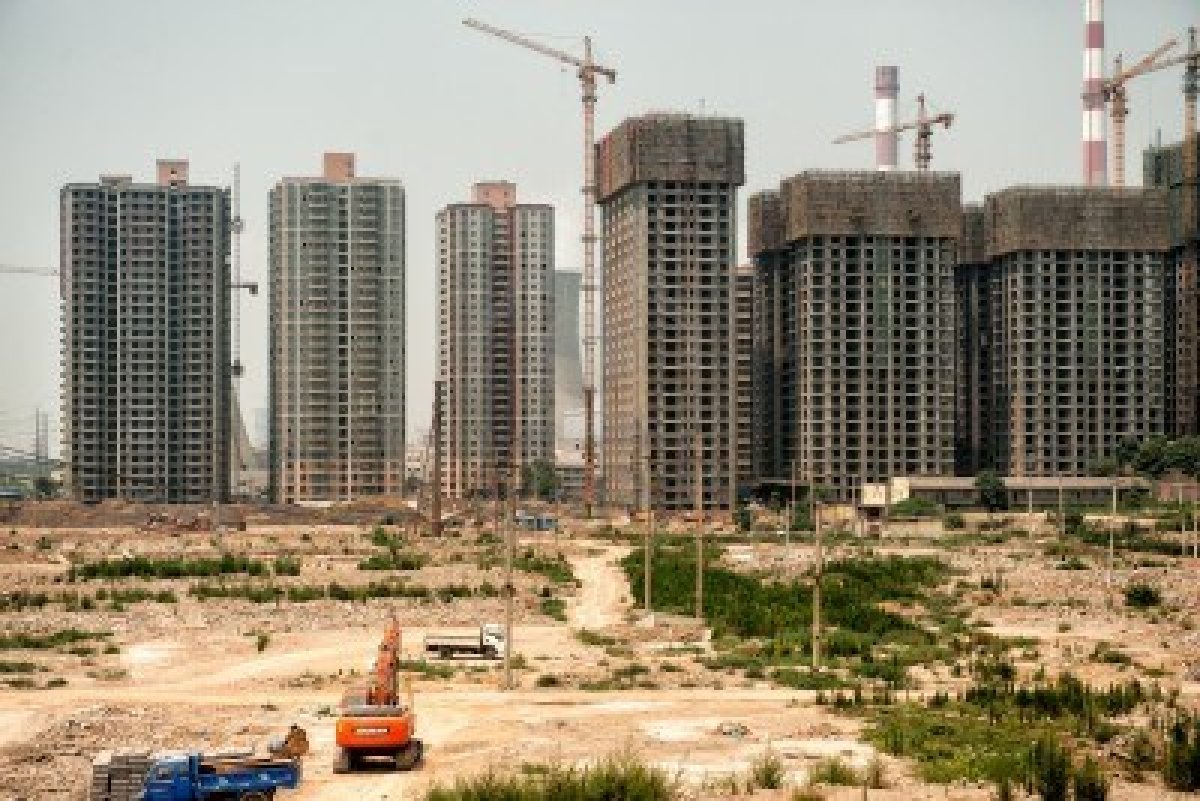
Rapid Price Inflation in China's Housing Market
China's housing industry is considered a bubble due to the exponential rise in property prices over the past two decades. This surge has been fueled by speculative investments, government policies, and easy credit access. Key indicators of this bubble include:
- Skyrocketing prices in major cities like Beijing and Shanghai, far outpacing income growth.
- An overreliance on real estate as a primary investment vehicle for households.
- Ghost cities—unoccupied developments—built on speculation rather than demand.
Excessive Debt and Leverage in Real Estate
The Chinese housing market is heavily dependent on debt financing, both for developers and buyers. This creates systemic risks, as seen in the struggles of major developers like Evergrande. Critical factors include:
See AlsoHSK 4 Vocabulary Test - Quick Fire Quiz- High leverage ratios among property developers, often exceeding regulatory limits.
- Shadow banking channels that bypass official lending restrictions.
- Household debt tied to mortgages, leaving families financially vulnerable.
Government Intervention and Policy Risks
Chinese authorities have implemented measures to curb speculation, but these interventions highlight the market's fragility. Key policy-related concerns are:
- Purchase restrictions in major cities to cool demand.
- Credit tightening to reduce speculative buying.
- Unintended consequences, such as market stagnation in lower-tier cities.
Overbuilding and Vacancy Rates
China's construction boom has led to a supply-demand mismatch, with many properties remaining unsold or unused. This overcapacity signals a bubble because:
- Vacancy rates in some cities exceed 20%, indicating weak real demand.
- Developers continue building despite inventory gluts due to local government incentives.
- Infrastructure projects often prioritize GDP growth over sustainability.
Economic Dependence on Real Estate
Real estate contributes nearly 30% of China's GDP, making the economy vulnerable to a housing downturn. Risks include:
See AlsoNew text game for Chinese learners: The Magistrate’s Gallery- Job losses in construction and related sectors if the bubble bursts.
- Banking sector exposure to bad loans from developers and homeowners.
- Local government revenue heavily reliant on land sales, creating fiscal instability.
Why is the Chinese housing market crashing?
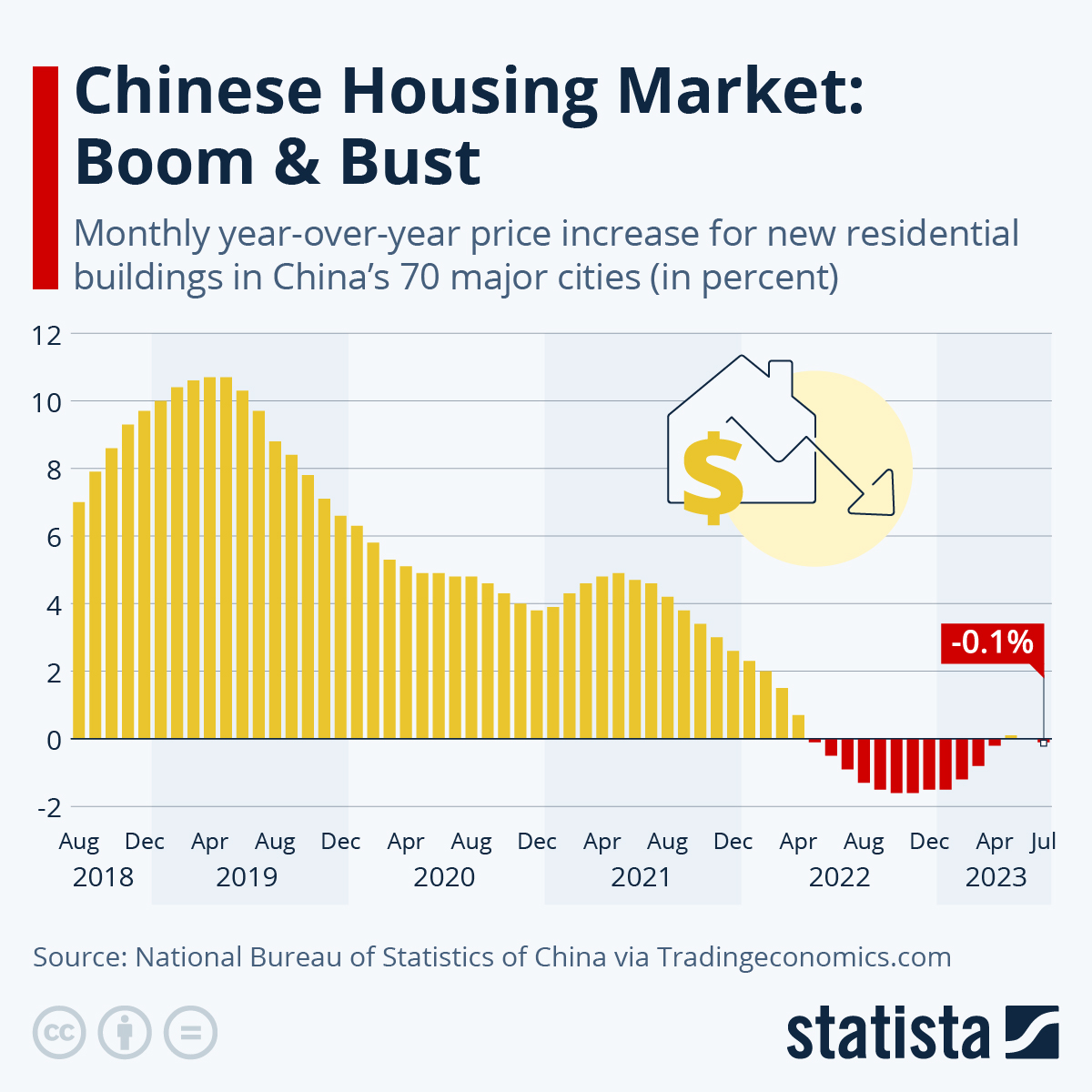
What are the main causes of the Chinese housing market crash?
The Chinese housing market is experiencing a downturn due to a combination of regulatory crackdowns, excessive debt, and slowing demand.
- Government policies: Beijing introduced the Three Red Lines policy to curb excessive borrowing by developers, restricting their ability to finance new projects.
- Overleveraged developers: Major firms like Evergrande and Country Garden accumulated unsustainable debt, leading to defaults and loss of investor confidence.
- Declining demand: A shrinking population and slower economic growth reduced the appetite for new homes, exacerbating oversupply issues.
How did speculative investment contribute to the crash?
Speculative investment artificially inflated property prices, creating a bubble that eventually burst.
See AlsoShould you learn the pronunciation of radicals?- Ponzi-like financing: Developers relied on presales to fund projects, creating a cycle dependent on continuous buyer influx.
- Ghost cities: Massive construction projects in underpopulated areas led to vacant properties with no real demand.
- Household debt surge: Families overextended themselves to buy multiple properties as investments, increasing financial fragility.
What role did government intervention play in the crisis?
Beijing's shifting policies initially fueled growth but later accelerated the market's collapse.
- Tightened credit: The Three Red Lines policy forced developers to deleverage, triggering liquidity crises.
- Price controls: Local governments imposed price caps, discouraging new development and reducing profitability.
- Anti-speculation measures: Restrictions on multiple home purchases cooled demand abruptly.
How are global economic factors affecting China's housing market?
External pressures have compounded domestic issues, worsening the downturn.
- Rising interest rates: Global monetary tightening reduced foreign investment in Chinese real estate.
- Trade tensions: U.S.-China disputes disrupted supply chains, impacting construction costs.
- Currency depreciation: A weaker yuan made dollar-denominated debt harder to repay.
The crisis has eroded public trust and strained household finances.
- Unfinished projects: Millions of buyers face delayed or abandoned homes after developer bankruptcies.
- Wealth erosion: Middle-class families saw their primary asset (property) lose value.
- Social unrest: Protests erupted among homebuyers demanding government intervention.
Which country has the biggest housing bubble?
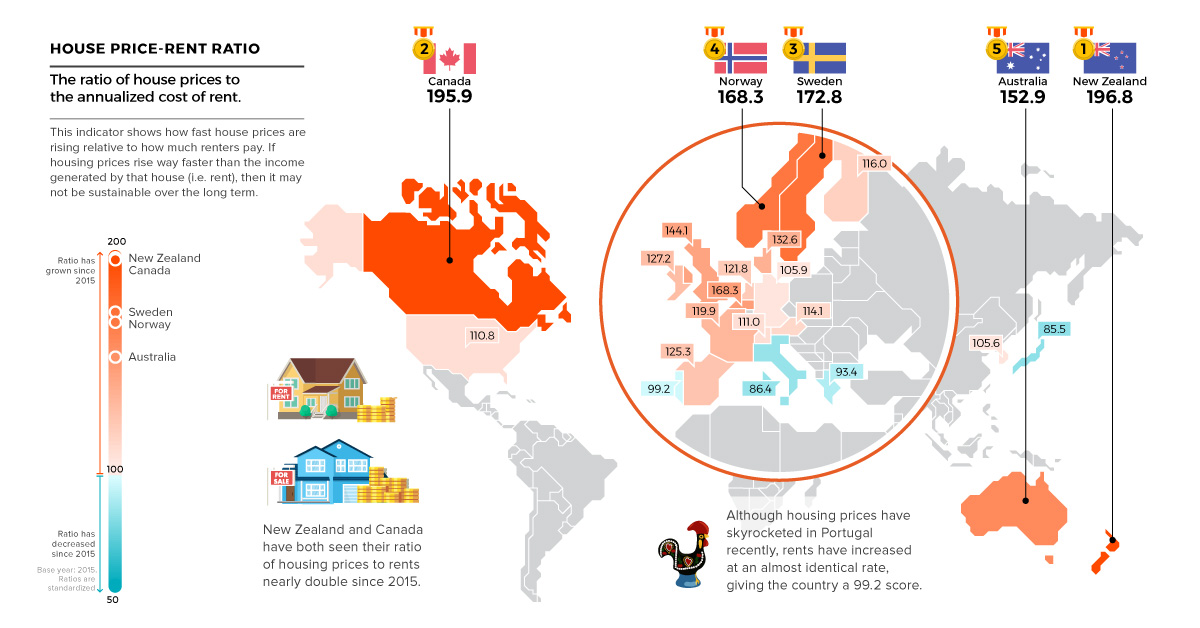
Current Rankings of Countries with the Largest Housing Bubbles
Several countries are experiencing significant housing bubbles, driven by factors like low interest rates, speculative investments, and supply shortages. Based on recent data, the following nations stand out:
- Canada: Skyrocketing prices in cities like Toronto and Vancouver due to high demand and limited supply.
- New Zealand: Rapid price surges fueled by foreign investment and low housing inventory.
- Australia: Major cities like Sydney and Melbourne face affordability crises.
Key Indicators of a Housing Bubble
A housing bubble is often identified through specific economic signals. Here are the most critical indicators:
- Price-to-Income Ratio: Measures affordability by comparing home prices to average earnings.
- Rent-to-Price Ratio: High divergence suggests speculative buying rather than rental demand.
- Mortgage Debt Growth: Excessive borrowing can signal unsustainable price inflation.
Canada’s Housing Market Crisis
Canada is frequently cited as having one of the most inflated housing markets globally. Key factors include:
- Foreign Investment: Heavy inflows from international buyers drive up prices.
- Low Interest Rates: Cheap borrowing costs encourage excessive speculation.
- Urbanization: High demand in metropolitan areas outstrips supply.
New Zealand’s Rapid Price Appreciation
New Zealand has seen some of the fastest-growing home prices, with critical drivers being:
- Immigration: Population growth increases housing demand.
- Limited Land Supply: Geographic constraints restrict new developments.
- Investor Activity: Tax policies favor property speculation.
Australia’s Affordability Challenges
Australia faces a persistent housing affordability crisis, particularly in its largest cities. Contributing factors include:
- Investor Dominance: Tax incentives like negative gearing boost speculative buying.
- Supply Shortages: Slow construction fails to meet population growth.
- High Household Debt: Mortgages account for a large share of income.
Frequently Asked Questions (FAQ)
What is China’s housing bubble, and how did it form?
The China housing bubble refers to the rapid and unsustainable rise in property prices fueled by excessive speculation, loose credit policies, and government-driven urbanization efforts. Over the past two decades, real estate became a primary investment vehicle for Chinese households and corporations, leading to inflated demand and skyrocketing prices. Local governments also relied heavily on land sales for revenue, further incentivizing construction. However, the market became detached from actual housing needs, creating a speculative bubble that threatened financial stability.
What are the key risks associated with China’s housing bubble?
The risks of China’s housing bubble are multifaceted. First, a potential market collapse could trigger a financial crisis, as property accounts for a significant portion of GDP and household wealth. Second, many developers, like Evergrande, accumulated massive debts, raising concerns about defaults and contagion in the banking sector. Third, the bubble exacerbated wealth inequality, as younger generations struggled to afford homes. Lastly, overconstruction led to ghost cities—vacant developments that wasted resources and highlighted market inefficiencies.
How has the Chinese government responded to the housing bubble?
The Chinese government has implemented several measures to curb speculation and stabilize the market. These include tightening mortgage regulations, restricting purchases of multiple properties, and introducing the three red lines policy to limit developer debt. Additionally, authorities promoted affordable housing initiatives and discouraged local governments from over-relying on land sales. However, these interventions have had mixed results, as they risk slowing economic growth while attempting to prevent a hard landing for the property sector.
Could China’s housing bubble burst, and what would be the global impact?
If China’s housing bubble were to burst, the consequences could be severe both domestically and globally. A sharp decline in property values would weaken consumer confidence, reduce construction activity, and strain the financial system, potentially leading to a recession. Globally, China’s economic slowdown could disrupt commodity markets, affect trade partners, and create volatility in financial markets. However, the government’s control over the economy and banking sector may help mitigate a full-blown crisis, though at the cost of slower long-term growth.
Leave a Reply
Related Posts