
Why Learning Chinese Will Boost Your CV

In today’s globalized job market, standing out from the competition is more important than ever. Learning Chinese, one of the world’s most spoken languages, can significantly enhance your CV and open doors to exciting career opportunities. As China’s economic influence grows, businesses worldwide seek professionals with Mandarin skills to bridge cultural and commercial gaps. Whether in finance, trade, or technology, bilingual candidates are highly valued for their ability to communicate and negotiate effectively. Adding Chinese to your skill set demonstrates adaptability, cultural awareness, and a commitment to professional growth. Investing time in learning this language not only enriches your resume but also positions you for success in an interconnected world.
-
Why Learning Chinese Will Give Your CV a Competitive Edge
- 1. Chinese Language Skills Open Doors to Global Business Opportunities
- 2. Mandarin Proficiency Increases Employability in Multinational Companies
- 3. Learning Chinese Demonstrates Adaptability and Cognitive Skills
- 4. Chinese Language Skills Enhance Networking and Professional Relationships
- 5. China's Growing Influence Makes Mandarin a Future-Proof Skill
- Will learning Chinese help me get a job?
- Why is it beneficial to learn Chinese?
- How will learning Chinese benefit your future career?
- Is learning Chinese a good skill?
- Frequently Asked Questions (FAQ)
Why Learning Chinese Will Give Your CV a Competitive Edge
1. Chinese Language Skills Open Doors to Global Business Opportunities
Learning Mandarin Chinese can significantly enhance your career prospects, especially in industries like international trade, finance, and technology. China is the world's second-largest economy, and companies value professionals who can bridge communication gaps with Chinese partners. Being proficient in Chinese not only makes you stand out but also positions you as a key player in global business negotiations.
| Industry | Why Chinese Matters |
|---|---|
| International Trade | Facilitates negotiations with Chinese suppliers and clients |
| Finance | Helps in understanding China's growing financial markets |
| Technology | Provides access to China's tech innovations and collaborations |
2. Mandarin Proficiency Increases Employability in Multinational Companies
Many multinational corporations (MNCs) have operations in China or deal with Chinese firms. Employers actively seek candidates who can communicate effectively in Mandarin, as it reduces reliance on translators and fosters smoother business interactions. Adding Chinese language skills to your CV can make you a preferred candidate for roles in marketing, consulting, and logistics.
See AlsoNot for All the Tea in China… 10 Surprising Facts About Chinese Tea!| Job Role | How Chinese Helps |
|---|---|
| Marketing Specialist | Enables better understanding of Chinese consumer behavior |
| Management Consultant | Supports strategy development for China-based projects |
| Supply Chain Manager | Streamlines communication with Chinese manufacturers |
3. Learning Chinese Demonstrates Adaptability and Cognitive Skills
Mastering Mandarin, one of the most complex languages, showcases your dedication, problem-solving abilities, and adaptability. Employers appreciate candidates who challenge themselves and acquire high-demand skills. Your ability to learn Chinese signals that you can thrive in diverse and fast-paced work environments.
| Skill Demonstrated | Why Employers Value It |
|---|---|
| Adaptability | Shows readiness to work in multicultural settings |
| Cognitive Flexibility | Indicates strong learning and memory retention |
| Perseverance | Reflects commitment to long-term skill development |
4. Chinese Language Skills Enhance Networking and Professional Relationships
Speaking Mandarin allows you to connect with Chinese professionals, clients, and stakeholders on a deeper level. Building trust in business often relies on cultural and linguistic understanding. By speaking their language, you demonstrate respect and commitment, which can lead to stronger partnerships and career growth.
| Networking Benefit | Impact on Career |
|---|---|
| Better Client Relations | Increases client satisfaction and retention |
| Stronger Partnerships | Facilitates long-term business collaborations |
| Career Opportunities | Opens doors to roles requiring Chinese-speaking professionals |
5. China's Growing Influence Makes Mandarin a Future-Proof Skill
With China's rising economic and political influence, Mandarin is becoming a critical language for global professionals. Industries such as renewable energy, e-commerce, and AI are heavily influenced by Chinese innovation. By learning Chinese now, you future-proof your career and stay ahead in a competitive job market.
See Also7 kinds of tone problems in Mandarin and what to do about them| Sector | China's Role |
|---|---|
| Renewable Energy | Leading in solar and wind technology |
| E-Commerce | Home to giants like Alibaba and JD.com |
| Artificial Intelligence | Major investments in AI research and development |
Will learning Chinese help me get a job?

How Does Learning Chinese Improve Job Prospects?
Learning Chinese can significantly enhance your job prospects, especially in industries like international trade, diplomacy, and technology. Employers value bilingual candidates who can bridge communication gaps. Here’s why:
- Global demand: China’s economic influence makes Mandarin a sought-after skill.
- Competitive edge: Standing out in fields like finance or logistics where China plays a key role.
- Cultural understanding: Facilitates smoother negotiations and partnerships with Chinese firms.
Which Industries Value Chinese Language Skills the Most?
Certain sectors prioritize Chinese proficiency due to ties with China. These include:
See AlsoHow To Use Rhetorical Language Structures In Chinese- International business: Roles in import/export or multinational corporations.
- Tourism and hospitality: Catering to Mandarin-speaking clients.
- Tech and manufacturing: Collaborating with Chinese suppliers or clients.
What Job Roles Can Benefit from Knowing Chinese?
Fluency in Chinese opens doors to specialized positions such as:
- Translator/interpreter: High demand in legal, medical, and business settings.
- Trade analyst: Evaluating China’s market trends for companies.
- Diplomatic services: Working in embassies or cultural exchange programs.
Does Chinese Language Proficiency Lead to Higher Salaries?
Yes, mastering Chinese can boost earning potential. Employers often offer salary premiums for bilingual employees, especially in:
- Finance: Banks and investment firms with Chinese clients.
- Consulting: Advising businesses on China-related strategies.
- Education: Teaching Mandarin or working in international schools.
How to Showcase Chinese Skills on a Resume?
Highlighting your Chinese proficiency effectively can attract recruiters. Consider:
See AlsoThe Most Common Chinese Loanwords in English- Certifications: Listing HSK scores or language diplomas.
- Experience: Mentioning work or study abroad in Chinese-speaking regions.
- Projects: Describing tasks involving Chinese communication or research.
Why is it beneficial to learn Chinese?

Economic and Career Advantages
Learning Chinese opens doors to numerous economic opportunities, especially as China is a global economic powerhouse. Many multinational companies seek employees who can speak Mandarin to facilitate business dealings. Here’s why it’s valuable:
- Job market edge: Bilingual professionals often earn higher salaries and access exclusive roles in trade, finance, and diplomacy.
- Business expansion: China’s influence in global markets makes Mandarin a strategic asset for entrepreneurs and corporations.
- Networking: Speaking the language fosters stronger relationships with Chinese partners and clients.
Cultural Understanding and Travel
Mastering Chinese deepens appreciation for one of the world’s oldest cultures and enhances travel experiences in Mandarin-speaking regions. Key benefits include:
See AlsoWhat is Double Ninth Festival in China?- Authentic interactions: Communicate directly with locals, enriching your understanding of traditions and customs.
- Navigation ease: Read signs, menus, and public transport information without reliance on translations.
- Cultural immersion: Engage with literature, films, and festivals in their original context.
Cognitive and Academic Benefits
Studying Chinese sharpens mental agility and offers unique academic advantages. The language’s structure challenges the brain, leading to:
- Improved memory: Learning characters enhances visual and spatial recall.
- Problem-solving skills: Tonal pronunciation and grammar rules foster analytical thinking.
- Academic opportunities: Proficiency may qualify you for scholarships or specialized programs in sinology.
Technological and Digital Influence
China’s dominance in technology and innovation makes Mandarin a practical tool for tech enthusiasts. Reasons to learn include:
- Access to resources: Many cutting-edge research papers and tech developments are published in Chinese.
- Career in tech: Companies like Huawei and Alibaba value employees who understand the language and culture.
- Digital content: Engage with apps, games, and social media platforms popular in Chinese-speaking markets.
Global Diplomacy and Political Relevance
As China’s political influence grows, Mandarin becomes vital for international relations. Key points:
- Diplomatic roles: Governments seek Mandarin speakers for negotiations and policy analysis.
- Global awareness: Understanding Chinese media provides insights into geopolitical strategies.
- Cross-cultural mediation: Facilitate dialogue between Chinese and non-Chinese stakeholders in global forums.
How will learning Chinese benefit your future career?

Increased Career Opportunities in Global Markets
Learning Chinese opens doors to a vast array of career opportunities, especially in industries with strong ties to China. As the world's second-largest economy, China plays a pivotal role in global trade, technology, and finance. By mastering the language, you position yourself as a valuable asset in multinational companies, diplomacy, and international business.
- Access to job roles in international trade, logistics, and supply chain management.
- Opportunities in diplomatic services or NGOs working with Chinese-speaking regions.
- Higher demand in sectors like technology, manufacturing, and finance where China leads.
Competitive Edge in the Job Market
Proficiency in Chinese sets you apart from other candidates, making you more attractive to employers. Many companies prioritize bilingual or multilingual professionals to bridge cultural and communication gaps, especially in industries with Chinese partnerships.
- Stand out in resume screenings due to rare language skills.
- Higher chances of promotions or overseas assignments in global firms.
- Ability to negotiate and network effectively with Chinese clients or partners.
Enhanced Business and Networking Potential
Speaking Chinese allows you to build stronger relationships with Chinese-speaking clients, investors, or colleagues. Business deals often rely on trust and cultural understanding, which fluency in the local language significantly improves.
- Facilitates smoother business negotiations and contract discussions.
- Enables direct communication, avoiding misinterpretations from translations.
- Expands your professional network in China and other Mandarin-speaking regions.
Access to High-Growth Industries
China dominates several high-growth sectors, such as e-commerce, renewable energy, and AI. Learning Chinese equips you with the tools to engage with these industries, whether through employment, collaboration, or entrepreneurship.
- Opportunities in Alibaba, Tencent, or Huawei, leading global tech giants.
- Potential to work in green energy initiatives where China is a key player.
- Insight into market trends and innovations emerging from China.
Cultural Understanding and Adaptability
Mastering Chinese goes beyond language—it involves understanding cultural nuances, which is critical for successful collaborations. Employers value professionals who can navigate cultural differences and adapt to diverse work environments.
- Better cross-cultural communication in multinational teams.
- Ability to interpret cultural contexts in marketing or product localization.
- Increased employability in roles requiring cultural sensitivity and global awareness.
Is learning Chinese a good skill?
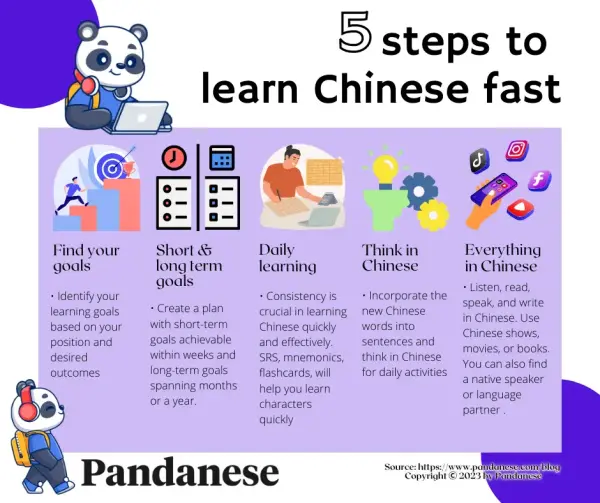
Why Is Learning Chinese a Valuable Skill?
Learning Chinese is highly valuable due to its global influence and economic significance. Here are key reasons:
- Economic opportunities: China is a major global economy, and proficiency in Chinese opens doors to business, trade, and career growth.
- Cultural understanding: Mastering Chinese provides deeper insights into one of the world's oldest and richest cultures.
- Competitive advantage: Bilingualism, especially in a less commonly taught language, sets you apart in academia and the job market.
How Difficult Is It to Learn Chinese?
While Chinese is considered challenging, structured learning can make it manageable. Key aspects include:
- Tonal language: Mandarin has four tones, requiring practice to master pronunciation.
- Character-based writing: Unlike alphabetic systems, Chinese uses thousands of unique characters.
- Grammar simplicity: Unlike many languages, Chinese has no verb conjugations or gendered nouns.
What Are the Career Benefits of Learning Chinese?
Proficiency in Chinese enhances career prospects in multiple fields. Notable advantages:
- International business: Companies value employees who can negotiate with Chinese partners.
- Diplomacy and translation: Governments and NGOs need Chinese speakers for cross-cultural communication.
- Tech and innovation: China leads in technology, making the language useful in STEM fields.
Which Chinese Dialect Should You Learn?
Choosing the right Chinese dialect depends on goals and practicality. Considerations:
- Mandarin: The official language of China and Taiwan, spoken by over a billion people.
- Cantonese: Predominant in Hong Kong and Guangdong, useful for regional business.
- Other dialects: Shanghainese or Hokkien may be relevant for specific local interactions.
How Can You Effectively Learn Chinese?
Adopting the right strategies accelerates Chinese language acquisition. Effective methods:
- Immersion: Surround yourself with the language through media, travel, or conversation partners.
- Structured courses: Enroll in classes or use apps like Duolingo for systematic learning.
- Practice writing: Regularly writing characters reinforces memory and recognition.
Frequently Asked Questions (FAQ)
Why is learning Chinese considered a valuable skill for my CV?
Learning Chinese is highly regarded in the professional world because it demonstrates cultural adaptability, cognitive flexibility, and a willingness to engage with the world's second-largest economy. Employers value candidates who can bridge communication gaps in global markets, and Mandarin Chinese, as the most spoken language globally, opens doors to opportunities in industries like trade, technology, and diplomacy. Including Chinese on your CV signals to recruiters that you possess a competitive edge in an increasingly interconnected business landscape.
How does Mandarin proficiency enhance career prospects in multinational companies?
Multinational corporations (MNCs) often prioritize candidates with Mandarin skills due to China's pivotal role in global supply chains and consumer markets. Proficiency in Chinese allows professionals to negotiate directly with partners, understand local business etiquette, and access untapped markets. Roles in international business, logistics, and consulting particularly benefit, as employers seek talent capable of reducing reliance on interpreters and fostering cross-cultural collaboration.
Can learning Chinese improve my chances in non-business sectors?
Absolutely. Beyond corporate roles, Chinese language skills are invaluable in fields like academia, tourism, and public service. Researchers collaborating with Chinese institutions, tour guides catering to Mandarin-speaking visitors, or diplomats engaging in Sino-foreign relations all benefit from linguistic competence. Even in STEM, China's advancements in AI and green energy make Mandarin a strategic asset for professionals seeking to stay ahead in innovation-driven sectors.
What level of Chinese fluency is needed to make an impact on my CV?
While advanced fluency is ideal for roles requiring deep engagement, even intermediate proficiency (HSK 3-4) can significantly boost your CV. Employers appreciate candidates who can handle basic negotiations, read industry documents, or navigate business trips. Highlighting specific achievements—like completing a language certification or using Chinese in a professional context—adds credibility. For competitive roles, pairing language skills with industry-specific knowledge maximizes their impact.
Leave a Reply
Related Posts