
Why Do Chinese People Give Red Envelopes?

The tradition of giving red envelopes, or hóngbāo, is a deeply rooted custom in Chinese culture, symbolizing good luck and prosperity. These vibrant red packets, often adorned with gold characters, are typically filled with money and exchanged during special occasions like the Lunar New Year, weddings, and birthdays. The color red is believed to ward off evil spirits and bring blessings, while the act of gifting money represents wishes for wealth and happiness. This practice reflects the importance of family, generosity, and cultural heritage in Chinese society. Understanding the significance of red envelopes offers insight into the values and traditions that continue to shape Chinese celebrations today.
Why Do Chinese People Give Red Envelopes?
The tradition of giving red envelopes, known as hóngbāo (红包) in Mandarin, is deeply rooted in Chinese culture. These envelopes, filled with money, are commonly exchanged during festivals, weddings, and other celebratory events. The red color symbolizes good luck, prosperity, and warding off evil spirits, while the act of gifting money represents blessings and well-wishes for the recipient.
The Origins of Red Envelopes in Chinese Culture
The practice dates back to the Qin Dynasty, where elders would thread coins with red string to protect children from evil spirits. Over time, this evolved into red paper envelopes during the Ming and Qing Dynasties. The color red is associated with happiness and fortune in Chinese symbolism, making it the perfect choice for such gifts.
See AlsoLearning the third tone in Mandarin Chinese| Dynasty | Evolution of Red Envelopes |
|---|---|
| Qin Dynasty | Coins tied with red string |
| Ming & Qing Dynasties | Red paper envelopes introduced |
When Are Red Envelopes Given?
Red envelopes are primarily given during Chinese New Year, but they are also exchanged during:
- Weddings (to bless the newlyweds)
- Birthdays (especially for elders)
- Newborn celebrations (to welcome the baby)
- Graduations (as a token of encouragement)
| Occasion | Purpose |
|---|---|
| Chinese New Year | Bring good luck for the year ahead |
| Weddings | Wish prosperity to the couple |
Who Gives and Receives Red Envelopes?
Traditionally, married couples and elders give red envelopes to children, unmarried adults, and employees. The amount of money varies based on relationship and social status.
| Giver | Recipient |
|---|---|
| Parents/Grandparents | Children |
| Employers | Employees |
The Significance of the Color Red
In Chinese culture, red is more than just a color—it represents:
- Joy
- Wealth
- Longevity
- Protection from bad luck
This is why red envelopes are never replaced with other colors for traditional occasions.
| Symbol | Meaning |
|---|---|
| Red Color | Happiness & Prosperity |
| Gold Text | Wealth & Good Fortune |
Modern Adaptations of Red Envelopes
With digital advancements, e-hóngbāo (digital red envelopes) have become popular through apps like WeChat and Alipay. However, the traditional paper version remains significant in formal settings.
| Type | Usage |
|---|---|
| Paper Red Envelopes | Traditional ceremonies |
| Digital Red Envelopes | Casual & online exchanges |
How much money do you put in a Chinese red envelope?
What is the Traditional Amount for a Chinese Red Envelope?
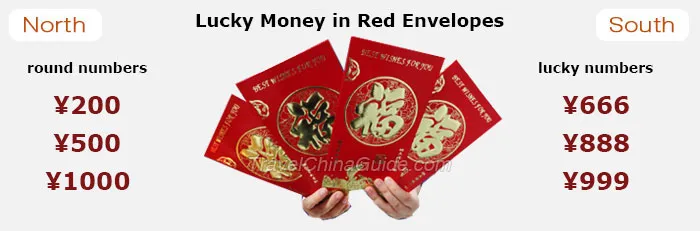
The traditional amount for a Chinese red envelope (hóngbāo) varies but often includes even numbers, as they symbolize luck and prosperity. Avoid odd numbers, as they are associated with funerals. Common amounts include:
- ¥50 to ¥200 for casual gifts among friends or coworkers.
- ¥100 to ¥500 for close relatives during holidays like Lunar New Year.
- ¥500 to ¥1,000+ for special occasions like weddings or births.
Does the Amount Depend on the Recipient's Age?
Yes, the amount in a red envelope often correlates with the recipient's age and relationship to the giver. Key considerations include:
- Children typically receive smaller amounts (e.g., ¥50–¥200).
- Teenagers or young adults may receive more (e.g., ¥200–¥500).
- Elderly relatives are often given larger sums as a sign of respect.
Are There Unlucky Amounts to Avoid?
Certain amounts are considered unlucky in Chinese culture and should be avoided in red envelopes. These include:
See AlsoAdd Oil! “Jia You” Makes it Into the Oxford English Dictionary- Odd numbers (except for ¥50, which is acceptable).
- The number 4 (sounds like death in Chinese).
- Amounts ending in 0 (associated with endings, not new beginnings).
How Does Regional Culture Influence Red Envelope Amounts?
Regional customs can significantly impact the amount placed in a red envelope. For example:
- Southern China tends to give smaller, symbolic amounts.
- Northern China may give larger sums, especially in urban areas.
- Overseas Chinese communities often adapt to local currency norms.
What Are Modern Trends for Red Envelope Amounts?
Modern practices have introduced new trends for red envelope amounts, including:
- Digital red envelopes (via apps like WeChat) with smaller, playful amounts.
- Inflation-adjusted sums, especially in affluent urban areas.
- Personalized amounts, such as repeating numbers (e.g., ¥88 or ¥168) for extra luck.
What are the rules of giving red envelopes?
When Should Red Envelopes Be Given?
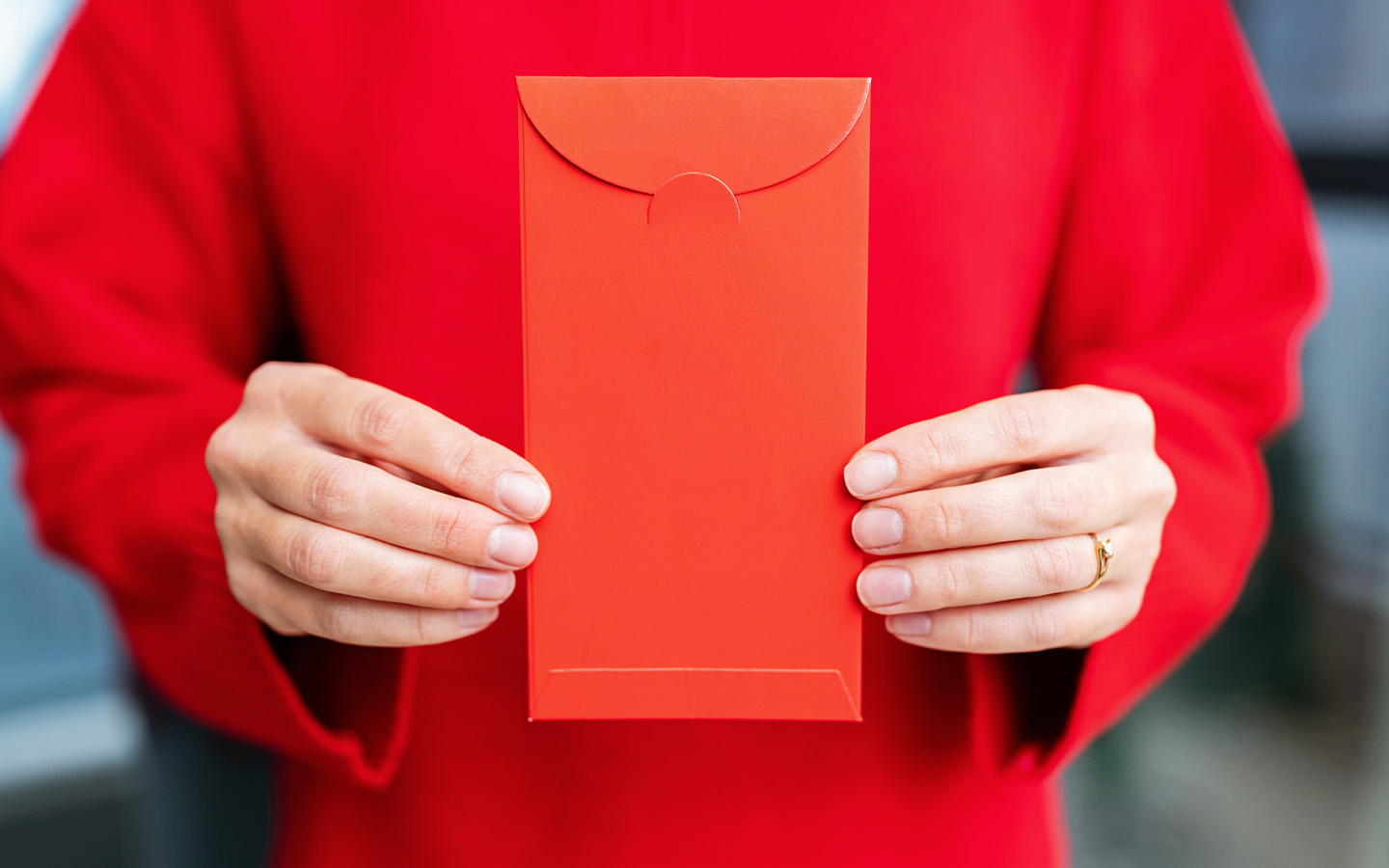
Red envelopes, or hóngbāo, are traditionally given during special occasions to convey blessings and good fortune. Here are the key moments for giving them:
- Chinese New Year: The most common occasion, symbolizing prosperity and luck for the upcoming year.
- Weddings: Given to the newlyweds as a gesture of goodwill and financial support.
- Birthdays: Especially for elders, to honor longevity and respect.
- Baby showers or births: To celebrate the arrival of a new family member.
- Other festivals: Such as the Mid-Autumn Festival or Dragon Boat Festival, depending on regional customs.
Who Should Give Red Envelopes?
The act of giving red envelopes follows a hierarchy based on age, relationship, and social status. Key rules include:
- Married couples: Expected to give red envelopes to unmarried relatives, especially children.
- Employers: Often give red envelopes to employees as a year-end bonus or holiday gift.
- Parents and grandparents: Typically give to younger generations as a blessing.
- Business associates: May exchange red envelopes during Lunar New Year for goodwill.
- Avoid giving to elders: Unless it’s a special circumstance, as it may imply disrespect.
How Much Money Should Be Put in a Red Envelope?
The amount inside a red envelope should reflect symbolism and practicality. Consider these guidelines:
- Even numbers: Preferred, as odd amounts are associated with funerals (except for the number 9, which symbolizes longevity).
- Avoid unlucky numbers: Such as 4 (sounds like death) or amounts ending with 4.
- Consider the relationship: Close family may receive larger sums, while acquaintances get smaller amounts.
- Fresh, crisp bills: Wrinkled or old money is considered impolite.
- Local customs: Amounts vary by region—research or ask locals for appropriate sums.
What Are the Taboos of Giving Red Envelopes?
Certain cultural taboos must be avoided to prevent offense or bad luck:
- Never give empty envelopes: Symbolizes bad luck or insincerity.
- Avoid white envelopes: White is associated with funerals; red is mandatory for joyous occasions.
- Don’t open envelopes in front of the giver: Considered rude or greedy.
- No coins: Bills are preferred; coins imply small or insignificant blessings.
- Never seal envelopes completely: A slight opening symbolizes the free flow of fortune.
How Should Red Envelopes Be Presented?
The presentation of red envelopes is as important as the contents. Follow these etiquette rules:
- Use both hands: Shows respect when giving or receiving.
- Offer with a blessing: Phrases like Gōngxǐ fācái (Wishing you prosperity) are customary.
- Choose the right design: Traditional symbols (e.g., dragons, phoenixes) enhance the envelope’s meaning.
- Personalize for relationships: Fancier envelopes for family, simpler ones for acquaintances.
- Timing matters: Give early in the day or during the event, not after it concludes.
Can you give red envelopes if you're not married?
Is It Acceptable to Give Red Envelopes If You're Unmarried?
Yes, it is generally acceptable to give red envelopes even if you're not married, depending on cultural context. In many traditions, such as during Chinese New Year, the act of giving red envelopes symbolizes good luck and blessings rather than being strictly tied to marital status. However, customs may vary:
- Cultural norms: Some cultures expect only married individuals to give red envelopes, while others are more flexible.
- Intent matters: If your purpose is to share joy or blessings, being unmarried may not be an issue.
- Recipient’s expectations: Younger family members or friends may not mind as long as the gesture is sincere.
Who Traditionally Gives Red Envelopes?
Traditionally, married adults or elders are the primary givers of red envelopes, especially in cultures like China. This practice stems from the belief that married individuals have greater financial stability and can pass on blessings. Key points include:
- Married couples: Often expected to give red envelopes during holidays or weddings.
- Elders: Unmarried elders may still give red envelopes as a sign of respect or generosity.
- Workplace customs: In modern settings, employers or colleagues may give red envelopes regardless of marital status.
Can Unmarried People Give Red Envelopes in Modern Times?
In modern times, the rules around red envelopes have relaxed in many communities. Unmarried individuals can participate, especially in informal or non-traditional settings. Considerations include:
- Changing norms: Younger generations often prioritize the gesture over strict traditions.
- Personal relationships: Close friends or family may appreciate the thought regardless of marital status.
- Occasion: Workplace events or friend gatherings may not enforce traditional rules.
What Are the Exceptions to the Unmarried Rule?
There are exceptions where unmarried individuals can or even should give red envelopes. These scenarios often depend on specific cultural practices or personal circumstances:
- Employers or bosses: May give red envelopes to employees as bonuses, regardless of marital status.
- Celebratory events: Birthdays or graduations might allow anyone to give red envelopes.
- Regional variations: Some communities have no restrictions based on marital status.
How to Respectfully Give Red Envelopes If You're Unmarried?
If you're unmarried but wish to give red envelopes, follow these guidelines to ensure the gesture is respectful and well-received:
- Know the culture: Research local customs to avoid unintentional offense.
- Choose appropriate occasions: Stick to events where marital status isn’t a focal point.
- Be mindful of amounts: Avoid overly large sums, which may seem inappropriate.
Frequently Asked Questions (FAQ)
What is the significance of red envelopes in Chinese culture?
Red envelopes, known as hóngbāo (红包) in Mandarin, hold deep cultural significance in Chinese traditions. They symbolize good luck, prosperity, and blessings, often given during special occasions like the Lunar New Year, weddings, or birthdays. The color red is associated with happiness and warding off evil spirits, making these envelopes a powerful gesture of goodwill. The act of giving money inside a red envelope represents the transfer of positive energy and fortune from the giver to the recipient.
When are red envelopes traditionally given in China?
Red envelopes are most commonly exchanged during the Lunar New Year, where elders give them to younger family members as a symbol of good fortune for the coming year. They are also presented at weddings, often by the couple’s parents or guests, to bless the newlyweds with a prosperous life together. Other occasions include birthdays, baby showers, and sometimes funerals, though the latter may involve white envelopes instead. The timing and context of giving red envelopes reflect their role in marking life’s milestones.
Why is the color red specifically used for these envelopes?
The color red is deeply rooted in Chinese culture as a symbol of joy, celebration, and good luck. It is believed to scare away negative forces, such as the mythical beast Nian, which according to legend, feared the color red. By using red envelopes, the giver not only conveys financial support but also spiritual protection. This tradition reinforces the cultural importance of red in festivals and ceremonies, where it represents vitality and happiness.
Are there any rules or etiquette for giving red envelopes?
Yes, there are several unwritten rules surrounding red envelopes. The amount of money given should be an even number, as odd amounts are associated with funerals. It’s also customary to avoid giving amounts with the number 4, as its pronunciation resembles the word for death. The envelope should be handed with both hands as a sign of respect, and recipients should not open it in front of the giver. These practices ensure the gesture remains auspicious and respectful.
Leave a Reply
Related Posts