
5 of the Best Chinese Breakfasts

Chinese breakfasts offer a delightful array of flavors, textures, and traditions that set the tone for the day. From savory steamed buns to crispy fried dough, these morning meals are as diverse as China’s regions. Whether enjoyed in bustling street markets or quiet family kitchens, each dish tells a story of culture and comfort. In this article, we explore five of the best Chinese breakfasts, highlighting iconic staples like congee, scallion pancakes, and dim sum. Perfect for food lovers and travelers alike, these dishes promise a delicious start to any morning. Discover the rich culinary heritage behind China’s most beloved breakfasts.
5 of the Best Chinese Breakfasts You Must Try
1. Congee (Rice Porridge)
Congee is a classic Chinese breakfast made by simmering rice in a large amount of water or broth until it reaches a creamy consistency. It can be served plain or topped with ingredients like preserved eggs, pork, ginger, or scallions. Congee is not only comforting but also easy to digest, making it a popular choice for breakfast across China.
| Key Ingredients | Variations |
|---|---|
| Rice, water/broth | Century egg & pork, seafood, chicken |
2. Jianbing (Chinese Savory Crepe)
Jianbing is a street-food favorite that originated in northern China. This crispy yet chewy crepe is made from a batter of mung bean and wheat flour, spread thin on a griddle, topped with an egg, and filled with hoisin sauce, chili paste, scallions, and a crispy wonton cracker. It's a flavorful and portable breakfast option.
See AlsoGalactic Legend Duolingo: Unlocking New Language Skills| Key Ingredients | Toppings |
|---|---|
| Mung bean & wheat flour, egg | Hoisin sauce, chili, cilantro, wonton cracker |
3. Youtiao (Chinese Fried Dough Sticks)
Youtiao, also known as Chinese crullers, are deep-fried strips of dough that are crispy on the outside and soft inside. They are often paired with soy milk or congee for dipping. Youtiao is a simple yet satisfying breakfast staple, especially popular in southern China.
| Key Ingredients | Serving Suggestions |
|---|---|
| Flour, yeast, oil | With soy milk, congee, or stuffed in bread |
4. Baozi (Steamed Buns)
Baozi are fluffy steamed buns filled with savory or sweet ingredients. Common fillings include pork, vegetables, or red bean paste. These buns are a convenient and hearty breakfast, often enjoyed with a side of soy sauce or vinegar.
| Key Ingredients | Popular Fillings |
|---|---|
| Flour, yeast, filling | Pork & cabbage, BBQ pork, red bean paste |
5. Soy Milk & Fried Dough (Doujiang Youtiao)
A classic breakfast combo, soy milk (doujiang) is served either sweet or savory alongside youtiao (fried dough sticks). The savory version may include pickled vegetables, vinegar, or chili oil, while the sweet one is often enjoyed with sugar.
See AlsoLearn Chinese Through Song| Key Components | Variations |
|---|---|
| Soy milk, youtiao | Sweet (sugar), savory (pickles, vinegar) |
What is the most popular breakfast in China?
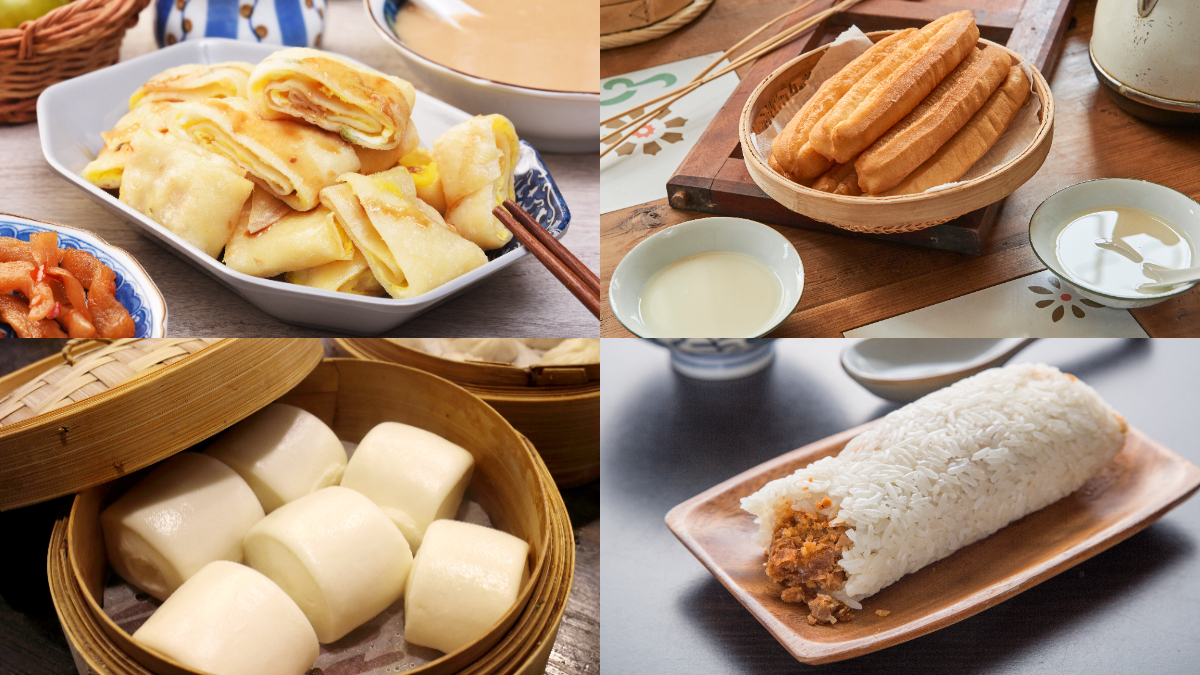
The most popular breakfast in China varies by region, but one of the most widely enjoyed dishes is congee (rice porridge), often paired with pickles, preserved eggs, or fried dough sticks (youtiao). Other favorites include steamed buns (baozi), dumplings (jiaozi), soy milk (doujiang), and scallion pancakes (congyoubing). Street vendors and breakfast stalls across the country serve these dishes, reflecting China's diverse culinary traditions.
What is Congee and Why is it Popular for Breakfast?
Congee is a simple yet versatile rice porridge that serves as a staple breakfast in China. Its popularity stems from its digestibility, warmth, and adaptability to different flavors and toppings. Here are some key reasons for its widespread appeal:
See AlsoHow To Become Fluent In A Language: Steps to Achieve Fluency- Easy to digest: Ideal for starting the day gently on the stomach.
- Customizable: Can be topped with meats, vegetables, or preserved eggs.
- Comforting: Served hot, making it perfect for cold mornings.
What are the Most Common Dim Sum Breakfast Items?
Dim sum, a Cantonese tradition, includes small dishes often enjoyed for breakfast. The most popular items include:
- Har gow (shrimp dumplings): Delicate steamed dumplings with juicy shrimp filling.
- Siu mai (pork dumplings): Open-topped dumplings with pork and shrimp.
- Char siu bao (barbecue pork buns): Fluffy buns filled with sweet and savory pork.
Why is Youtiao a Favorite Breakfast Food in China?
Youtiao, or fried dough sticks, are a beloved breakfast item often dipped in soy milk or congee. Their appeal lies in:
- Crispy texture: Golden and crunchy on the outside, soft inside.
- Portability: Easy to eat on the go.
- Versatility: Pairs well with both sweet and savory dishes.
How Do Regional Breakfasts Differ in China?
China's vast geography leads to diverse breakfast preferences. Key regional differences include:
- Northern China: Wheat-based foods like baozi and jianbing (savory crepes).
- Southern China: Rice-based dishes like congee and rice noodle rolls (cheung fun).
- Eastern China: Soups and xiaolongbao (soup dumplings).
What Role Does Soy Milk Play in Chinese Breakfasts?
Soy milk (doujiang) is a nutritious and common breakfast beverage, often paired with youtiao or baozi. Its importance includes:
- High protein content: Provides energy for the day.
- Lactose-free: A dairy alternative for many.
- Variety: Served sweet, salty, or plain.
What is the healthiest Chinese breakfast?
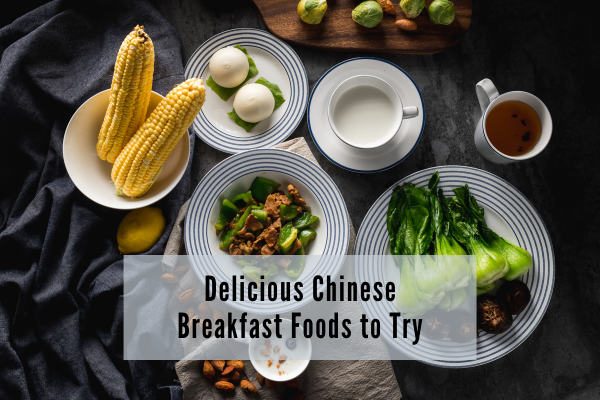
Traditional Congee with Lean Protein
Congee, a rice porridge, is a staple in Chinese breakfasts. Opting for a lean protein like chicken, fish, or tofu boosts its nutritional value. Here’s why it’s healthy:
- Low in fat: Uses minimal oil, making it easy to digest.
- High in fiber: Add vegetables like spinach or mushrooms for extra nutrients.
- Hydrating: Its watery consistency helps maintain fluid balance.
Steamed Whole Grain Buns (Mantou)
Whole grain mantou is a healthier alternative to white flour buns. It provides sustained energy and essential nutrients:
- Rich in fiber: Aids digestion and keeps you full longer.
- Low in sugar: Avoid fillings like red bean paste for a healthier option.
- Steamed, not fried: Retains nutrients without added fats.
Boiled or Poached Eggs with Tea
Pairing boiled or poached eggs with green tea creates a balanced, protein-rich breakfast:
- High-quality protein: Eggs support muscle repair and growth.
- Antioxidants: Green tea boosts metabolism and immunity.
- Low-calorie: A simple, nutrient-dense combination.
Stir-Fried Vegetables with Tofu
A vegetable and tofu stir-fry offers a plant-based, nutrient-packed start to the day:
- Plant-based protein: Tofu is a great alternative to meat.
- Vitamins and minerals: Vegetables like bok choy or bell peppers add variety.
- Light cooking: Use minimal oil to preserve nutrients.
Soy Milk with Whole Grain YouTiao (Less Oil)
Soy milk paired with a lightly fried you tiao (oil stick) can be healthy if prepared mindfully:
- Calcium-rich: Unsweetened soy milk supports bone health.
- Moderate portions: Limit you tiao to avoid excess oil.
- Balanced macros: Combines protein, carbs, and healthy fats.
What is the number 1 breakfast food in the world?
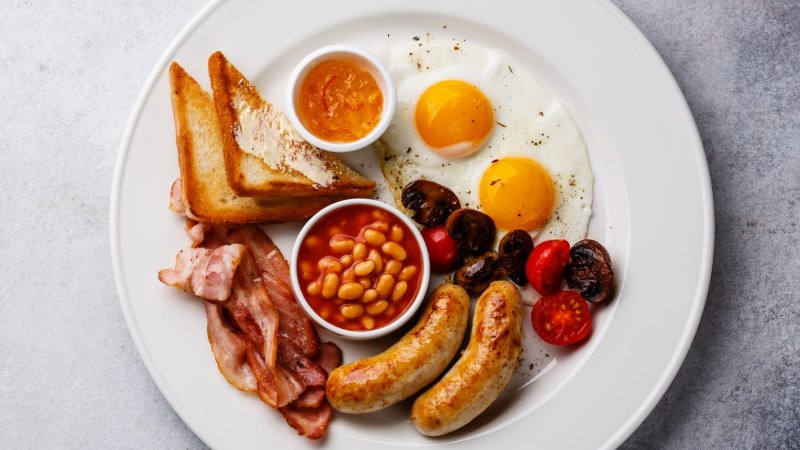
The number one breakfast food in the world is widely considered to be eggs. Eggs are consumed in various forms across cultures due to their versatility, nutritional value, and accessibility. They can be prepared in multiple ways, such as boiled, scrambled, fried, or as omelets, making them a staple in breakfast menus globally.
Why Are Eggs the Most Popular Breakfast Food?
Eggs are the top breakfast choice because:
- High in protein: They provide essential amino acids for muscle repair and energy.
- Quick to prepare: Eggs cook in minutes, making them ideal for busy mornings.
- Affordable: They are cost-effective compared to other protein sources.
How Do Different Cultures Prepare Eggs for Breakfast?
Eggs are adapted to regional tastes worldwide:
- American-style: Scrambled or fried with bacon and toast.
- Japanese-style: Tamagoyaki (rolled omelet) or raw with rice.
- Middle Eastern-style: Shakshuka (poached eggs in tomato sauce).
What Nutritional Benefits Do Eggs Offer?
Eggs are packed with essential nutrients:
- Vitamins: Rich in B12, D, and choline for brain health.
- Minerals: Contains iron, selenium, and zinc.
- Healthy fats: Provides omega-3s in free-range eggs.
Are There Any Health Concerns with Eating Eggs Daily?
Moderate egg consumption is generally safe, but considerations include:
- Cholesterol levels: Some studies link excess intake to higher LDL.
- Allergies: Egg allergies are common in children.
- Preparation methods: Frying adds unnecessary fats.
What Are Some Egg Alternatives for Breakfast?
For those avoiding eggs, popular substitutes are:
- Oatmeal: High in fiber and customizable with toppings.
- Greek yogurt: Rich in protein and probiotics.
- Avocado toast: Provides healthy fats and vitamins.
What is the best Chinese meal to have?
:max_bytes(150000):strip_icc()/__opt__aboutcom__coeus__resources__content_migration__serious_eats__seriouseats.com__images__2016__08__20160811-fast-food-recipes-roundup-07-f0cefd1607e14522a7c6e1586c414a67.jpg)
What Makes a Chinese Meal the Best?
The best Chinese meal depends on personal taste, but certain dishes stand out for their flavor, cultural significance, and popularity. A great Chinese meal balances texture, aroma, and taste, often featuring a mix of:
- Staple dishes like fried rice or noodles.
- Protein-rich options such as Peking duck or sweet and sour pork.
- Vegetable-based sides like stir-fried greens or mapo tofu.
Top 5 Must-Try Chinese Dishes
If you're looking for the best Chinese meal, these five dishes are essential:
- Peking Duck – Crispy skin with tender meat, served with pancakes.
- Kung Pao Chicken – Spicy, savory, and slightly sweet with peanuts.
- Dim Sum – A variety of bite-sized steamed or fried dumplings.
- Hot Pot – Interactive dining with a simmering broth and fresh ingredients.
- Xiaolongbao – Soup-filled dumplings bursting with flavor.
Regional Chinese Cuisines to Explore
China's diverse regions offer unique flavors. The best Chinese meal varies by area:
- Sichuan cuisine – Known for bold, spicy flavors (e.g., mapo tofu).
- Cantonese cuisine – Features dim sum and roasted meats.
- Shandong cuisine – Famous for seafood and savory soups.
Best Chinese Meals for First-Time Eaters
For newcomers, these dishes provide an excellent introduction to Chinese cuisine:
- Sweet and Sour Pork – A familiar yet flavorful choice.
- Spring Rolls – Crispy and easy to enjoy.
- Chow Mein – Stir-fried noodles with vegetables and protein.
Healthy Chinese Meal Options
If you prefer a nutritious Chinese meal, consider these lighter dishes:
- Steamed Fish with Ginger – High in protein and low in fat.
- Buddha’s Delight – A vegetarian stir-fry with tofu and veggies.
- Wonton Soup – Light broth with dumplings and greens.
Frequently Asked Questions (FAQ)
What are the most popular traditional Chinese breakfast dishes?
Chinese breakfasts are diverse and flavorful, often featuring a mix of savory and sweet options. Some of the most popular dishes include congee (rice porridge), youtiao (fried dough sticks), jianbing (savory crepes), baozi (steamed buns), and soy milk. These dishes are widely enjoyed across China and reflect regional variations in ingredients and preparation methods.
How is jianbing prepared, and why is it a favorite breakfast choice?
Jianbing is a beloved Chinese street food made by spreading a thin batter of wheat and mung bean flour on a griddle, then adding an egg, scallions, cilantro, and sauces like hoisin or chili. It's often folded around a crispy youtiao for texture. Its portability, customizable flavors, and nutritious ingredients make it a top breakfast choice for busy mornings.
What makes congee a staple in Chinese breakfast culture?
Congee, a comforting rice porridge, is a breakfast staple due to its versatility and digestibility. It can be served plain or with toppings like preserved vegetables, century eggs, pork floss, or seafood. Its mild flavor and easy preparation make it ideal for all ages, while its ability to warm the body is especially valued in colder regions.
Are Chinese breakfasts typically healthy, and what are some nutritious options?
Many Chinese breakfasts are balanced and nutritious, emphasizing whole grains, lean proteins, and fresh vegetables. For example, baozi filled with vegetables or pork provide protein and fiber, while soy milk offers plant-based protein. Dishes like steamed dumplings or scallion pancakes with whole wheat flour are also healthier alternatives when prepared with minimal oil.
Leave a Reply
Related Posts