
Jianbing: How to Order Your Favourite Breakfast in China

Jianbing, a beloved Chinese street food, is a must-try breakfast for anyone visiting China. This savory crepe, packed with flavors and textures, is a morning staple for locals and a delicious adventure for travelers. Made from a thin batter spread on a griddle, jianbing is filled with eggs, crispy wonton crackers, fresh herbs, and a variety of sauces, creating a perfect balance of crunchy, chewy, and savory. Ordering it can be a fun challenge, especially if you don’t speak Mandarin. This guide will walk you through the process, from choosing your ingredients to mastering the right phrases, ensuring you enjoy your favorite jianbing hassle-free.
Jianbing: How to Order Your Favourite Breakfast in China
Jianbing is a popular Chinese street breakfast that has gained international fame for its crispy texture and flavorful fillings. If you're in China and want to enjoy this delicious treat, knowing how to order it properly is essential. Below, we break down everything you need to know about ordering jianbing, from understanding the ingredients to customizing your order like a local.
1. What Is Jianbing?
Jianbing is a traditional Chinese savory crepe made from a thin batter of wheat and mung bean flour, cooked on a griddle, and filled with ingredients like eggs, scallions, cilantro, and sauces. It's crispy on the outside and soft on the inside, often enjoyed as a quick breakfast or snack.
See AlsoDuolingo Custom Lessons Guide: Create Your Perfect Language Path| Key Ingredient | Purpose |
|---|---|
| Wheat & Mung Bean Flour | Base for the crepe |
| Egg | Adds protein and texture |
| Hoisin & Chili Sauce | Provides sweet and spicy flavors |
2. Where to Find Jianbing in China?
Jianbing is widely available at street food stalls, especially in the morning. Major cities like Beijing, Shanghai, and Tianjin have countless vendors. Look for small carts with a round griddle—this is where the magic happens!
| City | Best Spots |
|---|---|
| Beijing | Near subway stations |
| Shanghai | Breakfast markets |
| Tianjin | Local alleyways |
3. How to Customize Your Jianbing?
Most vendors allow customization. Common additions include extra eggs, crispy wonton crackers (薄脆), or spicy sauce. Simply tell the vendor your preferences—phrases like 加辣 (jiā là, add spice) or 不要香菜 (bù yào xiāng cài, no cilantro) will help.
| Customization | How to Ask |
|---|---|
| Extra Egg | 加一个蛋 (jiā yī gè dàn) |
| No Cilantro | 不要香菜 (bù yào xiāng cài) |
| Extra Spicy | 多放辣 (duō fàng là) |
4. What Are the Common Jianbing Variations?
While the classic jianbing includes eggs and sauces, regional variations exist. Tianjin jianbing often includes fermented tofu, while Shandong-style may have more greens. Some modern versions even include cheese or ham.
See AlsoHow Much Can Duolingo Teach Us? Reviews In 2025| Variation | Key Difference |
|---|---|
| Tianjin Jianbing | Fermented tofu |
| Shandong Jianbing | More vegetables |
| Modern Fusion | Cheese or meat additions |
5. How Much Does Jianbing Cost?
Jianbing is an affordable breakfast option, usually costing between 5 to 15 RMB depending on ingredients and location. Street vendors are cheaper than specialty shops.
| Type | Average Price (RMB) |
|---|---|
| Basic Jianbing | 5-8 |
| With Extra Egg | 8-10 |
| Premium (Cheese/Meat) | 12-15 |
What is the most popular breakfast in China?
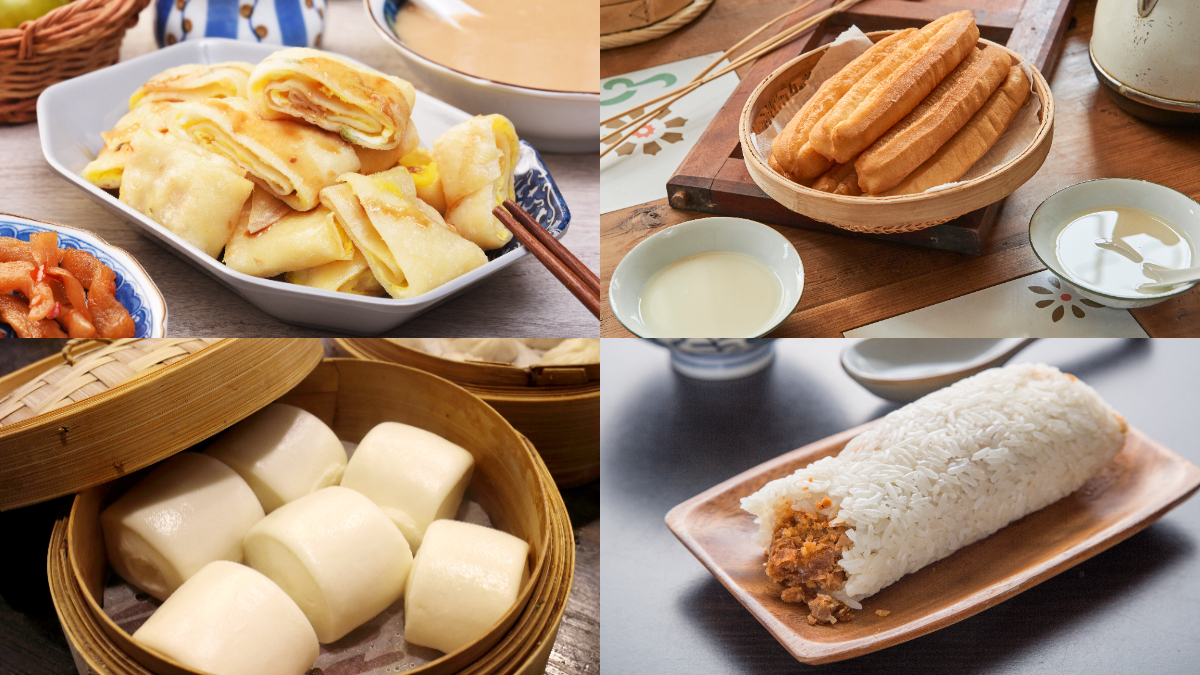
What is the Traditional Chinese Breakfast?
The traditional Chinese breakfast varies by region but often includes a mix of savory and light dishes. Common items are:
See AlsoHow To Learn Maths In Duolingo: Fast Track to Number Skills in 2025- Congee (rice porridge) served with pickles, preserved eggs, or meat.
- Youtiao (deep-fried dough sticks), often dipped in soy milk or congee.
- Steamed buns (baozi) filled with pork, vegetables, or red bean paste.
What are the Regional Breakfast Differences in China?
China's vast geography leads to diverse breakfast preferences:
- Northern China: Wheat-based foods like jianbing (savory crepes) and mantou (plain steamed buns).
- Southern China: Rice-centric dishes like cheung fun (rice noodle rolls) and zongzi (sticky rice dumplings).
- Eastern China: Soups like wonton soup or xiaolongbao (soup dumplings).
Why is Congee a Staple Breakfast in China?
Congee is a versatile and comforting dish enjoyed nationwide due to its simplicity and adaptability:
- Easily digestible, making it ideal for mornings.
- Customizable with toppings like century eggs, pork floss, or scallions.
- Often paired with youtiao for a balanced meal.
How Important is Street Food for Breakfast in China?
Street food plays a crucial role in Chinese breakfast culture, offering quick and flavorful options:
- Jianbing: A crispy crepe with egg, sauces, and fillings, popular in cities.
- Soy milk and youtiao: A classic combo sold by street vendors.
- Sticky rice balls: Portable and sweet or savory, common in southern regions.
What are Modern Breakfast Trends in China?
Urbanization has introduced new breakfast trends while retaining traditional roots:
- Western influences: Toast, eggs, and coffee in metropolitan areas.
- Convenience foods: Pre-packaged buns or porridge for busy commuters.
- Health-conscious options: Whole-grain congee or vegetable-filled baozi.
What are the fillings for jianbing?
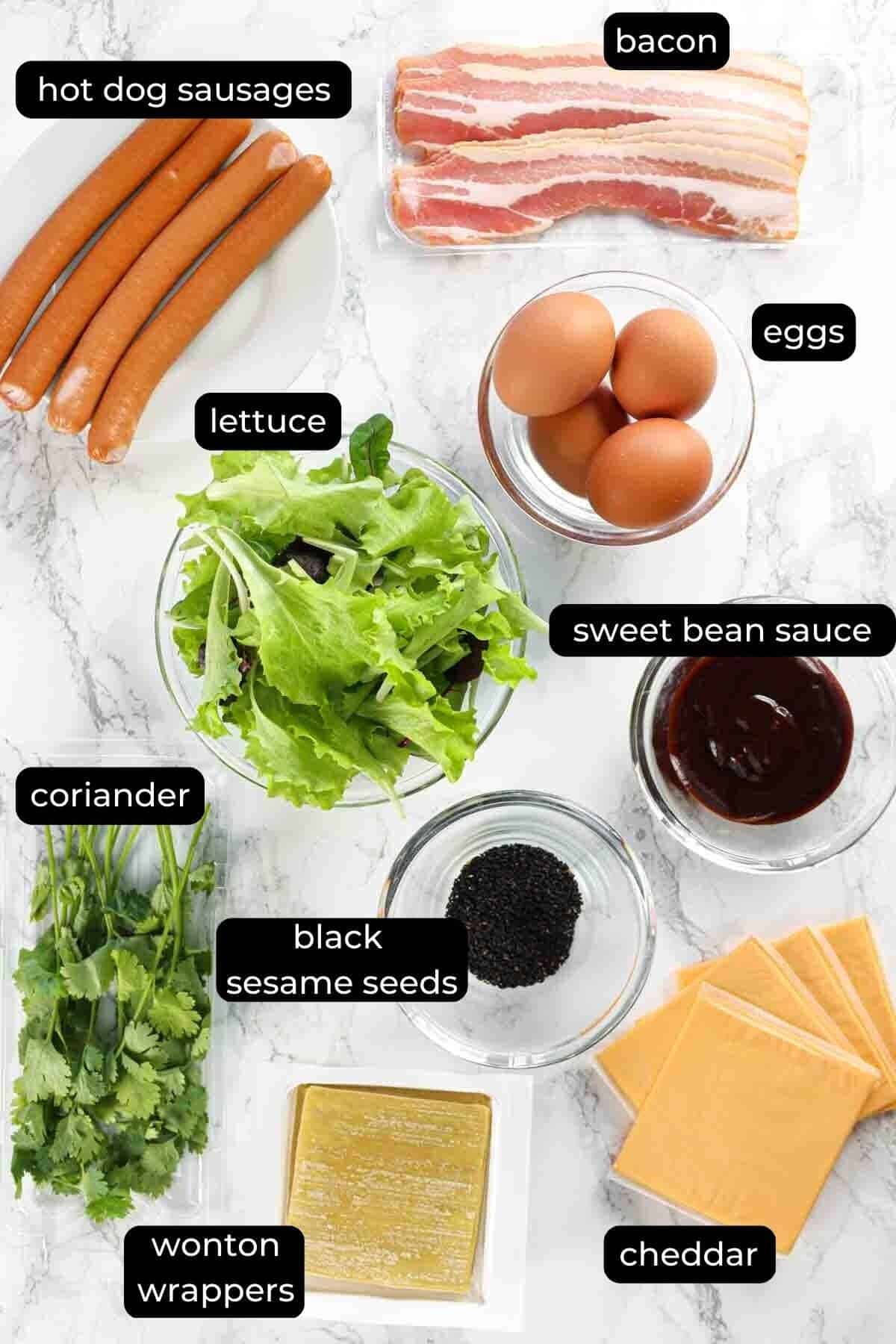
Traditional Fillings for Jianbing
Jianbing, a popular Chinese street food, typically includes a combination of savory and crispy ingredients. The traditional fillings often consist of:
- Egg: Spread evenly over the crepe for a rich, fluffy texture.
- Scallions: Finely chopped for a fresh, aromatic kick.
- Cilantro: Adds a bright, herbal note to balance the flavors.
- Hoisin sauce or chili paste: Provides a sweet, spicy, or umami depth.
- Crispy wonton crackers: Crushed for a satisfying crunch.
Modern Variations of Jianbing Fillings
Contemporary twists on jianbing incorporate non-traditional ingredients to cater to diverse tastes. Common modern fillings include:
- Cheese: Melted or shredded for a creamy contrast.
- Ham or bacon: Adds a smoky, salty element.
- Avocado: Sliced for a buttery, healthy twist.
- Kimchi: Fermented cabbage for tangy heat.
- Sweet corn: Offers a subtle sweetness and texture.
Vegetarian-Friendly Jianbing Fillings
For vegetarians, jianbing can be customized with plant-based ingredients without sacrificing flavor. Popular options include:
- Tofu: Fried or scrambled for protein.
- Mushrooms: Sautéed for a meaty texture.
- Pickled vegetables: Adds acidity and crunch.
- Peanut butter: A surprising but delicious creamy addition.
- Sesame seeds: Toasted for nutty aroma.
Protein-Packed Jianbing Fillings
To make jianbing more filling, high-protein ingredients are often added. These include:
- Shredded chicken: Marinated for extra flavor.
- Ground pork: Seasoned and cooked until crispy.
- Beef strips: Thinly sliced and stir-fried.
- Fried egg: Doubled up for extra richness.
- Tuna: Flaked and mixed with mayo.
Sweet Jianbing Fillings for Dessert Lovers
Though rare, sweet jianbing versions exist, featuring dessert-inspired fillings such as:
- Nutella: Spread thinly for a chocolate-hazelnut taste.
- Condensed milk: Drizzled for sweetness.
- Fresh fruit: Sliced bananas or strawberries.
- Red bean paste: A traditional Asian sweet filling.
- Powdered sugar: Dusted lightly for a simple treat.
What does jianbing mean in Chinese?

The Definition of Jianbing in Chinese
Jianbing is a traditional Chinese street food, often referred to as a savory crepe or pancake. The term jianbing (煎饼) translates directly to fried pancake in English. It is a popular breakfast item in China, especially in northern regions like Shandong and Tianjin. The dish is made by spreading a thin batter on a hot griddle, adding eggs, and then topping it with various ingredients like scallions, cilantro, and sauces.
- Literal meaning: Jian means to fry, and bing means pancake.
- Cultural significance: A staple street food with deep roots in Chinese culinary tradition.
- Popularity: Widely consumed for breakfast or as a quick snack.
The Ingredients Used in Jianbing
Jianbing is made with a simple yet flavorful combination of ingredients. The batter typically consists of wheat and mung bean flour, which gives it a crispy texture. Key toppings include eggs, scallions, cilantro, and hoisin or chili sauce. Some variations may also include crispy wonton crackers or pickled vegetables.
- Batter: Wheat and mung bean flour mixed with water.
- Toppings: Eggs, scallions, cilantro, and sauces.
- Variations: Additional ingredients like wonton crackers or pickled veggies.
The Cooking Process of Jianbing
The preparation of jianbing involves a unique and skillful technique. The batter is spread thinly on a hot griddle, and an egg is cracked on top. The crepe is then flipped and topped with sauces and herbs before being folded into a portable wrap. The process is quick, often taking less than a minute per jianbing.
- Spreading the batter: Thinly and evenly on a hot griddle.
- Adding the egg: Cracked and spread over the batter.
- Folding: Topped with ingredients and folded for easy eating.
Regional Variations of Jianbing
While jianbing is popular across China, different regions have their own twists. For example, Tianjin-style jianbing often includes a crispy cracker, while Shandong versions may be thicker and chewier. Some modern adaptations even incorporate non-traditional ingredients like cheese or ham.
- Tianjin-style: Features a crispy cracker inside.
- Shandong-style: Thicker and chewier texture.
- Modern twists: Includes ingredients like cheese or ham.
Jianbing's Popularity Outside China
In recent years, jianbing has gained international fame, especially in cities with large Chinese communities. Food trucks and restaurants in places like New York and London now offer their own versions of this delicious street food, often adapting it to local tastes while preserving its traditional essence.
- Global reach: Found in cities like New York and London.
- Food trucks: Often serve adapted versions of jianbing.
- Local adaptations: Modified to suit regional preferences.
Frequently Asked Questions (FAQ)
What is jianbing and why is it a popular breakfast in China?
Jianbing is a traditional Chinese street food, often referred to as a savory crepe or Chinese breakfast pancake. Made from a thin batter of wheat and mung bean flour, it is cooked on a griddle, topped with eggs, scallions, cilantro, and a variety of sauces like hoisin or chili paste. The dish is then folded around a crispy fried wonton or you tiao (fried dough stick) for added texture. Its popularity stems from its portability, affordability, and customizable flavors, making it a go-to breakfast for busy commuters across China.
How do I order jianbing from a street vendor in China?
Ordering jianbing from a street vendor is straightforward but requires knowing a few key phrases. Start by saying Yí ge jiānbing (one jianbing) to place your order. Vendors will often ask about preferences, such as spice level (là de for spicy or bú là for non-spicy) or additional toppings like extra eggs (jiā dàn). Payment is usually made via mobile apps like WeChat Pay or Alipay, though cash is still accepted in some places. Observing locals or pointing to ingredients can also help if language is a barrier.
What are the common variations of jianbing across different regions in China?
While the basic jianbing recipe remains consistent, regional variations add unique twists. In Beijing, jianbing is often crispier and includes a sweet bean sauce. Tianjin-style jianbing uses a thicker batter and may include fermented tofu for a tangy flavor. Southern versions, like those in Shanghai, might incorporate pickled vegetables or minced pork. Some modern vendors even offer fusion versions with cheese or ham to cater to diverse tastes. Exploring these variations is a delicious way to experience China's culinary diversity.
Can I make jianbing at home if I don't have access to a street vendor?
Absolutely! Making jianbing at home is possible with a few key ingredients and tools. You'll need wheat and mung bean flour for the batter, a non-stick pan or crepe maker, and toppings like eggs, scallions, and sauces. The trick lies in spreading the batter thinly and cooking it quickly over medium-high heat. While replicating the exact texture of street-style jianbing can be challenging, homemade versions can still be delicious. Online tutorials and pre-made jianbing kits are also available for beginners.
Leave a Reply
Related Posts