
Chinese Dancing Aunties: Harmless Pastime or Something More Sinister?

In cities across China, groups of middle-aged women, known as dancing aunties, gather in public squares to perform synchronized routines to loud music. While many view this as a harmless cultural pastime, others argue it’s a disruptive force—causing noise complaints, occupying public spaces, and even sparking conflicts. The phenomenon has ignited debates about urban etiquette, generational divides, and the right to communal expression. Are these dancers simply embracing fitness and camaraderie, or does their growing presence signal deeper societal tensions? This article explores the dual perceptions of China’s dancing aunties, questioning whether they represent joyful tradition or a more contentious urban challenge.
Chinese Dancing Aunties: Harmless Pastime or Something More Sinister?
The Cultural Significance of Chinese Dancing Aunties
The phenomenon of Chinese Dancing Aunties refers to groups of middle-aged and elderly women who gather in public spaces to perform synchronized dances, often to loud music. This practice has deep roots in Chinese community culture, serving as both exercise and social bonding. While many see it as a harmless tradition, others argue it disrupts urban life. The dances often incorporate elements of traditional Chinese music and movements, reflecting a blend of modern and historical influences.
| Aspect | Description |
|---|---|
| Origin | Emerged in the 1990s as a form of public exercise. |
| Participants | Primarily middle-aged and elderly women. |
| Music | Traditional and modern Chinese pop songs. |
Public Space Conflicts and Noise Complaints
One of the biggest controversies surrounding the Chinese Dancing Aunties is their use of public spaces, such as parks and squares, which often leads to noise complaints from residents. The loud music and large groups can disrupt nearby communities, sparking debates over urban etiquette. Some cities have imposed strict regulations, including time restrictions and volume limits, to mitigate these issues.
See AlsoLe in Chinese Grammar: Emphasise Adjectives| Issue | Response |
|---|---|
| Noise Pollution | Local governments enforce sound limits. |
| Space Occupation | Designated areas assigned for dancing. |
Proponents argue that the dancing aunties gain significant health benefits, including improved cardiovascular fitness and mental well-being. However, critics claim the activity causes social disruption, especially in densely populated areas. The debate highlights the tension between individual wellness and community harmony.
| Benefit | Criticism |
|---|---|
| Physical Exercise | Public disturbances. |
| Social Interaction | Noise and congestion. |
Government Regulations and Public Reactions
Chinese authorities have introduced regulations to manage the dancing aunties, including fines for excessive noise and designated dancing zones. While some appreciate these measures, others view them as an overreach into personal freedoms. The public reaction remains divided, with some supporting stricter rules and others defending the tradition.
| Regulation | Public Opinion |
|---|---|
| Noise Control Laws | Mixed reactions. |
| Time Restrictions | Some comply, others resist. |
Media Portrayal and Stereotypes
The media often portrays the dancing aunties as either cultural icons or public nuisances, reinforcing stereotypes. Some outlets highlight their vibrant energy, while others focus on conflicts with residents. This dichotomy shapes how the phenomenon is perceived both domestically and internationally.
See AlsoHandwriting Chinese characters: The minimum requirements| Media Angle | Impact |
|---|---|
| Positive Coverage | Celebrates cultural heritage. |
| Negative Coverage | Fuels public backlash. |
Why do Chinese aunties dance?
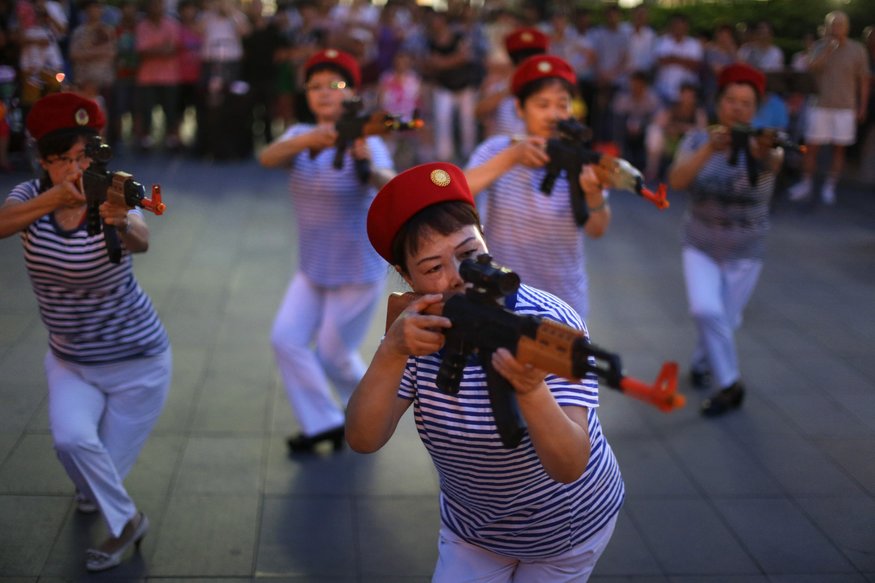
The Cultural Significance of Chinese Aunties' Dancing
Chinese aunties, often referred to as dancing grannies or square dancing aunties, engage in group dancing as a deeply rooted cultural activity. This practice is more than just exercise; it reflects traditional values and community bonding.
- Social interaction: Dancing provides a platform for older women to connect and combat loneliness.
- Preservation of tradition: Many dances incorporate folk music and movements passed down through generations.
- Public space utilization: Parks and squares become vibrant hubs for cultural expression.
Health Benefits Behind the Dancing Phenomenon
The dancing routines of Chinese aunties are not just for fun; they offer significant health advantages, especially for older adults.
See Also5 ‘Easy’ Chinese Tongue Twisters You Need to Know in Mandarin- Physical fitness: Regular dancing improves cardiovascular health and flexibility.
- Mental well-being: The activity reduces stress and enhances cognitive function.
- Low-impact exercise: Gentle movements make it accessible for all ages.
Why Dancing is a Preferred Leisure Activity
For many Chinese aunties, dancing is a cost-effective and enjoyable way to spend their free time.
- Affordability: No expensive gym memberships are required.
- Flexibility: Groups often dance at convenient times, like early mornings or evenings.
- Inclusivity: Anyone can join, regardless of skill level.
The Role of Music in Chinese Aunties' Dancing
Music is a central element in these dance sessions, often featuring patriotic tunes or traditional melodies.
- Nostalgia: Many songs evoke memories of their youth.
- Rhythm and coordination: Upbeat tracks help maintain synchronized movements.
- Cultural pride: Lyrics often celebrate Chinese heritage.
Controversies and Public Perception
While widely popular, the dancing aunties sometimes face criticism for noise complaints or public space disputes.
See AlsoSimilar Characters : Test Your Chinese- Noise levels: Loud music can disturb nearby residents.
- Space conflicts: Competing uses of parks lead to tensions.
- Generational divide: Younger generations may view the practice as disruptive.
What is the noisy dancing Grannies China?
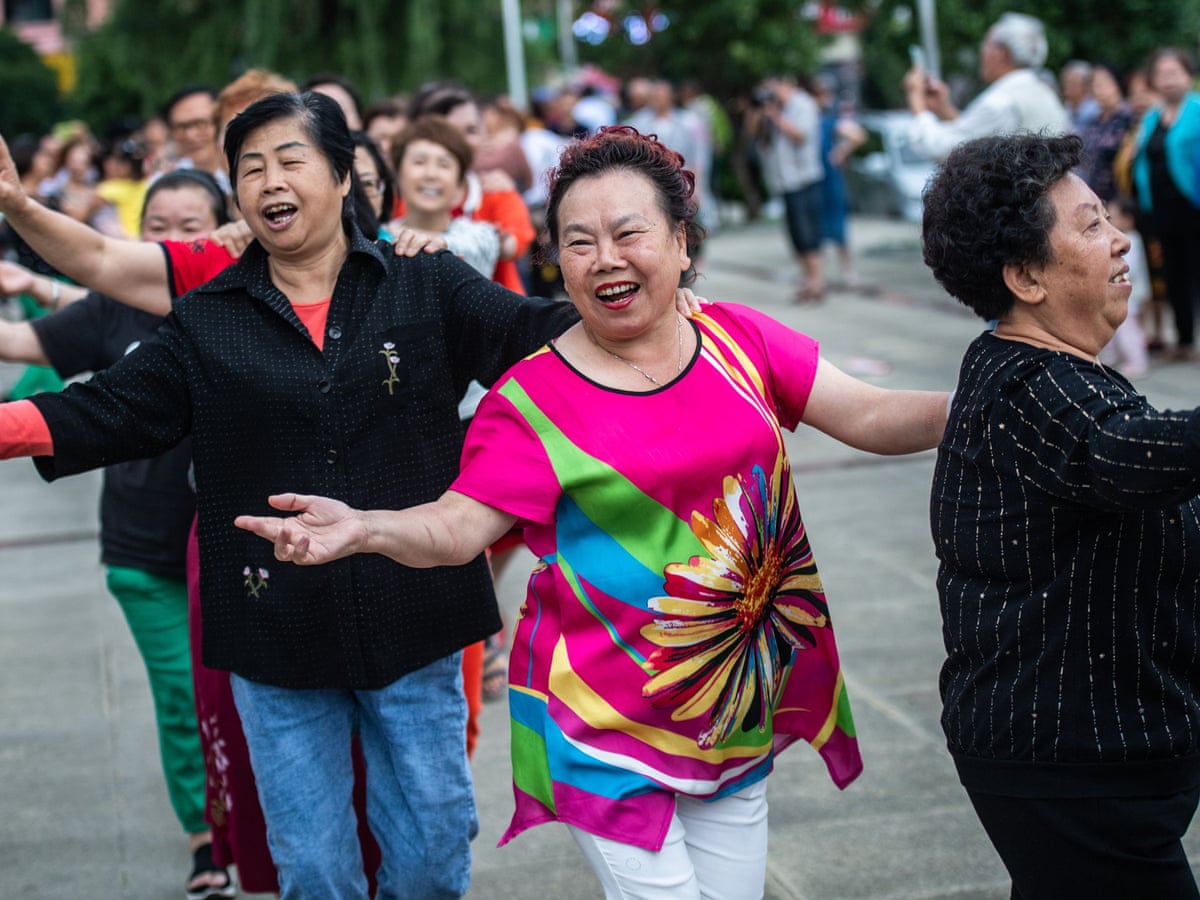
Who Are the Noisy Dancing Grannies in China?
The Noisy Dancing Grannies refer to groups of middle-aged and elderly women in China who gather in public spaces, such as parks or squares, to perform loud, synchronized dances. These gatherings are a cultural phenomenon known as Guangchang Wu (广场舞), or square dancing. The participants, often retirees, use portable speakers to play music while dancing in unison.
- Cultural Significance: The dances serve as a form of social bonding and exercise for older women.
- Music and Style: The routines often feature traditional Chinese songs, pop music, or disco beats.
- Public Controversy: The loud music has led to complaints from residents about noise pollution.
Why Are the Dancing Grannies Considered Noisy?
The term noisy stems from the high-volume music played during their dance sessions, which often disrupts nearby communities. Many participants use large speakers to amplify the sound, leading to conflicts with residents, especially in urban areas.
- Noise Complaints: Local authorities have received numerous reports about disturbances caused by the loud music.
- Time of Activity: Some groups dance early in the morning or late at night, exacerbating the issue.
- Legal Measures: Certain cities have imposed noise restrictions or designated specific zones for dancing.
What Types of Dances Do the Grannies Perform?
The dancing grannies perform a mix of traditional and modern routines, often incorporating simple, repetitive movements. The choreography is designed to be easy to follow, allowing large groups to participate.
- Traditional Folk Dances: Some routines include Chinese fan dances or ethnic minority styles.
- Modern Influences: Many groups adapt K-pop, disco, or aerobics-inspired moves.
- Group Coordination: Leaders often guide the dancers using megaphones or hand signals.
How Has the Government Responded to the Dancing Grannies?
The Chinese government has taken mixed approaches to regulate the dancing grannies, balancing cultural expression with public order. Some measures include designated dancing zones and noise level limits.
- Zoning Policies: Cities like Beijing have created specific areas for public dancing.
- Noise Regulations: Laws now cap decibel levels during certain hours.
- Community Mediation: Local officials sometimes mediate disputes between dancers and residents.
What Role Do the Dancing Grannies Play in Chinese Society?
The dancing grannies represent a unique social movement among China’s aging population, promoting health, community, and cultural preservation. However, their activities also highlight generational and urban-rural divides.
- Health Benefits: The dances provide low-impact exercise for older adults.
- Social Networks: Many participants form close-knit groups, reducing loneliness.
- Generational Tensions: Younger generations sometimes view the practice as disruptive or outdated.
Why do Chinese people dance in the morning?

Cultural Tradition and Community Bonding
Morning dancing in China is deeply rooted in cultural tradition and serves as a way to strengthen community bonds. Many participants, especially older adults, gather in public spaces like parks or squares to engage in synchronized movements.
- Group activities foster social connections and reduce loneliness.
- Traditional dances, such as square dancing (广场舞), reflect China's collective culture.
- Morning sessions align with the Chinese philosophy of harmony with nature by starting the day actively.
Health Benefits and Physical Exercise
The practice emphasizes physical well-being, offering a low-impact workout suitable for all ages. Dancing in the morning helps improve cardiovascular health and flexibility.
- Routine exercise boosts energy levels for the day.
- It aids in maintaining joint mobility and preventing age-related stiffness.
- The rhythmic movements enhance mental clarity and reduce stress.
Government Promotion of Public Health
Chinese authorities encourage morning dancing as part of national health campaigns. Public spaces are often designated for these activities to promote active lifestyles.
- Initiatives like the Fitness for All program support group exercises.
- Local governments provide sound systems and organize events.
- Policies aim to reduce healthcare costs by preventing chronic diseases.
Retirement and Leisure Activity
For retirees, morning dancing fills leisure time with purpose. It offers structure and a sense of achievement post-retirement.
- Retirees often seek social engagement after leaving the workforce.
- Dancing provides a creative outlet and emotional fulfillment.
- It’s a cost-effective way to stay active without gym memberships.
Noise and Urban Culture Dynamics
While popular, morning dancing sometimes sparks urban disputes due to noise. Balancing community enjoyment with residents' peace remains a challenge.
- Loud music from portable speakers can lead to complaints.
- Some cities enforce time restrictions or volume limits.
- Debates highlight generational differences in public space usage.
Why are there so many exercise dancers in China?

The Influence of Government Health Campaigns
The Chinese government has actively promoted public health initiatives to encourage physical activity among citizens. Programs like the National Fitness Program emphasize group exercises, making dance a popular choice. Here’s why:
- Policy support: Local governments organize free dance sessions in parks and public squares.
- Community engagement: These activities foster social bonds while improving health.
- Accessibility: Low-cost or free classes make it easy for people of all ages to participate.
Cultural Tradition of Group Activities
China has a long-standing tradition of collective exercises, such as tai chi and square dancing (guangchang wu). This cultural preference explains the popularity of exercise dancing:
- Historical roots: Group dances date back to folk traditions and communal celebrations.
- Social cohesion: Dancing in groups aligns with Confucian values of harmony.
- Intergenerational appeal: Older generations lead, while younger ones join in.
Urbanization and Public Spaces
The rapid growth of cities has created ideal environments for group dancing. Parks and plazas serve as hubs for exercise dancers due to:
- Ample space: Urban planning includes large open areas for recreational use.
- Convenience: Proximity to residential areas encourages participation.
- Safety: Well-lit public spaces allow for evening sessions.
Health Benefits and Aging Population
With a growing aging population, exercise dancing offers physical and mental benefits:
- Low-impact workout: Gentle movements suit older adults.
- Mental well-being: Reduces loneliness and stress.
- Chronic disease prevention: Helps manage conditions like diabetes and hypertension.
Media and Celebrity Endorsements
Television and social media have amplified the trend, with influencers and celebrities promoting dance fitness:
- Viral challenges: Platforms like Douyin (TikTok) popularize dance routines.
- Celebrity instructors: Famous trainers lead online classes.
- National events:
Large-scale dance competitions are broadcast nationwide.
Frequently Asked Questions (FAQ)
Why are Chinese dancing aunties often seen as controversial?
Chinese dancing aunties, typically middle-aged and elderly women who gather in public spaces to dance, have sparked debates due to their noise levels and use of public areas. While many view these gatherings as a harmless form of exercise and socialization, others argue they disrupt neighborhoods by blaring loud music and occupying parks or sidewalks. The controversy often stems from generational and cultural clashes, as younger residents or those with different lifestyles may find the activities intrusive. Additionally, some critics label the phenomenon as a nuisance, leading to tensions over public space usage.
What cultural significance do these dancing groups hold in China?
The dancing aunties phenomenon reflects broader cultural and social trends in China, particularly among older women seeking community and purpose post-retirement. These groups provide a sense of belonging and an outlet for physical activity, which is crucial in a society where traditional family structures are evolving. The dances often incorporate traditional Chinese music or pop songs, blending nostalgia with modernity. For many participants, it’s not just about dancing—it’s a lifestyle that combats loneliness and promotes health, making it a deeply rooted aspect of urban Chinese culture.
Local governments and law enforcement in China have taken mixed approaches to regulate the dancing aunties. In some areas, authorities have imposed noise restrictions or designated specific zones for dancing to minimize conflicts. There have also been reports of fines or confiscation of equipment in extreme cases. However, other cities have embraced the trend, organizing official events or competitions to channel the energy positively. The response often depends on the level of public complaints and the balance between community harmony and individual freedoms.
Could the dancing aunties trend have a darker side?
While most dancing aunties groups are benign, some critics argue there’s a sinister undercurrent to the phenomenon. Concerns include gang-like behavior among certain groups, where disputes over territory or music volume turn violent. There are also allegations of financial exploitation, with organizers charging fees for participation or equipment. Additionally, the gatherings have been scrutinized for political undertones, as some fear they could be co-opted for propaganda or surveillance. However, these cases are exceptions rather than the norm, and most participants are simply enjoying a leisurely pastime.
Leave a Reply
Related Posts