
Cost of Living in China: Guide for International Students

China has become an increasingly popular destination for international students, offering a unique blend of rich culture, world-class education, and affordable living costs. However, understanding the expenses involved is crucial for effective budgeting. The cost of living in China varies significantly depending on the city, lifestyle, and personal preferences. Major metropolitan areas like Beijing and Shanghai tend to be more expensive, while smaller cities provide a more budget-friendly experience. This guide breaks down key expenses—such as accommodation, food, transportation, and tuition—to help international students plan their finances wisely. Whether you seek luxury or frugality, this article provides essential insights to navigate life in China affordably.
- Cost of Living in China: A Comprehensive Guide for International Students
- What is the average tuition for international students in China?
- Is China a good place for international students?
-
Frequently Asked Questions (FAQ)
- What is the average cost of living for international students in China?
- Are there part-time job opportunities for international students to cover living costs?
- How much does food cost for international students in China?
- What are the additional expenses international students should consider in China?
Cost of Living in China: A Comprehensive Guide for International Students
1. Accommodation Costs in Major Chinese Cities
Accommodation is one of the biggest expenses for international students in China. Costs vary significantly depending on the city and type of housing. In Tier 1 cities like Beijing, Shanghai, and Shenzhen, renting a single apartment can cost between ¥3,000 to ¥6,000 per month. However, university dormitories are a more affordable option, typically ranging from ¥500 to ¥2,000 per month. Shared apartments or homestays can also help reduce costs.
| City | Dormitory (Monthly) | Shared Apartment (Monthly) | Private Apartment (Monthly) |
|---|---|---|---|
| Beijing | ¥800 - ¥2,000 | ¥2,000 - ¥4,000 | ¥4,000 - ¥6,000 |
| Shanghai | ¥1,000 - ¥2,500 | ¥2,500 - ¥4,500 | ¥4,500 - ¥7,000 |
| Chengdu | ¥500 - ¥1,500 | ¥1,500 - ¥3,000 | ¥3,000 - ¥5,000 |
2. Food and Dining Expenses
Food costs in China are relatively affordable, especially if students eat at local restaurants or cook at home. A meal at a budget restaurant can cost around ¥15 to ¥30, while mid-range dining may range from ¥50 to ¥100 per person. Groceries are also inexpensive, with a monthly budget of ¥1,000 to ¥2,000 being sufficient for most students.
See AlsoWhat native speakers know about Chinese (and what they don’t)| Item | Average Cost |
|---|---|
| Local restaurant meal | ¥15 - ¥30 |
| Mid-range restaurant meal | ¥50 - ¥100 |
| Monthly groceries | ¥1,000 - ¥2,000 |
3. Transportation Costs
Public transportation in China is efficient and inexpensive. Metro and bus fares typically range from ¥2 to ¥10 per trip, depending on the city. Monthly transportation passes can cost around ¥100 to ¥300. Taxis and ride-hailing apps like Didi are also affordable, with base fares starting at ¥10 to ¥14.
| Transport Mode | Average Cost |
|---|---|
| Metro/Bus (Single Trip) | ¥2 - ¥10 |
| Monthly Pass | ¥100 - ¥300 |
| Taxi (Base Fare) | ¥10 - ¥14 |
4. Health Insurance and Medical Expenses
Most universities require international students to have health insurance, which typically costs around ¥600 to ¥1,200 per year. Public hospitals are affordable, with consultation fees ranging from ¥50 to ¥200. However, private hospitals and clinics can be significantly more expensive.
| Service | Average Cost |
|---|---|
| University Health Insurance | ¥600 - ¥1,200/year |
| Public Hospital Consultation | ¥50 - ¥200 |
| Private Clinic Visit | ¥300 - ¥800 |
5. Entertainment and Miscellaneous Expenses
Entertainment costs depend on personal preferences. A movie ticket costs around ¥30 to ¥60, while gym memberships range from ¥100 to ¥300 per month. Shopping and leisure activities can add ¥500 to ¥1,500 to monthly expenses.
See AlsoWork in China: How to Find a Job Overseas| Activity | Average Cost |
|---|---|
| Movie Ticket | ¥30 - ¥60 |
| Gym Membership | ¥100 - ¥300/month |
| Monthly Leisure Budget | ¥500 - ¥1,500 |
What is the average tuition for international students in China?
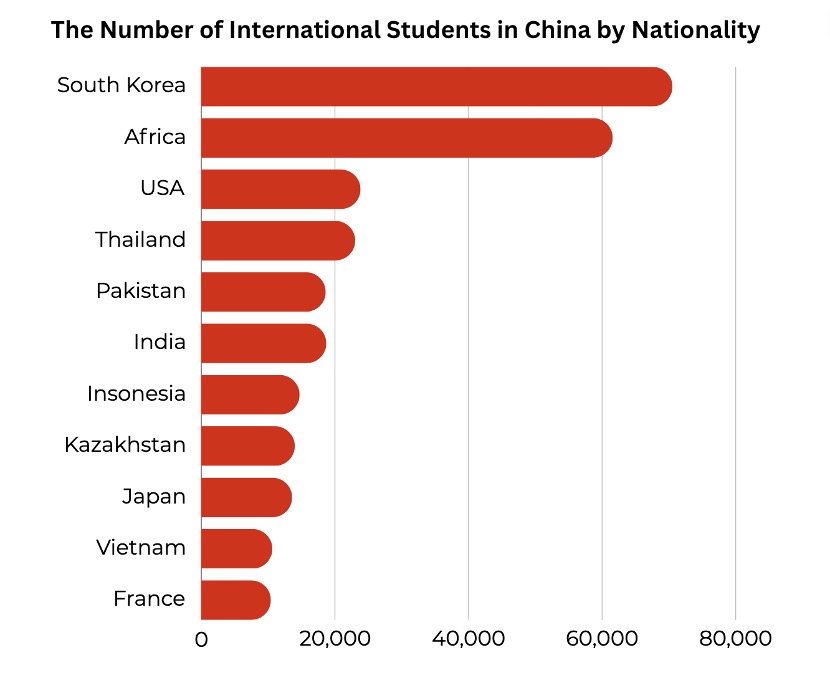
Average Tuition Fees for International Students in China
The average tuition fees for international students in China vary depending on the level of study and institution type. Generally, costs range as follows:
- Undergraduate programs: $2,000 to $10,000 per year.
- Master's programs: $3,000 to $15,000 per year.
- Doctoral programs: $3,500 to $20,000 per year.
Factors Influencing Tuition Costs for International Students
Several factors determine the tuition fees for international students in China:
See AlsoChinese Online Slang- University ranking: Prestigious universities like Tsinghua or Peking charge higher fees.
- Program type: STEM and medical programs often cost more than humanities.
- Location: Tier-1 cities like Beijing and Shanghai have higher tuition rates.
Tuition Fees at Public vs. Private Universities
Public universities in China are generally more affordable than private ones:
- Public institutions: $2,000–$8,000 per year for most programs.
- Private institutions: $5,000–$20,000 per year, with business schools at the higher end.
- Scholarships: Public universities offer more government-funded discounts.
Additional Costs Beyond Tuition
International students should budget for extra expenses while studying in China:
- Accommodation: $300–$1,000 per month, depending on city and housing type.
- Health insurance: $100–$200 annually, mandatory for enrollment.
- Living expenses: $500–$1,200 per month for food, transport, and leisure.
Scholarship Opportunities to Reduce Tuition Costs
China offers various scholarships to help international students cover tuition:
See AlsoLearn Chinese character meaning and pronunciation together- CSC Scholarship: Covers full or partial tuition at public universities.
- Provincial scholarships: Local governments offer discounts based on merit.
- University-specific aid: Some institutions provide waivers for top-performing students.
Is China a good place for international students?
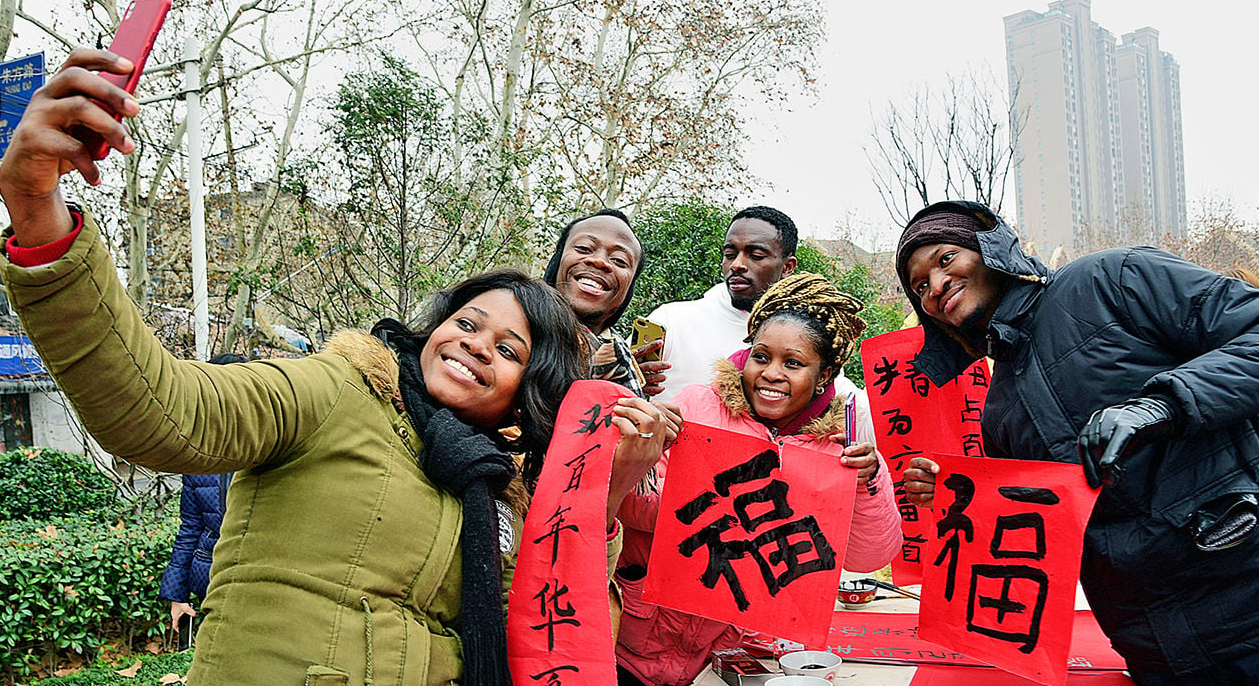
Quality of Education in China
China offers a high-quality education system with many universities ranked among the top globally. Institutions like Tsinghua University and Peking University are renowned for their rigorous academic standards and research opportunities. Here are some key points:
- World-class universities with cutting-edge research facilities.
- Diverse programs taught in English to accommodate international students.
- Strong emphasis on STEM fields, making it ideal for engineering and technology students.
Affordability and Scholarships
Studying in China is often more affordable compared to Western countries, with numerous scholarship opportunities available. Here’s why:
- Low tuition fees compared to the US or UK.
- Government-sponsored programs like the Chinese Government Scholarship.
- Many universities offer tuition waivers or stipends for outstanding students.
Cultural Experience and Diversity
China provides a rich cultural experience with its ancient history and modern cities. International students can immerse themselves in a unique environment:
- Exposure to Chinese traditions, festivals, and language.
- Opportunities to explore diverse regions, from bustling cities to serene countryside.
- A growing international community fostering cross-cultural friendships.
Career Opportunities After Graduation
China’s booming economy opens doors to lucrative career prospects for graduates. Key advantages include:
- Strong job market in sectors like technology, finance, and trade.
- Networking opportunities with multinational companies based in China.
- Post-study work visas allowing graduates to gain experience locally.
Challenges for International Students
While China has many benefits, international students may face some challenges:
- Language barrier outside academic settings, as Mandarin is dominant.
- Cultural adjustment due to differences in social norms and lifestyle.
- Internet restrictions that may limit access to familiar platforms.
Frequently Asked Questions (FAQ)
What is the average cost of living for international students in China?
The average cost of living for international students in China varies depending on the city and lifestyle. In tier-1 cities like Beijing, Shanghai, or Shenzhen, monthly expenses can range between $800 and $1,500, covering accommodation, food, transportation, and leisure. In smaller cities, costs may drop to $500–$1,000 per month. Accommodation is often the biggest expense, with on-campus dorms being cheaper (around $150–$400/month) compared to off-campus apartments ($300–$800/month). Budgeting wisely can help students manage expenses effectively.
Are there part-time job opportunities for international students to cover living costs?
Yes, international students in China can work part-time jobs under certain conditions. The government allows students to work up to 20 hours per week during semesters and full-time during holidays, but they must obtain permission from their university and the immigration office. Common jobs include tutoring English, working in hospitality, or internships in multinational companies. However, earnings ($5–$15/hour) may only cover a portion of living expenses, so students should plan their finances accordingly.
How much does food cost for international students in China?
Food expenses in China are relatively affordable compared to Western countries. On-campus canteens offer meals for as low as $2–$5 per meal, while eating out at local restaurants may cost $3–$10 per dish. Cooking at home can further reduce costs, with monthly grocery bills averaging $100–$200. International students should note that Western-style restaurants or imported goods are significantly pricier, so adapting to local cuisine can help save money.
What are the additional expenses international students should consider in China?
Beyond basic living costs, international students must budget for health insurance (mandatory and costing around $100–$200/year), visa fees ($50–$150), and study materials ($50–$200 per semester). Travel, mobile plans, and leisure activities can add another $100–$300/month. Additionally, students in colder regions should account for winter clothing and heating costs. Planning for these hidden expenses ensures a smooth financial experience while studying in China.
Leave a Reply
Related Posts