
Dos and Don’ts of Chinese Hand Gestures

Understanding Chinese hand gestures is essential for effective communication and cultural respect in China. While some gestures may seem universal, their meanings can vary significantly across cultures. This article explores the key dos and don’ts of Chinese hand gestures to help you avoid misunderstandings and show cultural sensitivity. From polite invitations to offensive signals, knowing the right gestures can enhance your interactions in business, travel, or daily life. Whether you're a visitor or conducting business in China, mastering these subtle yet important cues will ensure smoother communication and foster positive relationships. Let’s dive into the gestures that can make or break your experience in China.
Dos and Don'ts of Chinese Hand Gestures
1. The Proper Way to Greet with Hand Gestures
In China, a slight nod accompanied by a soft handshake is a common and respectful way to greet someone. Avoid overly firm handshakes, as they may be perceived as aggressive. Instead, maintain a gentle grip and moderate eye contact. When greeting elders or superiors, a slight bow can also show respect. Never use pointing gestures directly at someone, as it is considered rude.
| Do | Don't |
|---|---|
| Use a soft handshake | Use a firm or aggressive grip |
| Nod slightly | Point directly at someone |
2. Gestures to Avoid in Formal Settings
Certain hand gestures are considered offensive or disrespectful in Chinese culture. For example, pointing with one finger is impolite—use an open hand instead. Avoid beckoning someone with a finger, as it is seen as demeaning; instead, wave your hand with the palm down. Crossing your arms may be interpreted as defiance or arrogance, so keep your hands relaxed at your sides.
See AlsoCan You Drive in China with Your Overseas License?| Do | Don't |
|---|---|
| Use an open hand to gesture | Point with a single finger |
| Wave with palm down | Beckon with a single finger |
3. Polite Gestures for Dining Etiquette
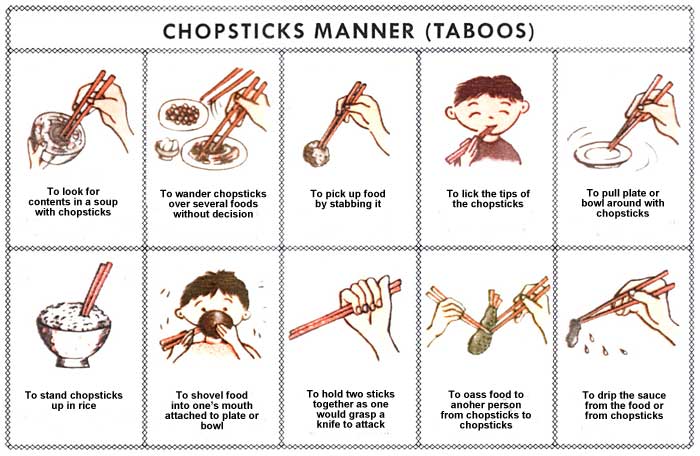
During meals, use both hands when passing dishes or receiving items to show respect. Tapping the table lightly with two fingers is a subtle way to thank someone for pouring tea. However, avoid sticking chopsticks upright in a bowl, as it resembles funeral rituals. Also, refrain from gesturing with utensils, as it can appear careless.
| Do | Don't |
|---|---|
| Pass dishes with both hands | Stick chopsticks upright in rice |
| Tap the table to thank | Wave chopsticks while talking |
4. Positive Gestures in Business Meetings
In professional settings, palms facing upward when speaking conveys openness and honesty. A light hand on the elbow when offering a business card shows respect. Avoid fidgeting or excessive hand movements, as it may signal nervousness or lack of confidence. Nodding occasionally indicates active listening and agreement.
| Do | Don't |
|---|---|
| Show palms to appear open | Fidget or make erratic gestures |
| Use both hands for business cards | Cross arms during discussions |
5. Cultural Taboos in Hand Gestures
Some gestures carry negative connotations in China. For instance, thumbs-up is generally positive but can be misinterpreted in certain contexts. The OK sign (thumb and forefinger circle) is offensive, as it symbolizes zero or worthlessness. Counting with fingers differs from Western methods—use an open hand instead of folding fingers.
See AlsoReview: The Phonology of Standard Chinese| Do | Don't |
|---|---|
| Use open-handed counting | Make the OK hand sign |
| Clarify thumbs-up meaning | Use unfamiliar finger symbols |
What are 5 rules of etiquette in Chinese culture?
Respecting Elders and Hierarchy
In Chinese culture, showing respect to elders and acknowledging hierarchy is crucial. This is reflected in various social interactions:
- Always greet elders first in a group setting.
- Use formal titles (e.g., Uncle, Aunt) instead of first names.
- Offer your seat to elders in public transport as a sign of deference.
Proper Dining Etiquette
Chinese dining etiquette emphasizes politeness and shared harmony during meals:
See AlsoHua Mulan: The True Story Behind The Legend- Wait for the eldest or host to start eating before you begin.
- Use chopsticks correctly—never stick them upright in rice (resembles funeral rites).
- Serve others before yourself, showing generosity.
Gift-Giving Customs
Gifts are a significant part of Chinese culture, but there are unspoken rules to follow:
- Avoid giving clocks or sharp objects—they symbolize bad luck or separation.
- Present gifts with both hands as a sign of respect.
- Refuse a gift politely once or twice before accepting to show humility.
Communication and Body Language
Non-verbal cues and indirect communication are highly valued:
- Maintain moderate eye contact—too much can seem aggressive.
- Avoid pointing with fingers—use an open hand instead.
- Nodding or smiling doesn’t always mean agreement—it may just signal politeness.
Visiting Someone's Home
When visiting a Chinese household, certain gestures are expected:
- Remove your shoes before entering unless told otherwise.
- Bring a small gift, like fruit or tea, to show appreciation.
- Avoid overstaying your welcome—leave before the host seems tired.
What is Chinese hand etiquette?

Understanding Chinese Hand Gestures
In Chinese culture, hand gestures carry significant meaning and are often used to convey respect, politeness, or even disapproval. Here are some key points:
- Handshakes are common in business settings but should be gentle, not overly firm.
- Avoid pointing with a single finger; use an open hand instead to show respect.
- Passing items with both hands signals courtesy and attentiveness.
Proper Hand Positioning in Greetings
When greeting someone in China, hand positioning matters to show respect. Consider the following:
- Place your hands at your sides or clasp them lightly in front when bowing slightly.
- Never place hands in pockets during greetings, as it is seen as disrespectful.
- For formal occasions, a slight hand wave with a smile is acceptable.
Hand Etiquette During Meals
Dining etiquette in China includes specific hand-related customs to observe:
- Hold chopsticks correctly; avoid sticking them upright in rice, as it resembles funeral rites.
- Use a serving spoon or chopsticks to transfer food, not your personal utensils.
- Accept tea or dishes with both hands to show gratitude.
Taboo Hand Gestures in China
Certain hand gestures are considered offensive in Chinese culture. Be mindful of these:
- Avoid using the middle finger or pointing aggressively, as it is highly disrespectful.
- Beckoning someone with a palm-down wave is impolite; use a palm-up motion instead.
- Never use hands to touch someone’s head, as it is seen as invasive.
Hand Etiquette in Business Settings
In professional environments, hand etiquette plays a crucial role in building relationships:
- Offer and receive business cards with both hands as a sign of respect.
- Maintain a moderate handshake—avoid being too forceful or too limp.
- Refrain from excessive gesturing, as it may be perceived as unprofessional.
Frequently Asked Questions (FAQ)
What are some common Chinese hand gestures to avoid?
In Chinese culture, certain hand gestures can be considered offensive or inappropriate. For example, pointing directly at someone with your index finger is seen as rude—instead, use an open hand to gesture politely. Another gesture to avoid is making a fist with your thumb tucked between your index and middle fingers, as it symbolizes disrespect or even a curse. Additionally, avoid using excessive hand movements when speaking, as it can come across as aggressive or unprofessional in formal settings.
Which hand gestures are polite and respectful in China?
Politeness in Chinese gestures often involves subtlety and modesty. For instance, when handing an item to someone, use both hands to show respect—this is especially important with elders or superiors. A slight nod or a gentle hand wave can also convey friendliness without being overly expressive. Additionally, the praying hands gesture (placing palms together lightly) is sometimes used to express gratitude or apology, though it’s more common in Buddhist contexts.
Why is the number eight gesture considered lucky in China?
The number eight (八) is highly auspicious in Chinese culture because its pronunciation, bā, sounds similar to the word for prosperity (发, fā). To gesture the number eight, extend your thumb and index finger at a 90-degree angle, resembling the character 八. This gesture is often used in celebrations, business deals, or weddings to symbolize good fortune and success. Conversely, avoid gestures associated with the number four (like holding up four fingers), as it sounds like the word for death (死, sǐ) and is considered unlucky.
How do hand gestures vary between formal and informal settings in China?
In formal situations, such as business meetings or ceremonies, gestures should be restrained and deliberate to convey professionalism. Avoid overly animated movements, and prioritize gestures like the two-handed handshake or a slight bow. In informal settings, such as among friends, gestures can be more relaxed—like a thumbs-up to show approval or a light pat on the back. However, even in casual contexts, be mindful of cultural taboos, such as touching someone’s head, which is seen as disrespectful due to its symbolic importance in Chinese philosophy.
Leave a Reply
Related Posts