
12 Amazing Facts About Chinese Food Culture

Chinese food culture is a rich tapestry woven with centuries of history, regional diversity, and profound symbolism. From the fiery spices of Sichuan to the delicate dim sum of Cantonese cuisine, each dish tells a story of tradition, innovation, and communal values. Beyond its tantalizing flavors, Chinese culinary practices reflect philosophical principles like balance and harmony, deeply rooted in Yin and Yang. Whether it’s the significance of noodles for longevity or the artistry of Peking duck, food in China is far more than sustenance—it’s a celebration of life. Discover 12 fascinating facts that unveil the depth and brilliance of this enduring culinary heritage.
12 Amazing Facts About Chinese Food Culture
1. The Origins of Chinese Cuisine Date Back Thousands of Years
Chinese food culture has a rich history that spans over 5,000 years, making it one of the oldest culinary traditions in the world. Ancient Chinese dynasties, such as the Shang and Zhou, laid the foundation for cooking techniques and flavor profiles still used today. Staple ingredients like rice, soybeans, and millet were cultivated early on, shaping regional cuisines.
| Dynasty | Key Contributions |
|---|---|
| Shang (1600–1046 BCE) | Early use of fermented foods like soy sauce |
| Zhou (1046–256 BCE) | Development of ritual feasts and food etiquette |
2. Regional Diversity Defines Chinese Food
China’s vast geography has led to eight major culinary traditions, including Sichuan, Cantonese, and Shandong. Each region boasts unique flavors—Sichuan is famous for its spicy dishes, while Cantonese cuisine emphasizes freshness and subtle tastes.
See AlsoWhat Are Duolingo Gems For: Complete Usage Guide| Region | Signature Dish |
|---|---|
| Sichuan | Mapo Tofu (spicy tofu) |
| Guangdong | Dim Sum (steamed dumplings) |
3. Symbolism Plays a Key Role in Chinese Dishes
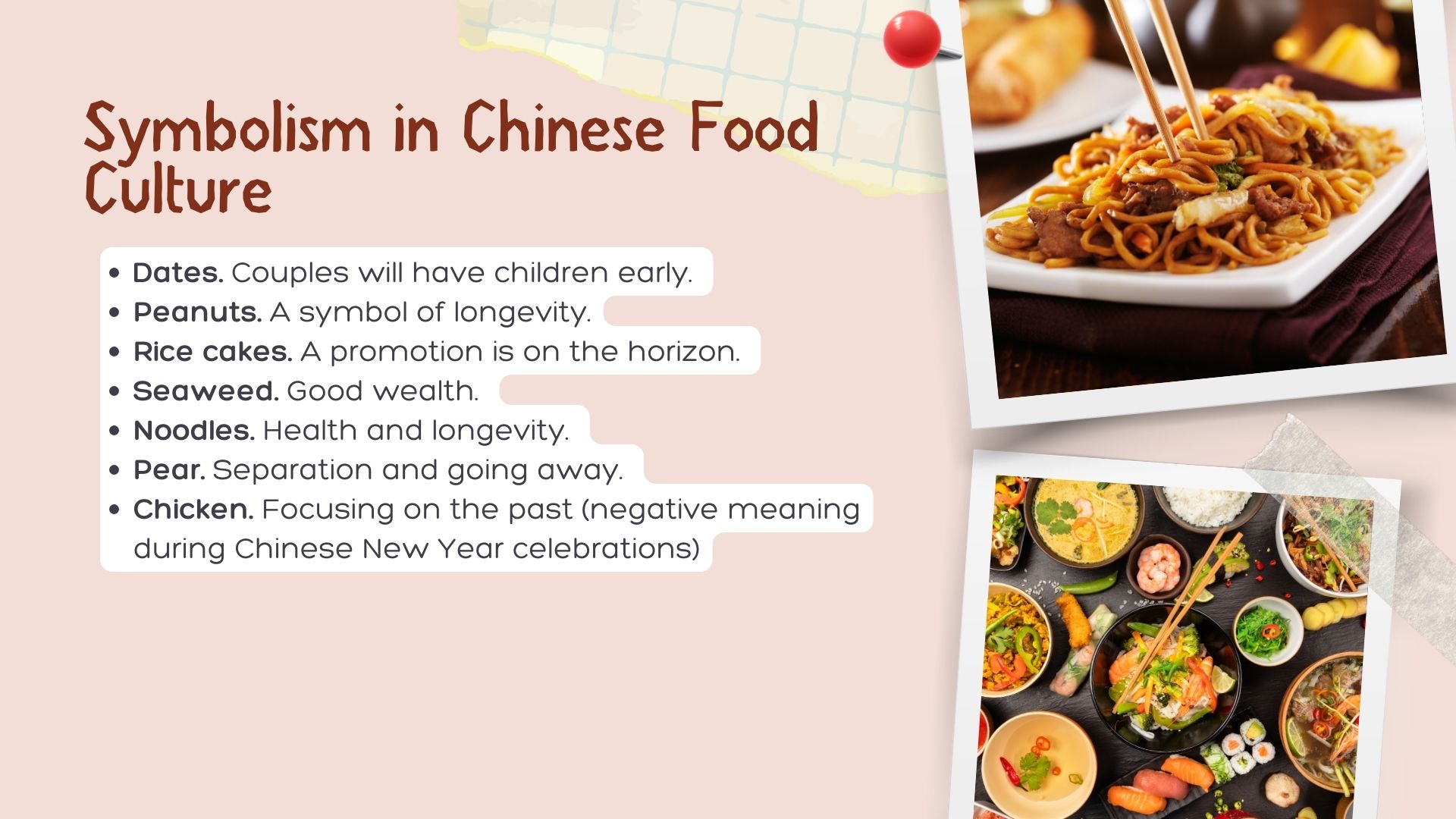
Food in China often carries symbolic meanings. For example, fish represents prosperity, while noodles signify longevity. During festivals like the Lunar New Year, dishes like dumplings symbolize wealth due to their resemblance to ancient currency.
| Food | Symbolism |
|---|---|
| Fish | Abundance and prosperity |
| Noodles | Long life (never cut them!) |
4. Tea Is Integral to Chinese Dining
Chinese tea culture is deeply tied to meals, with varieties like green tea and oolong aiding digestion. The tea ceremony reflects respect and hospitality, often served before or after eating.
| Tea Type | Pairing |
|---|---|
| Jasmine | Dim Sum |
| Pu-erh | Heavy meats |
5. Chopsticks Have a 3,000-Year History
Invented around 1200 BCE, chopsticks reflect Chinese philosophy—balance and harmony. Unlike Western utensils, they encourage slower eating, aligning with traditional health beliefs.
See AlsoLearning Chinese characters through pictures| Material | Era |
|---|---|
| Bamboo | Ancient times |
| Ivory/Jade | Imperial banquets |
What are some fun facts about Chinese food?
The Origins of Popular Chinese Dishes
Many famous Chinese dishes have fascinating histories. For example:
- Peking Duck dates back to the Ming Dynasty and was originally a royal dish served in the imperial courts.
- Kung Pao Chicken is named after a Qing Dynasty official, Ding Baozhen, who loved spicy food.
- Fortune Cookies, though associated with Chinese cuisine, were actually invented in California, USA.
Regional Diversity in Chinese Cuisine
China's vast geography leads to distinct regional flavors:
See AlsoBest AI-Powered Chatbot Apps to Help You Learn Chinese- Sichuan cuisine is famous for its bold, spicy flavors, thanks to Sichuan peppercorns.
- Cantonese cuisine focuses on fresh ingredients and subtle seasoning, often steamed or stir-fried.
- Shandong cuisine emphasizes seafood and salty, savory tastes, with a history dating back 2,500 years.
Unique Ingredients in Chinese Cooking
Chinese cuisine uses some unusual ingredients that may surprise you:
- Century eggs are preserved in clay, ash, and quicklime for weeks, turning the yolk dark green.
- Bird's nest soup is made from solidified swiftlet saliva, considered a delicacy.
- Stinky tofu is fermented tofu with a strong odor but a beloved taste in many regions.
Chinese Food Superstitions and Traditions
Food plays a big role in Chinese culture and beliefs:
- Eating long noodles symbolizes longevity, and cutting them is considered bad luck.
- Fish is served whole during New Year celebrations to represent abundance.
- Dumplings resemble ancient Chinese currency, symbolizing wealth and prosperity.
Chinese Food in Global Culture
Chinese cuisine has a massive global influence:
- The world's oldest Chinese restaurant outside China is in Australia, opened in 1898.
- Chop suey was created in the U.S. by Chinese immigrants adapting to local tastes.
- China has the most Michelin-starred restaurants in Asia, showcasing its culinary prestige.
What makes Chinese food unique?
Diverse Regional Cuisines
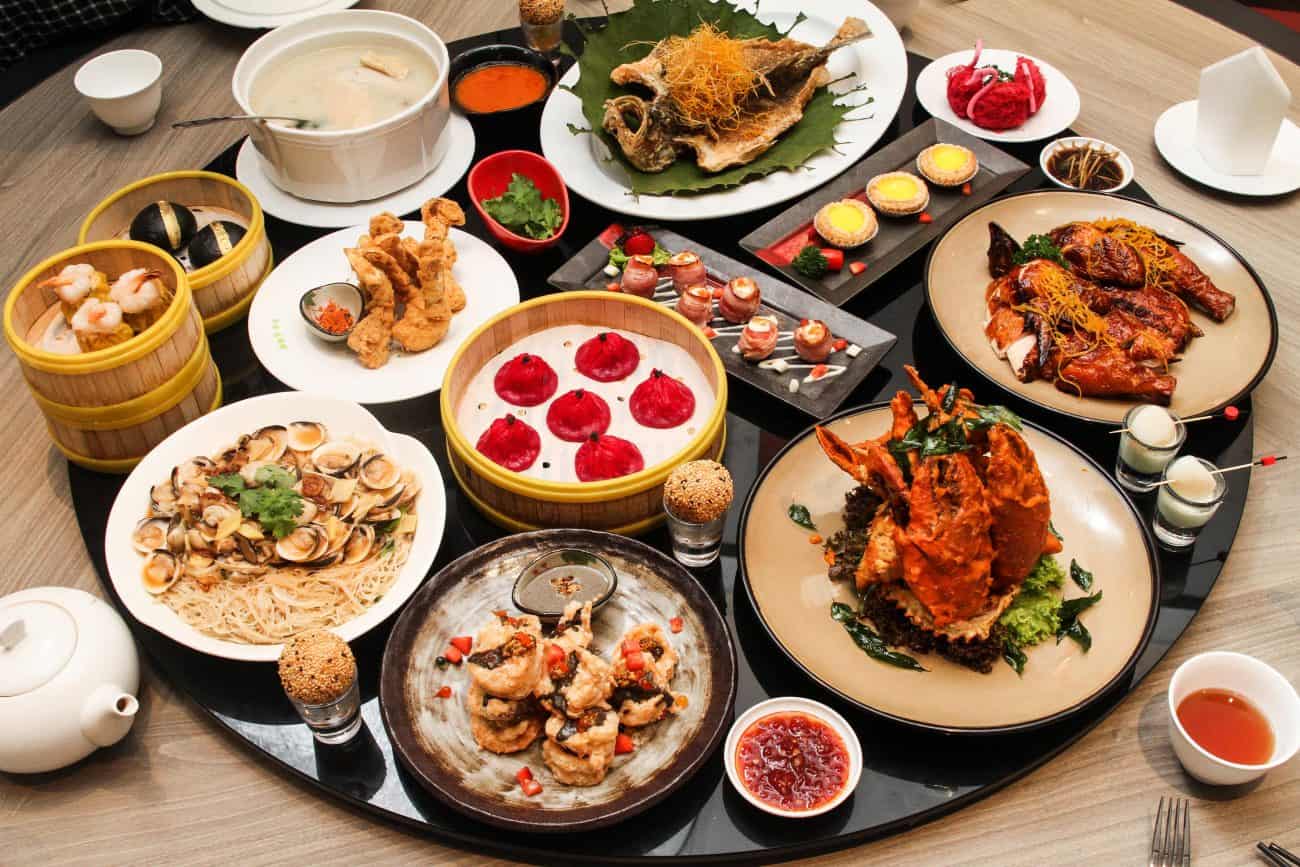
Chinese food is unique due to its diverse regional cuisines, each with distinct flavors, ingredients, and cooking techniques. China's vast geography and cultural differences have led to the development of eight major culinary traditions:
- Sichuan cuisine: Known for its bold, spicy flavors and use of Sichuan peppercorns.
- Cantonese cuisine: Features mild, fresh flavors and emphasizes steaming and stir-frying.
- Shandong cuisine: Focuses on seafood and hearty, salty flavors.
- Jiangsu cuisine: Prioritizes presentation and slightly sweet, delicate tastes.
Use of Fresh Ingredients
The emphasis on fresh ingredients sets Chinese food apart. Chefs prioritize seasonal produce and high-quality proteins, often sourced locally:
- Vegetables: Bok choy, Chinese broccoli, and bamboo shoots are staples.
- Proteins: Pork, chicken, and tofu are commonly used, with seafood in coastal regions.
- Herbs and spices: Ginger, garlic, and scallions are foundational for flavor.
Balanced Flavors and Techniques
Chinese cuisine is renowned for its harmonious balance of flavors and masterful cooking techniques:
- Five key flavors: Sweet, sour, bitter, spicy, and salty are carefully balanced.
- Cooking methods: Stir-frying, steaming, braising, and deep-frying are skillfully applied.
- Texture contrast: Dishes often combine crispy, tender, and chewy elements.
Cultural and Historical Significance
Chinese food reflects thousands of years of history and cultural traditions:
- Imperial influence: Royal courts developed elaborate dishes like Peking duck.
- Philosophical concepts: Yin-yang balance influences ingredient pairings.
- Festival foods: Dumplings and mooncakes carry symbolic meanings.
Adaptability and Global Influence
The adaptability of Chinese cuisine has made it globally popular while maintaining its uniqueness:
- Local variations: Dishes evolve in different countries while keeping core techniques.
- Street food culture: Affordable, flavorful snacks like baozi gained worldwide fame.
- Vegetarian traditions: Buddhist cuisine created innovative meat substitutes centuries ago.
What is special in Chinese food?
Diverse Regional Flavors
Chinese cuisine is renowned for its regional diversity, offering distinct flavors based on geography. From the spicy dishes of Sichuan to the mild, sweet flavors of Cantonese cuisine, each region has unique culinary traditions.
- Sichuan cuisine: Known for bold, spicy, and numbing flavors from peppercorns and chili.
- Cantonese cuisine: Features fresh ingredients, subtle seasoning, and steaming techniques.
- Shandong cuisine: Emphasizes seafood, crispy textures, and salty flavors.
Balanced Yin and Yang Philosophy
Chinese food incorporates the yin-yang balance, ensuring harmony in flavors and health benefits. Ingredients are chosen to complement each other for nutritional and energetic equilibrium.
- Cooling (yin) foods: Cucumber and tofu balance heat in the body.
- Heating (yang) foods: Ginger and garlic add warmth and energy.
- Harmonized meals: Soups and stir-fries combine both elements for balance.
Unique Cooking Techniques
Chinese culinary methods are varied and intricate, enhancing texture and taste. Techniques like stir-frying and red-braising preserve nutrients while maximizing flavor.
- Stir-frying: Quick cooking over high heat retains crispness and color.
- Red-braising: Slow simmering in soy sauce and spices creates rich, tender dishes.
- Steaming: Preserves natural flavors and nutrients, common in dim sum.
Use of Fresh and Seasonal Ingredients
Chinese cuisine prioritizes freshness and seasonality, ensuring optimal taste and nutrition. Markets often feature live seafood and just-harvested vegetables.
- Live seafood: Fish, crabs, and shellfish cooked immediately for peak flavor.
- Seasonal vegetables: Bamboo shoots in spring, lotus root in autumn.
- Herbs and spices: Fresh cilantro, scallions, and ginger enhance dishes.
Cultural Significance and Symbolism
Food in China carries deep cultural meaning, often symbolizing luck, prosperity, or unity. Dishes are chosen for festivals and family gatherings based on symbolism.
- Dumplings: Represent wealth, shaped like ancient silver ingots.
- Long noodles: Signify longevity, eaten uncut on birthdays.
- Whole fish: Symbolizes abundance, served head-to-tail for unity.
Frequently Asked Questions (FAQ)
What makes Chinese food culture so unique compared to other cuisines?
Chinese food culture stands out due to its diversity, historical depth, and philosophical influences. With over 5,000 years of culinary history, it incorporates regional variations, balancing flavors like sweet, sour, bitter, spicy, and salty. Concepts like Yin and Yang and the importance of harmony in meals further distinguish it. Additionally, the use of fresh ingredients, intricate cooking techniques, and symbolic dishes for festivals make it deeply meaningful.
How does regional diversity influence Chinese cuisine?
China's vast geography leads to eight major regional cuisines, each with distinct flavors and techniques. For example, Sichuan cuisine is famous for its bold spiciness, while Cantonese cuisine emphasizes freshness and mild tastes. Northern regions rely on wheat-based dishes like noodles and dumplings, whereas southern areas prefer rice. This diversity reflects local climates, histories, and available ingredients, creating a rich culinary tapestry.
Why is food symbolism important in Chinese culture?
In Chinese culture, food often carries symbolic meanings tied to prosperity, luck, and tradition. For instance, dumplings resemble ancient currency, symbolizing wealth, while fish represents abundance. During festivals like Lunar New Year, specific dishes are eaten to attract good fortune. This symbolism extends to colors, shapes, and even cooking methods, making meals not just nourishment but also a way to honor cultural values.
What role does tea play in Chinese food culture?
Tea is deeply intertwined with Chinese dining, acting as a digestive aid, social lubricant, and cultural ritual. Different teas, like green tea or oolong, pair with specific dishes to enhance flavors. Traditional tea ceremonies reflect Confucian ideals of respect and harmony. Beyond meals, tea is a symbol of hospitality, often offered to guests as a sign of welcome, showcasing its integral role in daily life and cuisine.
Leave a Reply
Related Posts