
What Are The Levels In Duolingo? Explained Clearly


Duolingo, a popular language-learning platform, organizes its courses into structured levels to help users progress systematically. These levels are designed to build foundational skills, expand vocabulary, and improve fluency over time. Each level introduces new concepts, reinforces previous lessons, and challenges learners with interactive exercises. Understanding how these levels work can enhance your learning experience, allowing you to track progress and set achievable goals. Whether you're a beginner or an advanced learner, Duolingo's level system adapts to your pace, making language acquisition accessible and engaging. This article breaks down the levels in Duolingo, explaining their purpose and how they contribute to mastering a new language.
What Are The Levels In Duolingo? Explained Clearly
Duolingo is a popular language-learning platform that uses a structured system of levels to help users progress through their language courses. These levels are designed to guide learners from beginner to advanced stages, ensuring a gradual and comprehensive understanding of the language. Below, we break down the levels in Duolingo and explain how they work.
1. What Are Duolingo Levels?
Duolingo levels represent the progression of a user’s skills in a specific language. Each level corresponds to a set of lessons that focus on different aspects of the language, such as vocabulary, grammar, and pronunciation. As users complete lessons and earn experience points (XP), they advance through the levels, unlocking more challenging content.
See AlsoSpaced repetition software and why you should use it2. How Many Levels Are There in Duolingo?
Duolingo courses are divided into multiple levels, typically ranging from Level 1 to Level 25 or higher, depending on the language. Each level consists of several lessons, and users must complete all lessons within a level to progress to the next one. The number of levels varies by course, with some languages offering more in-depth content than others.
3. How Do You Progress Through Levels?
To progress through Duolingo levels, users must complete lessons and earn XP. Each lesson focuses on a specific topic, such as greetings, food, or travel. Users can also take skill tests to skip levels if they already have some knowledge of the language. Additionally, maintaining a streak (consecutive days of learning) can motivate users to stay consistent and advance faster.
4. What Are Crown Levels in Duolingo?
Crown levels are a feature within Duolingo that allow users to deepen their understanding of a topic. Each skill (e.g., Basics 1 or Travel) has up to 5 crown levels. Completing a crown level unlocks more challenging exercises and reinforces previously learned material. This system ensures that users master each skill before moving on to more advanced topics.
See AlsoWhat To Do After Duolingo: Your Next Steps in Language Mastery5. How Do Levels Impact Learning?
Duolingo levels are designed to provide a structured learning path, ensuring that users build a strong foundation before tackling more complex concepts. By progressing through levels, users gain confidence and improve their language skills over time. The gamified nature of levels, combined with rewards like lingots and badges, keeps learners motivated and engaged.
| Level | Description |
|---|---|
| Level 1-5 | Beginner stages focusing on basic vocabulary and simple sentences. |
| Level 6-10 | Introduction to grammar rules and more complex phrases. |
| Level 11-15 | Intermediate stages with expanded vocabulary and conversational skills. |
| Level 16-20 | Advanced topics, including idiomatic expressions and cultural nuances. |
| Level 21+ | Mastery of the language, focusing on fluency and real-world application. |
What are the different levels of Duolingo?
What are the levels in Duolingo?
Duolingo uses a leveling system to track your progress in learning a language. Each skill or topic in a course is divided into levels, which represent your mastery of that skill. The levels range from Level 1 (beginner) to Level 5 (advanced). As you complete lessons and earn XP, you progress through these levels, unlocking more challenging content.
See AlsoLearning to unicycle, learning anatomy and learning Chinese- Level 1: Introduces basic vocabulary and phrases.
- Level 2: Builds on foundational knowledge with slightly more complex sentences.
- Level 3: Focuses on improving comprehension and sentence structure.
- Level 4: Expands vocabulary and introduces nuanced grammar rules.
- Level 5: Tests advanced proficiency and mastery of the skill.
How do you progress through Duolingo levels?
To progress through Duolingo levels, you need to complete lessons and earn XP (experience points). Each level requires a certain amount of XP to unlock. You can earn XP by:
- Completing lessons: Each lesson contributes to your progress in a skill.
- Practicing: Reviewing previously completed skills to reinforce learning.
- Using Streak Freezes: Maintaining your daily streak to stay consistent.
- Participating in challenges: Completing timed challenges for extra XP.
What is the purpose of Duolingo levels?
The purpose of Duolingo levels is to structure learning and provide a clear path for progression. Levels help learners:
- Track progress: Visualize how much they’ve learned in a specific skill.
- Stay motivated: Achieve milestones and feel a sense of accomplishment.
- Reinforce knowledge: Revisit and practice skills to ensure retention.
- Prepare for advanced content: Build a strong foundation before tackling harder material.
Can you skip levels in Duolingo?
Yes, you can skip levels in Duolingo by taking a placement test or using the “Jump Here” feature. This is useful if you already have some knowledge of the language. However, skipping levels may result in missing foundational concepts, so it’s recommended to:
- Assess your skills: Determine your current proficiency before skipping.
- Review skipped content: Practice skipped levels to fill any gaps.
- Use the test-out option: Complete a test to unlock higher levels directly.
What happens when you reach Level 5 in Duolingo?
Reaching Level 5 in Duolingo signifies mastery of a specific skill. At this level, you:
- Unlock advanced content: Gain access to more challenging lessons and topics.
- Earn crowns: Collect crowns as a symbol of your achievement.
- Reinforce learning: Continue practicing to maintain proficiency.
- Move to new skills: Progress to other skills or topics within the course.
What level of Duolingo is considered fluent?
Understanding Duolingo's Proficiency Levels
Duolingo uses a system of levels and crowns to track progress. Each skill in a language course can be leveled up to a maximum of 5 crowns. However, reaching the highest level in Duolingo does not necessarily equate to fluency. Fluency is a complex concept that involves not just vocabulary and grammar, but also the ability to communicate effectively in real-world situations.
- Level 1: Basic understanding of simple phrases and vocabulary.
- Level 2: Ability to form simple sentences and understand basic grammar.
- Level 3: Improved comprehension and ability to engage in simple conversations.
- Level 4: More complex sentence structures and expanded vocabulary.
- Level 5: Mastery of the skill, but still not equivalent to fluency.
What Does Fluency Mean in Language Learning?
Fluency is often defined as the ability to speak, read, write, and understand a language with ease. It involves not just knowing the words and grammar, but also being able to use them spontaneously and appropriately in various contexts. Duolingo can help build a foundation, but achieving fluency typically requires additional practice, such as speaking with native speakers, consuming media in the target language, and possibly formal instruction.
- Spontaneity: Ability to think and respond quickly in the language.
- Contextual Understanding: Knowing how to use language appropriately in different situations.
- Comprehension: Understanding spoken and written language without difficulty.
Duolingo's Role in Achieving Fluency
Duolingo is an excellent tool for beginners and those looking to build a strong foundation in a new language. It helps with vocabulary acquisition, basic grammar, and pronunciation. However, it is not designed to take learners to full fluency. To achieve fluency, learners should complement Duolingo with other resources and real-world practice.
- Vocabulary Building: Duolingo helps expand your word bank.
- Grammar Practice: Provides structured lessons on grammar rules.
- Pronunciation: Offers speaking exercises to improve pronunciation.
Limitations of Duolingo in Language Fluency
While Duolingo is a valuable resource, it has limitations when it comes to achieving fluency. The app focuses heavily on translation and repetition, which are useful but not sufficient for mastering a language. Fluency requires immersion, cultural understanding, and the ability to think in the target language, which Duolingo alone cannot provide.
- Translation Focus: Often relies on translating sentences rather than thinking in the target language.
- Lack of Real-World Practice: Limited opportunities for spontaneous conversation.
- Cultural Context: Minimal exposure to cultural nuances and idiomatic expressions.
Supplementing Duolingo for Fluency
To move beyond Duolingo and work towards fluency, learners should engage in additional activities. This includes speaking with native speakers, watching movies or TV shows in the target language, reading books, and possibly taking formal classes. These activities help bridge the gap between basic proficiency and fluency.
- Conversation Practice: Engage in regular conversations with native speakers.
- Media Consumption: Watch, listen, and read content in the target language.
- Formal Education: Consider enrolling in language courses for structured learning.
What are the Duolingo leaderboard levels?
What Are the Duolingo Leaderboard Levels?
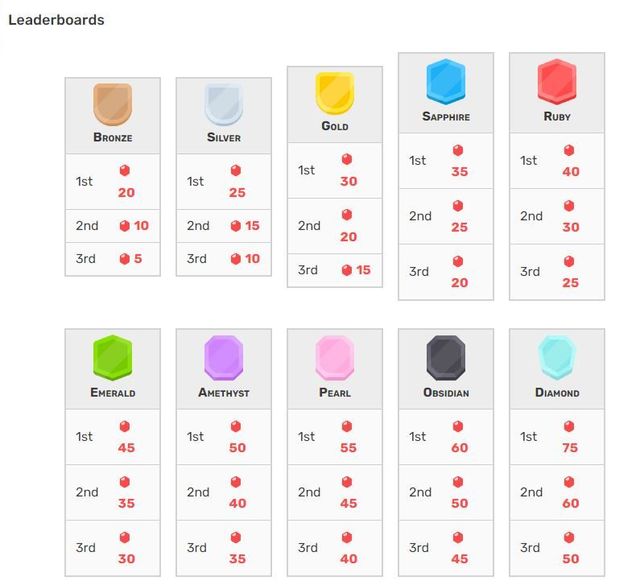
The Duolingo leaderboard levels are a ranking system that groups users based on their weekly XP (experience points) earnings. These levels are designed to encourage friendly competition and motivate learners to stay consistent with their language practice. The leaderboard resets every week, and users are placed into different leagues, starting from the lowest and progressing to the highest.
How Do Duolingo Leaderboards Work?
The Duolingo leaderboards function by tracking the XP earned by users during the week. At the end of each week, the top performers in a league advance to a higher league, while those at the bottom may be demoted. The system ensures that users are competing with others who have similar activity levels, making the experience fair and engaging.
- Users earn XP by completing lessons, practicing skills, and participating in challenges.
- The leaderboard updates in real-time, showing your position relative to others in your league.
- Advancing to higher leagues requires consistent effort and earning more XP than your peers.
What Are the Different Duolingo Leagues?
Duolingo leagues are divided into 10 levels, each representing a higher tier of competition. Starting from the lowest, the leagues are:
- Bronze League: The entry-level league for beginners.
- Silver League: Requires more XP to advance.
- Gold League: A mid-tier league for active learners.
- Sapphire League: For users who consistently earn high XP.
- Ruby League: A competitive league for dedicated learners.
- Emerald League: Requires significant effort to progress.
- Amethyst League: For highly active users.
- Pearl League: A challenging league for top performers.
- Obsidian League: For the most dedicated learners.
- Diamond League: The highest and most prestigious league.
How to Advance in Duolingo Leagues?
Advancing in Duolingo leagues requires strategic effort and consistent practice. Here are some tips to help you move up:
- Complete daily lessons and earn bonus XP for streaks.
- Focus on high-XP activities like timed challenges or story lessons.
- Stay active throughout the week to maintain your position in the leaderboard.
What Are the Benefits of Duolingo Leaderboards?
The Duolingo leaderboards offer several benefits to users, including:
- Motivation: The competitive aspect encourages users to practice regularly.
- Recognition: Advancing to higher leagues provides a sense of achievement.
- Community: Users can connect with others who share similar language-learning goals.
Can you get to A1 with Duolingo?
What is the A1 Level in Language Learning?
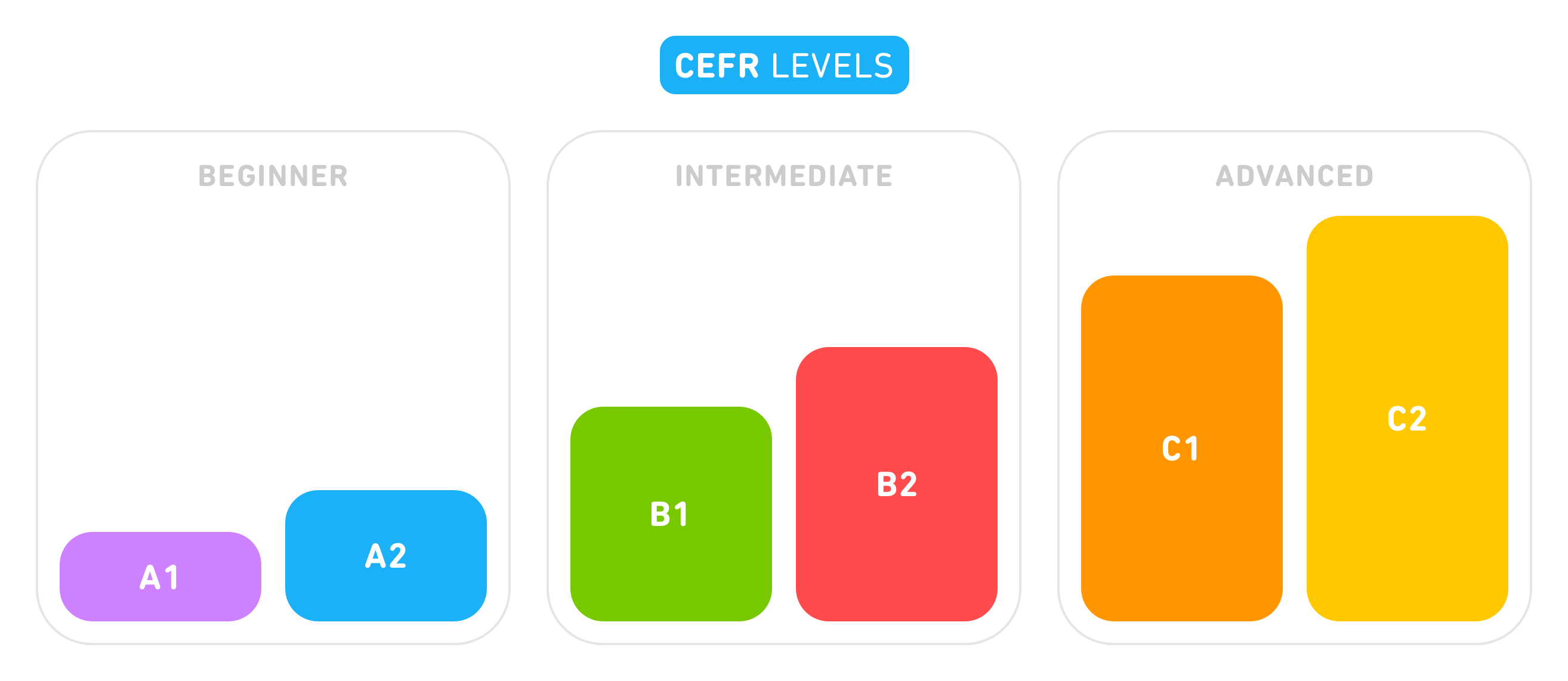
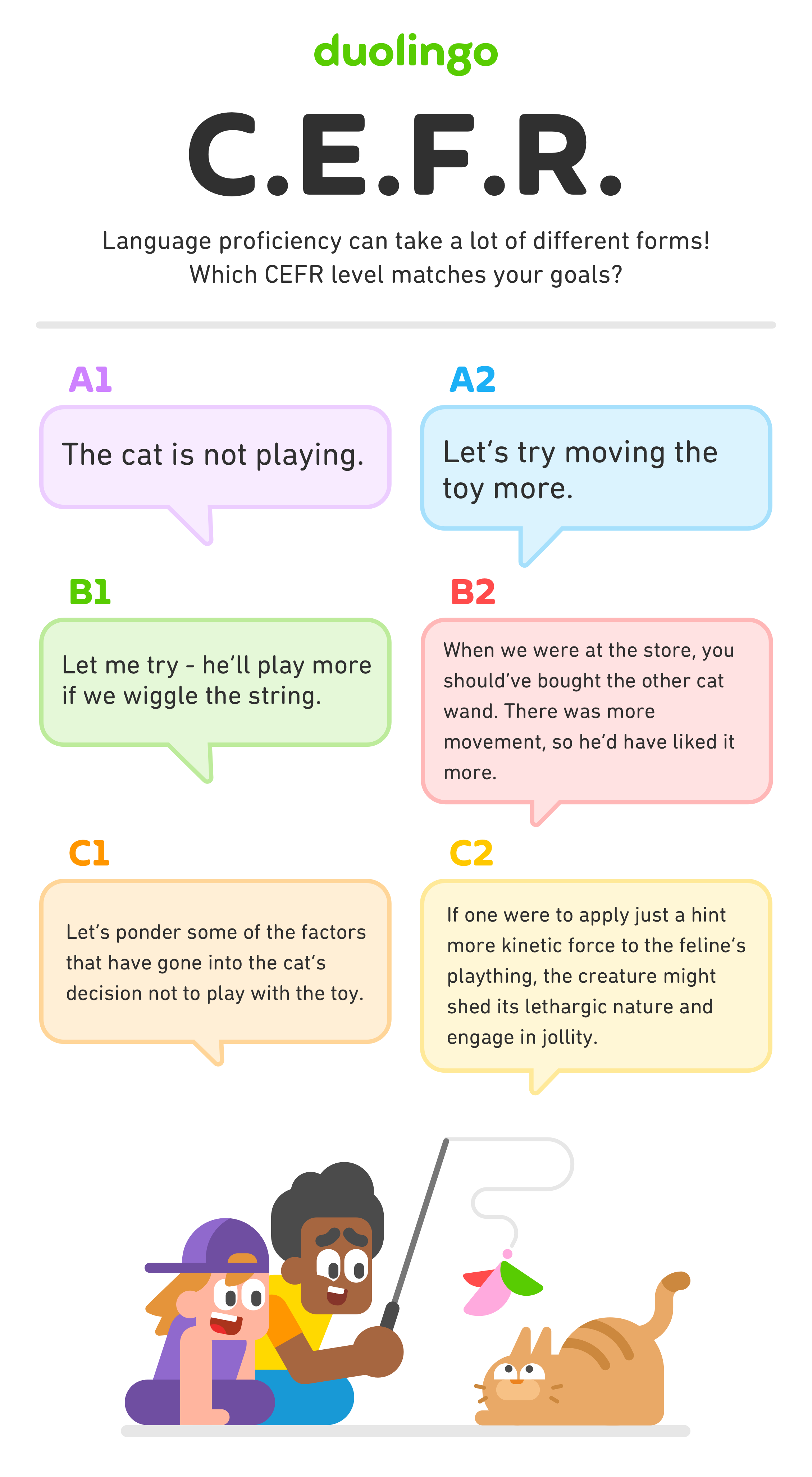
The A1 level is the first stage of the Common European Framework of Reference for Languages (CEFR). It represents a basic understanding of a language, where learners can:
- Introduce themselves and others.
- Ask and answer simple questions about personal details.
- Understand and use familiar everyday expressions.
Does Duolingo Cover A1 Level Content?
Yes, Duolingo is designed to help learners achieve the A1 level in various languages. The platform provides:
- Basic vocabulary and phrases for everyday situations.
- Simple grammar lessons to form sentences.
- Listening and speaking exercises to improve comprehension and pronunciation.
How Effective is Duolingo for Reaching A1?
Duolingo can be effective for reaching the A1 level, especially for beginners. However, its effectiveness depends on:
- Consistent practice and daily use of the app.
- Supplementing Duolingo with other resources like textbooks or language exchange partners.
- Focusing on all language skills: reading, writing, listening, and speaking.
What Are the Limitations of Duolingo for A1?
While Duolingo is a useful tool, it has some limitations for achieving the A1 level:
- Limited real-life conversation practice.
- Less emphasis on complex grammar structures.
- Repetitive exercises that may not suit all learning styles.
Tips to Maximize Duolingo for A1 Success
To make the most of Duolingo for reaching the A1 level, consider the following tips:
- Set a daily goal and stick to it for consistent progress.
- Use the Duolingo Stories feature to improve listening and reading skills.
- Combine Duolingo with speaking practice through language apps or tutors.
Frequently Asked Questions From our Community
What are the levels in Duolingo?
In Duolingo, levels represent your progress within a specific skill or topic. Each skill in a language course is divided into multiple levels, typically ranging from Level 1 to Level 5 or higher, depending on the course. As you complete lessons and earn XP, you advance through these levels, which indicate your growing proficiency in that skill. Higher levels often introduce more complex vocabulary and grammar, ensuring a gradual learning curve.
How do you progress through the levels in Duolingo?
To progress through the levels in Duolingo, you need to complete lessons within a skill. Each lesson consists of exercises like translating sentences, matching words, or listening to audio. As you complete these exercises, you earn XP (experience points), which contribute to leveling up. Once you've mastered the required number of lessons, you'll unlock the next level. Some levels may also include checkpoints or tests to ensure you've retained the material before moving forward.
What is the purpose of having levels in Duolingo?
The levels in Duolingo serve as a structured way to track your learning progress. They help break down complex language skills into manageable chunks, making it easier to focus on one topic at a time. By advancing through levels, you reinforce your understanding of vocabulary, grammar, and pronunciation. Additionally, levels provide a sense of accomplishment, motivating learners to continue practicing and improving their language skills.
Can you skip levels in Duolingo?
Yes, you can skip levels in Duolingo if you already have some knowledge of the language. Duolingo offers a placement test for new users, which assesses your current proficiency and places you at an appropriate level. Additionally, if you feel confident in a particular skill, you can use the Test Out feature to skip ahead. However, it's recommended to complete all levels to ensure a solid foundation and avoid gaps in your understanding.
Leave a Reply
Related Posts