
Duolingo Language Challenges: complete guide


Duolingo Language Challenges have become a popular way for learners to stay motivated and track their progress while mastering a new language. These challenges, often tied to specific goals or timeframes, encourage users to practice consistently and push their limits. Whether you're aiming to complete a streak, earn a certain number of XP, or tackle a themed challenge, understanding how to approach these tasks can significantly enhance your learning experience. This guide dives into everything you need to know about Duolingo Language Challenges, offering tips, strategies, and insights to help you make the most of this engaging feature and achieve your language-learning goals.
Duolingo Language Challenges: Complete Guide
Duolingo Language Challenges are an engaging way to enhance your language-learning journey. These challenges are designed to motivate users to stay consistent, practice regularly, and achieve their language goals. Whether you're a beginner or an advanced learner, Duolingo's challenges cater to all levels and provide a fun, competitive edge to learning. Below, we break down everything you need to know about Duolingo Language Challenges, including how they work, their benefits, and tips to succeed.
What Are Duolingo Language Challenges?
Duolingo Language Challenges are time-bound events or goals that encourage users to complete specific tasks, such as earning a certain number of XP, maintaining a streak, or finishing lessons within a set period. These challenges often come with rewards, such as gems, badges, or exclusive features, to keep learners motivated. They are integrated into the app and can be accessed through the Events tab or notifications.
See AlsoDuolingo Sentence Assembly: Your Path to Perfect Word OrderTypes of Duolingo Language Challenges
Duolingo offers a variety of challenges to suit different learning styles. Some of the most common types include:
- XP Challenges: Earn a specific amount of XP within a week or month.
- Streak Challenges: Maintain your daily streak for a certain number of days.
- Friend Challenges: Compete with friends to see who can earn the most XP.
- Special Event Challenges: Participate in limited-time events tied to holidays or cultural celebrations.
| Challenge Type | Description |
|---|---|
| XP Challenges | Earn a set amount of XP within a specific timeframe. |
| Streak Challenges | Maintain your daily streak for a certain number of days. |
| Friend Challenges | Compete with friends to earn the most XP. |
| Special Event Challenges | Participate in limited-time events tied to holidays or cultural celebrations. |
How to Participate in Duolingo Language Challenges
Participating in Duolingo Language Challenges is simple. First, ensure you have the latest version of the app. Navigate to the Events tab or check your notifications for ongoing challenges. Once you join, track your progress through the app's dashboard. Completing challenges often requires consistent practice, so set aside time daily to work on your lessons.
Benefits of Duolingo Language Challenges
Duolingo Language Challenges offer numerous benefits, including:
- Increased Motivation: The competitive aspect keeps learners engaged.
- Improved Consistency: Challenges encourage daily practice.
- Enhanced Learning: Regular participation helps reinforce language skills.
- Rewards: Earn gems, badges, and other incentives for completing challenges.
| Benefit | Description |
|---|---|
| Increased Motivation | The competitive aspect keeps learners engaged. |
| Improved Consistency | Challenges encourage daily practice. |
| Enhanced Learning | Regular participation helps reinforce language skills. |
| Rewards | Earn gems, badges, and other incentives for completing challenges. |
Tips to Succeed in Duolingo Language Challenges
To maximize your success in Duolingo Language Challenges, follow these tips:
- Set Daily Goals: Aim to complete a specific number of lessons or earn a set amount of XP each day.
- Use Streak Freezes: Protect your streak on days when you might miss practice.
- Join Friend Challenges: Competing with friends adds a fun, social element to learning.
- Focus on Weak Areas: Use challenges to target skills you need to improve.
- Stay Consistent: Regular practice is key to completing challenges and mastering the language.
| Tip | Description |
|---|---|
| Set Daily Goals | Aim to complete a specific number of lessons or earn a set amount of XP each day. |
| Use Streak Freezes | Protect your streak on days when you might miss practice. |
| Join Friend Challenges | Competing with friends adds a fun, social element to learning. |
| Focus on Weak Areas | Use challenges to target skills you need to improve. |
| Stay Consistent | Regular practice is key to completing challenges and mastering the language. |
Why do I have to complete 50 quests in Duolingo?

Why Are Quests Important in Duolingo?
Quests in Duolingo are designed to motivate users to stay consistent and engaged with their language learning. Completing 50 quests ensures that you are actively practicing and progressing through the platform. Here’s why they matter:
See AlsoDuolingo Guide To Grammar: Tips, Rules & Practice Methods- Consistency: Quests encourage daily practice, which is crucial for language retention.
- Gamification: They make learning fun by turning it into a game-like experience.
- Progress Tracking: Quests help you measure your achievements and milestones.
How Do Quests Enhance Learning Efficiency?
Quests are structured to optimize your learning process by breaking down lessons into manageable tasks. Completing 50 quests ensures you cover a wide range of topics and skills. Here’s how they enhance efficiency:
- Variety: Quests expose you to different aspects of the language, such as vocabulary, grammar, and pronunciation.
- Reinforcement: They reinforce previously learned material through repetition and practice.
- Goal Setting: Quests provide clear, achievable goals that keep you focused.
What Are the Benefits of Completing 50 Quests?
Reaching the milestone of 50 quests offers several benefits that contribute to your overall language proficiency. Here’s what you gain:
- Confidence: Completing quests builds your confidence in using the language.
- Rewards: You earn rewards like XP, gems, and streaks, which motivate further learning.
- Mastery: It ensures you have a solid foundation in the language before advancing.
How Do Quests Keep You Motivated?
Quests are designed to sustain your motivation by providing a sense of accomplishment. Completing 50 quests keeps you engaged and eager to continue. Here’s how they work:
- Short-Term Goals: Each quest is a small, achievable goal that keeps you moving forward.
- Visual Progress: Seeing your quests completed gives you a visual representation of your progress.
- Community: Competing with friends or the Duolingo community adds a social element to learning.
What Happens After Completing 50 Quests?
After completing 50 quests, you unlock new opportunities and challenges in Duolingo. Here’s what you can expect:
- Advanced Content: You gain access to more complex lessons and topics.
- Leaderboards: You can compete in higher tiers on the leaderboard for greater rewards.
- Personal Growth: You’ll notice significant improvement in your language skills.
What level of Duolingo is considered fluent?
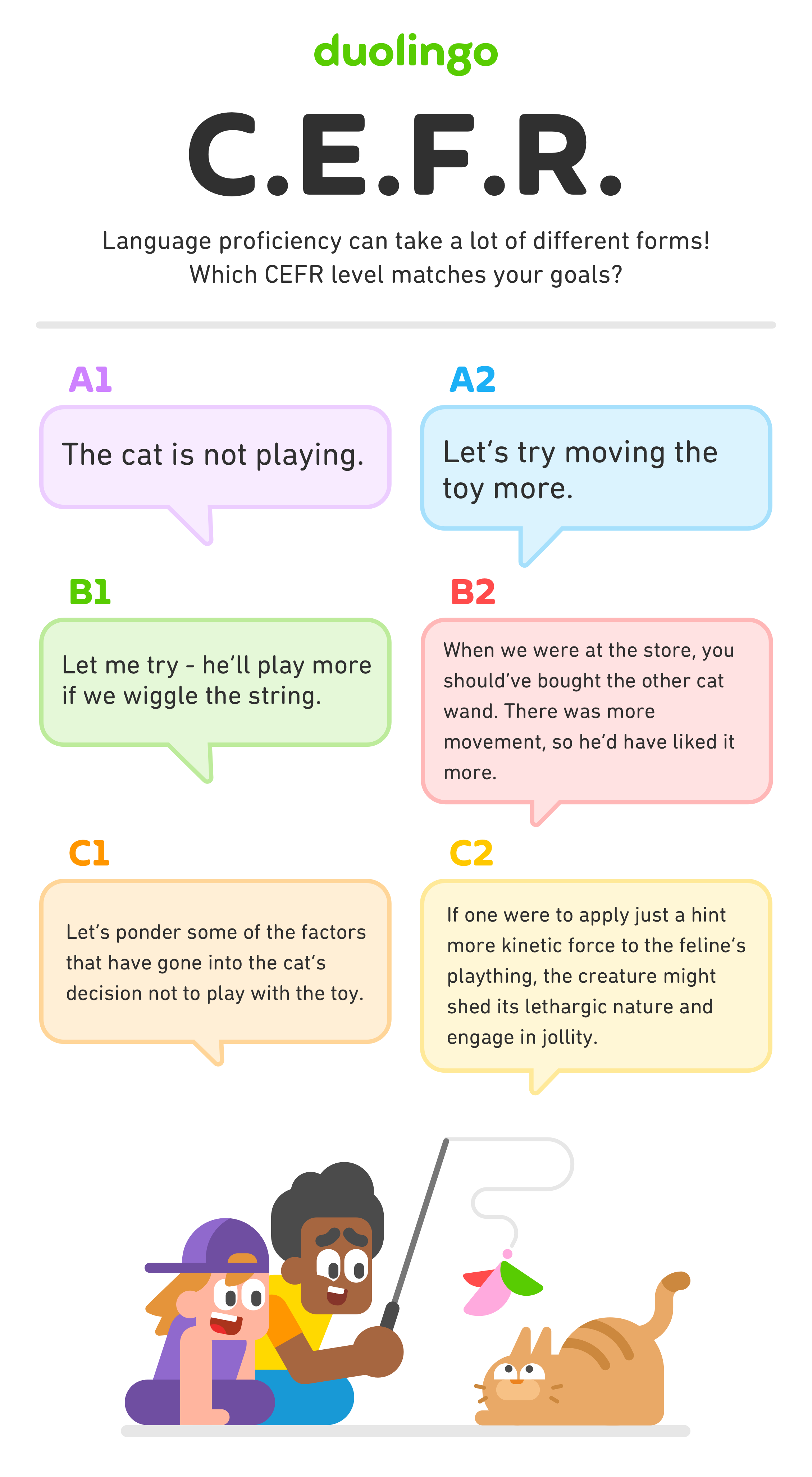
What Does Fluency Mean in the Context of Duolingo?
Fluency in the context of Duolingo refers to the ability to understand, speak, read, and write in a language with a reasonable degree of proficiency. However, Duolingo is primarily a tool for beginner to intermediate learners, and achieving fluency typically requires additional resources and practice beyond the app. Fluency is often measured by the ability to hold conversations, understand native speakers, and use the language in real-world situations.
- Fluency is not solely determined by completing Duolingo levels.
- Duolingo helps build a foundation but may not cover advanced vocabulary or grammar.
- Real-world practice is essential to achieve fluency.
How Far Can Duolingo Take You in Language Learning?
Duolingo can take you to an upper-intermediate level in a language, depending on the course and your dedication. Most Duolingo courses are designed to cover basic grammar, vocabulary, and sentence structures. However, the app may not provide enough depth for advanced topics or nuanced language use. Completing all levels of a Duolingo course can give you a solid foundation, but fluency often requires immersion and additional learning methods.
- Duolingo courses typically cover basic to intermediate content.
- Advanced learners may need to supplement Duolingo with other resources.
- Immersion and conversation practice are key to progressing beyond Duolingo.
What Level of Duolingo is Equivalent to Fluency?
There is no specific level in Duolingo that equates to fluency. Completing the entire course, including all levels and skills, may bring you to an upper-intermediate level, but fluency is a higher standard. Fluency involves not only understanding the language but also using it naturally and confidently in various contexts. Duolingo can help you reach a point where you can understand and communicate basic ideas, but fluency requires more comprehensive practice.
- Duolingo levels focus on basic comprehension and foundational skills.
- Fluency involves mastering advanced grammar, idioms, and cultural nuances.
- Real-world application is necessary to bridge the gap between Duolingo and fluency.
Can You Become Fluent Using Only Duolingo?
It is unlikely to become fluent using only Duolingo. While the app is an excellent tool for building vocabulary and understanding grammar, it lacks the depth needed for advanced language skills. Fluency requires exposure to native speakers, real-world conversations, and cultural context, which Duolingo alone cannot provide. Combining Duolingo with other methods, such as language exchange, reading, and listening practice, is more effective for achieving fluency.
- Duolingo is a supplementary tool rather than a complete solution for fluency.
- Engaging with native speakers is crucial for developing fluency.
- Using multiple resources ensures a well-rounded language learning experience.
What Are the Limitations of Duolingo in Achieving Fluency?
Duolingo has several limitations when it comes to achieving fluency. The app focuses on gamified learning, which is great for motivation but may not provide enough depth for advanced language skills. Additionally, Duolingo's speech recognition and conversation exercises are limited, making it challenging to practice speaking and listening at a high level. To overcome these limitations, learners should seek out additional resources and opportunities for real-world practice.
- Duolingo's gamified approach may not prepare learners for real-world language use.
- Speaking and listening practice on Duolingo is limited compared to real conversations.
- Advanced learners need exposure to authentic materials and native speakers.
What happens when you finish all the Duolingo lessons?
What Happens When You Complete All Duolingo Lessons?
When you finish all the Duolingo lessons in a course, you achieve the highest level of proficiency in that language on the platform. Duolingo marks your progress as complete, and you receive a certificate of completion for that specific course. However, this does not mean you are fully fluent, as Duolingo primarily focuses on foundational skills. To maintain your skills, you can:
- Review lessons to reinforce your knowledge.
- Use the Practice feature to keep your skills sharp.
- Explore Duolingo Stories or podcasts for advanced listening practice.
Can You Continue Learning After Finishing Duolingo?
Yes, you can continue learning even after completing all the lessons. Duolingo offers additional tools to help you advance further:
- Access Duolingo Plus for offline learning and unlimited hearts.
- Engage with the Duolingo Forum to connect with other learners.
- Try Duolingo Events to practice speaking with native speakers.
Do You Unlock New Features After Completing Duolingo?
Completing all Duolingo lessons unlocks certain features to enhance your learning experience:
- You gain access to Legendary Levels, which test your mastery of each skill.
- You can participate in leaderboard challenges to compete with other learners.
- You unlock the ability to test out of lower-level skills to focus on advanced topics.
How Does Duolingo Help You Stay Motivated After Completion?
Duolingo provides several features to keep you motivated even after finishing all lessons:
- Daily streaks encourage consistent practice.
- XP challenges allow you to earn rewards and compete with friends.
- The Duolingo Shop lets you purchase fun items like streak freezes and outfits for Duo.
Is Completing Duolingo Enough to Be Fluent?
Completing Duolingo is a significant achievement, but it may not make you fully fluent. To achieve fluency, consider:
- Practicing with native speakers through language exchange platforms.
- Using additional resources like books, movies, and podcasts in your target language.
- Taking advanced courses or working with a tutor for personalized guidance.
Frequently Asked Questions From our Community
What are Duolingo Language Challenges?
Duolingo Language Challenges are special events or missions designed to motivate users to practice their language skills more consistently. These challenges often come with specific goals, such as earning a certain number of XP (experience points) within a set time frame or completing a specific number of lessons. By participating, users can unlock rewards, such as gems or streak freezes, and track their progress alongside friends or other learners. These challenges are a great way to stay engaged and make language learning more interactive and fun.
How do I join a Duolingo Language Challenge?
To join a Duolingo Language Challenge, you typically need to have the Duolingo app installed on your device and be logged into your account. Challenges are often announced through notifications or appear on the app's home screen. Once you see a challenge, simply tap on it to accept and start participating. Some challenges may require you to meet certain criteria, such as having a specific streak or being part of a Duolingo classroom. Make sure to check the challenge details for any specific requirements.
What rewards can I earn from Duolingo Language Challenges?
Participating in Duolingo Language Challenges can earn you a variety of rewards, depending on the challenge. Common rewards include gems, which can be used to purchase items in the Duolingo shop, such as streak freezes or bonus skills. Some challenges may also offer exclusive badges or trophies that appear on your profile. Additionally, completing challenges can boost your motivation and help you maintain a consistent learning habit, which is one of the most valuable rewards in itself.
Can I participate in Duolingo Language Challenges with friends?
Yes, you can participate in Duolingo Language Challenges with friends! Duolingo often encourages social interaction by allowing users to invite friends to join challenges or compete against each other. You can connect with friends through the app by adding them to your Duolingo friends list. Once connected, you can see each other's progress and cheer each other on. This social aspect adds an extra layer of motivation and makes the learning experience more enjoyable and collaborative.
Leave a Reply
Related Posts