
Simplified Chinese vs Traditional Chinese - What’s Best For Me?

When deciding between Simplified Chinese and Traditional Chinese, understanding their differences is key to making the best choice for your needs. Simplified Chinese, introduced in the 1950s, features fewer strokes and is used primarily in mainland China and Singapore. Traditional Chinese, with its intricate characters, remains dominant in Taiwan, Hong Kong, and Macau. Your decision may depend on factors like target audience, learning goals, or business requirements. While Simplified Chinese offers easier readability and wider reach, Traditional Chinese preserves cultural heritage and is preferred in certain regions. This article explores the pros and cons of each to help you determine which version aligns with your objectives.
Simplified Chinese vs Traditional Chinese - What’s Best For Me?
Detailed Explanation:
The choice between Simplified Chinese and Traditional Chinese depends on factors like geographical usage, learning goals, and personal preferences. Simplified Chinese is used predominantly in Mainland China and Singapore, while Traditional Chinese is common in Taiwan, Hong Kong, and Macau. If you aim for business opportunities in Mainland China, Simplified Chinese may be more practical. Conversely, if you're interested in classical literature or cultural studies, Traditional Chinese might be preferable.
1. Where Are Simplified and Traditional Chinese Used?
Detailed Explanation:
Simplified Chinese is the official script in Mainland China and Singapore, adopted to improve literacy rates. Traditional Chinese remains standard in Taiwan, Hong Kong, and Macau, preserving historical characters. Below is a comparison:
| Script | Primary Regions |
|---|---|
| Simplified Chinese | Mainland China, Singapore |
| Traditional Chinese | Taiwan, Hong Kong, Macau |
2. Which Script Is Easier to Learn?
Detailed Explanation:
Simplified Chinese has fewer strokes, making it easier for beginners. However, Traditional Chinese offers deeper etymological insights into character origins. Learners focused on quick communication may prefer Simplified, while those studying classical texts might opt for Traditional.
| Aspect | Simplified | Traditional |
|---|---|---|
| Stroke Count | Lower | Higher |
| Learning Curve | Faster | Steeper |
3. Which Script Is More Useful for Business?
Detailed Explanation:
For business purposes, Simplified Chinese is essential for dealings with Mainland China, the world's second-largest economy. Traditional Chinese is valuable in Taiwan and Hong Kong, key financial hubs.
| Market | Recommended Script |
|---|---|
| Mainland China | Simplified |
| Taiwan/Hong Kong | Traditional |
4. Do Native Speakers Understand Both Scripts?
Detailed Explanation:
Most educated native speakers can recognize both scripts, though proficiency varies. Mainland Chinese are less familiar with Traditional, while Taiwanese/Hong Kongers often understand Simplified due to exposure.
| Group | Comprehension Level |
|---|---|
| Mainland Chinese | Basic Traditional |
| Taiwanese/Hong Kongers | High Simplified |
5. Which Script Is Used in Digital Media?
Detailed Explanation:
Simplified Chinese dominates digital platforms like Weibo and Douyin, while Traditional Chinese is prevalent on Taiwanese forums and Hong Kong social media.
| Platform | Script |
|---|---|
| Weibo/Douyin | Simplified |
| PTT (Taiwan) | Traditional |
Is it better to learn Traditional Chinese or simplified?
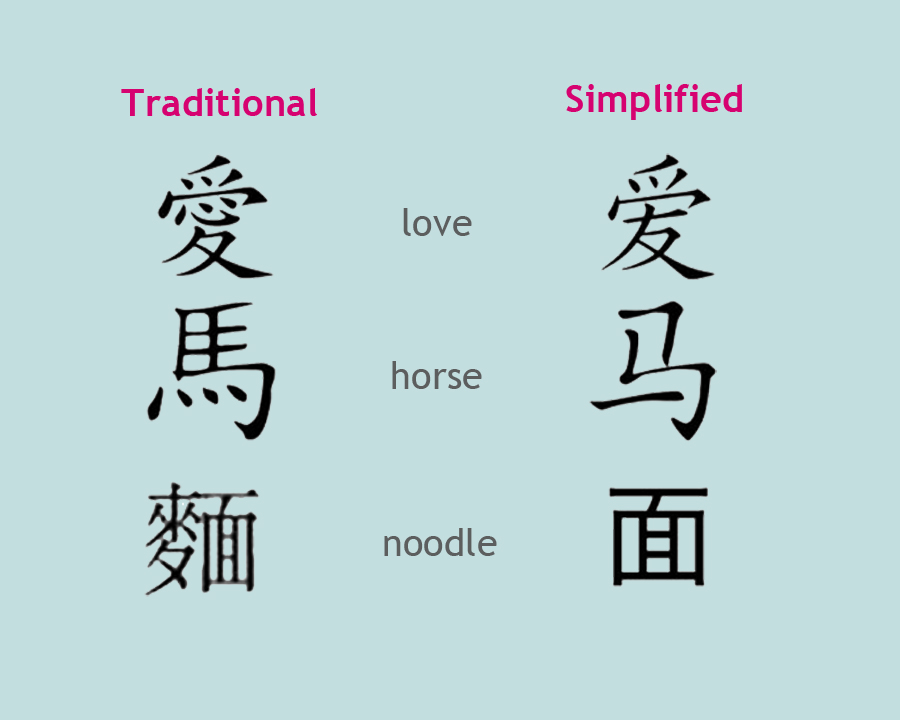
Understanding the Differences Between Traditional and Simplified Chinese
The choice between Traditional Chinese and Simplified Chinese depends on several factors. Traditional Chinese uses more complex characters and is primarily used in Taiwan, Hong Kong, and Macau. Simplified Chinese, as the name suggests, features streamlined characters and is the official script in Mainland China and Singapore.
See AlsoFriends in Chinese - Complete Guide To The Famous Sitcom- Traditional Chinese preserves historical and cultural nuances in writing.
- Simplified Chinese is easier and faster to learn due to fewer strokes.
- Some characters differ significantly between the two systems, affecting readability.
Which Regions Use Traditional or Simplified Chinese?
Geographical usage plays a key role in deciding which script to learn. Simplified Chinese dominates in Mainland China, while Traditional Chinese remains prevalent in Taiwan and Hong Kong.
- Mainland China, Singapore, and Malaysia use Simplified Chinese.
- Taiwan, Hong Kong, and Macau use Traditional Chinese.
- Overseas Chinese communities may use either, depending on their origins.
Learning Difficulty: Traditional vs. Simplified Chinese
Simplified Chinese is generally considered easier for beginners due to its reduced stroke count. However, Traditional Chinese offers deeper insights into character etymology.
- Simplified characters require less memorization of strokes.
- Traditional characters can be more challenging but enrich cultural understanding.
- Learning one script first can make transitioning to the other easier later.
Career and Practical Applications
Your professional goals may influence which script is more beneficial. Simplified Chinese is more widely used in global business, while Traditional Chinese is valuable in specific regions.
- Businesses in Mainland China prefer Simplified Chinese.
- Working in Taiwan or Hong Kong may require Traditional Chinese.
- Academic research on classical texts often uses Traditional Chinese.
Cultural and Historical Significance
Traditional Chinese maintains a stronger connection to classical literature and history, while Simplified Chinese reflects modern linguistic reforms.
- Traditional characters appear in ancient texts and calligraphy.
- Simplified characters were introduced to increase literacy rates.
- Some argue that Traditional Chinese preserves more artistic beauty.
What is the best type of Chinese to learn?
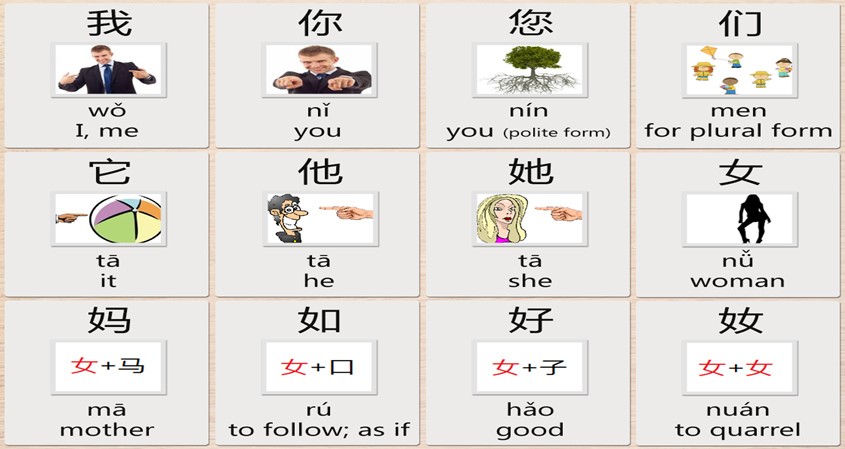
Mandarin vs. Cantonese: Which Should You Learn?
The choice between Mandarin and Cantonese depends on your goals. Mandarin is the most widely spoken Chinese dialect, with over 1 billion speakers, while Cantonese is dominant in regions like Hong Kong and Guangdong. Consider the following:
- Mandarin is the official language of China, Taiwan, and Singapore, making it more versatile for business and travel.
- Cantonese is valuable for cultural immersion in Hong Kong, Macau, and overseas Chinese communities.
- Mandarin uses simplified characters, while Cantonese often uses traditional ones, affecting writing complexity.
Simplified vs. Traditional Chinese Characters
Deciding between simplified and traditional characters impacts learning difficulty and regional applicability:
- Simplified characters are used in mainland China and Singapore, streamlining memorization.
- Traditional characters are prevalent in Taiwan, Hong Kong, and Macau, preserving historical script.
- Learning one system first allows easier adaptation to the other later.
Usefulness of Learning Chinese Dialects
Beyond Mandarin and Cantonese, other dialects like Hokkien or Shanghainese offer niche benefits:
- Hokkien is useful in Fujian, Taiwan, and Southeast Asian Chinese communities.
- Shanghainese aids cultural integration in Shanghai but lacks formal written systems.
- Dialects are less standardized, making Mandarin a more practical starting point.
Business Advantages of Learning Mandarin
Mandarin is the top choice for professionals due to China's economic influence:
- China's global trade dominance makes Mandarin a high-demand language in industries like tech and finance.
- Proficiency opens doors to jobs in multinational companies operating in China.
- Government and diplomatic roles often require Mandarin skills.
Cultural and Media Benefits of Learning Cantonese
Cantonese connects learners to vibrant cultural exports:
- Hong Kong's film and music industries, like Cantopop, are globally influential.
- Understanding Cantonese enhances appreciation of dim sum culture and Lunar New Year traditions.
- Older generations in diaspora communities often speak Cantonese, aiding family communication.
Can you understand simplified Chinese if you know traditional?
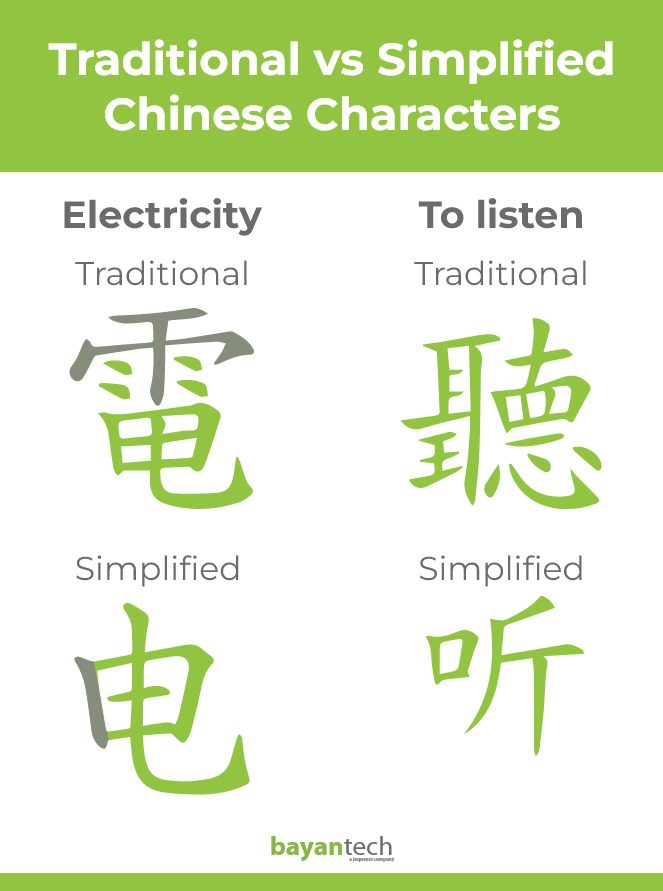
How Similar Are Simplified and Traditional Chinese Characters?
While simplified and traditional Chinese characters share many similarities, they also have key differences. Here’s a breakdown:
- Shared characters: Around 30-40% of characters remain identical in both systems.
- Simplified forms: Many simplified characters are derived from traditional ones by reducing strokes or merging components.
- Radical changes: Some characters have entirely different forms, making recognition challenging.
Can a Traditional Chinese Reader Decipher Simplified Text?
A reader familiar with traditional Chinese can often understand simplified text, but with some limitations:
- Context helps: Surrounding words and sentences make it easier to infer meaning.
- Common phrases: Frequently used terms are more recognizable across both systems.
- Learning curve: Some characters require memorization due to significant differences.
What Are the Main Challenges in Switching Between Systems?
Transitioning between simplified and traditional Chinese presents several hurdles:
- Character variations: Drastically altered characters can confuse even fluent readers.
- Regional vocabulary: Some terms differ between mainland China (simplified) and Taiwan/Hong Kong (traditional).
- Handwriting recognition: Simplified script may be harder to read for traditional users accustomed to more strokes.
Are There Tools to Help Bridge the Gap?
Yes, several resources assist in understanding both simplified and traditional Chinese:
- Conversion tools: Online converters switch text between systems.
- Dual-language dictionaries: These highlight differences and provide explanations.
- Learning apps: Platforms like Pleco offer side-by-side comparisons.
Does Knowing Traditional Chinese Speed Up Learning Simplified?
Understanding traditional Chinese can accelerate learning simplified due to:
- Foundational knowledge: Recognizing radicals and components aids comprehension.
- Pattern recognition: Many simplifications follow predictable rules.
- Cultural familiarity: Exposure to both systems enhances adaptability.
Frequently Asked Questions (FAQ)
What is the difference between Simplified Chinese and Traditional Chinese?
Simplified Chinese and Traditional Chinese are two writing systems for the Chinese language. The primary difference lies in their character complexity. Simplified Chinese uses fewer strokes and simpler forms, introduced in the 1950s by the Chinese government to improve literacy rates. Traditional Chinese, on the other hand, retains the original, more complex characters and is still used in regions like Taiwan, Hong Kong, and Macau. While the spoken language may sound similar, the written forms can differ significantly, affecting readability and learning curves.
Which regions use Simplified Chinese and which use Traditional Chinese?
Simplified Chinese is the official script in Mainland China and Singapore, where it is used in education, media, and government documents. Traditional Chinese is predominantly used in Taiwan, Hong Kong, and Macau. Overseas Chinese communities may use either, depending on their origins. If your target audience is in Mainland China, Simplified Chinese is essential, whereas Traditional Chinese is better suited for Taiwanese or Hong Kong audiences.
Is Simplified Chinese easier to learn than Traditional Chinese?
For beginners, Simplified Chinese is often considered easier due to its reduced stroke count and simpler character structures. However, Traditional Chinese preserves more etymological and historical nuances, which some learners find enriching. The choice depends on your goals—if you plan to engage with Mainland China, Simplified Chinese is practical. If you're interested in classical literature or regions like Taiwan, Traditional Chinese may be more beneficial.
Can someone who reads Simplified Chinese understand Traditional Chinese, and vice versa?
While there is some mutual intelligibility, full comprehension is not guaranteed. Many characters are identical or very similar, but others differ drastically. A reader of Simplified Chinese may struggle with Traditional Chinese texts, and vice versa. Context and exposure help, but for professional or academic purposes, learning the specific script used by your target audience is advisable. Bilingual individuals often adapt to both, but this requires additional effort.
Leave a Reply
Related Posts