
Playing Codenames to learn Chinese and other languages

Learning a new language can be both challenging and rewarding, but traditional methods often lack engagement. Enter Codenames, the popular word game that transforms vocabulary practice into a fun, interactive experience. By adapting the game’s mechanics, learners can reinforce their Chinese—or any other language—through context, association, and teamwork. Players guess words based on clues, enhancing retention and comprehension in a natural, low-pressure setting. Whether you're a beginner or advanced learner, Codenames offers a dynamic way to expand your vocabulary while sharpening critical thinking skills. Discover how this playful approach can make language learning more effective—and enjoyable—for students and educators alike.
How Playing Codenames Can Help You Learn Chinese and Other Languages
1. Boosting Vocabulary Through Contextual Learning
Playing Codenames exposes learners to new vocabulary in a fun and engaging way. Since the game relies on word associations, players naturally absorb meanings through context. For example, if the clue is animal, words like tiger or panda reinforce Chinese terms (老虎 - lǎohǔ, 熊猫 - xióngmāo). This method enhances retention compared to rote memorization.
| Game Element | Language Benefit |
|---|---|
| Clue-giving | Encourages active recall of vocabulary |
| Word associations | Strengthens contextual understanding |
2. Improving Listening and Speaking Skills
In multilingual groups, Codenames forces players to listen carefully to clues and articulate guesses in the target language. For Chinese learners, this practice sharpens tones and pronunciation. For instance, distinguishing between ma (妈 - mother) and mā (麻 - hemp) becomes critical when giving clues.
See AlsoHow important is reading speed on tests like HSK and TOCFL?| Skill | How Codenames Helps |
|---|---|
| Listening | Deciphering clues in rapid conversation |
| Speaking | Practicing clear pronunciation under pressure |
3. Encouraging Strategic Thinking in the Target Language
The game’s strategy component pushes players to think critically in Chinese or another language. Creating clever clues (e.g., using 成语 - chéngyǔ idioms) deepens linguistic creativity. This mirrors real-life scenarios where quick, language-based problem-solving is essential.
| Strategy | Language Application |
|---|---|
| Multi-word clues | Expands sentence structure knowledge |
| Risk assessment | Builds fluency in decision-making phrases |
4. Building Cultural Awareness Through Words
Codenames cards often include culturally significant terms (e.g., 元宵节 - Yuánxiāo Jié for Lantern Festival). This sparks discussions about traditions, helping learners grasp not just words but their cultural context. For non-Chinese languages, themes like French cuisine or German history enrich the experience similarly.
| Cultural Topic | Example Vocabulary |
|---|---|
| Festivals | 春节 - Chūnjié (Chinese New Year) |
| Food | 饺子 - jiǎozi (dumplings) |
5. Adapting the Game for Different Proficiency Levels
Players can modify Codenames rules to match language skills. Beginners might use pinyin or translations, while advanced learners play entirely in Chinese. Adding a time limit increases difficulty, simulating real-world language pressure.
See AlsoWill Starbucks Survive Competition from Luckin Coffee?| Level | Adaptation |
|---|---|
| Beginner | Bilingual word cards |
| Advanced | Clues restricted to target language only |
Can you use different languages in codenames?
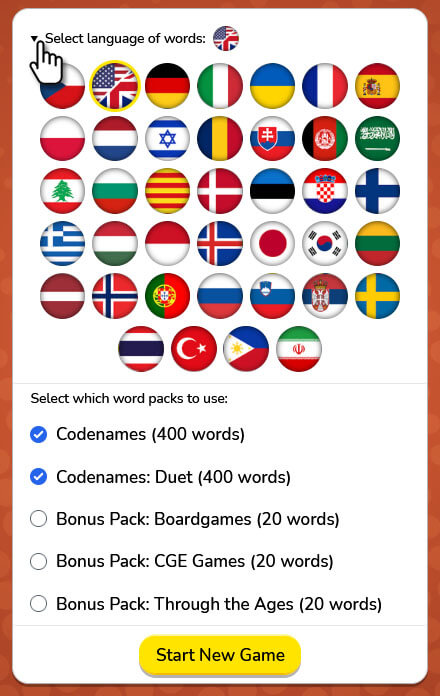
Is It Allowed to Use Multiple Languages in Codenames?
Yes, you can use multiple languages in Codenames, but it depends on the rules agreed upon by the players. Some groups allow it to add complexity, while others prefer sticking to one language for clarity.
- House rules often dictate whether multilingual clues are permitted.
- Using foreign words can make the game more challenging and fun.
- Ensure all players understand the languages used to avoid unfair advantages.
How Does Using Different Languages Affect Gameplay?
Incorporating different languages can change the dynamics of Codenames by increasing difficulty or adding creativity. However, it may also lead to confusion if not handled properly.
See AlsoBite-sized learning isn’t enough to learn Chinese- Complexity rises when players must think in multiple languages.
- It encourages cultural exchange among multilingual players.
- Miscommunication risks increase if players aren't fluent in all languages used.
What Are the Benefits of Multilingual Codenames?
Playing Codenames with multiple languages offers unique advantages, especially in diverse groups where language skills vary.
- Enhances cognitive flexibility by switching between languages.
- Makes the game more inclusive for non-native speakers.
- Adds a creative twist to traditional gameplay.
Are There Official Rules for Multilingual Codenames?
The official rules of Codenames do not explicitly forbid using different languages, but they also don't encourage it. The decision is left to the players.
- The rulebook focuses on single-language gameplay by default.
- Custom variants can be created to accommodate multilingual play.
- Clarity and fairness should always be prioritized.
Tips for Playing Codenames in Multiple Languages
To ensure a smooth experience when using different languages, consider these practical tips.
- Agree on language boundaries before starting the game.
- Avoid obscure words that may not be universally understood.
- Use bilingual clues sparingly to keep the game balanced.
How do you teach Chinese in a fun way?
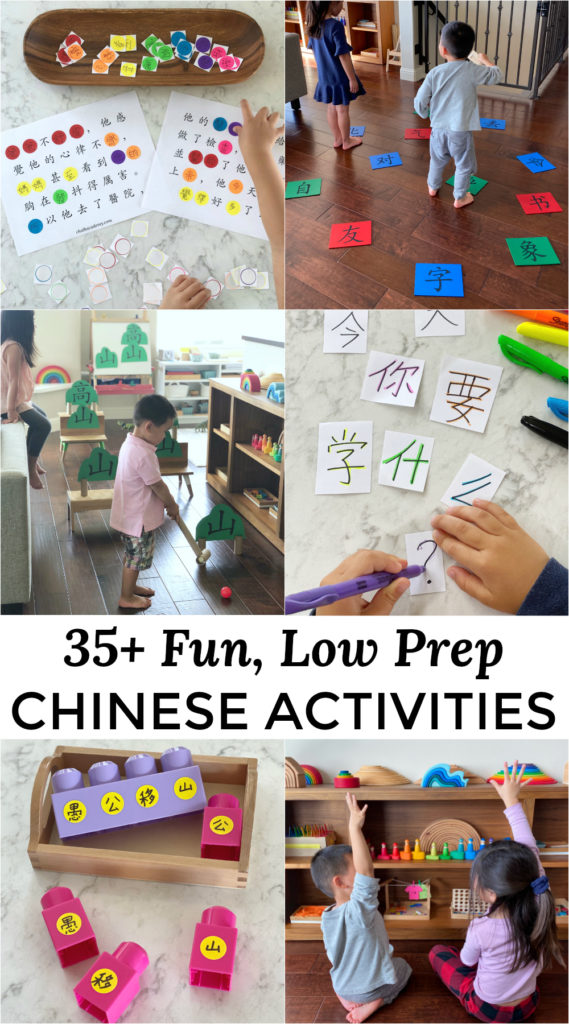
1. Use Interactive Games and Activities
Teaching Chinese can be made fun by incorporating interactive games and activities that engage students. For example, use flashcards with images to teach vocabulary or play charades to practice sentence structures. Here are some ideas:
- Memory matching games with Chinese characters and their meanings.
- Role-playing scenarios, like ordering food in a restaurant, to practice conversational skills.
- Board games adapted to include Chinese questions or challenges.
2. Incorporate Music and Songs
Music is a powerful tool for language learning. Use Chinese songs to teach pronunciation, tones, and vocabulary. Here’s how:
- Sing-along sessions with popular Chinese children’s songs or pop music.
- Lyric analysis to break down words and phrases.
- Create your own songs using simple Chinese phrases.
3. Leverage Technology and Apps
Modern tools like language-learning apps and online platforms can make Chinese lessons more dynamic. Consider these options:
- Duolingo or HelloChinese for gamified learning.
- YouTube videos with native speakers for listening practice.
- Virtual reality (VR) apps to simulate real-life conversations.
4. Storytelling and Cultural Immersion
Stories and cultural elements make learning Chinese engaging and meaningful. Try these approaches:
- Chinese folktales told in simple language.
- Celebrate festivals like Lunar New Year with themed lessons.
- Cook Chinese dishes while learning related vocabulary.
5. Hands-On Crafts and Visual Aids
Visual and tactile activities help reinforce learning. Use crafts and visuals to teach Chinese characters and concepts:
- Calligraphy practice with brushes and ink.
- DIY flashcards with drawings and pinyin.
- Posters and charts displaying common phrases or radicals.
Frequently Asked Questions (FAQ)
How can playing Codenames help in learning Chinese or other languages?
Codenames is an excellent language-learning tool because it encourages vocabulary expansion and critical thinking in the target language. By playing the game in Chinese, learners must actively recall and use words, reinforcing their memory through repetition. The game's structure also promotes contextual understanding, as players must associate clues with multiple words, deepening their grasp of meanings and usage. Additionally, the social and interactive nature of Codenames makes learning more engaging and less intimidating.
What are the best strategies for using Codenames to practice a new language?
To maximize language learning with Codenames, focus on simple, high-frequency words first, especially if you're a beginner. Use the game to practice giving and interpreting clues, which strengthens both speaking and listening skills. Another effective strategy is to limit the use of your native language during gameplay, forcing you to think in the target language. For advanced learners, try incorporating idiomatic expressions or cultural references to deepen fluency and cultural understanding.
Can beginners in Chinese benefit from playing Codenames, or is it too advanced?
Even beginners can benefit from playing Codenames in Chinese, as long as the game is adapted to their level. Start with a simplified word set featuring basic vocabulary, such as colors, numbers, or common objects. The game can help beginners practice word recognition and basic sentence structures in a low-pressure setting. Over time, as their skills improve, players can gradually introduce more complex words and phrases, making Codenames a scalable tool for language development.
How does Codenames compare to other language-learning games or methods?
Codenames stands out from traditional language-learning methods because it combines fun and interaction with practical skill-building. Unlike flashcards or rote memorization, the game requires players to think creatively and communicate effectively in the target language. Compared to other language games, Codenames offers a unique balance of teamwork and competition, which keeps learners motivated. However, it works best as a supplemental activity alongside structured lessons or immersion experiences for comprehensive language acquisition.
Leave a Reply
Related Posts