
Learning to hear the sounds and tones in Mandarin

Mastering the sounds and tones of Mandarin is a fundamental step in learning the language, yet it poses a unique challenge for many learners. Unlike English, Mandarin relies heavily on tones to distinguish meaning, making pronunciation a critical skill. With four distinct tones and a neutral tone, each syllable can convey different words entirely. This article explores effective techniques to train your ear, recognize subtle pitch variations, and produce accurate tones. Whether you're a beginner or refining your skills, understanding these auditory nuances will enhance your fluency and confidence in speaking Mandarin. Dive in to unlock the secrets of Mandarin’s melodic rhythm.
Mastering the Sounds and Tones in Mandarin: A Comprehensive Guide
Understanding the Four Main Tones in Mandarin
Mandarin Chinese is a tonal language, meaning that the pitch contour of a syllable can change its meaning. There are four primary tones:
1. First Tone (High-Level) – A steady, high pitch (e.g., mā – mother).
2. Second Tone (Rising) – A rising pitch (e.g., má – hemp).
3. Third Tone (Low-Dipping) – A dipping then rising pitch (e.g., mǎ – horse).
4. Fourth Tone (Falling) – A sharp, falling pitch (e.g., mà – scold).
| Tone | Pitch Pattern | Example |
|---|---|---|
| First Tone | High-Level (ˉ) | mā (妈) |
| Second Tone | Rising (ˊ) | má (麻) |
| Third Tone | Low-Dipping (ˇ) | mǎ (马) |
| Fourth Tone | Falling (ˋ) | mà (骂) |
The Importance of Neutral Tone in Mandarin
The neutral tone (轻声) is a light, unstressed syllable that appears in certain words, often affecting fluency. It is shorter and softer than the four main tones. For example:
- ma (吗) – A question particle pronounced with a neutral tone.
- zǐ (子) in háizi (孩子 – child) becomes neutral.
| Word | With Neutral Tone |
|---|---|
| 吗 (ma) | Question marker (neutral) |
| 孩子 (háizi) | zi is neutral |
Common Challenges When Distinguishing Mandarin Tones
Learners often struggle with:
- Confusing similar tones (e.g., Second vs. Third Tone).
- Tone sandhi rules, like when two Third Tones change (e.g., nǐ hǎo becomes ní hǎo).
- Regional accents affecting pronunciation.
| Challenge | Example |
|---|---|
| Tone Confusion | Second (má) vs. Third (mǎ) |
| Tone Sandhi | nǐ hǎo → ní hǎo |
Effective Techniques to Improve Tone Recognition
To master Mandarin tones:
- Listen and repeat native speakers.
- Use tone drills (minimal pairs like mā vs. mà).
- Practice with tone marks while reading Pinyin.
| Technique | Benefit |
|---|---|
| Listening Practice | Trains the ear for tones |
| Tone Pair Drills | Improves differentiation |
Resources for Practicing Mandarin Sounds and Tones
Useful tools include:
- Apps (e.g., Pleco, HelloChinese).
- YouTube channels (e.g., Yoyo Chinese).
- Language exchange with native speakers.
| Resource | Type |
|---|---|
| Pleco | Dictionary with audio |
| HelloChinese | Interactive learning |
What is the 3-3-3 rule in Mandarin?

What is the 3-3-3 Rule in Mandarin?
The 3-3-3 rule in Mandarin refers to a structured approach for learning and practicing the language. It breaks down into three key components: 3 words, 3 sentences, and 3 minutes. The idea is to focus on memorizing 3 new words, using them in 3 different sentences, and spending just 3 minutes daily to reinforce retention. This method emphasizes consistency and simplicity for beginners.
- 3 Words: Choose three new Mandarin words daily to expand vocabulary.
- 3 Sentences: Create three sentences using each word to understand context.
- 3 Minutes: Spend three minutes reviewing the words and sentences to solidify memory.
Why Use the 3-3-3 Rule for Learning Mandarin?
The 3-3-3 rule is effective because it simplifies language learning into manageable chunks. By focusing on small, daily goals, learners avoid overwhelm and build long-term retention.
See AlsoDuolingo Education: Language Learning Made Simple- Prevents Burnout: Short sessions reduce mental fatigue.
- Encourages Consistency: Daily practice reinforces learning.
- Builds Confidence: Mastering small tasks boosts motivation.
How to Apply the 3-3-3 Rule Effectively
To maximize the 3-3-3 rule, follow a structured routine. Select high-frequency words and practice them in varied contexts.
- Choose Practical Words: Pick words relevant to daily life (e.g., 吃 - eat).
- Write and Speak: Write sentences and say them aloud.
- Use Flashcards: Review words using apps or physical cards.
Common Mistakes When Using the 3-3-3 Rule
While the 3-3-3 rule is helpful, learners often make errors that hinder progress.
- Skipping Days: Inconsistency weakens retention.
- Overcomplicating Sentences: Keep sentences simple at first.
- Ignoring Pronunciation: Practice tones to avoid misunderstandings.
Advanced Tips for the 3-3-3 Rule in Mandarin
Once comfortable, enhance the 3-3-3 rule with advanced techniques.
See AlsoHow Much Can Duolingo Teach Us? Reviews In 2025- Incorporate Grammar: Add particles like 了 or 的 to sentences.
- Expand Vocabulary Themes: Focus on topics like travel or business.
- Record Yourself: Listen to improve pronunciation and fluency.
Can a tone deaf person learn Mandarin?

Can a Tone-Deaf Person Learn Mandarin Pronunciation?
Yes, a tone-deaf person can learn Mandarin, though it may be more challenging. Mandarin relies heavily on tones to distinguish meaning, but there are strategies to compensate for difficulty in pitch recognition:
- Visual aids like pitch contour diagrams can help associate tones with visual patterns.
- Using exaggerated repetition drills to internalize tone differences through muscle memory.
- Leveraging context in sentences to reduce reliance on perfect tone accuracy.
How Important Are Tones in Mandarin Communication?
While tones are critical in Mandarin, misunderstandings can often be clarified through context. Key points include:
- Native speakers may still deduce meaning from situational clues if tones are slightly off.
- Some words have identical tones but differ in context or written form.
- Grammatical structures and vocabulary can compensate for tonal inaccuracies.
What Tools Help Tone-Deaf Learners Master Mandarin?
Several tools and techniques can assist tone-deaf individuals in learning Mandarin effectively:
- Speech recognition apps (e.g., Pinyin trainers) provide instant feedback on tone accuracy.
- Color-coded systems represent tones visually to reinforce associations.
- Slow-motion audio breaks down tone transitions for clearer comprehension.
Can Written Mandarin Be Learned Without Mastering Tones?
Yes, written Mandarin (characters) can be studied independently of spoken tones. Key considerations:
- Characters convey meaning through radicals and structure, not sound.
- Learning Pinyin (Romanization) helps input characters digitally without perfect tones.
- Focusing on reading/writing first may build confidence before tackling pronunciation.
Are There Dialects or Alternatives for Tone-Deaf Mandarin Learners?
Some Mandarin dialects or related languages may be easier for tone-deaf learners:
- Shanghainese uses fewer tones than Standard Mandarin.
- Written Classical Chinese avoids tonal reliance entirely.
- Non-tonal languages like Japanese Kanji share some character meanings.
Is it difficult to follow the Mandarin tones?
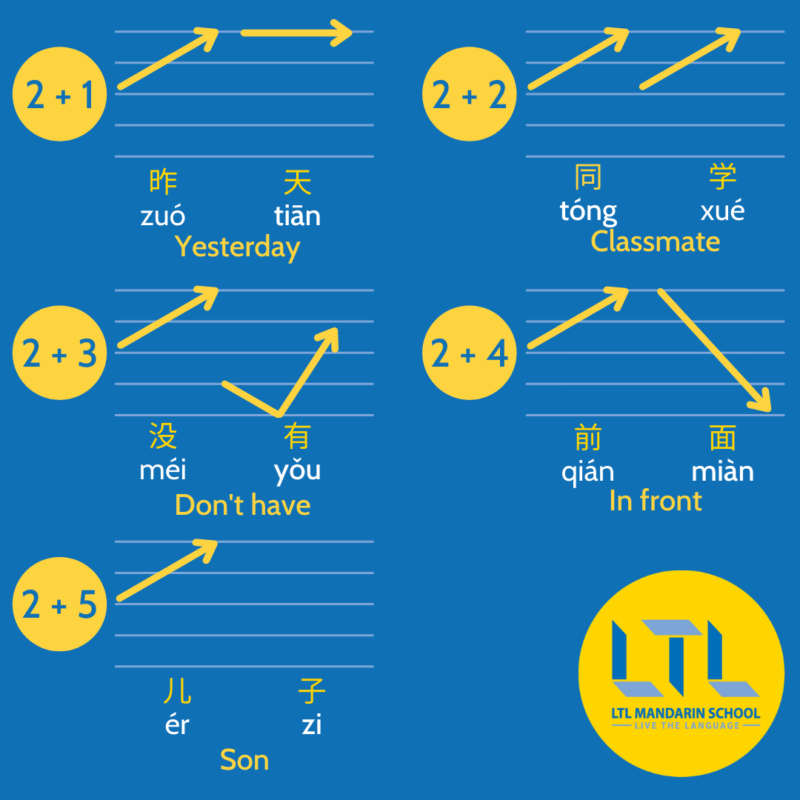
Why Are Mandarin Tones Challenging for Beginners?
Mandarin tones are often difficult for beginners because they are unfamiliar to speakers of non-tonal languages. The four main tones (plus a neutral tone) require precise pitch control, which can feel unnatural at first. Here are key reasons why they pose a challenge:
- Pitch sensitivity: Small variations in tone change word meanings entirely (e.g., mā vs. mà).
- Lack of equivalents: Many languages don’t use pitch for lexical distinctions.
- Listening comprehension: Discerning tones in fast speech requires training.
How Do Mandarin Tones Affect Meaning?
Tones in Mandarin are essential because they differentiate words that otherwise sound identical. Mispronouncing a tone can lead to misunderstandings. For example:
- Example: Shū (book) vs. Shǔ (mouse) vs. Shù (tree).
- Context reliance: Without correct tones, sentences become ambiguous.
- Minimal pairs: Many words differ only by tone, increasing memorization difficulty.
What Are Common Mistakes When Learning Mandarin Tones?
Learners often struggle with specific tone-related errors, such as:
- Confusing rising (Tone 2) and falling-rising (Tone 3): E.g., mái (buy) vs. mǎi (sell).
- Overlooking the neutral tone: It’s shorter and lighter but still critical.
- Inconsistent practice: Tones require daily repetition to master.
Can Tone Perception Be Improved with Practice?
Yes, consistent training can significantly improve tone recognition and production. Effective methods include:
- Shadowing native speakers: Mimicking tones in real-time builds muscle memory.
- Using tone drills: Apps or flashcards focusing on minimal pairs.
- Recording and comparing: Self-assessment helps identify errors.
Are Some Mandarin Tones Easier Than Others?
Difficulty varies by learner, but general trends exist:
- Tone 1 (high-level): Easier due to its steady pitch.
- Tone 4 (sharp falling): Often simpler for English speakers.
- Tone 3 (falling-rising): Hardest due to its contour and frequent sandhi changes.
How do you remember Chinese tones?
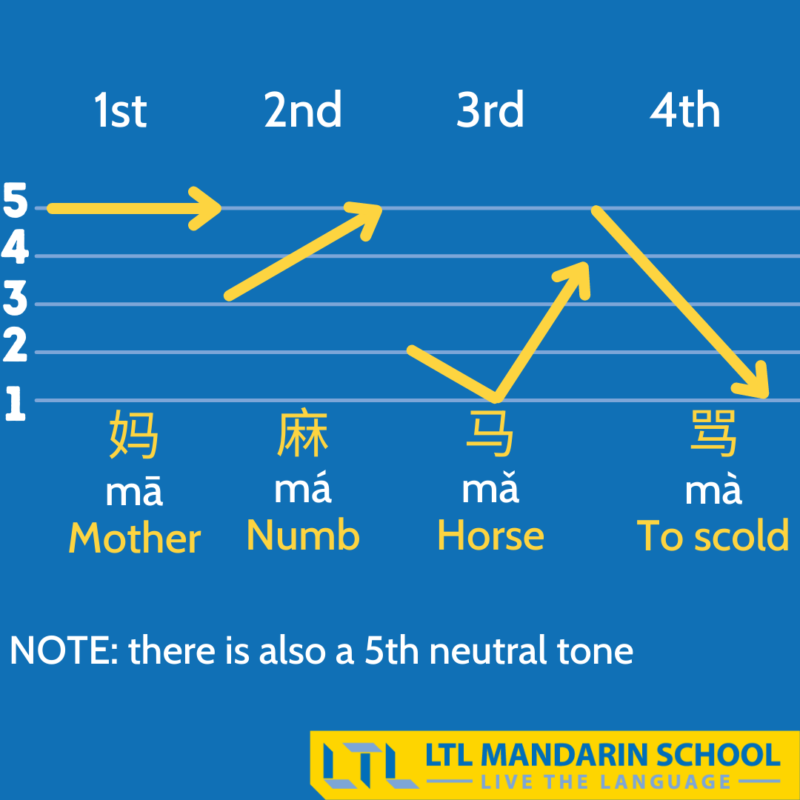
Understanding the Basics of Chinese Tones
Chinese tones are essential for proper pronunciation and meaning. Mandarin has four main tones and a neutral tone, each altering the meaning of a word. Here’s a breakdown:
- First tone (high-level): A steady, high pitch (e.g., mā 妈 - mother).
- Second tone (rising): Starts mid and rises (e.g., má 麻 - hemp).
- Third tone (falling-rising): Dips low before rising (e.g., mǎ 马 - horse).
- Fourth tone (falling): Sharp, abrupt drop (e.g., mà 骂 - scold).
- Neutral tone: Light and quick, often unstressed (e.g., ma 吗 - question particle).
Using Mnemonics to Memorize Tones
Mnemonics help associate tones with familiar sounds or patterns. For example:
- Visualize pitch contours: Draw the tone’s shape in the air while speaking.
- Link tones to emotions: First tone = calm, fourth tone = angry.
- Use English words: Mimic tones with phrases like huh? (second tone) or stop! (fourth tone).
Practicing with Tone Pairs
Tone pairs train your ear and mouth for natural speech. Focus on common combinations:
- 1-1 (high-level + high-level): fēijī (飞机 - airplane).
- 2-4 (rising + falling): shíjiān (时间 - time).
- 3-3 (falling-rising + falling-rising): The first often becomes second tone (e.g., nǐ hǎo → ní hǎo).
Leveraging Technology for Tone Mastery
Apps and tools provide interactive tone practice:
- Pinyin chart apps: Hear and repeat tones (e.g., Pleco).
- Speech recognition: Test accuracy with apps like HelloChinese.
- Tone drills: Use Anki decks focused on tone differentiation.
Immersion and Repetition Techniques
Consistent exposure reinforces tone memory:
- Shadowing: Mimic native speakers in videos or podcasts.
- Daily vocabulary lists: Include tones in flashcards.
- Singing Chinese songs: Melodies highlight tonal patterns.
Frequently Asked Questions (FAQ)
Why is it important to learn the sounds and tones in Mandarin?
Learning the sounds and tones in Mandarin is crucial because the language is tonal, meaning the pitch or intonation of a word can change its meaning entirely. For example, the syllable ma can mean mother (mā), hemp (má), horse (mǎ), or a scolding (mà) depending on the tone used. Mispronouncing tones can lead to misunderstandings, so mastering them early helps build a strong foundation for fluent communication and accurate comprehension.
What are the best techniques to practice Mandarin tones?
Effective techniques for practicing Mandarin tones include listening to native speakers, repeating words and phrases aloud, and using tone-pair drills to train your ear. Tools like Pinyin charts with audio, language apps, and shadowing exercises can also help. Additionally, recording yourself and comparing your pronunciation to native speakers allows you to identify and correct mistakes. Consistent practice with feedback from teachers or language partners is key to improvement.
How long does it take to master Mandarin tones?
The time it takes to master Mandarin tones varies depending on factors like your native language, exposure to Mandarin, and practice consistency. Some learners may grasp the basics in a few months, while others might take a year or more to feel confident. Regular immersion through listening and speaking accelerates progress. Patience and persistence are essential, as tone perception and production improve gradually over time.
Can I learn Mandarin tones without a teacher?
While it's possible to learn Mandarin tones independently, having a teacher or tutor provides valuable feedback and corrections. Self-learners can use resources like online courses, pronunciation guides, and language apps to practice. However, without guidance, it's easy to develop bad habits. Engaging with native speakers through language exchange or online communities can help bridge the gap if formal instruction isn't available.
Leave a Reply
Related Posts