
Learning Chinese is easier than you think

Many people believe that learning Chinese is an overwhelming challenge, but the reality is quite different. With its logical grammar, lack of verb conjugations, and consistent sentence structures, Mandarin Chinese is more approachable than it seems. The key lies in focusing on high-frequency vocabulary, mastering tones through practice, and using immersive techniques like watching shows or listening to music. Pinyin, the romanization system, also makes pronunciation accessible for beginners. By breaking the language into manageable steps and embracing daily practice, anyone can make steady progress. Whether for travel, business, or personal growth, learning Chinese is an achievable goal—and far easier than you might think.
Learning Chinese Is Easier Than You Think: Debunking Common Myths
1. Chinese Characters Are Not as Complex as They Seem
Many people believe that Chinese characters are overly complicated, but they often follow logical patterns. Characters are built from radicals (basic components) that provide clues to meaning and pronunciation. For example, the radical 水 (shuǐ, meaning water) appears in characters like 河 (hé, river) and 湖 (hú, lake). Breaking them down makes memorization easier.
| Character | Radical | Meaning |
|---|---|---|
| 河 (hé) | 氵(water) | River |
| 湖 (hú) | 氵(water) | Lake |
2. Mandarin Grammar Is Surprisingly Simple
Unlike many languages, Mandarin grammar lacks verb conjugations, gendered nouns, or complex tenses. Sentences often follow a straightforward Subject-Verb-Object (SVO) structure. For example, I eat an apple translates to 我吃苹果 (Wǒ chī píngguǒ), with no changes to the verb 吃 (chī, eat) based on tense or subject.
See Also6 benefits of learning Chinese through sports| English | Mandarin | Structure |
|---|---|---|
| She drinks tea. | 她喝茶 (Tā hē chá) | SVO |
| We study Chinese. | 我们学习中文 (Wǒmen xuéxí Zhōngwén) | SVO |
3. Pinyin Makes Pronunciation Accessible
The pinyin system uses the Roman alphabet to represent Chinese sounds, making pronunciation manageable for beginners. For instance, hello is written as 你好 (nǐ hǎo) in characters but sounds like nee how in pinyin. Mastering the four tones is key, but practice tools (like apps) simplify this process.
| Word | Pinyin | Meaning |
|---|---|---|
| 谢谢 | xièxie | Thank you |
| 中国 | Zhōngguó | China |
4. Cognates and Loanwords Reduce Vocabulary Burden
Modern Mandarin includes many loanwords from English, such as 咖啡 (kāfēi, coffee) and 沙发 (shāfā, sofa). Recognizing these can accelerate learning. Additionally, compound words often combine simpler characters, like 电话 (diànhuà, phone), which literally means electric speech.
| Loanword | Pinyin | English |
|---|---|---|
| 巧克力 | qiǎokèlì | Chocolate |
| 汉堡 | hànbǎo | Hamburger |
5. Immersive Tools Make Learning Engaging
From language apps (Duolingo, HelloChinese) to TV shows with subtitles, immersion is easier than ever. Practicing with native speakers via platforms like iTalki or Tandem also builds confidence. Even labeling household items with Chinese characters can reinforce daily learning.
See AlsoChinese Labour Corps: The Forgotten 100,000 Who Fought Alongside Britain in WWI| Tool | Use |
|---|---|
| HelloChinese | Interactive lessons |
| Pleco | Dictionary/flashcards |
Why is Chinese the easiest language to learn?

Simple Grammar Structure
One of the reasons Chinese is considered easy to learn is its straightforward grammar. Unlike many languages, Chinese lacks complex conjugations, tenses, or gendered nouns. Here’s why this makes it simpler:
- No verb conjugations: Verbs remain the same regardless of subject or tense.
- No plural forms: Nouns don’t change for singular or plural (e.g., one cat or five cat).
- Fixed word order: Sentences follow a predictable Subject-Verb-Object (SVO) pattern.
Logical Writing System
While Chinese characters may seem intimidating, they are often built from logical components. Many characters combine radicals (hints to meaning) and phonetics (hints to pronunciation). Key advantages include:
See Also30 Useful Chengyu (Chinese Idioms) for Everyday Life and Work- Radicals provide clues: For example, the water radical (氵) appears in characters like 河 (river) or 湖 (lake).
- Compound characters: Words like 电话 (diànhuà, phone) break down into electric + speech.
- Consistent patterns: Once you learn common components, new characters become easier to decode.
No Pronunciation Exceptions
Pinyin, the Romanization system for Chinese, has clear pronunciation rules with no silent letters or irregular spellings. Benefits include:
- Each letter corresponds to one sound: Unlike English, c always sounds like ts.
- Tones are predictable: While mastering tones takes practice, they follow consistent rules.
- No stress patterns: Syllables are equally emphasized, unlike in languages like Russian or English.
High-Frequency Vocabulary
Chinese relies heavily on high-frequency words, meaning a small vocabulary can go a long way. For example:
- Common word combinations: Airplane (飞机) is simply fly + machine.
- Reusable characters: The character 人 (rén, person) appears in 男人 (man), 女人 (woman), etc.
- Contextual clarity: Many words derive meaning from context, reducing memorization.
Cultural and Practical Incentives
Learning Chinese is motivating due to its global relevance and cultural immersion opportunities. Key factors include:
See AlsoSkritter review: Boosting your Chinese character learning- Media accessibility: Chinese films, music, and apps provide engaging practice.
- Business demand: Proficiency opens doors in trade, tech, and diplomacy.
- Community support: Large Chinese-speaking communities worldwide offer practice partners.
How long does it realistically take to learn Chinese?
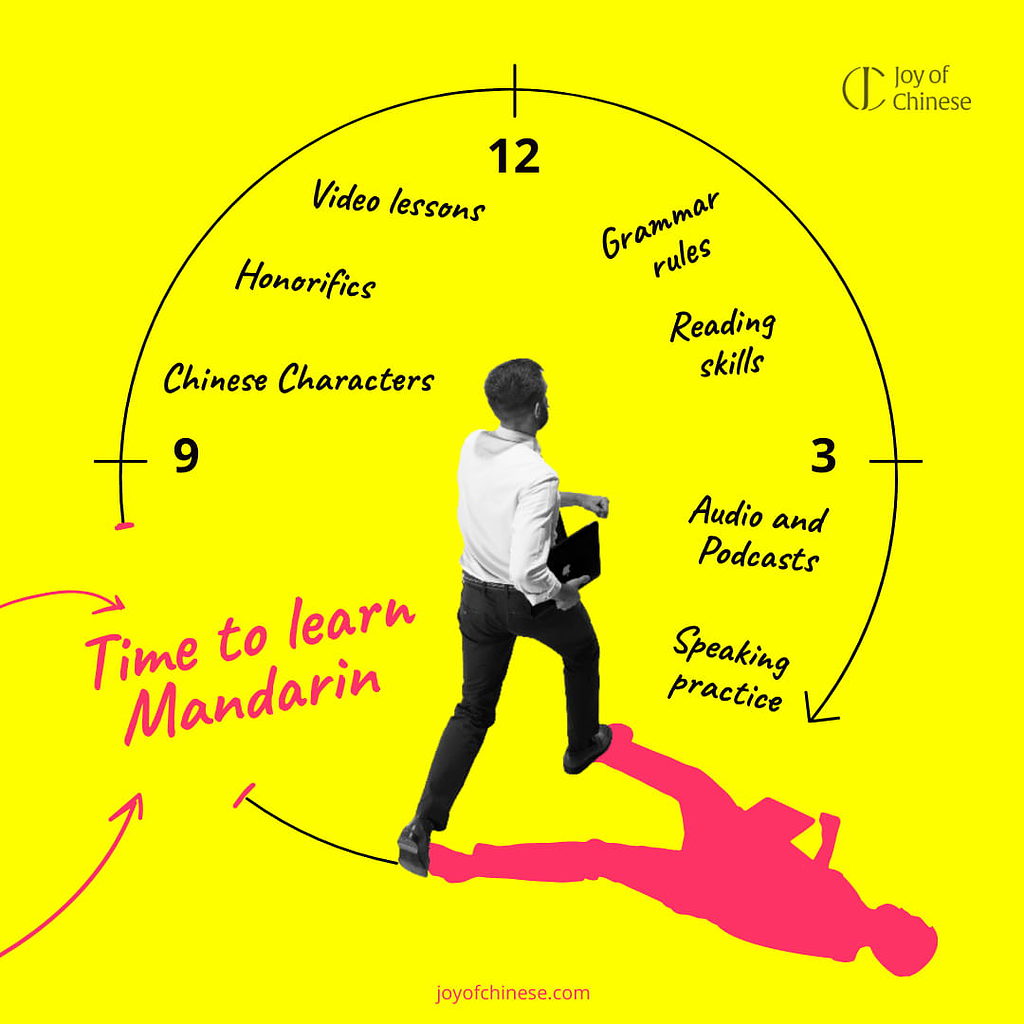
Factors That Influence the Time to Learn Chinese
The time it takes to learn Chinese varies based on several factors, including:
- Prior language experience: Knowing other tonal languages like Vietnamese or Thai can speed up the process.
- Study intensity: Dedication matters—studying 20 hours a week yields faster results than 5 hours.
- Learning environment: Immersion in a Chinese-speaking country accelerates proficiency.
Basic Proficiency: Survival Chinese
To reach basic conversational fluency (A2 level), expect:
- 3–6 months with consistent daily practice (1–2 hours/day).
- Mastery of 300–500 words and simple sentence structures.
- Ability to handle daily tasks like ordering food or asking for directions.
Intermediate Fluency: Holding Conversations
Achieving intermediate fluency (B1-B2) typically requires:
- 1–2 years of structured study or immersion.
- 1,500–3,000 words and understanding of common idioms.
- Comfort discussing familiar topics like hobbies or work.
Advanced Mastery: Near-Native Level
Reaching advanced proficiency (C1-C2) demands:
- 3–5+ years of rigorous study, often including formal education.
- 5,000+ words and nuanced grammar comprehension.
- Ability to debate, read literature, or work professionally in Chinese.
Accelerating Your Learning Process
To learn faster, consider these strategies:
- Immerse yourself: Watch Chinese media or use language apps daily.
- Practice speaking: Engage with native speakers via tutors or exchanges.
- Focus on characters: Prioritize radicals and common hanzi early on.
Can learning Chinese be easy?
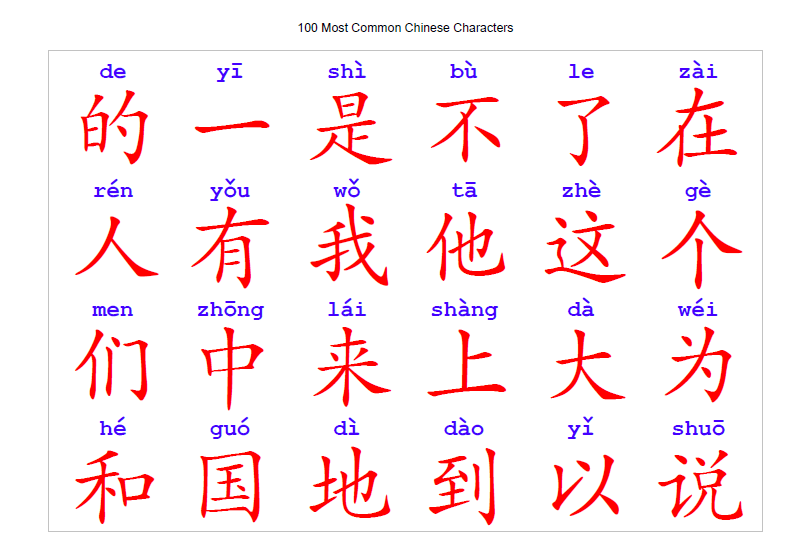
Is Chinese Grammar Difficult to Learn?
Chinese grammar is often considered simpler than many European languages because it lacks verb conjugations, tenses, and gendered nouns. However, it relies heavily on word order and particles to convey meaning. Here are key points to consider:
- No verb conjugations: Verbs remain the same regardless of tense or subject.
- Context-based: Time indicators (e.g., yesterday) replace tense changes.
- Measure words: Required when counting nouns, adding complexity.
How Hard Is Chinese Pronunciation?
Mandarin Chinese uses tones, which can be challenging for learners unfamiliar with tonal languages. Mispronouncing a tone can change a word's meaning entirely. Key aspects include:
- Four tones + neutral: Each syllable's pitch must be precise.
- Pinyin system: Romanization helps but doesn’t replace tone mastery.
- Practice-heavy: Listening and repetition are essential.
Does Chinese Have a Difficult Writing System?
Chinese characters (Hanzi) are logograms, requiring memorization of thousands of symbols. However, systematic learning can ease the process:
- Radicals: Building blocks of characters help in recognition.
- Simplified vs. traditional: Simplified characters are easier but less used in some regions.
- Repetition: Writing practice is crucial for retention.
Are There Resources to Make Learning Chinese Easier?
Modern tools and methods can significantly simplify learning Chinese. Here are some effective resources:
- Apps: Duolingo, HelloChinese, and Anki for vocabulary.
- Media immersion: Watching Chinese shows or listening to music.
- Language partners: Platforms like Tandem or HelloTalk for practice.
Can Motivation Affect How Easy Chinese Feels?
Motivation plays a huge role in perceived difficulty. Learners with clear goals (e.g., work, travel) often progress faster. Key factors include:
- Consistency: Daily practice yields better results.
- Cultural interest: Passion for Chinese culture aids retention.
- Support systems: Classes or tutors provide structure.
Frequently Asked Questions (FAQ)
Is Chinese really easier to learn than people assume?
Many learners are surprised to discover that Chinese grammar is actually simpler than many European languages. Unlike English or Spanish, Chinese has no verb conjugations, no gendered nouns, and no complex tenses. The sentence structure is often straightforward, relying on context rather than intricate rules. While tones and characters may seem intimidating at first, consistent practice makes them manageable.
How long does it take to become conversational in Chinese?
With daily practice and the right resources, learners can achieve basic conversational fluency in as little as 6–12 months. Focus on mastering high-frequency phrases and pinyin early on to build confidence. Immersion through media or language exchange accelerates progress, as listening and speaking skills develop faster when used regularly.
What’s the hardest part of learning Chinese?
The biggest challenge for most learners is memorizing Chinese characters, as they require visual recognition and repetition. However, breaking characters into radicals (building blocks) simplifies the process. Tones also pose difficulty initially, but tools like pinyin and voice-recording apps help train pronunciation. Over time, these hurdles become easier with consistent exposure.
Can I learn Chinese without focusing on writing characters?
Yes! While reading and writing characters deepen understanding, many learners prioritize spoken Chinese first. Using pinyin (Romanized Chinese) allows you to communicate effectively without mastering characters immediately. However, learning even basic characters enhances vocabulary retention and unlocks resources like books or subtitles. Tailor your approach based on your goals—fluency doesn’t require calligraphy-level writing skills.
Leave a Reply
Related Posts