
Guanxi in China: A Little Understood Concept in the West

In China, guanxi is a fundamental aspect of social and business interactions, yet it remains widely misunderstood in the West. Often simplified as connections or networking, guanxi encompasses deeper cultural nuances, rooted in trust, reciprocity, and long-term relationships. Unlike Western transactional networking, guanxi relies on mutual obligation and personal bonds, shaping everything from business deals to bureaucratic processes. For outsiders, navigating this intricate system can be challenging, as it operates on unwritten rules and implicit understandings. This article explores the complexities of guanxi, its role in Chinese society, and why Western interpretations often fall short of grasping its true significance in shaping professional and personal dynamics.
- Guanxi in China: A Little Understood Concept in the West
- What is the concept of guanxi in China?
- What is the Chinese principle of guanxi?
- What is guanxi as a gateway in Chinese Western business relationships?
- How can a better understanding of guanxi improve your business in China?
- Frequently Asked Questions (FAQ)
Guanxi in China: A Little Understood Concept in the West
Detailed Explanation:
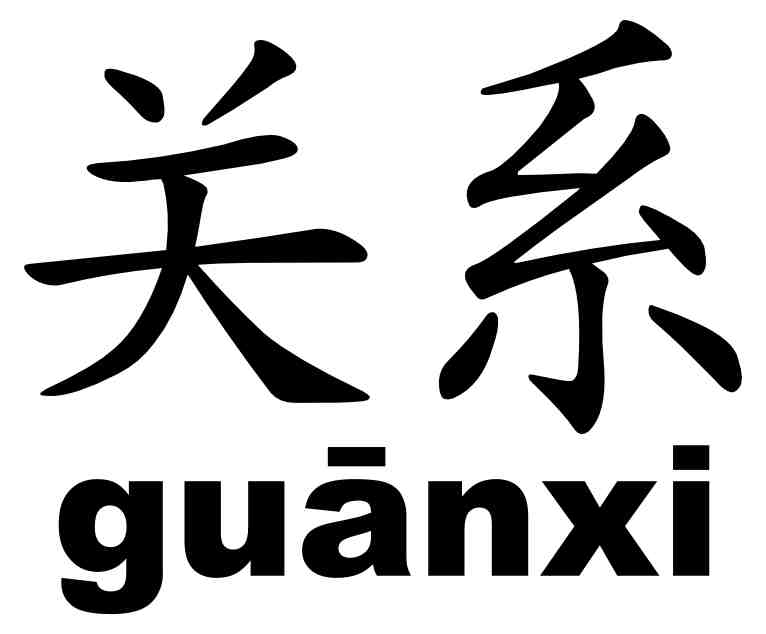
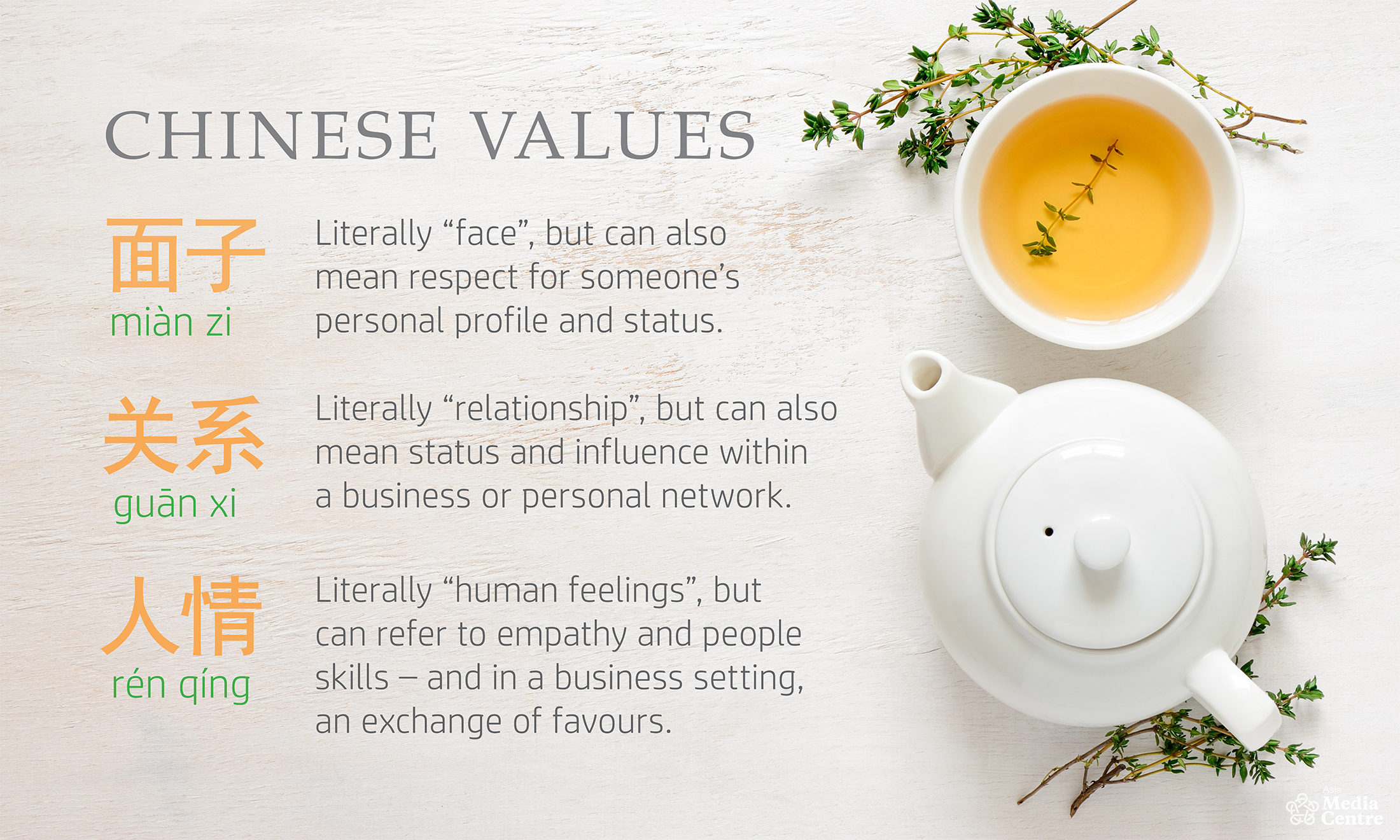
Guanxi (关系) is a fundamental aspect of Chinese culture that refers to the system of social networks, relationships, and mutual obligations that govern personal and professional interactions in China. Unlike Western notions of networking, guanxi is deeply rooted in trust, reciprocity, and long-term commitment. It influences business deals, political connections, and everyday social exchanges. While Westerners often misinterpret it as mere favoritism or corruption, guanxi is a nuanced and culturally embedded practice that strengthens social cohesion in China.
1. What Exactly Is Guanxi?
Detailed Explanation:
Guanxi is a relational dynamic that binds individuals through mutual dependence and obligation. It is not just about exchanging favors but maintaining trustworthiness and loyalty over time. Unlike Western business relationships, which are often transactional, guanxi requires continuous nurturing. Breaking a guanxi bond can lead to loss of face (mianzi) and social repercussions.
| Key Aspect | Description |
|---|---|
| Reciprocity | Favors must be repaid to maintain balance. |
| Long-term Focus | Relationships are cultivated over years, not just for immediate gain. |
| Trust | Breaking promises damages one's reputation irreparably. |
2. How Guanxi Differs from Western Networking
Detailed Explanation:
In the West, networking is often goal-oriented and short-term, focusing on immediate professional benefits. Guanxi, however, is holistic, blending personal and professional life. Westerners may see it as nepotism, but in China, it is about building enduring alliances. A key difference is that guanxi relies on emotional bonds, whereas Western networking prioritizes efficiency and individual merit.
| Aspect | Guanxi | Western Networking |
|---|---|---|
| Duration | Lifelong commitment | Short-term or situational |
| Basis | Trust and loyalty | Professional competence |
3. The Role of Guanxi in Chinese Business
Detailed Explanation:
In Chinese business culture, guanxi can determine deal success, career advancement, and market access. Companies often prioritize partners with strong guanxi over those with better offers but weaker connections. Foreign businesses entering China must invest time in relationship-building—dinners, gifts, and personal interactions—to establish credibility. Without guanxi, negotiations often stall.
| Business Scenario | Guanxi's Influence |
|---|---|
| Contract Signing | Deals move faster with trusted guanxi partners. |
| Dispute Resolution | Mediation through mutual connections is preferred over legal action. |
4. Common Misconceptions About Guanxi
Detailed Explanation:
Many Westerners mistakenly equate guanxi with bribery or corruption. While abuses exist, guanxi itself is a neutral social mechanism. Another misconception is that it’s purely utilitarian—in reality, guanxi involves genuine care and emotional investment. Dismissing it as unfair ignores its cultural significance in maintaining societal harmony.
| Misconception | Reality |
|---|---|
| It's just bribery. | Guanxi is based on mutual respect, not just material exchange. |
| It's only for business. | It permeates all aspects of life, from family to politics. |
Detailed Explanation:
For Westerners, adapting to guanxi requires patience and cultural sensitivity. Key strategies include:
- Showing respect for hierarchy and seniority.
- Giving thoughtful gifts (avoiding overly expensive items, which may seem like bribes).
- Honoring commitments to build trust.
- Learning indirect communication to avoid causing embarrassment (losing face).
| Action | Purpose |
|---|---|
| Attending banquets | Demonstrates willingness to engage socially. |
| Using intermediaries | Helps bridge cultural gaps in negotiations. |
What is the concept of guanxi in China?
The Definition and Origins of Guanxi
Guanxi is a fundamental concept in Chinese culture that refers to the system of social networks and relationships built on mutual obligations, trust, and reciprocity. Originating from Confucian values, it emphasizes the importance of interpersonal connections in both personal and professional life. Unlike Western networking, guanxi is deeply rooted in long-term loyalty and moral duty.
See AlsoThe Cthulhu bubble and studying Chinese- Confucian Influence: Stresses hierarchical relationships and moral responsibilities.
- Reciprocity: Favors or gifts create a cycle of mutual obligation.
- Trust-Based: Relationships are maintained through reliability and integrity.
The Role of Guanxi in Business
In China, guanxi is critical for business success, as it facilitates smoother transactions, partnerships, and negotiations. Companies often rely on personal connections to secure deals, bypass bureaucratic hurdles, or gain insider advantages. Without strong guanxi, foreign businesses may struggle to navigate the local market.
- Deal-Making: Contracts often depend on trust rather than legal terms.
- Market Entry: Local partners with strong guanxi can expedite approvals.
- Long-Term Loyalty: Business relationships are nurtured over years, not just transactions.
Guanxi vs. Western Networking
While Western networking focuses on professional connections for career advancement, guanxi is more personal and involves emotional bonds. In China, relationships are not transactional but built on loyalty and reciprocal favors, often spanning generations.
- Emotional Depth: Guanxi involves personal care and sincerity.
- Longevity: Relationships endure beyond immediate benefits.
- Moral Duty: Breaking guanxi can damage one's reputation irreparably.
How to Build and Maintain Guanxi
Establishing guanxi requires time, effort, and genuine engagement. Key strategies include offering favors, attending social gatherings, and showing consistent respect. Unlike superficial networking, guanxi demands authentic investment in relationships.
- Gift-Giving: Symbolic gestures strengthen bonds.
- Face (Mianzi): Preserving dignity is crucial in interactions.
- Regular Contact: Frequent communication maintains trust.
The Ethical and Legal Implications of Guanxi
While guanxi is culturally ingrained, it can blur ethical boundaries, leading to accusations of corruption or nepotism. In recent years, China has cracked down on excessive guanxi practices that violate anti-bribery laws, though the line between relationship-building and illegality remains nuanced.
- Bribery Risks: Excessive gifts may be seen as bribes.
- Corporate Policies: Multinationals enforce strict compliance rules.
- Cultural Balance: Navigating guanxi without crossing legal limits.
What is the Chinese principle of guanxi?
The Definition of Guanxi in Chinese Culture
Guanxi refers to the intricate network of personal relationships and social connections that underpin interactions in Chinese society. It emphasizes mutual obligations, trust, and reciprocity, often transcending formal business or legal frameworks. Key aspects include:
- Trust-building: Relationships are cultivated over time through repeated interactions.
- Reciprocity: Favors given are expected to be returned in the future.
- Long-term focus: Guanxi is not transactional but built for sustained collaboration.
The Role of Guanxi in Business
In Chinese business culture, guanxi is critical for success, as it facilitates smoother negotiations, partnerships, and access to resources. Companies often rely on these connections to navigate bureaucratic hurdles or secure deals. Important elements include:
- Gatekeeping: Strong guanxi can open doors otherwise closed to outsiders.
- Reputation: A well-connected individual or firm gains credibility.
- Conflict resolution: Disputes are often resolved through trusted intermediaries.
How Guanxi Differs from Western Networking
Unlike Western networking, which is often transactional and short-term, guanxi is deeply rooted in personal loyalty and emotional bonds. Key distinctions include:
- Emotional investment: Guanxi requires genuine care and attention.
- Hierarchy: Relationships are often influenced by social status.
- Informality: Many agreements are based on trust rather than contracts.
The Ethical Implications of Guanxi
While guanxi can foster collaboration, it also raises ethical concerns, particularly around favoritism and corruption. Balancing tradition with modern governance is a challenge. Considerations include:
- Transparency: Excessive reliance on guanxi may undermine fair practices.
- Legal boundaries: Some exchanges may blur into bribery.
- Cultural expectations: Rejecting guanxi can be seen as disrespectful.
Building and Maintaining Guanxi
Establishing guanxi requires effort, patience, and cultural sensitivity. Strategies for nurturing these relationships include:
- Face-to-face meetings: Personal interactions are highly valued.
- Gift-giving: Symbolic gestures strengthen bonds.
- Consistency: Regular communication maintains trust.
What is guanxi as a gateway in Chinese Western business relationships?

The Role of Guanxi in Facilitating Chinese-Western Business Partnerships
Guanxi serves as a critical gateway in Chinese-Western business relationships by establishing trust and mutual obligation between parties. In China, business dealings heavily rely on interpersonal connections, which are built over time through reciprocity and shared interests. For Western businesses, understanding and leveraging guanxi can mean the difference between success and failure in the Chinese market. Key aspects include:
- Trust-building: Guanxi fosters long-term trust, reducing perceived risks in transactions.
- Access to opportunities: Strong connections often unlock doors to deals, partnerships, or approvals that might otherwise be inaccessible.
- Cultural alignment: Demonstrating respect for guanxi signals cultural competence, enhancing collaboration.
How Guanxi Differs from Western Networking
While Western networking focuses on professional exchanges and short-term gains, guanxi emphasizes deep, personal relationships with long-term commitments. Unlike transactional Western models, guanxi requires ongoing investment, such as favors and emotional support. Key distinctions include:
- Reciprocity: Guanxi demands a balance of give-and-take, whereas Western networking may prioritize immediate benefits.
- Emotional bonds: Relationships in guanxi often extend beyond business into personal life.
- Time investment: Building guanxi takes years, contrasting with faster-paced Western networking.
Western companies often struggle with guanxi due to cultural misunderstandings or impatience. Missteps can lead to lost opportunities or damaged reputations. Common challenges include:
- Misinterpreting reciprocity: Failing to uphold mutual obligations can break trust.
- Overlooking hierarchy: Ignoring seniority or status in relationships may offend counterparts.
- Short-term mindset: Expecting quick results contradicts the gradual nature of guanxi.
Strategies for Western Firms to Build Effective Guanxi
To harness guanxi, Western businesses must adapt their approach to align with Chinese cultural expectations. Practical strategies include:
- Investing time: Regularly engage with partners beyond formal meetings.
- Leveraging intermediaries: Use local agents or consultants with established connections.
- Demonstrating sincerity: Show genuine interest in partners' needs and well-being.
The Ethical Considerations of Guanxi in Business
While guanxi is a powerful tool, it can blur lines between legitimate relationship-building and unethical favoritism. Western firms must navigate this carefully to avoid compliance risks. Key considerations include:
- Gifts and favors: Excessive generosity may be seen as bribery under Western laws.
- Transparency: Maintain clear records to distinguish guanxi from corruption.
- Cultural sensitivity: Balance local practices with global ethical standards.
How can a better understanding of guanxi improve your business in China?

How Does Guanxi Enhance Business Trust in China?
A strong grasp of guanxi fosters deeper trust between business partners in China, which is essential for long-term success. Unlike Western transactions, Chinese business culture prioritizes relationships over contracts. Here’s how guanxi builds trust:
- Personal connections reduce skepticism, as deals are often based on mutual acquaintances.
- Reciprocity ensures both parties feel obligated to uphold their end of the agreement.
- Face (mianzi) is preserved, meaning neither side risks damaging their reputation by acting dishonestly.
Why Is Guanxi Critical for Market Entry in China?
Navigating China’s complex regulatory and competitive landscape requires local insights and connections. Guanxi accelerates market entry by:
- Simplifying bureaucracy through introductions to key officials or stakeholders.
- Unlocking partnerships with distributors, suppliers, or influencers who value trusted referrals.
- Mitigating risks by relying on networks that provide reliable market intelligence.
How Can Guanxi Improve Negotiations in Chinese Business?
In China, negotiations are rarely purely transactional—guanxi shapes outcomes. A relationship-focused approach helps by:
- Creating leverage through mutual dependencies and favors.
- Encouraging flexibility, as parties are more willing to compromise for long-term gains.
- Reducing conflicts, since disputes are resolved informally within the network.
What Role Does Guanxi Play in Supplier and Client Retention?
Maintaining loyalty in China’s business ecosystem hinges on guanxi. It ensures stability by:
- Prioritizing repeat business with familiar partners over new, untested ones.
- Offering preferential terms to those within the network, such as payment flexibility.
- Resolving issues discreetly, avoiding public disputes that could harm reputations.
How Does Guanxi Facilitate Crisis Management in China?
When challenges arise, guanxi serves as a safety net. Strong relationships enable:
- Swift interventions from contacts who can mediate or provide solutions.
- Access to insider information, helping businesses anticipate and adapt to disruptions.
- Support during scandals, as allies may defend or assist in reputation recovery.
Frequently Asked Questions (FAQ)
What exactly is Guanxi in Chinese culture?
Guanxi refers to the intricate system of social networks and personal relationships that underpin business, politics, and daily life in China. Unlike Western notions of networking, which often focus on transactional exchanges, Guanxi emphasizes long-term mutual obligations, trust, and reciprocity. It is deeply rooted in Confucian values, where maintaining harmonious relationships is paramount. Without a strong understanding of Guanxi, outsiders may struggle to navigate Chinese society effectively, as it influences everything from career advancement to securing deals.
Why is Guanxi often misunderstood in the West?
Many Westerners misinterpret Guanxi as mere nepotism or corruption, overlooking its cultural and ethical dimensions. In China, Guanxi is not just about exchanging favors but about building enduring trust and loyalty. Western business practices tend to prioritize contracts and legal frameworks, whereas Guanxi relies on personal bonds and moral duty. This fundamental difference leads to misconceptions, as Westerners may view Guanxi as unethical rather than recognizing its role in fostering social cohesion and collaboration.
How does Guanxi impact business dealings in China?
In Chinese business culture, Guanxi is often the cornerstone of successful negotiations and partnerships. Companies or individuals with strong Guanxi can access better opportunities, faster approvals, and more favorable terms. Unlike in the West, where deals are sealed with signatures, in China, trustworthiness and reputation within a network often determine outcomes. Neglecting Guanxi can lead to missed opportunities or even failure, as Chinese counterparts may prioritize working with those who have proven their commitment to the relationship over time.
Can foreigners develop Guanxi in China, and if so, how?
Yes, foreigners can cultivate Guanxi, but it requires time, effort, and cultural sensitivity. Building Guanxi begins with showing respect for Chinese customs, such as exchanging gifts or attending social gatherings. Consistency is key—reliability and reciprocity strengthen bonds. Learning basic Mandarin and understanding local etiquette can also demonstrate sincerity. However, foreigners should avoid forcing relationships; Guanxi develops naturally through genuine interactions and shared experiences. Patience is essential, as trust is earned gradually, not overnight.
Leave a Reply
Related Posts