
Why Email Isn’t Used in China

In China, email has never gained the same widespread popularity as in Western countries. Despite being a global communication staple, platforms like WeChat and QQ dominate daily interactions, offering seamless integration of messaging, payments, and social features. Cultural preferences for instant, multimedia-rich communication, combined with strict internet regulations, have shaped this divergence. Businesses and individuals alike prioritize convenience and efficiency, often favoring apps that consolidate multiple functions over traditional email. Additionally, spam and security concerns have further diminished email's appeal. This article explores the unique factors behind email's limited role in China, shedding light on how technology adapts to cultural and regulatory landscapes.
Why Email Isn’t Widely Used in China
In China, email is not the primary method of communication, unlike in many Western countries. The preference for instant messaging platforms, cultural habits, and business practices have significantly reduced the reliance on email. Below, we explore the key reasons behind this phenomenon.
1. The Dominance of WeChat and Other Messaging Apps
WeChat is the most widely used communication platform in China, serving as an all-in-one app for messaging, payments, and social media. Unlike email, which is seen as formal and slow, WeChat offers instant communication, voice messages, and group chats, making it more convenient for daily interactions. Businesses and individuals prefer these apps due to their efficiency and multifunctionality.
See AlsoDiversify how you study Chinese to learn more| Platform | Usage in China |
|---|---|
| Over 1 billion active users | |
| Popular among younger generations | |
| Mostly for formal or international communication |
2. Cultural Preference for Instant Communication
Chinese culture values speed and real-time interaction, which is why messaging apps thrive. Email is often perceived as outdated and inefficient for quick exchanges. Face-to-face meetings or instant messages are preferred in both personal and professional settings.
3. Business Communication Relies on Different Tools
In Chinese workplaces, DingTalk (by Alibaba) and WeChat Work are commonly used for internal communication. These platforms integrate task management, scheduling, and file sharing, reducing the need for email. Companies find these tools more streamlined for collaboration.
| Business Tool | Functionality |
|---|---|
| DingTalk | Workplace messaging, task management |
| WeChat Work | Team chats, file sharing, approvals |
4. Email is Seen as Too Formal or Impersonal
Unlike in Western countries, where email is standard for professional communication, Chinese professionals often view it as too rigid. Quick voice messages or short texts are preferred to maintain a more personal touch.
See Also10 ways of using games to learn and teach Chinese5. Spam and Security Concerns
Email inboxes in China are often flooded with spam and phishing attempts, making users wary. Messaging apps have better spam filters and verification processes, increasing trust among users.
| Issue | Impact on Email Usage |
|---|---|
| Spam emails | Reduces trust in email communication |
| Security risks | Encourages use of more secure platforms |
Why don't Chinese use email?
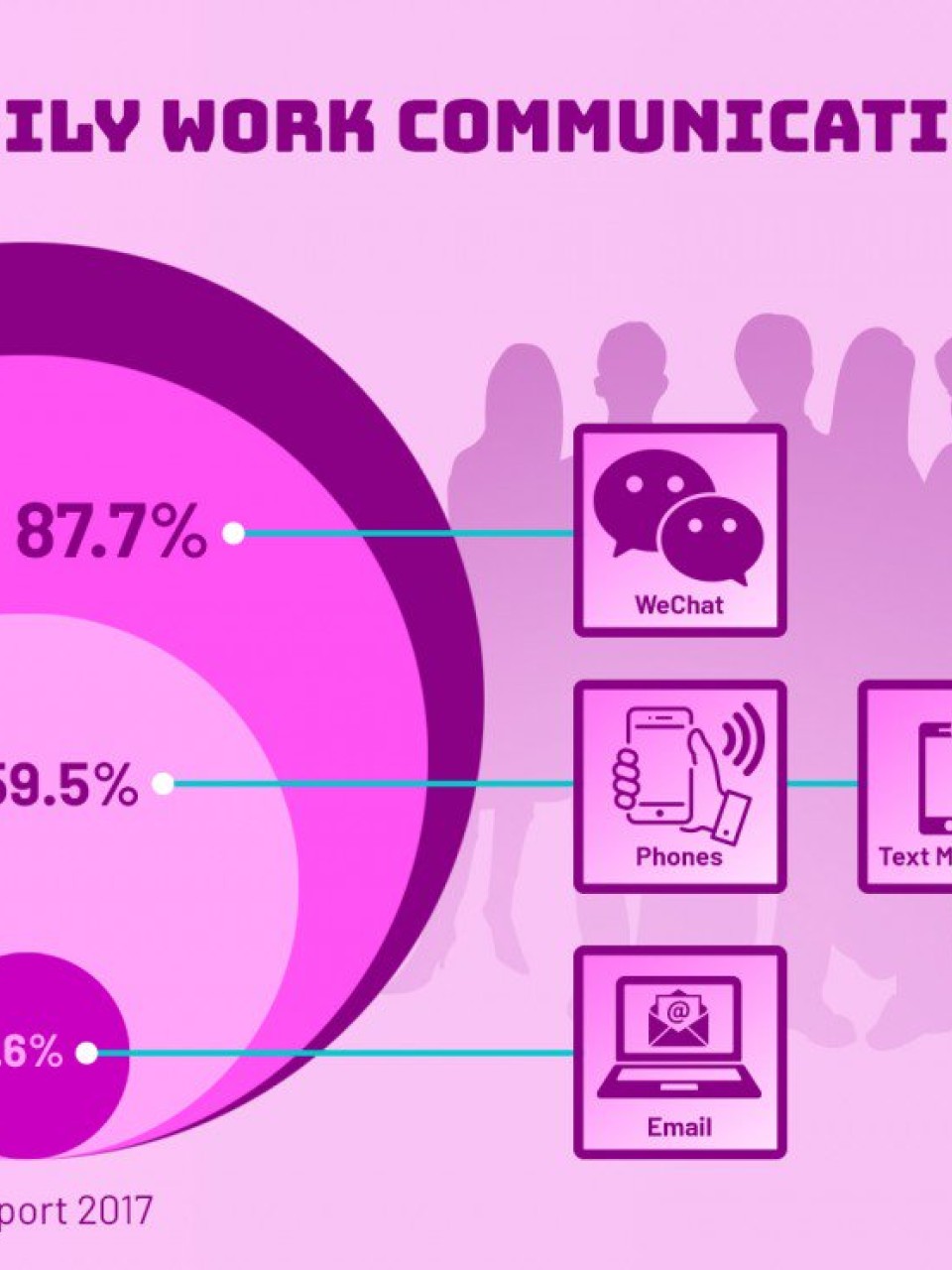
The Dominance of Messaging Apps in China
Chinese users heavily rely on messaging apps like WeChat and QQ instead of email due to their convenience and multifunctionality. These platforms integrate:
See AlsoHow to Wish Someone A Happy Birthday in Chinese!- Instant communication with text, voice, and video.
- Payment systems for seamless transactions.
- Social media features to share updates and media.
Cultural Preferences for Real-Time Communication
In China, there is a cultural inclination toward real-time interaction, making email seem slow and impersonal. Key reasons include:
- Speed—messaging apps deliver immediate responses.
- Informality—preferred for both personal and professional exchanges.
- Group chats—widely used for collaboration and socializing.
Email's Limited Integration in Business
While email is used in formal settings, many Chinese businesses opt for alternative tools due to:
- WeChat Work—a dedicated business version of WeChat.
- Alibaba's DingTalk—specialized for corporate communication.
- Local CRM systems—tailored to Chinese workflows.
Government and Censorship Factors
China's internet regulations influence communication habits, including:
- Firewall restrictions—limiting access to foreign email services.
- Data monitoring—easier on domestic platforms.
- Encouragement of local apps—to maintain control over digital spaces.
Technological Advancements in Local Platforms
Chinese tech companies have developed super-apps that reduce the need for email by offering:
- All-in-one functionality—combining messaging, payments, and services.
- Better localization—catering to Chinese user behavior.
- Innovative features—like mini-programs within apps.
Why is Gmail banned in China?

Why is Gmail Blocked in China?
Gmail is banned in China primarily due to the country's strict internet censorship policies, often referred to as the Great Firewall. The Chinese government controls access to foreign platforms to maintain political stability and prevent the spread of information deemed sensitive or harmful.
- Government control: China regulates all digital platforms to align with its laws and policies.
- Data security concerns: Foreign services like Gmail are seen as potential risks to national security.
- Censorship: Gmail's encryption makes it harder for authorities to monitor communications.
How Does China's Great Firewall Affect Gmail?
The Great Firewall actively blocks access to Gmail by filtering IP addresses and DNS requests. This system ensures that only approved services operate within China's digital space.
- IP blocking: Gmail's servers are inaccessible from within China.
- DNS poisoning: Redirects or blocks requests to Gmail domains.
- Deep packet inspection: Identifies and blocks encrypted Gmail traffic.
What Are the Alternatives to Gmail in China?
Chinese users rely on domestic email services like 163 Mail and QQ Mail, which comply with local regulations and censorship laws.
- 163 Mail: Operated by NetEase, widely used for personal and business communication.
- QQ Mail: Integrated with Tencent's ecosystem, offering convenience.
- Sina Mail: Another popular option with additional social media features.
Is Gmail Completely Inaccessible in China?
While Gmail is officially banned, some users access it through VPNs or proxy services, though this violates China's internet laws.
- VPN usage: Allows bypassing the Great Firewall but is risky.
- Corporate exceptions: Some businesses obtain special permissions for international communication.
- Limited functionality: Even with VPNs, Gmail may experience slowdowns or disruptions.
What Are the Legal Consequences of Using Gmail in China?
Accessing Gmail without authorization can lead to legal penalties, including fines or restricted internet access.
- Fines: Individuals or companies may face monetary penalties.
- Surveillance: Authorities monitor VPN usage closely.
- Account suspension: Domestic ISPs may terminate services for violators.
Can I send an email to someone in China?
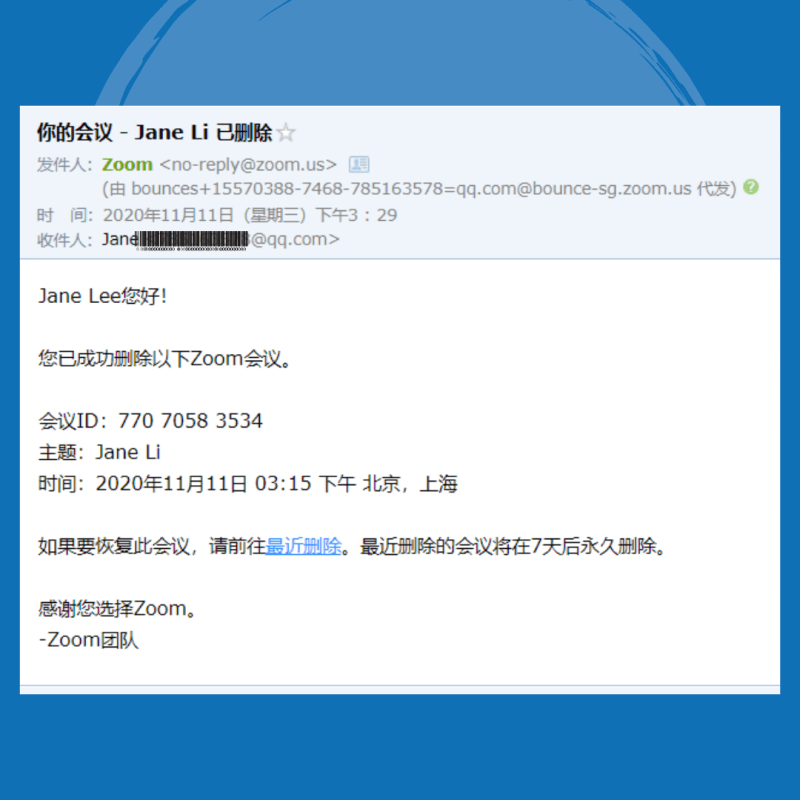
Yes, you can send an email to someone in China as long as you have their correct email address and a stable internet connection. However, there are certain factors to consider, such as internet censorship, email service providers, and local regulations that may affect email delivery.
Is Gmail Accessible in China?
Gmail is restricted in China due to the country's firewall policies. While some users may access it via VPNs, it is not reliably available. Alternatives include:
- Use Chinese email providers like QQ Mail or 163 Mail.
- Consider enterprise solutions like Outlook or Yahoo, which may have better accessibility.
- Verify if the recipient can receive emails from international providers.
Are There Any Email Restrictions in China?
China enforces strict internet regulations, which may affect email content. Key considerations include:
- Avoid sensitive topics like politics or human rights.
- Attachments may be scanned for prohibited content.
- Certain keywords could trigger blocking or delays.
Which Email Providers Work Best in China?
For reliable communication, these providers are recommended:
- QQ Mail – Widely used and fully accessible.
- 163 Mail – Popular among Chinese users.
- Sina Mail – Another local alternative with good deliverability.
How Can I Ensure My Email Reaches the Recipient?
To improve email deliverability:
- Use a recognizable sender name to avoid spam filters.
- Keep the subject line clear and concise.
- Test sending a plain-text email first to check for blocking issues.
What Are Common Email Issues in China?
Some challenges you might face include:
- Slow delivery due to server routing.
- Blocked attachments if they contain restricted file types.
- Spam filters flagging foreign senders.
What email is not banned in China?
What Email Services Are Accessible in China?
In China, several email services remain accessible despite the country's strict internet regulations. The most commonly used platforms include:
- QQ Mail (provided by Tencent) is widely used due to its integration with other Chinese apps.
- 163 Mail and 126 Mail (operated by NetEase) are popular domestic alternatives.
- Sina Mail is another local service frequently used for personal and business communication.
Why Are Some Email Platforms Banned in China?
China's Great Firewall restricts foreign email providers to maintain control over digital communication. Key reasons include:
- Censorship: The government blocks platforms that don’t comply with local data laws.
- Data Sovereignty: Foreign services may store data outside China, violating regulations.
- Security Concerns: Authorities limit access to prevent unauthorized information flow.
Can You Use Gmail or Outlook in China?
Gmail and Outlook are generally blocked, but workarounds exist:
- Using a VPN (though illegal for unauthorized use).
- Accessing via enterprise accounts with special permissions.
- Relying on third-party email clients with proxy support.
What Are the Best Alternatives to Banned Email Services in China?
For reliable alternatives, consider these local email providers:
- Aliyun Mail (by Alibaba) offers enterprise-grade features.
- Foxmail (Tencent-owned) supports IMAP/POP3 for external accounts.
- Yeah.net (NetEase) provides ad-free options for professionals.
How Do Chinese Email Services Compare to International Ones?
Chinese platforms prioritize localization and compliance:
- Integration with WeChat, Alipay, and other local apps.
- Strict data storage within China to adhere to laws.
- Fewer privacy features compared to services like ProtonMail.
Frequently Asked Questions (FAQ)
Why don't people in China use email as frequently as in Western countries?
Email is not the primary communication tool in China due to the widespread adoption of mobile-first platforms like WeChat and QQ. These apps integrate messaging, payments, and social media, making them more convenient for daily use. Additionally, cultural preferences favor instant, real-time communication over the slower, formal nature of email. Businesses and individuals alike rely on these platforms for both personal and professional interactions, reducing the need for traditional email services.
What messaging apps do Chinese people use instead of email?
The most popular alternatives to email in China are WeChat (Weixin) and QQ, both developed by Tencent. These platforms dominate communication by offering features like group chats, voice messages, and file sharing, all within a single app. Unlike email, these tools are deeply embedded in daily life, supporting everything from business transactions to social networking. Their seamless integration with other services, such as mobile payments, makes them indispensable.
Is email completely unused in China, or are there exceptions?
While email is less common in everyday communication, it is still used in specific contexts, such as formal business correspondence with international companies or official documentation. Some older professionals or industries tied to global standards may rely on email, but even then, platforms like WeChat often supplement or replace it. However, for the general population, email is largely overshadowed by more versatile and faster alternatives.
How has the Chinese digital ecosystem influenced the decline of email usage?
China's digital ecosystem is highly centralized around super-apps like WeChat, which minimize the need for standalone tools like email. The government's internet regulations and firewall policies also limit access to foreign email services like Gmail, pushing users toward domestic solutions. Furthermore, the rapid growth of mobile internet in China prioritized apps that cater to on-the-go lifestyles, making email seem outdated compared to the all-in-one functionality of local platforms.
Leave a Reply
Related Posts