
The Complicated Chinese Family Tree

Understanding the Chinese family tree can be a daunting task due to its intricate structure and cultural nuances. Unlike Western kinship systems, Chinese familial relationships are deeply rooted in Confucian values, emphasizing hierarchy, respect, and precise terminology. Each relative is addressed with specific titles that reflect their position in the family, from paternal and maternal lines to generational distinctions. This complexity mirrors the importance of family in Chinese society, where ancestry and lineage hold significant weight. Whether exploring terms like biao or tang cousins or deciphering generational ranks, navigating the Chinese family tree offers a fascinating glimpse into a culture where family bonds are meticulously defined and honored.
The Complicated Chinese Family Tree: Understanding Its Structure and Significance
The Chinese family tree is a complex and intricate system deeply rooted in Confucian values, hierarchy, and ancestral reverence. Unlike Western family structures, which often simplify relationships, the Chinese family tree distinguishes between paternal and maternal relatives, generational ranks, and even age-based distinctions among siblings. This system reflects the importance of filial piety and social order in Chinese culture. Understanding it requires familiarity with specific terminology and cultural context, as mislabeling a relative can be seen as disrespectful.
1. The Importance of Paternal vs. Maternal Relatives
In the Chinese family tree, paternal relatives (父系, fùxì) hold more prominence than maternal relatives (母系, mǔxì). This distinction stems from traditional patrilineal customs, where family lineage and inheritance pass through the father’s side. For example, paternal uncles (伯伯, bóbo or 叔叔, shūshu) are differentiated from maternal uncles (舅舅, jiùjiu), each carrying different levels of authority and respect.
See AlsoHow to Use ChatGPT to Learn Chinese| Relationship | Paternal Term | Maternal Term |
|---|---|---|
| Uncle (Older than Father) | 伯伯 (bóbo) | N/A |
| Uncle (Younger than Father) | 叔叔 (shūshu) | 舅舅 (jiùjiu) |
2. Generational Hierarchy and Titles
Chinese family terms emphasize generational hierarchy, ensuring that each member’s position is clearly defined. Titles change based on whether a relative is from an older, same, or younger generation. For instance, an older brother is 哥哥 (gēge), while a younger brother is 弟弟 (dìdi). Similarly, cousins are classified by their parents' sibling relationships rather than grouped under one term.
3. Age-Based Distinctions Among Siblings
Unlike English, where siblings are simply brother or sister, Chinese distinguishes siblings by birth order. The eldest brother is 大哥 (dàgē), the second eldest is 二哥 (èrgē), and so on. This reflects the Confucian emphasis on seniority and respect for elders.
4. The Role of Ancestral Worship in Family Structure
Ancestral worship reinforces the continuity of the family line. Families maintain detailed genealogical records (族谱, zúpǔ) and honor ancestors through rituals. This practice strengthens family identity and ensures that descendants remember their roots.
See Also5 levels of understanding Chinese characters: Superficial forms to deep structure5. Modern Adaptations of the Traditional Family Tree
While urbanization and smaller families have simplified some aspects, many Chinese still uphold traditional naming conventions. However, younger generations may use more generalized terms (like uncle without distinction) in casual settings, blending modern and traditional practices.
| Traditional Term | Modern Adaptation |
|---|---|
| 伯伯 (bóbo) | Uncle (less specific) |
| 表哥 (biǎogē, older male cousin) | Cousin (no age distinction) |
What is the hierarchy of the Chinese family?
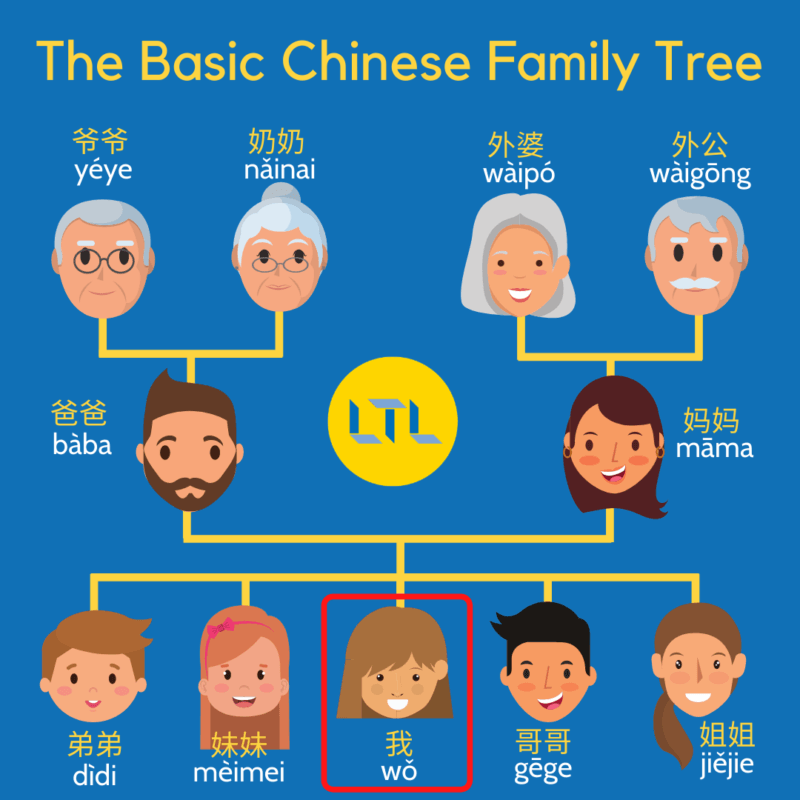
The Traditional Structure of Chinese Family Hierarchy
The Chinese family hierarchy is deeply rooted in Confucian values, emphasizing filial piety and respect for elders. The structure is typically patriarchal, with clear roles and responsibilities assigned based on age and gender. Here are the key levels:
See AlsoMadness Challenge Duolingo: Tips and Strategies for Success- Patriarch: The eldest male, usually the grandfather or father, holds the highest authority.
- Elders: Older family members, including grandparents and uncles, are highly respected.
- Parents: Fathers and mothers manage household affairs, with fathers often having the final say.
- Children: Sons and daughters are expected to obey and support their parents.
- Extended Family: Aunts, uncles, and cousins play supportive roles but hold less authority.
The Role of Filial Piety in Chinese Families
Filial piety (孝道, xiào dào) is the cornerstone of Chinese family hierarchy, dictating how younger generations should behave toward their elders. It includes:
- Respect: Children must show unwavering respect to parents and grandparents.
- Obedience: Following parental guidance without question is expected.
- Care: Providing financial and emotional support to elders is mandatory.
- Ancestor Worship: Honoring deceased family members through rituals.
- Family Harmony: Prioritizing collective well-being over individual desires.
Gender Roles in Chinese Family Hierarchy
Traditional Chinese families often follow gender-based roles, though modernization has brought changes. Key aspects include:
- Male Dominance: Men typically lead the family and make major decisions.
- Female Responsibilities: Women manage domestic duties and child-rearing.
- Son Preference: Sons are often favored due to carrying the family name.
- Marriage Dynamics: Wives traditionally move into the husband's family home.
- Modern Shifts: Urban families increasingly adopt egalitarian values.
Generational Differences in Chinese Families
The generational hierarchy in Chinese families influences behavior and expectations:
See AlsoClozemaster vs Duolingo: Best Language App for You in 2025- Elders' Authority: Grandparents' opinions carry significant weight.
- Parental Control: Parents dictate education, career, and marriage choices.
- Youth Obligations: Younger members must prioritize family over personal goals.
- Conflict Resolution: Disputes are often settled by the eldest member.
- Changing Norms: Younger generations challenge traditional hierarchies.
Extended Family vs. Nuclear Family in China
Chinese families historically favor the extended family model, though urbanization has shifted trends:
- Collective Living: Multiple generations often live under one roof.
- Shared Responsibilities: Relatives contribute to childcare and finances.
- Nuclear Family Rise: Urban couples increasingly live independently.
- Clan Influence: Rural families maintain strong ties to extended kin.
- Economic Factors: Housing costs and mobility impact family structures.
Who has the longest known family tree?
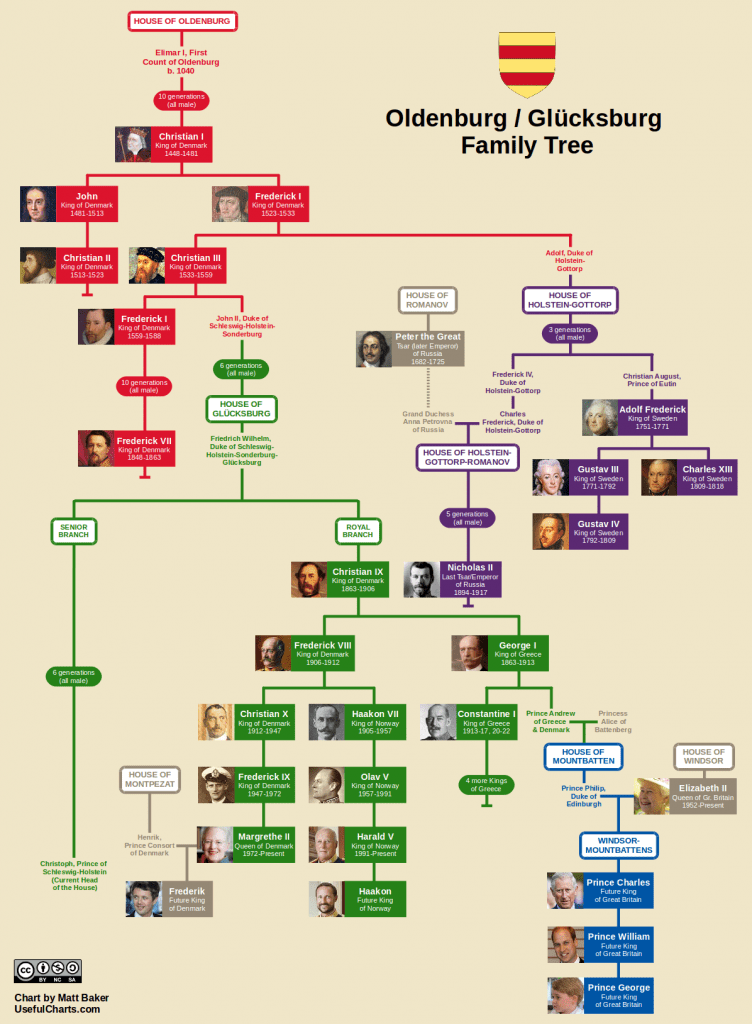
The longest known family tree belongs to Confucius, the Chinese philosopher who lived from 551–479 BCE. His lineage has been meticulously recorded for over 2,500 years, spanning more than 80 generations. The Confucius Genealogy Compilation Committee maintains this extensive record, which includes over 2 million documented descendants.
See AlsoMemrise vs Duolingo: Which Language Learning App is Better?The Historical Significance of Confucius' Family Tree
The family tree of Confucius is not just a record of ancestry but a historical treasure that reflects China's cultural and social evolution.
- It is the oldest continuously documented lineage in the world.
- The records were preserved through imperial decrees, ensuring their accuracy.
- Many descendants held prominent positions in Chinese society, reinforcing the family's influence.
How the Confucius Family Tree Is Maintained
The Confucius Genealogy Compilation Committee plays a crucial role in updating and preserving the family tree.
- Updates occur every 30–60 years, with the latest edition published in 2009.
- Only male descendants were initially included, but recent editions now incorporate female descendants.
- Digital databases and DNA testing have modernized the verification process.
Challenges in Preserving Such an Extensive Lineage
Maintaining a family tree spanning 80+ generations presents unique difficulties.
- Historical conflicts like the Cultural Revolution threatened the destruction of records.
- Ensuring accuracy across centuries requires cross-referencing multiple sources.
- The sheer volume of data (over 2 million names) demands advanced archival methods.
Other Notable Long Family Trees in History
While Confucius' lineage is the longest, other families also boast impressive genealogical records.
- The Lurie family, with roots tracing back to King David, claims a 3,000-year lineage.
- European royal families, like the House of Habsburg, maintain detailed records spanning 1,000 years.
- The Sayyid descendants of the Islamic prophet Muhammad also have well-documented genealogies.
Why Family Trees Like Confucius' Matter Today
These extensive genealogies offer cultural, genetic, and historical insights.
- They provide a living connection to ancient traditions and philosophies.
- Researchers use them to study hereditary diseases and genetic traits.
- They serve as a model for modern genealogical projects and DNA-based ancestry tracking.
How do I find my Chinese family tree?
How to Start Researching Your Chinese Family Tree
To begin tracing your Chinese family tree, start by gathering as much information as possible from living relatives. Older family members often hold valuable details about ancestors, including names, birthplaces, and migration stories. Record these details carefully to build a foundation for further research.
- Interview relatives: Speak with grandparents, aunts, and uncles to collect oral histories.
- Document family records: Look for old letters, photos, or official documents like household registrations (hukou).
- Note ancestral villages: Many Chinese families trace roots to specific villages, which can be critical for deeper research.
Using Chinese Genealogy Records and Archives
China has a rich tradition of genealogical records, often maintained by clans or local governments. Key resources include clan genealogies (zupu) and local archives, which may list generations of family members.
- Visit local archives: Provincial or county archives may hold historical records.
- Search for zupu: Clan genealogies are sometimes digitized or stored in ancestral halls.
- Check national databases: Websites like the China Genealogy Network offer limited public access.
Exploring Online Genealogy Platforms
Several online platforms specialize in Chinese genealogy, helping you connect with distant relatives or access digitized records. These tools can bridge gaps when physical records are unavailable.
- Use FamilySearch: The platform has a growing collection of Chinese records.
- Join ancestry forums: Websites like RootsWeb or Chinese-specific forums can provide leads.
- Try DNA testing: Services like 23andMe or MyHeritage may connect you with genetic relatives in China.
Visiting Ancestral Villages in China
If possible, traveling to your family’s ancestral village can yield firsthand information. Many villages maintain records or have elders who remember family lineages.
- Plan a trip: Identify the village location using family accounts or historical records.
- Visit ancestral halls: These often house clan records and artifacts.
- Engage local historians: Village leaders or historians may offer insights into your family’s past.
Hiring a Professional Genealogist
For complex cases, consider hiring a professional genealogist specializing in Chinese ancestry. They can navigate language barriers, access restricted archives, and interpret historical documents.
- Research specialists: Look for genealogists with experience in Chinese family history.
- Verify credentials: Ensure they have proven success in tracing lineages.
- Budget for services: Professional research can be costly but may uncover hard-to-find details.
What do Chinese people call their older sisters?
Common Terms for Older Sisters in Chinese
In Chinese, the most common term for an older sister is 姐姐 (jiě jie). This term is widely used in both formal and informal contexts. Here are some key points about its usage:
- 姐姐 (jiě jie): The standard term for an older sister, used in Mandarin.
- 阿姐 (ā jiě): A more affectionate or regional variation, common in southern China.
- 大姐 (dà jiě): Used to address an older sister, often with respect or to emphasize seniority.
Regional Variations for Older Sisters
Different regions in China have unique terms for addressing an older sister. Here are some examples:
- 家姐 (gā jiě): Commonly used in Cantonese-speaking areas like Guangdong and Hong Kong.
- 姊姊 (zǐ zǐ): A more traditional term, sometimes used in Taiwan or older generations.
- 阿姊 (ā zǐ): A regional variant found in some parts of Fujian and Taiwan.
Formal vs. Informal Address for Older Sisters
The way Chinese people address their older sisters can vary based on formality and familiarity:
- 姐姐 (jiě jie): Neutral and widely acceptable in most situations.
- 姐 (jiě): A shorter, more casual form often used among close family members.
- 大姐 (dà jiě): Can be used formally to show respect, especially in workplace or community settings.
Cultural Significance of Addressing Older Sisters
In Chinese culture, addressing an older sister correctly reflects respect and family hierarchy. Key cultural aspects include:
- Respect for Elders: Older sisters are often seen as authority figures in the family.
- Family Bonds: Proper terms reinforce close familial relationships.
- Regional Traditions: Different terms reflect local customs and dialects.
Modern Usage and Adaptations
Modern Chinese society has seen some adaptations in how older sisters are addressed:
- English Influence: Some younger siblings may use sis or sister in casual conversations.
- Nicknames: Personalized nicknames are becoming more common among close siblings.
- Social Media: Terms like 老姐 (lǎo jiě) are used humorously online.
Frequently Asked Questions (FAQ)
Why is the Chinese family tree considered complicated?
The Chinese family tree is often seen as complicated due to its extensive terminology and hierarchical distinctions based on age, gender, and paternal or maternal lineage. Unlike Western systems, which often use simple terms like uncle or cousin, Chinese kinship terms specify exact relationships—for example, differentiating between a father's older brother (bófù) and younger brother (shūfù). Additionally, regional dialects and historical influences add layers of complexity, making it challenging for outsiders to grasp.
What are the key differences between paternal and maternal relatives in Chinese culture?
In the Chinese family structure, paternal and maternal relatives are classified separately, reflecting the traditional emphasis on patrilineal lineage. Paternal relatives, such as uncles (bófù, shūfù) and aunts (gū), hold more prominence in family affairs, while maternal relatives, like uncles (jiùjiu) and aunts (yí), are considered part of the outer family. This distinction stems from Confucian values, which prioritize the father's side for ancestral rites and inheritance.
How do generational names work in Chinese families?
Generational names, or páiháng, are a unique feature of Chinese family trees, where each generation shares a common middle character in their given names. This practice reinforces family cohesion and helps identify lineage. For example, siblings or cousins might share the character 伟 (wěi) in their names. These sequences are often predetermined in family genealogies (zǔpǔ), ensuring continuity across centuries. However, modern families may adapt or abandon this tradition for simplicity.
Why are there so many terms for cousins in Chinese?
Chinese kinship terms for cousins are highly specific because they denote exact relationships through prefixes like 堂 (táng) for paternal cousins and 表 (biǎo) for maternal or cross-paternal cousins. For instance, a tángxiōngdì is a male cousin on the father's side, while a biǎojiě is an older female cousin on the mother's side. This precision reflects the cultural importance of family hierarchy and social obligations, where each term clarifies duties and respect levels within the extended family.
Leave a Reply
Related Posts