
Average Chinese Salary for Expats: A Guide

Moving to China as an expat can be an exciting opportunity, but understanding the local salary landscape is crucial for making informed decisions. The average salary for expatriates in China varies significantly based on factors like industry, experience, location, and company size. While major cities like Beijing, Shanghai, and Shenzhen offer higher wages to attract global talent, smaller cities may provide lower but still competitive pay. This guide explores the latest salary trends, benefits, and cost-of-living considerations to help expats negotiate fair compensation. Whether you're a seasoned professional or a newcomer, knowing what to expect financially will ensure a smoother transition to life and work in China.
Average Chinese Salary for Expats: A Comprehensive Guide
1. What Is the Average Salary for Expats in China?
The average salary for expats in China varies significantly based on industry, experience, and location. Generally, expatriates earn between ¥200,000 to ¥1,000,000 per year ($28,000 to $140,000). Those in high-demand sectors like finance, tech, and management often command higher salaries.
| Industry | Average Annual Salary (¥) |
|---|---|
| Finance | ¥600,000 - ¥1,000,000 |
| Technology | ¥400,000 - ¥800,000 |
| Education | ¥200,000 - ¥400,000 |
2. How Does Location Affect Expat Salaries in China?
Salaries for expats differ greatly depending on the city. Tier-1 cities like Shanghai, Beijing, and Shenzhen offer higher wages due to the higher cost of living and greater demand for skilled professionals.
See AlsoMapping the terra incognita of Chinese vocabulary| City | Average Annual Salary (¥) |
|---|---|
| Shanghai | ¥350,000 - ¥900,000 |
| Beijing | ¥300,000 - ¥850,000 |
| Chengdu | ¥200,000 - ¥500,000 |
3. Which Industries Pay the Highest Salaries for Expats?
Certain industries are known for offering lucrative salaries to expatriates. Finance, technology, and multinational corporations (MNCs) typically provide the highest compensation.
| Industry | Top Salary Range (¥) |
|---|---|
| Investment Banking | ¥800,000 - ¥1,500,000 |
| IT & Software | ¥500,000 - ¥1,200,000 |
| Engineering | ¥450,000 - ¥900,000 |
4. What Benefits Do Expats Typically Receive in China?
Beyond base salary, many expats receive additional benefits such as housing allowances, health insurance, flight reimbursements, and education subsidies for their children.
| Benefit | Common Coverage |
|---|---|
| Housing Allowance | ¥5,000 - ¥20,000/month |
| Health Insurance | Full or partial coverage |
| Flight Reimbursement | 1-2 round trips/year |
5. How Do Experience and Qualifications Impact Expat Salaries?
Experience and qualifications play a crucial role in determining salary levels. Senior professionals with specialized skills or advanced degrees (MBA, PhD) often earn significantly more.
See AlsoThe Best Songs to Learn Chinese by HSK Level| Experience Level | Average Salary Range (¥) |
|---|---|
| Entry-Level (0-3 years) | ¥200,000 - ¥400,000 |
| Mid-Level (4-9 years) | ¥400,000 - ¥800,000 |
| Senior-Level (10+ years) | ¥800,000 - ¥1,500,000 |
What is the average salary for expats in China?
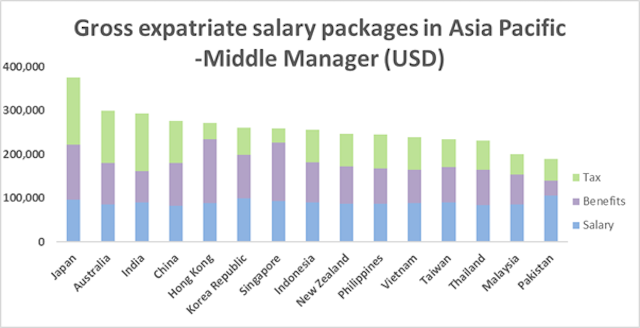
What Factors Influence Expat Salaries in China?
The average salary for expats in China varies based on several factors, including industry, experience, and location. Multinational companies and high-demand sectors like finance, IT, and engineering tend to offer higher salaries. Here’s a breakdown of key influences:
- Industry: Expats in finance or tech earn significantly more than those in education or hospitality.
- Experience: Senior professionals command salaries 30-50% higher than entry-level expats.
- Location: Cities like Shanghai and Beijing offer higher wages but also have a higher cost of living.
What Is the Average Expat Salary in Major Chinese Cities?
Salaries for expats differ across cities due to economic disparities. Below are average annual figures for key urban hubs:
See AlsoHow to learn from your mistakes and errors when learning Chinese- Shanghai: $70,000–$150,000 for corporate roles.
- Beijing: $65,000–$140,000, with bonuses in multinational firms.
- Shenzhen: $60,000–$120,000, especially in tech and manufacturing.
How Do Expat Salaries Compare to Local Wages in China?
Expats typically earn 2–3 times more than local professionals in similar roles. This gap stems from:
- Skill premiums: Expats often bring specialized expertise.
- Negotiation leverage: Foreign hires may secure better packages.
- Company policies: Multinationals align expat pay with global standards.
Which Industries Pay the Highest Salaries for Expats in China?
Certain sectors dominate expat compensation due to demand and complexity:
- Finance: $100,000–$250,000 for senior bankers or analysts.
- Technology: $80,000–$180,000 for roles in AI or software development.
- Engineering: $70,000–$160,000, particularly in automotive or infrastructure.
What Benefits Are Commonly Included in Expat Packages in China?
Beyond base salaries, expat packages often include perks to offset relocation challenges:
- Housing allowances: $1,500–$5,000/month in tier-1 cities.
- Education subsidies: Coverage for international schools.
- Tax equalization: Employers may cover differentials in tax rates.
How much do tour guides make in China?

Average Salary of Tour Guides in China
The average salary for tour guides in China varies depending on factors like location, experience, and language skills. On average, a tour guide earns between ¥3,000 to ¥8,000 per month (approximately $420 to $1,100 USD). In major cities like Beijing, Shanghai, or Guangzhou, salaries tend to be higher due to demand.
- Entry-level guides may earn closer to ¥3,000–¥4,500 monthly.
- Experienced guides, especially those fluent in multiple languages, can make ¥6,000–¥8,000 or more.
- Freelance guides often earn per tour, with rates ranging from ¥200–¥800 per day.
Factors Affecting Tour Guide Salaries in China
Several factors influence how much a tour guide earns in China. These include location, language proficiency, and specialization in certain types of tours.
- City vs. rural areas: Guides in big cities earn more due to higher tourist traffic.
- Language skills: English, French, or Japanese speakers command higher pay.
- Specialized tours: Historical, culinary, or luxury tours often pay better.
Freelance vs. Employed Tour Guides in China
Tour guides in China can work as freelancers or be employed by travel agencies, with differences in income stability and benefits.
- Employed guides receive fixed salaries but may have less flexibility.
- Freelance guides set their rates but face inconsistent income.
- Tips and bonuses often supplement earnings, especially for freelancers.
Highest-Paying Cities for Tour Guides in China
Certain cities in China offer higher salaries for tour guides due to international tourism demand.
- Beijing: Home to major attractions like the Great Wall and Forbidden City.
- Shanghai: High demand for business and leisure tours.
- Guangzhou: A hub for trade and cultural tourism.
Additional Income Sources for Tour Guides in China
Beyond base salaries, tour guides in China often earn extra income through commissions, tips, and side jobs.
- Commissions: From souvenir shops or restaurants.
- Tips: Common from international tourists.
- Private tours: Higher rates for customized experiences.
What is considered a good salary in China?
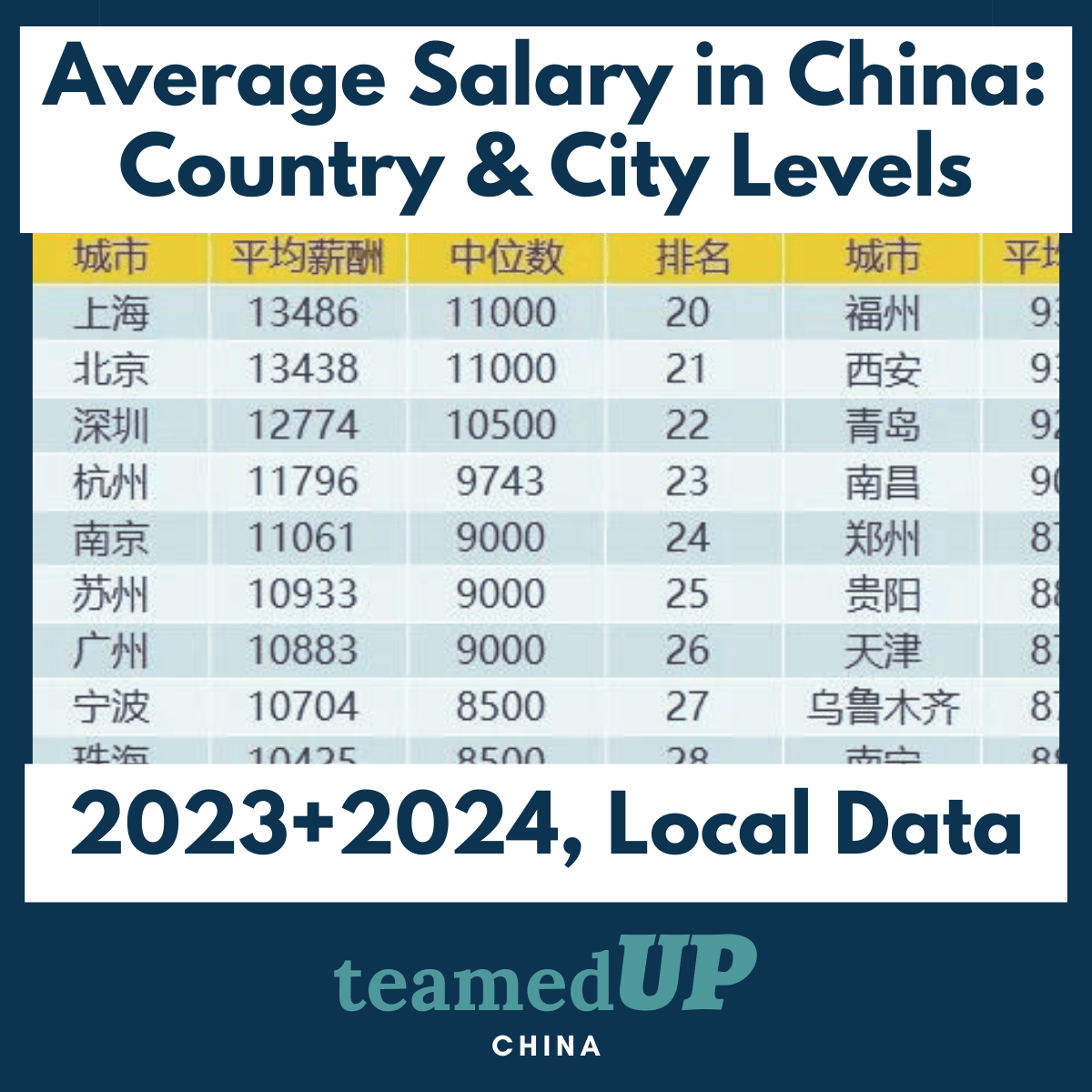
Average Salaries in Major Chinese Cities
A good salary in China varies significantly by location. In tier-1 cities like Beijing, Shanghai, and Shenzhen, a monthly salary of ¥20,000–¥40,000 ($2,800–$5,600) is considered competitive for professionals. In tier-2 cities like Chengdu or Hangzhou, salaries range from ¥10,000–¥25,000 ($1,400–$3,500). Here’s a breakdown:
- Beijing/Shanghai: ¥25,000–¥40,000 for mid-career professionals.
- Shenzhen/Guangzhou: ¥20,000–¥35,000 for tech and finance roles.
- Tier-2 cities: ¥10,000–¥20,000 for comfortable living.
Industry-Specific Salary Benchmarks
Salaries in China depend heavily on the industry. High-paying sectors include technology, finance, and multinational corporations. For example:
- Tech (e.g., Alibaba, Tencent): ¥30,000–¥60,000 for senior engineers.
- Finance (e.g., banks, investment firms): ¥25,000–¥50,000 for analysts.
- Education (international schools): ¥20,000–¥35,000 for foreign teachers.
Cost of Living vs. Salary Expectations
A good salary must account for the cost of living. In tier-1 cities, expenses are high, while tier-2/3 cities offer more affordability. Key factors:
- Rent: ¥5,000–¥15,000 in tier-1 vs. ¥2,000–¥6,000 in tier-2.
- Food/Transport: ¥3,000–¥5,000 monthly in metropolitan areas.
- Savings Potential: Earning ¥30,000+ allows for significant savings.
Expatriate Salary Packages in China
Expatriates often receive higher salaries and additional benefits. A competitive package includes:
- Base Salary: ¥40,000–¥80,000 for senior roles.
- Housing Allowance: ¥10,000–¥20,000 monthly.
- Education/Healthcare: Covered for families.
Regional Salary Differences in China
Regional disparities greatly impact salary standards. For instance:
- Eastern Coastal Cities: Higher wages due to economic development.
- Western/Inland Provinces: Lower salaries but reduced living costs.
- Rural Areas: Salaries as low as ¥3,000–¥6,000 monthly.
Is 2000 USD a good salary in China?

Cost of Living in Major Chinese Cities
Whether 2000 USD is a good salary in China depends largely on the city. In tier-1 cities like Beijing, Shanghai, or Shenzhen, this amount may cover basic expenses but leave little for savings. However, in tier-2 or tier-3 cities, it can provide a comfortable lifestyle.
- Rent: In tier-1 cities, a one-bedroom apartment in the city center can cost 800–1500 USD, while in smaller cities, it may be 300–600 USD.
- Food: Eating out daily in a tier-1 city may cost 300–500 USD, whereas cooking at home reduces expenses significantly.
- Transportation: Public transport is affordable (20–50 USD/month), but owning a car adds substantial costs.
Comparing 2000 USD to Local Salaries
The average monthly salary in China varies by region. While 2000 USD (≈14,000 CNY) is above the national average, it may not be considered high in expensive urban areas.
- National Average: Around 6,000–8,000 CNY (850–1,150 USD) per month.
- Tier-1 Cities: Professionals often earn 10,000–20,000 CNY (1,400–2,800 USD).
- Rural Areas: Salaries can be as low as 3,000–5,000 CNY (430–700 USD).
Lifestyle Expectations on 2000 USD
With 2000 USD, lifestyle quality varies. In expensive cities, it may mean modest living, while in smaller cities, it allows for more luxuries.
- Entertainment: Movies, dining, and hobbies may cost 200–400 USD/month in tier-1 cities.
- Savings: In cheaper areas, saving 500–1,000 USD/month is feasible.
- Travel: Domestic trips are affordable, but international travel requires careful budgeting.
Taxes and Deductions Impact
China’s tax system affects take-home pay. A 2000 USD salary may be subject to deductions, reducing disposable income.
- Income Tax: Progressive rates range from 3% to 45%, depending on earnings.
- Social Insurance: Mandatory contributions (10–12% of salary) cover pensions, healthcare, and unemployment.
- Housing Fund: Optional but common, adding another 5–12% deduction.
Job Sector and Salary Standards
Salaries differ by industry. While 2000 USD may be competitive in some fields, others offer significantly higher pay.
- Teaching English: Often pays 1,500–3,000 USD, making 2000 USD mid-range.
- Tech/Finance: Salaries can exceed 4,000 USD in top firms.
- Local Businesses: Entry-level roles may pay under 1,000 USD.
Frequently Asked Questions (FAQ)
What is the average salary for expats in China?
The average salary for expatriates in China varies significantly depending on factors like industry, experience, and location. In major cities like Shanghai, Beijing, or Shenzhen, expats typically earn between $2,500 and $6,000 per month. High-demand sectors such as finance, technology, and education often offer higher salaries, while entry-level positions or teaching roles may fall on the lower end of the spectrum. Additionally, benefits like housing allowances, health insurance, and flight reimbursements can significantly impact overall compensation.
How does the cost of living in China affect expat salaries?
The cost of living in China can vary widely between cities, directly influencing how far an expat's salary stretches. In tier-1 cities like Beijing or Shanghai, expenses such as rent, dining, and transportation are considerably higher than in smaller cities. For example, a one-bedroom apartment in central Shanghai may cost $1,000–$2,000 per month, whereas in Chengdu or Xi’an, it could be half that price. However, salaries in these metropolitan areas are often adjusted to compensate for the higher costs, ensuring expats maintain a comfortable lifestyle.
What industries pay the highest salaries for expats in China?
Certain industries are known for offering higher salaries to expatriates in China. Finance and banking roles, particularly in multinational corporations, often provide lucrative packages, sometimes exceeding $10,000 per month for senior positions. The tech sector, especially in hubs like Shenzhen, also offers competitive salaries, with experienced professionals in AI, software development, or engineering earning top-tier wages. Additionally, management consulting and legal services tend to pay well, while teaching English remains a popular but lower-paying option for many expats.
Are expat salaries in China subject to taxation?
Yes, expat salaries in China are subject to taxation, and the rates depend on the individual's income level and residency status. China operates on a progressive tax system, with rates ranging from 3% to 45%. Expats who reside in China for 183 days or more in a year are considered tax residents and must pay taxes on their global income. However, those staying fewer than 183 days are only taxed on their China-sourced income. Many companies assist expats with tax planning, and some even offer tax equalization policies to mitigate the financial impact.
Leave a Reply
Related Posts