
9 answers to questions about Pinyin and pronunciation

Mastering Mandarin pronunciation starts with understanding Pinyin, the essential romanization system for learning Chinese. Whether you're a beginner or refining your skills, questions about tones, spelling rules, and common mistakes often arise. This article addresses nine key questions to clarify Pinyin and improve your pronunciation. From the basics of initials and finals to tackling tricky sounds like zh or ü, we break down the fundamentals in a clear, practical way. Discover how to avoid common errors and gain confidence in speaking accurately. By the end, you’ll have a stronger grasp of Pinyin, helping you sound more natural and communicate effectively in Mandarin.
9 Answers to Common Questions About Pinyin and Pronunciation
1. What Is Pinyin and Why Is It Important?
Pinyin is the Romanization system used to represent Mandarin Chinese pronunciation using the Latin alphabet. It serves as a crucial tool for learners to pronounce Chinese characters correctly. Pinyin includes initials, finals, and tones, which together form the phonetic structure of Mandarin.
| Component | Function |
|---|---|
| Initials | Consonant sounds at the start of a syllable |
| Finals | Vowel sounds and endings of a syllable |
| Tones | Pitch variations that change word meaning |
2. How Many Tones Are There in Mandarin?
Mandarin Chinese has four main tones and a neutral tone. Each tone changes the meaning of a word, even if the Pinyin spelling remains the same. For example, mā (mother) and mà (scold) differ only in tone.
See AlsoChinese Pinyin Translator – Easily Add Tone Marks to Pinyin Text| Tone Number | Description |
|---|---|
| 1st Tone | High and level (e.g., mā) |
| 2nd Tone | Rising (e.g., má) |
| 3rd Tone | Falling then rising (e.g., mǎ) |
| 4th Tone | Sharp falling (e.g., mà) |
| Neutral | Light and quick (e.g., ma) |
3. Are There Pronunciation Rules for Pinyin?
Yes, Pinyin follows specific pronunciation rules that differ from English. For example, q is pronounced like ch in cheese but with the tongue touching the lower teeth. Similarly, x sounds like sh but with a flatter tongue position.
| Pinyin Letter | Approximate English Sound |
|---|---|
| q | ch in cheese (softer) |
| x | sh in sheep (lighter) |
| zh | j in job (retroflex) |
4. How Do I Differentiate Between Z, C, and S Sounds?
The consonants z, c, and s are dental sibilants, meaning they are pronounced with the tongue near the teeth. Z is unaspirated (like dz), C is aspirated (like ts), and S is a hissing sound (like see).
| Pinyin | Pronunciation |
|---|---|
| z | dz in adze |
| c | ts in cats |
| s | s in sun |
5. What Are the Most Common Pinyin Mistakes?
Learners often mispronounce ü, r, and ui. The vowel ü (as in nǚ - woman) requires rounded lips, while r is a retroflex sound, not like the English r. The combination ui is actually pronounced as uei (e.g., duì sounds like dway).
See AlsoCost of Living in China: Guide for International Students| Mistake | Correction |
|---|---|
| Pronouncing ü as u | Round lips tightly (e.g., lǜ - green) |
| English r sound | Curve tongue backward (e.g., rì - day) |
| ui as wee | Say uei quickly (e.g., huì - meeting) |
What does it mean to pronounce pinyin?

What is Pinyin in Mandarin Chinese?
Pinyin is the official romanization system for Standard Mandarin Chinese, used to represent the pronunciation of Chinese characters using the Latin alphabet. It serves as a crucial tool for learners to accurately speak and understand Mandarin.
- Pinyin breaks down syllables into initials (consonants) and finals (vowels).
- It includes tone marks to indicate the four main tones and neutral tone in Mandarin.
- The system was developed in the 1950s to promote literacy and standardize pronunciation.
Why is Pronouncing Pinyin Correctly Important?
Correct pronunciation of Pinyin ensures clear communication and avoids misunderstandings, as Mandarin is a tonal language where tone changes alter word meanings.
See Also24 great resources for improving your Mandarin pronunciation- Mispronouncing tones can lead to confusion (e.g., mā (mother) vs. mà (scold)).
- Accurate Pinyin helps with listening comprehension and speaking fluency.
- It is essential for typing Chinese characters on digital devices using Pinyin input methods.
How Does Pinyin Represent Mandarin Sounds?
Pinyin uses a combination of Latin letters and diacritical marks to approximate Mandarin phonetics, though some letters differ from English pronunciation.
- Initials like zh, ch, and sh represent retroflex consonants.
- Finals such as ü or iong require specific mouth shapes.
- Tone marks (e.g., ā, á, ǎ, à) dictate pitch contours for each syllable.
Common Challenges in Pronouncing Pinyin
Learners often struggle with unfamiliar sounds and tones not present in their native language.
- Distinguishing between q, x, and j (e.g., qi vs. xi).
- Mastering the retroflex sounds (e.g., zhī vs. zī).
- Consistently applying the correct tone contours in rapid speech.
Tips for Improving Pinyin Pronunciation
Regular practice and targeted exercises can enhance accuracy and confidence in speaking Mandarin.
See AlsoChinese character variants and font differences for language learners- Use audio resources or apps to mimic native speakers.
- Practice minimal pairs (e.g., mā vs. má) to refine tone recognition.
- Record yourself and compare with reference pronunciations.
Why pinyin is important in the Chinese Mandarin?
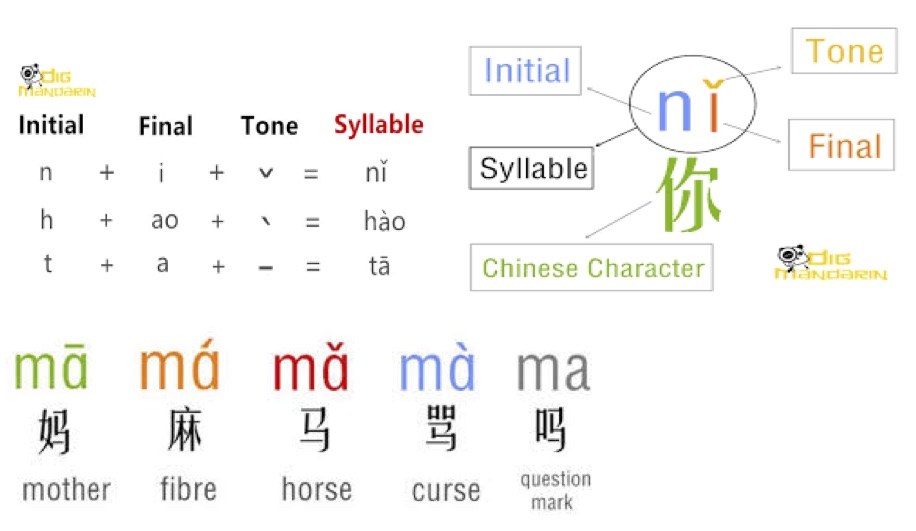
The Role of Pinyin in Learning Mandarin Pronunciation
Pinyin serves as the foundational tool for mastering Mandarin pronunciation, especially for non-native speakers. It uses the Roman alphabet to represent Chinese sounds, making it accessible to learners worldwide.
- Standardization: Pinyin provides a consistent system to pronounce Chinese characters correctly.
- Tone indication: It includes diacritical marks to denote the four Mandarin tones, crucial for meaning.
- Beginner-friendly: Bridges the gap between unfamiliar characters and recognizable letters.
Pinyin as a Bridge Between Chinese Characters and Technology
Pinyin is essential for digital communication in Mandarin, enabling users to type characters using a standard keyboard.
- Input method: Most Chinese keyboards rely on Pinyin to convert Roman letters into characters.
- Search engines: Facilitates online searches by allowing phonetic queries.
- Accessibility: Simplifies typing for learners not yet proficient in handwriting characters.
Pinyin’s Importance in Mandarin Education
In Mandarin education, Pinyin acts as a critical learning aid, helping students grasp the language systematically.
- Early learning: Introduces pronunciation before tackling complex characters.
- Textbook integration: Used alongside characters in beginner materials.
- Self-study: Enables independent practice with dictionaries and apps.
Pinyin’s Role in Standardizing Mandarin Across Regions
Pinyin promotes linguistic uniformity in Mandarin, spoken across diverse regions with varying dialects.
- National standard: Officially adopted in mainland China for education and media.
- Dialect mitigation: Helps unify pronunciation despite regional differences.
- Global consistency: Ensures non-native speakers learn a universally recognized system.
Pinyin’s Contribution to Mandarin Literacy
Pinyin accelerates literacy development by simplifying the connection between spoken and written Mandarin.
- Character association: Links sounds to their corresponding characters.
- Reading aid: Often appears alongside characters in children’s books.
- Spelling reinforcement: Reinforces correct character composition through phonetic cues.
What did China use before pinyin?
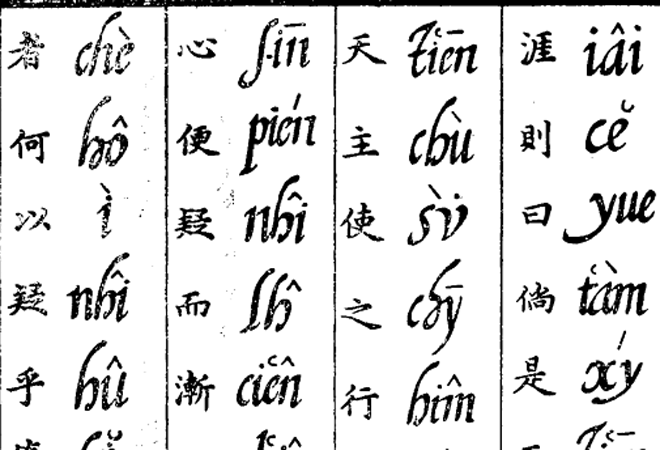
Traditional Chinese Characters and Classical Writing Systems
Before Pinyin was introduced, China primarily relied on traditional Chinese characters for writing. These characters have been used for thousands of years and are logographic, meaning each character represents a word or a meaningful part of a word. The classical writing system included:
- Oracle Bone Script: The earliest known form of Chinese writing, used during the Shang Dynasty.
- Bronze Script: Evolved from oracle bones, used for inscriptions on bronze vessels.
- Seal Script: A more stylized form, used during the Qin Dynasty.
Phonetic Systems Before Pinyin
Before Pinyin, several phonetic systems were developed to represent Chinese sounds. These systems aimed to bridge the gap between pronunciation and characters:
- Fanqie: An ancient method using two characters to indicate the pronunciation of a third.
- Zhuyin Fuhao (Bopomofo): A phonetic script created in the early 20th century, still used in Taiwan.
- Wade-Giles: A Romanization system developed by Western scholars, widely used before Pinyin.
Role of Dialects and Regional Variations
China's linguistic diversity meant that before Pinyin, regional dialects played a significant role in communication. The lack of a unified phonetic system led to challenges:
- Mandarin: The official dialect, but not universally spoken.
- Cantonese: Widely used in the south, with its own pronunciation rules.
- Other Dialects: Such as Shanghainese or Hokkien, each with distinct phonetic features.
Historical Romanization Attempts
Before Pinyin, several attempts were made to Romanize Chinese for Western audiences and learners:
- Postal Romanization: Used for place names in the late 19th and early 20th centuries.
- Legge Romanization: Developed by James Legge for translating Chinese classics.
- Gwoyeu Romatzyh: A tonal spelling system created in the 1920s.
Impact of Pinyin's Introduction
The adoption of Pinyin in 1958 marked a significant shift from older systems. It standardized pronunciation and simplified learning:
- Replaced Wade-Giles: Pinyin became the official Romanization system.
- Promoted Mandarin: Helped unify pronunciation across dialects.
- Facilitated Literacy: Made learning Chinese characters easier for native and foreign learners.
Can pinyin be pronounced as if it were English?
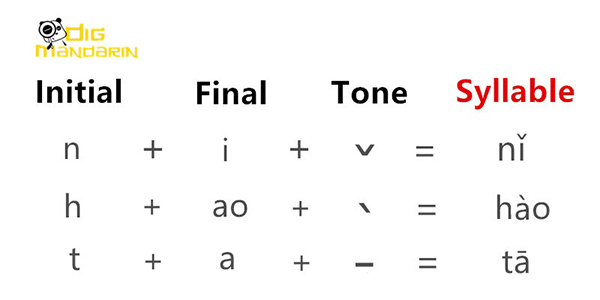
Can Pinyin Be Pronounced Like English?
Pinyin is a Romanization system for Mandarin Chinese, designed to represent sounds using the Latin alphabet. While some letters resemble English, pronunciation rules differ significantly. For example:
- Q in Pinyin sounds like ch in cheese but with the tongue curled farther back.
- X resembles sh but is produced with a flatter tongue position.
- C is pronounced like ts in cats, not like the English k or s.
Key Differences Between Pinyin and English Pronunciation
Mispronunciations occur when English speakers assume Pinyin letters match their English sounds. Notable differences include:
- Tones: Mandarin uses four tones plus a neutral tone, which English lacks.
- Consonants: Letters like Zh, Ch, and Sh require retroflex articulation.
- Vowels: Ü (as in lǜ) has no direct English equivalent.
Common Mistakes When Pronouncing Pinyin as English
English speakers often misinterpret Pinyin sounds due to familiar letter combinations. Examples:
- R is rolled slightly, closer to the French j in je.
- E at the end of syllables (e.g., de) sounds like uh, not the English long e.
- I after Z, C, or S is pronounced like a buzzing ih, not eye.
Why Accurate Pinyin Pronunciation Matters
Correct pronunciation avoids confusion in meaning, as many Mandarin words differ only by tone or subtle sounds. For instance:
- Mā (妈, mother) vs. Mà (骂, scold) rely on tone distinctions.
- Shī (湿, wet) vs. Sī (丝, silk) hinge on consonant accuracy.
- Hǎo (好, good) requires the dipping third tone, unlike English flat intonation.
Tips for Learning Pinyin Pronunciation Correctly
To avoid English-influenced errors, follow these steps:
- Listen to native speakers via audio resources or language apps.
- Practice tones separately before combining them with syllables.
- Use tongue placement guides for challenging sounds like Q, X, and Ü.
Frequently Asked Questions (FAQ)
What is Pinyin and why is it important for learning Chinese?
Pinyin is the Romanization system used to represent the pronunciation of Mandarin Chinese characters using the Latin alphabet. It serves as a crucial tool for beginners, as it helps learners associate sounds with characters, improving both speaking and listening skills. Without Pinyin, mastering Chinese pronunciation would be significantly more challenging, especially for non-native speakers. It also acts as a bridge to typing Chinese characters on digital devices, making it indispensable for modern language learners.
How does Pinyin handle tones, and why are they essential?
Tones in Pinyin are represented by diacritical marks (e.g., ā, á, ǎ, à) and are a fundamental aspect of Mandarin pronunciation. Each tone changes the meaning of a word entirely—for example, mā (mother) versus mà (scold). Mispronouncing tones can lead to misunderstandings, which is why tone mastery is critical. Pinyin’s tone markers provide a visual guide, helping learners practice and internalize the four main tones and the neutral tone accurately.
Are there common pronunciation mistakes in Pinyin, and how can they be avoided?
Many learners struggle with specific Pinyin sounds like q, x, and zh, which don’t have direct equivalents in English. For instance, x is pronounced like a soft sh, while q resembles a ch sound but with the tongue positioned differently. To avoid mistakes, listening to native speakers and repetitive practice are key. Tools like language apps or Pinyin charts with audio examples can also help learners refine their pronunciation over time.
Can Pinyin be used alone, or do I need to learn Chinese characters?
While Pinyin is helpful for pronunciation, it cannot replace Chinese characters (Hanzi) in formal writing or advanced communication. Characters convey meaning independently of sound, and many words share the same Pinyin spelling but differ in characters (e.g., shì can mean yes, city, or thing). Learning characters is essential for reading, writing, and deeper cultural understanding. However, Pinyin remains a valuable stepping stone for early-stage learners.
Leave a Reply
Related Posts