
Is Duolingo Good For Spanish Test: Pros, Cons & Effective Strategies

Learning Spanish has become increasingly popular, and many turn to apps like Duolingo for language practice. But is Duolingo effective for preparing for a Spanish test? This article explores the pros and cons of using Duolingo as a study tool, examining its strengths in vocabulary building and accessibility, as well as its limitations in advanced grammar and real-world conversation. Additionally, we’ll share effective strategies to maximize Duolingo’s potential while supplementing it with other resources. Whether you’re a beginner or an intermediate learner, understanding how to use Duolingo strategically can make a significant difference in your Spanish test preparation.
Is Duolingo Good For Spanish Test: Pros, Cons & Effective Strategies
What Makes Duolingo a Popular Choice for Learning Spanish?
Duolingo has gained immense popularity as a language-learning platform due to its user-friendly interface, gamified approach, and accessibility. It offers bite-sized lessons that fit into busy schedules, making it ideal for beginners or casual learners. The app's interactive exercises and immediate feedback help users practice vocabulary, grammar, and pronunciation in a structured way. Additionally, its free version makes it accessible to a wide audience, though the Duolingo Plus subscription removes ads and offers offline access.
Pros of Using Duolingo for Spanish Test Preparation
Duolingo offers several advantages for those preparing for a Spanish test:
- Structured Curriculum: The app provides a clear progression from basic to advanced topics.
- Vocabulary Building: It emphasizes common words and phrases used in everyday conversations.
- Listening and Speaking Practice: Exercises include audio clips and speech recognition to improve comprehension and pronunciation.
- Flexibility: Users can learn at their own pace, making it suitable for self-paced study.
- Motivation: The gamified system with streaks and rewards keeps learners engaged.
Cons of Using Duolingo for Spanish Test Preparation
While Duolingo is helpful, it has limitations:
- Limited Depth: It may not cover advanced grammar or nuanced language usage required for higher-level tests.
- Lack of Real-Life Context: The app focuses on isolated sentences rather than real-world conversations.
- Over-Reliance on Translation: Some exercises rely heavily on translation, which may not fully develop thinking in Spanish.
- No Personalized Feedback: Unlike a tutor, Duolingo cannot provide tailored advice or corrections.
- Test-Specific Content: It may not align perfectly with the format or content of specific Spanish tests.
Effective Strategies to Maximize Duolingo for Spanish Test Success
To make the most of Duolingo for test preparation:
- Supplement with Other Resources: Combine Duolingo with textbooks, podcasts, or language exchange partners.
- Focus on Weak Areas: Use the app's skill-strengthening feature to revisit challenging topics.
- Practice Consistently: Maintain a daily study routine to build long-term retention.
- Simulate Test Conditions: Time yourself and practice without hints to mimic test scenarios.
- Track Progress: Use Duolingo's progress tracker to identify areas needing improvement.
Comparing Duolingo with Other Spanish Learning Tools
Here’s a comparison of Duolingo with other popular Spanish learning tools:
See AlsoHow Accurate Is Duolingo Korean: Real Results & Accuracy| Tool | Strengths | Weaknesses |
|---|---|---|
| Duolingo | Gamified, free, accessible | Limited depth, lacks real-life context |
| Babbel | Focuses on conversation, structured lessons | Paid subscription, less gamified |
| Rosetta Stone | Immersive, emphasizes pronunciation | Expensive, slower pace |
| Memrise | Focuses on vocabulary, real-life videos | Less grammar-focused, limited free content |
| SpanishDict | Comprehensive grammar guides, free resources | Less interactive, no structured curriculum |
Is Duolingo actually effective for Spanish?

How Does Duolingo Approach Teaching Spanish?
Duolingo uses a gamified approach to teach Spanish, which makes learning engaging and interactive. The platform focuses on:
- Vocabulary building through repetitive exercises and flashcards.
- Grammar lessons integrated into practical sentences and scenarios.
- Listening and speaking practice with audio exercises and speech recognition.
What Are the Strengths of Duolingo for Learning Spanish?
Duolingo has several strengths that make it a popular choice for learning Spanish:
See AlsoHow To Fix Duolingo Year In Review Not Showing? In Few Steps- Accessibility: It’s free and available on multiple devices.
- Daily practice: Encourages consistent learning through streaks and reminders.
- Beginner-friendly: Starts with basic concepts and gradually increases difficulty.
What Are the Limitations of Duolingo for Spanish Learners?
While Duolingo is useful, it has some limitations:
- Limited conversational practice: It lacks real-time interaction with native speakers.
- Over-reliance on translation: Focuses heavily on translating rather than thinking in Spanish.
- Shallow cultural context: Doesn’t deeply explore cultural nuances of Spanish-speaking countries.
Can Duolingo Help Achieve Fluency in Spanish?
Duolingo is effective for building a foundation, but achieving fluency requires additional resources:
- Supplement with conversation practice: Use language exchange platforms or tutors.
- Immerse in Spanish media: Watch movies, listen to podcasts, or read books in Spanish.
- Practice advanced grammar: Use textbooks or advanced courses for deeper understanding.
How Does Duolingo Compare to Traditional Spanish Classes?
Duolingo offers a different experience compared to traditional classes:
See AlsoDuolingo Vs FSI Spanish: A Detailed Comparison- Flexibility: Learn at your own pace without a fixed schedule.
- Cost-effective: Free compared to paid classes or tutors.
- Less personalized feedback: Lacks the direct guidance of a teacher.
What is the disadvantage of Duolingo?

Limited Depth in Language Learning
One of the main disadvantages of Duolingo is its limited depth in teaching languages. While it is great for beginners, it often falls short for advanced learners. The platform focuses heavily on vocabulary and basic grammar but lacks in-depth explanations and advanced language structures. Here are some specific issues:
- Superficial grammar explanations: Duolingo often provides minimal context for grammar rules, making it hard to understand complex structures.
- Repetitive exercises: The app tends to repeat the same phrases and sentences, which can become monotonous over time.
- Lack of cultural context: Language learning is not just about words; it involves understanding culture, idioms, and nuances, which Duolingo rarely addresses.
Over-Reliance on Gamification
Duolingo's gamified approach can be both a strength and a weakness. While it makes learning fun, it can also lead to superficial engagement. Users might focus more on earning points and maintaining streaks rather than truly mastering the language. Key drawbacks include:
- Distraction from learning goals: The emphasis on rewards can shift focus away from actual language acquisition.
- Limited progress tracking: The app's progress indicators often don't reflect real-world language proficiency.
- Addiction to streaks: Users may prioritize maintaining daily streaks over meaningful practice, leading to burnout.
Lack of Speaking and Listening Practice
Duolingo's speaking and listening exercises are often criticized for being insufficient. While the app includes some audio and voice recognition features, they are not robust enough to develop strong conversational skills. Specific issues include:
- Limited real-life dialogue practice: The app rarely simulates real-world conversations, which are crucial for fluency.
- Poor voice recognition: The speech recognition technology can be inconsistent, leading to frustration for users.
- Lack of accent training: Duolingo does not provide guidance on regional accents or pronunciation nuances.
Inconsistent Quality Across Languages
The quality of Duolingo's courses varies significantly depending on the language. While popular languages like Spanish and French are well-developed, less commonly taught languages often suffer from inconsistent quality. Key problems include:
- Limited content for niche languages: Courses for less popular languages may lack depth and variety.
- Outdated material: Some courses are not regularly updated, leading to outdated vocabulary or grammar.
- Unreliable translations: Errors in translations can confuse learners, especially in less common languages.
Limited Customization and Personalization
Duolingo's one-size-fits-all approach can be a disadvantage for learners with specific goals or learning styles. The app does not offer much flexibility in tailoring lessons to individual needs. Specific limitations include:
- Fixed lesson structure: Users cannot skip ahead or focus on specific areas of interest.
- Lack of advanced options: There are few options for learners who want to dive deeper into specific topics.
- No personalized feedback: The app provides automated feedback, which may not address individual learning gaps effectively.
What level of Spanish does Duolingo get you to?
What is the general proficiency level achieved with Duolingo Spanish?
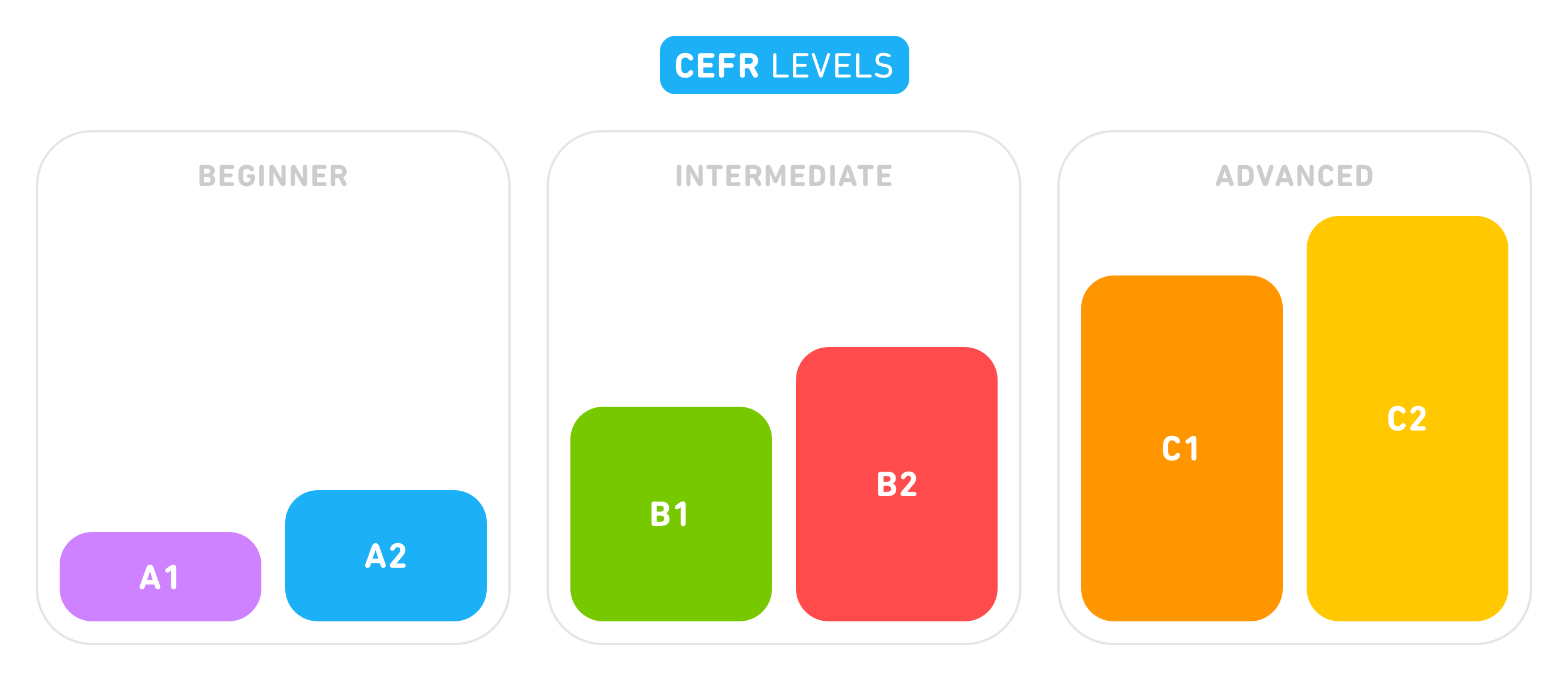
Duolingo is designed to help learners achieve a basic to intermediate level of Spanish proficiency. By completing the entire course, users can typically reach a level comparable to A2 or B1 on the Common European Framework of Reference for Languages (CEFR). This means learners can:
- Understand and use everyday expressions and basic phrases.
- Introduce themselves and ask/answer questions about personal details.
- Interact in simple conversations if the other person speaks slowly and clearly.
How does Duolingo structure its Spanish course?
Duolingo's Spanish course is divided into units and levels, each focusing on specific topics such as greetings, food, travel, and grammar. The course includes:
- Interactive lessons with listening, speaking, and writing exercises.
- Gamified elements like streaks and XP to keep learners motivated.
- Stories and podcasts to improve listening and comprehension skills.
What are the limitations of Duolingo for learning Spanish?
While Duolingo is a great starting point, it has some limitations for achieving advanced proficiency in Spanish. These include:
- Limited focus on real-life conversation practice.
- Less emphasis on complex grammar and advanced vocabulary.
- Insufficient exposure to cultural nuances and regional dialects.
Can Duolingo prepare you for Spanish proficiency exams?
Duolingo can help prepare for basic proficiency exams like the DELE A1 or A2, but it may not be sufficient for higher-level exams such as B2 or C1. To succeed in these exams, learners should:
- Supplement Duolingo with additional resources like textbooks or language tutors.
- Practice speaking and writing with native speakers.
- Engage in immersive learning through media, travel, or conversation groups.
How can learners maximize their Spanish skills with Duolingo?
To get the most out of Duolingo, learners should adopt a consistent and active approach. This includes:
- Completing daily lessons to maintain progress.
- Using the Duolingo Plus version for offline access and ad-free learning.
- Combining Duolingo with other tools like flashcards, language apps, or conversation partners.
Frequently Asked Questions (FAQ)
Is Duolingo effective for preparing for a Spanish test?
Duolingo can be a useful tool for preparing for a Spanish test, especially for beginners or those looking to build a strong foundation in vocabulary and basic grammar. The app uses gamified lessons that make learning engaging and accessible. However, it may not be sufficient on its own for advanced proficiency or specific test formats, as it lacks in-depth explanations of grammar rules and real-life conversational practice. For comprehensive preparation, combining Duolingo with other resources like textbooks, tutoring, or language exchange programs is recommended.
What are the pros of using Duolingo for Spanish test preparation?
One of the main advantages of using Duolingo is its accessibility and convenience. The app is free (with optional premium features) and can be used anytime, anywhere. It also provides a structured learning path with bite-sized lessons, making it easy to fit into a busy schedule. Additionally, Duolingo's gamification elements, such as streaks and rewards, help maintain motivation. For test preparation, its focus on vocabulary and sentence structure can be particularly helpful for building foundational skills.
What are the cons of using Duolingo for Spanish test preparation?
While Duolingo has many benefits, it also has some limitations. The app often lacks detailed explanations of complex grammar rules, which can be crucial for advanced learners or specific test requirements. Additionally, Duolingo's focus on translation and multiple-choice exercises may not fully prepare users for real-life conversations or writing tasks. Another drawback is the limited emphasis on listening and speaking skills, which are essential for comprehensive language proficiency. For these reasons, Duolingo should ideally be supplemented with other learning methods.
What strategies can make Duolingo more effective for Spanish test preparation?
To maximize the effectiveness of Duolingo for Spanish test preparation, consider implementing strategies such as setting daily goals, reviewing mistakes, and practicing consistently. Supplementing Duolingo with additional resources like grammar books, podcasts, or language exchange partners can help address its limitations. Additionally, focusing on the app's speaking and listening exercises, even if they are limited, can improve overall proficiency. Finally, taking mock tests or using test-specific study materials alongside Duolingo can ensure you're fully prepared for the exam format.
Leave a Reply
Related Posts