
Analysis paralysis: When choosing method becomes a problem

In today’s fast-paced world, decision-making is a critical skill, yet many individuals find themselves trapped in analysis paralysis—a state of overthinking that leads to indecision. This phenomenon occurs when the fear of making the wrong choice overwhelms the ability to act, often resulting in missed opportunities or stalled progress. Whether selecting a career path, purchasing a product, or choosing a strategy, the abundance of options can create anxiety rather than clarity. This article explores the causes and consequences of analysis paralysis, offering practical solutions to overcome it. By understanding this cognitive trap, readers can learn to balance thorough analysis with decisive action.
Analysis Paralysis: When Overthinking Hinders Decision-Making
Detailed Explanation:
Analysis paralysis occurs when an individual or group becomes so overwhelmed by the available options, data, or potential outcomes that they struggle to make a decision. This phenomenon often stems from the fear of making the wrong choice, leading to indecision, delayed actions, and even missed opportunities. In today’s fast-paced world, where choices are abundant—from career paths to consumer products—analysis paralysis can significantly impact productivity and mental well-being.
Below are five key aspects of analysis paralysis, each explored in detail with relevant data.
See AlsoWhat’s the difference between Chinese pronunciation and Pinyin? Does it matter?---
1. What Causes Analysis Paralysis?
Analysis paralysis arises from multiple psychological and situational factors, including:
- Fear of failure – The anxiety of making a suboptimal decision.
- Information overload – Too much data complicates the evaluation process.
- Perfectionism – The unrealistic expectation of finding the perfect choice.
- Lack of clear priorities – Unclear goals make weighing options difficult.
| Cause | Impact |
|---|---|
| Fear of failure | Leads to procrastination |
| Information overload | Slows decision-making |
| Perfectionism | Creates unrealistic standards |
---
See AlsoZheng He: Why Is He So Important Today?2. Signs You’re Experiencing Analysis Paralysis
Common indicators include:
- Constant research without reaching a conclusion.
- Second-guessing every possible option.
- Avoiding decisions by delegating or delaying.
- Mental fatigue from overanalyzing.
| Sign | Example |
|---|---|
| Constant research | Reading endless reviews before buying |
| Second-guessing | Changing your mind repeatedly |
---
3. How Analysis Paralysis Affects Productivity
The consequences include:
- Wasted time – Excessive deliberation reduces efficiency.
- Missed deadlines – Indecision delays progress.
- Lower morale – Frustration from unresolved choices.
| Effect | Outcome |
|---|---|
| Wasted time | Less time for execution |
| Missed deadlines | Project delays |
---
4. Strategies to Overcome Analysis Paralysis
Effective solutions include:
- Setting deadlines – Limits overthinking.
- Prioritizing criteria – Focus on key factors.
- Embracing good enough – Avoid perfectionism.
| Strategy | Benefit |
|---|---|
| Setting deadlines | Forces timely decisions |
| Prioritizing criteria | Simplifies choices |
---
5. Real-World Examples of Analysis Paralysis
Instances where overthinking backfires:
- Business – Delayed product launches due to excessive testing.
- Personal finance – Never investing due to market uncertainty.
| Scenario | Result |
|---|---|
| Business decisions | Lost competitive edge |
| Personal finance | Missed growth opportunities |
Why is my decision paralysis so bad?
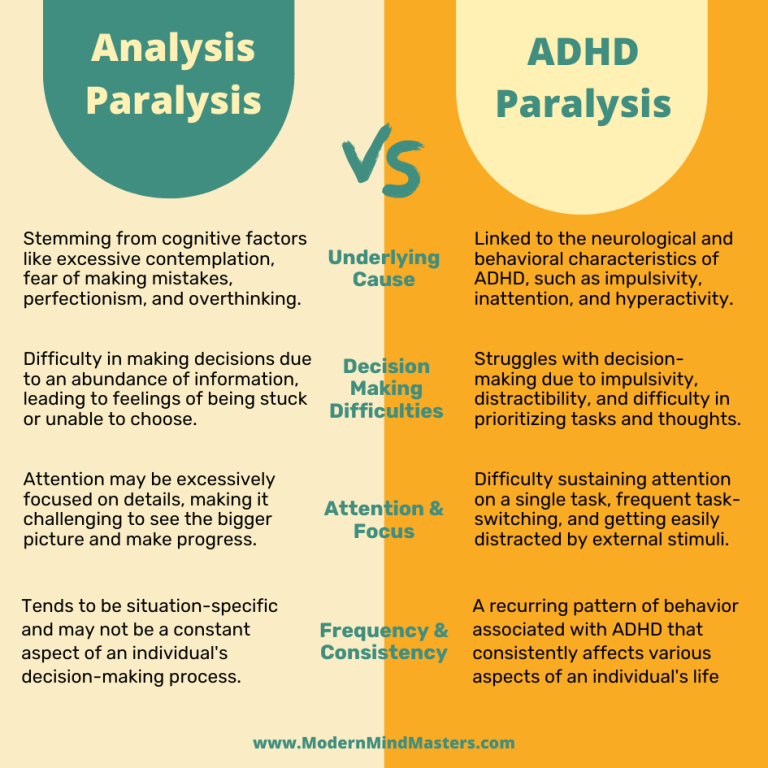
Why Does Decision Paralysis Happen?
Decision paralysis occurs when the brain becomes overwhelmed by too many choices or the fear of making the wrong decision. This can stem from several factors, including:
- Overthinking: Analyzing every possible outcome leads to mental exhaustion.
- Fear of regret: The anxiety of choosing poorly creates hesitation.
- High stakes: Important decisions amplify pressure, making action harder.
How Does Perfectionism Worsen Decision Paralysis?
Perfectionism fuels decision paralysis by setting unrealistic standards. Key reasons include:
- All-or-nothing thinking: Believing only one perfect choice exists.
- Overemphasis on mistakes: Fear of failure paralyzes progress.
- Excessive research: Endlessly seeking data delays action.
Can Too Many Options Cause Decision Paralysis?
Choice overload is a major trigger for decision paralysis. Here’s why:
- Cognitive burden: More options demand more mental energy.
- Comparison fatigue: Weighing pros/cons becomes exhausting.
- FOMO (Fear of Missing Out): Worrying about better alternatives.
How Does Anxiety Impact Decision-Making?
Anxiety disrupts decision-making by heightening uncertainty. Contributing factors:
- Catastrophizing: Imagining worst-case scenarios.
- Indecisiveness loops: Overanalyzing without resolution.
- Physical stress: Fatigue or tension clouds judgment.
What Role Does Lack of Confidence Play?
Low self-confidence exacerbates decision paralysis through:
- Self-doubt: Second-guessing every option.
- External validation: Relying too much on others’ opinions.
- Past failures: Letting previous mistakes hinder new choices.
What is the root cause of analysis paralysis?
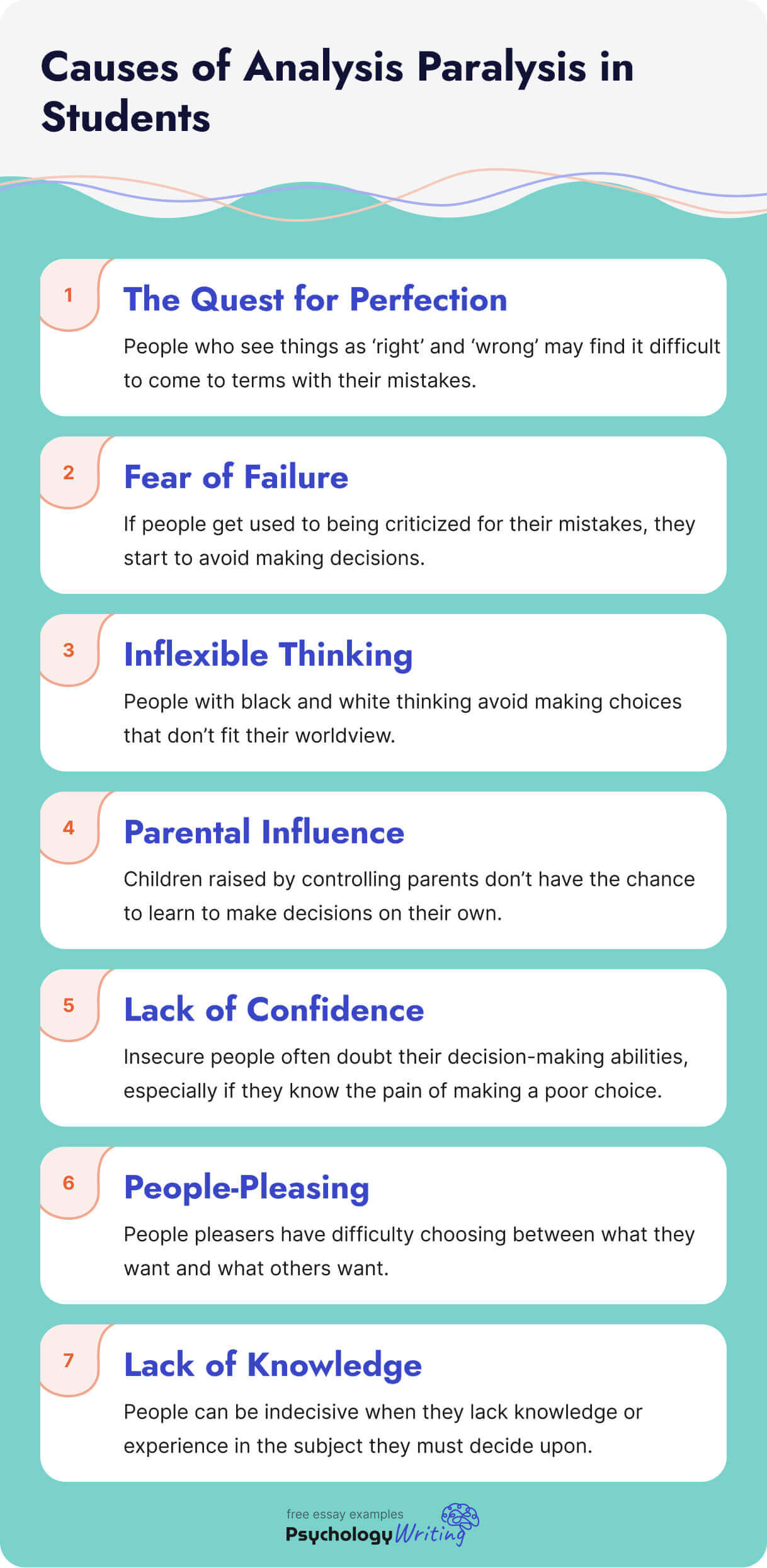
Fear of Making the Wrong Decision
The root cause of analysis paralysis often stems from an overwhelming fear of making the wrong decision. Individuals may overanalyze options, believing that more information will guarantee a perfect outcome. However, this can lead to stagnation. Key factors include:
- Perfectionism: The desire for an ideal solution prevents action.
- High stakes: When consequences feel irreversible, hesitation increases.
- Past failures: Previous mistakes create anxiety about repeating them.
Overload of Information
Excessive data can contribute to analysis paralysis by making choices seem more complex than they are. When faced with too many options or details, decision-making becomes daunting. Contributing elements include:
- Information saturation: Too many sources lead to confusion.
- Contradictory data: Conflicting advice or research complicates choices.
- Lack of filtering: Inability to prioritize relevant information.
Lack of Clear Priorities
Without defined priorities, individuals struggle to weigh options effectively. Unclear goals or values make it difficult to discern the best path forward. Key aspects are:
- Ambiguous objectives: Unclear end goals delay decisions.
- Conflicting values: Competing interests create indecision.
- No decision-making framework: Absence of criteria to evaluate choices.
Desire for Control
The need for control over outcomes can fuel analysis paralysis. Attempting to predict every possible scenario often results in inaction. Underlying reasons include:
- Uncertainty avoidance: Discomfort with unpredictable results.
- Overestimation of influence: Belief that more analysis ensures control.
- Risk aversion: Preference for safety over potential gains.
External Pressure and Expectations
External influences, such as societal or professional expectations, can intensify indecision. Fear of judgment or failure may prolong the analysis phase. Contributing factors are:
- Social comparison: Measuring decisions against others' successes.
- Fear of criticism: Worry about others' opinions hinders action.
- Performance anxiety: Pressure to meet perceived standards.
What is the paradox of analysis paralysis?
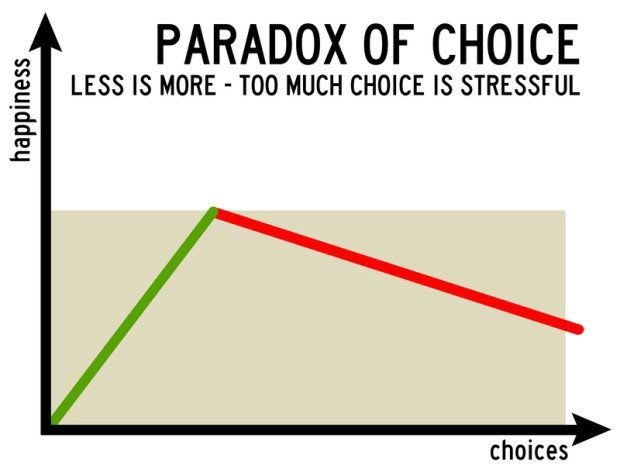
The Definition of Analysis Paralysis
Analysis paralysis occurs when an individual or group overanalyzes a situation to the point where no decision or action is taken, often leading to missed opportunities or stagnation. The paradox lies in the fact that excessive analysis, intended to improve decision-making, ultimately hinders it. Key aspects include:
- Overthinking: The more data or options considered, the harder it becomes to choose.
- Fear of failure: The desire for a perfect decision prevents any decision at all.
- Time waste: Prolonged deliberation delays progress without guaranteeing better outcomes.
Psychological Roots of Analysis Paralysis
The psychological underpinnings of analysis paralysis involve cognitive biases and emotional factors. Common triggers include:
- Choice overload: Too many options overwhelm the brain's decision-making capacity.
- Perfectionism: The unrealistic expectation of a flawless outcome.
- Loss aversion: Fear of making the wrong choice outweighs potential gains.
Real-World Examples of Analysis Paralysis
Examples of analysis paralysis are prevalent in business, personal life, and technology. Notable cases include:
- Business strategy: Companies delaying launches due to endless market research.
- Career choices: Individuals stuck between multiple job offers, unable to commit.
- Consumer behavior: Shoppers overwhelmed by product comparisons, leaving empty-handed.
How Analysis Paralysis Impacts Productivity
The impact on productivity is severe, as indecision leads to:
- Delayed projects: Teams stuck in planning phases miss deadlines.
- Stress: Constant deliberation increases anxiety and burnout.
- Opportunity costs: Time spent analyzing could have been used for execution.
Strategies to Overcome Analysis Paralysis
Strategies to combat analysis paralysis focus on simplifying decision-making:
- Set deadlines: Impose time limits to force action.
- Limit options: Narrow choices to a manageable few.
- Embrace imperfection: Accept that no decision is 100% risk-free.
What is paralysis by too much choice?
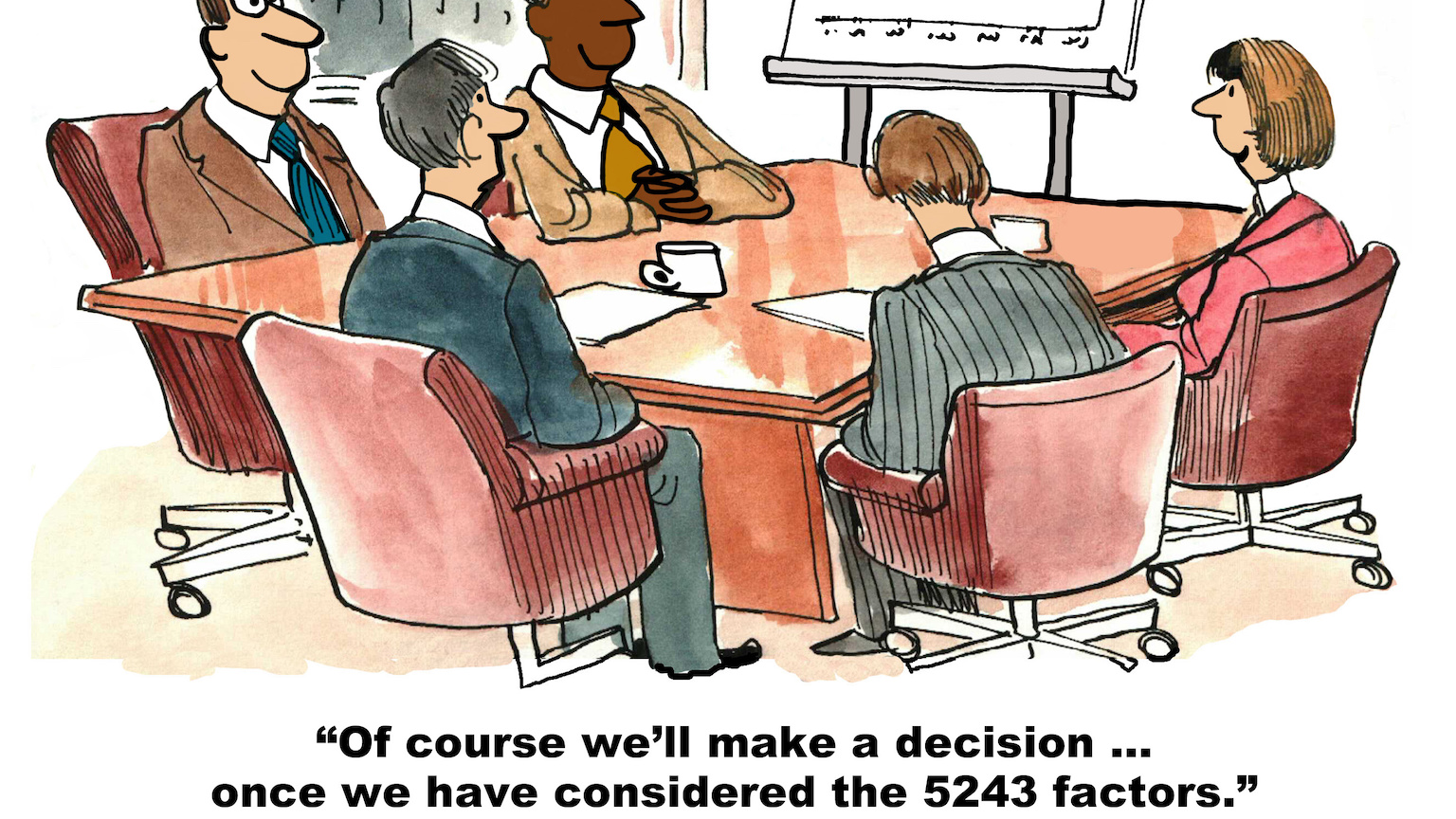
The Definition of Choice Paralysis
Paralysis by too much choice, also known as choice overload or analysis paralysis, occurs when an individual is overwhelmed by the number of available options, leading to difficulty in making a decision or avoiding the decision altogether. This phenomenon often results in stress, dissatisfaction, or inaction.
- Overwhelming options can make it harder to evaluate each one effectively.
- The fear of making the wrong choice increases as alternatives multiply.
- Excessive choices may lead to regret even after a decision is made.
Causes of Decision Paralysis
Several factors contribute to paralysis by too much choice, including cognitive overload, perfectionism, and the pressure to optimize decisions.
- Cognitive overload occurs when the brain struggles to process excessive information.
- Perfectionism drives individuals to seek the perfect option, delaying decisions.
- Fear of missing out (FOMO) makes people hesitant to commit to one choice.
Psychological Effects of Choice Overload
Experiencing too many choices can negatively impact mental well-being, leading to anxiety, dissatisfaction, and decision fatigue.
- Anxiety arises from the pressure to make the right decision.
- Dissatisfaction may follow due to second-guessing choices.
- Decision fatigue reduces the ability to make further choices effectively.
Examples in Everyday Life
Paralysis by too much choice manifests in various real-life scenarios, from shopping to career decisions.
- Shopping: Facing hundreds of products makes selecting one difficult.
- Streaming services: Too many shows/movies lead to endless scrolling.
- Career choices: Multiple job offers can create indecision.
How to Overcome Choice Paralysis
Strategies exist to mitigate the effects of choice overload and improve decision-making efficiency.
- Limit options by setting clear criteria before evaluating choices.
- Set deadlines to prevent prolonged deliberation.
- Accept good enough rather than seeking perfection.
Frequently Asked Questions (FAQ)
What is analysis paralysis in the context of decision-making methods?
Analysis paralysis occurs when an individual or team becomes so overwhelmed by the available options or data that they struggle to make a decision. This phenomenon often arises when choosing a method or approach, as the fear of making the wrong choice leads to inaction. The more time spent analyzing, the harder it becomes to commit, ultimately stalling progress and reducing productivity.
What are the common causes of analysis paralysis when selecting a method?
The primary causes include overthinking, fear of failure, and excessive information. When faced with multiple methods, individuals may doubt their ability to choose the optimal one, leading to endless comparisons. Additionally, perfectionism and lack of clear criteria exacerbate the problem, as people hesitate to settle for anything less than the perfect solution.
How can analysis paralysis be overcome when deciding on a method?
To combat analysis paralysis, it's crucial to set deadlines and prioritize key criteria for decision-making. Breaking the process into smaller, manageable steps can reduce overwhelm. Additionally, adopting a good enough mindset rather than seeking perfection helps in making faster decisions. Seeking external feedback or using decision-making frameworks can also provide clarity and confidence.
What are the long-term consequences of analysis paralysis in method selection?
Prolonged analysis paralysis can lead to missed opportunities, decreased efficiency, and increased stress. When teams or individuals delay decisions indefinitely, projects stall, and competitors may gain an advantage. Over time, this habit can erode confidence in decision-making abilities and create a culture of indecisiveness, harming both personal and organizational growth.
Leave a Reply
Related Posts