
Seeing through the illusion of advanced Chinese learning

Many learners embark on the journey of mastering Chinese with high expectations, only to confront the harsh reality of its complexity. The illusion of rapid progress often fades as the intricacies of characters, tones, and grammar reveal their true depth. While apps and shortcuts promise fluency, they frequently mask the long-term dedication required. This article explores the myths surrounding advanced Chinese learning, shedding light on common pitfalls and unrealistic expectations. By understanding these challenges, students can adopt more effective strategies, shifting focus from superficial gains to genuine mastery. The path to fluency demands patience—discovering how to see through the illusion is the first step.
Seeing Through the Illusion of Advanced Chinese Learning
The Myth of Fluency Overnight
Many learners believe that mastering advanced Chinese can happen quickly with the right tools or methods. However, true fluency requires consistent effort, immersion, and years of practice. The idea that a single course or app can make you fluent is a misconception. Below is a table highlighting key aspects of this myth:
| Misconception | Reality |
|---|---|
| Fluency in 3 months | Years of dedicated study |
| One-size-fits-all methods | Personalized learning paths |
The Overemphasis on Memorization
While memorizing characters and vocabulary is essential, relying solely on rote learning can hinder true understanding. Contextual learning and practical usage are far more effective. Below is a comparison of memorization vs. application:
See AlsoCost of Living in China: Guide for International Students| Memorization | Application |
|---|---|
| Repetition of characters | Using words in conversations |
| Short-term retention | Long-term comprehension |
The Role of Cultural Understanding
Learning Chinese culture is just as important as mastering the language itself. Without cultural context, many phrases and idioms lose their meaning. Here’s why culture matters:
| Language Skill | Cultural Insight Needed |
|---|---|
| Idioms (成语) | Historical references |
| Formal vs. informal speech | Social hierarchies |
The Illusion of Perfect Pronunciation
Many learners obsess over achieving native-like pronunciation, but communication is more about clarity than perfection. Below is a breakdown of pronunciation priorities:
| Focus Area | Realistic Goal |
|---|---|
| Tones (声调) | Consistency over perfection |
| Accent reduction | Clarity in speech |
The Misleading Promise of Advanced Certifications
Holding an HSK 6 certificate doesn’t always equate to real-world proficiency. Many certified learners still struggle in practical settings. Here’s why:
See AlsoChinese Pinyin Translator – Easily Add Tone Marks to Pinyin Text| Certification Level | Real-World Challenges |
|---|---|
| HSK 4-5 | Basic conversations |
| HSK 6 | Complex discussions |
What is the paradox of the Chinese learner?
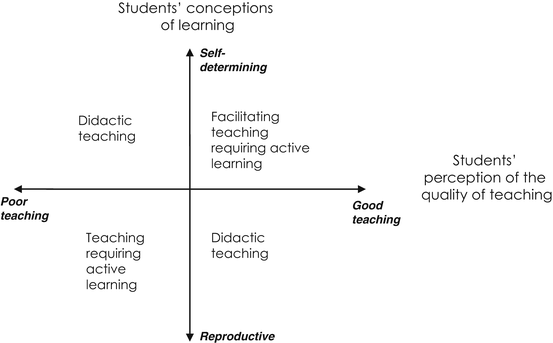
The Definition of the Chinese Learner Paradox
The paradox of the Chinese learner refers to the apparent contradiction between traditional Western assumptions about learning styles and the academic success of Chinese students. Despite relying on methods often labeled as rote memorization and passive learning, Chinese learners frequently outperform their Western counterparts in international assessments. This challenges the belief that deep understanding only arises from active, inquiry-based learning.
- Rote learning is often criticized in Western education but is a cornerstone of Chinese academic success.
- Chinese students excel in standardized tests despite using memorization-heavy techniques.
- The paradox questions whether Western educational theories fully account for cultural differences in learning.
Historical and Cultural Roots
The paradox stems from deep-rooted cultural traditions in China, such as Confucian values that emphasize diligence, respect for authority, and mastery of foundational knowledge. These values shape a learning environment where repetition and discipline are prioritized over creative exploration.
See AlsoChinese character variants and font differences for language learners- Confucianism promotes the idea that effort, not innate ability, determines success.
- Chinese education places high value on teacher authority and structured curricula.
- Memorization is seen as a step toward higher-level understanding, not an end in itself.
Criticisms and Misconceptions
Western educators often misinterpret Chinese learning methods as purely mechanical memorization, overlooking the nuanced ways students internalize knowledge. Critics argue that this approach stifles critical thinking, but evidence suggests Chinese learners develop analytical skills through layered mastery.
- The assumption that memorization excludes comprehension is overly simplistic.
- Chinese classrooms often combine memorization with problem-solving drills.
- The paradox highlights Western biases in evaluating effective learning strategies.
Empirical Evidence and Academic Performance
Studies, such as PISA rankings, consistently show Chinese students leading in math, science, and reading. This performance contradicts the stereotype that their learning methods produce superficial knowledge, suggesting instead that practice and repetition build a robust foundation for advanced skills.
- Shanghai, Beijing, and other Chinese regions top global education rankings.
- High scores correlate with rigorous homework and practice routines.
- The paradox forces a reevaluation of pedagogical effectiveness across cultures.
Implications for Global Education
The paradox invites educators worldwide to reconsider the balance between rote learning and conceptual understanding. It suggests that integrating elements of Chinese methods, such as deliberate practice, could enhance Western systems without abandoning creativity.
See Also24 great resources for improving your Mandarin pronunciation- Hybrid models may leverage memorization for foundational knowledge.
- Cross-cultural research can bridge gaps in teaching philosophies.
- The paradox underscores the need for culturally responsive education policies.
What is the Chinese learning style?

Traditional Chinese Learning Methods
The Chinese learning style is deeply rooted in Confucian traditions, emphasizing discipline, repetition, and respect for authority. Key characteristics include:
- Memorization: Students often learn through rote memorization of texts, formulas, and historical facts.
- Teacher-centered approach: Instructors play a dominant role, with students expected to listen and absorb knowledge passively.
- High-stakes testing: Exams like the Gaokao heavily influence education, prioritizing test performance over creativity.
Modern Adaptations in Chinese Education
While traditional methods persist, modern Chinese education incorporates innovative techniques to foster critical thinking:
See AlsoWhat important words are missing from HSK?- STEM focus: Schools emphasize science, technology, engineering, and math to align with global competitiveness.
- Group collaboration: Project-based learning is increasingly used to develop teamwork skills.
- Digital integration: Online platforms and AI tools supplement classroom teaching.
Role of Discipline and Hard Work
The Chinese learning style places immense value on perseverance and effort:
- Long study hours: Students often attend extra classes or self-study sessions late into the evening.
- Parental involvement: Families actively monitor progress and enforce strict study routines.
- Cultural emphasis on diligence: Phrases like hard work overcomes talent reinforce this mindset.
Emphasis on Foundational Knowledge
Chinese education prioritizes mastery of basics before advancing:
- Early literacy and numeracy: Children learn characters and arithmetic intensively from a young age.
- Structured curriculum: Subjects follow a step-by-step progression with clear benchmarks.
- Repetition drills: Practice problems and writing exercises reinforce core concepts.
Balancing Tradition and Innovation
Contemporary Chinese educators strive to blend old and new approaches:
- Critical thinking initiatives: Reforms encourage debate and problem-solving alongside memorization.
- Global perspectives: International exchange programs expose students to diverse learning styles.
- Holistic development: Arts and sports gain more attention to reduce academic pressure.
How to improve your Chinese vocabulary?

Use Flashcards for Daily Practice
Flashcards are a powerful tool for memorizing Chinese vocabulary. By reviewing them daily, you reinforce your memory and retain words more effectively. Here’s how to maximize their use:
- Create digital flashcards using apps like Anki or Pleco to access them anytime.
- Focus on high-frequency words first to build a practical vocabulary foundation.
- Include example sentences to understand word usage in context.
Immerse Yourself in Chinese Media
Exposing yourself to Chinese media helps you learn vocabulary naturally. Watching, listening, and reading in Chinese reinforces word recognition and pronunciation.
- Watch Chinese TV shows or movies with subtitles to associate words with visuals.
- Listen to Chinese podcasts or music to improve auditory comprehension.
- Read Chinese books or news articles to encounter new words in context.
Practice Writing Characters Regularly
Writing Chinese characters by hand strengthens memory and improves recognition. Consistent practice ensures long-term retention.
- Use grid paper to maintain proper stroke order and proportions.
- Copy sentences instead of isolated characters to learn usage.
- Review old writings to identify progress and areas for improvement.
Engage in Conversations with Native Speakers
Speaking with native Chinese speakers accelerates vocabulary acquisition by putting words into real-life use.
- Join language exchange platforms like Tandem or HelloTalk.
- Ask for corrections to refine your word choices and pronunciation.
- Discuss diverse topics to expand vocabulary beyond basics.
Leverage Spaced Repetition Systems (SRS)
Spaced repetition optimizes memory retention by reviewing words at increasing intervals.
- Use SRS apps like Anki or Memrise for structured learning.
- Adjust intervals based on difficulty—harder words appear more frequently.
- Combine with audio to reinforce pronunciation and listening skills.
Frequently Asked Questions (FAQ)
What does Seeing through the illusion of advanced Chinese learning mean?
The phrase refers to the realization that many learners mistakenly believe they have reached an advanced level in Chinese when, in reality, their proficiency may still be superficial. This illusion often stems from overestimating one's abilities due to memorizing vocabulary or understanding basic conversations without grasping deeper nuances like cultural context, idiomatic expressions, or advanced grammar. True mastery requires moving beyond surface-level comprehension.
Why do learners fall into the illusion of advanced Chinese learning?
Many learners fall into this trap because they focus too much on quantifiable progress, such as passing exams or completing textbooks, rather than practical fluency. Additionally, the complexity of Chinese characters and tones can create a false sense of achievement when basic skills are acquired. Without consistent immersion or engagement with native speakers, learners may overlook gaps in their listening, speaking, or cultural understanding.
How can one avoid the illusion of advanced Chinese learning?
To avoid this pitfall, learners should prioritize authentic materials like native podcasts, newspapers, or films to test their comprehension. Regular self-assessment through conversations with native speakers or language partners is crucial. Additionally, setting realistic goals and focusing on active usage—rather than passive memorization—helps bridge the gap between perceived and actual proficiency.
What are the signs that someone is experiencing this illusion?
Common signs include struggling with natural-speed conversations, misinterpreting sarcasm or humor, or relying heavily on textbooks rather than real-world interactions. Learners might also find themselves translating mentally instead of thinking directly in Chinese. Another red flag is excelling in structured environments (like classrooms) but faltering in unscripted scenarios, such as spontaneous discussions or regional dialect variations.
Leave a Reply
Related Posts