
Vocalise more to learn more Chinese

Learning Chinese can be a challenging yet rewarding journey, and one of the most effective ways to master the language is through vocal practice. Speaking aloud not only helps with pronunciation and tone accuracy but also reinforces memory and builds confidence. By vocalizing words, phrases, and sentences regularly, learners can internalize the rhythm and flow of Mandarin, making it easier to recall and use in real conversations. Whether repeating after native speakers, engaging in dialogues, or practicing alone, consistent vocalization accelerates comprehension and fluency. Embrace the power of your voice—every word you speak brings you closer to mastering Chinese. Start vocalizing more today to learn more tomorrow.
Why Vocalising More Helps You Learn Chinese Faster
The Power of Speaking Aloud in Language Acquisition
Speaking aloud reinforces memory by engaging multiple senses—hearing, articulation, and auditory feedback. When learning Chinese, vocalising tones and syllables trains your mouth muscles and ears simultaneously, improving pronunciation accuracy. Studies show that learners who vocalise retain vocabulary 30% better than silent studiers.
| Benefit | Impact on Learning Chinese |
|---|---|
| Muscle Memory | Helps master tones (e.g., 妈 mā vs. 马 mǎ) |
| Auditory Reinforcement | Improves tone discrimination |
| Confidence Building | Reduces fear of speaking |
---
See AlsoA Guide to All Dialects of ChineseHow Vocalising Improves Tone Mastery
Mandarin Chinese relies heavily on tones (e.g., flat, rising, falling-rising). Vocalising forces you to actively produce these tones, unlike passive listening. For example, repeating shī (诗), shí (十), shǐ (史), shì (是) aloud ingrains their differences. Tools like shadowing (mimicking native speakers) amplify this effect.
| Tone Practice Method | Effectiveness |
|---|---|
| Repetition Drills | High (builds consistency) |
| Recording & Comparison | Medium (self-correction) |
| Minimal Pairs | Critical (e.g., mā/mǎ) |
---
Vocalisation vs. Silent Study: A Comparison
Silent study (e.g., flashcards) focuses on visual recognition, but Chinese requires oral proficiency. Vocalising bridges this gap by:
- Strengthening phonetic recall (e.g., recalling 你好 via sound, not just characters).
- Accelerating conversational fluency through habitual speech.
| Method | Retention Rate |
|---|---|
| Vocalising | 70-80% (active engagement) |
| Silent Study | 40-50% (passive input) |
---
Practical Exercises to Vocalise Chinese Daily
Incorporate these speaking-focused routines:
1. Read aloud from textbooks/podcast transcripts.
2. Shadow dialogues from TV shows (e.g., repeat after actors).
3. Narrate actions in Chinese (I’m drinking water → 我在喝水).
| Exercise | Frequency |
|---|---|
| Tongue Twisters | Daily (e.g., 四是四,十是十) |
| Flashcard Vocal Drills | 3x/week |
---
See AlsoHow to Write a Formal Letter in ChineseCommon Mistakes When Vocalising Chinese
Avoid these pitfalls:
- Ignoring tones (e.g., saying wǒ xiǎng shuìjiào with flat tones).
- Over-relying on Pinyin (prevents character recognition).
- Isolating words (practice in full sentences for context).
| Mistake | Solution |
|---|---|
| Mumbling | Exaggerate tones initially |
| Skipping Feedback | Use apps like HelloTalk |
Why are more and more people learning Chinese?

Economic Opportunities and Global Business Expansion
The rise of China's economy as a global powerhouse has made learning Chinese a strategic advantage. Many multinational companies operate in China or collaborate with Chinese firms, creating demand for Mandarin speakers. Here’s why:
See AlsoHow I Almost Forgot Chinese and Then Relearned It All Over Again- China's GDP growth has outpaced many nations, making it a key player in trade and investment.
- Businesses seek employees who can negotiate and communicate directly with Chinese partners.
- Proficiency in Chinese opens doors to careers in finance, technology, and manufacturing sectors.
Cultural Influence and Soft Power
China's cultural exports, from movies to cuisine, have sparked global interest in its language. The government also promotes Mandarin through initiatives like Confucius Institutes. Key factors include:
- The popularity of Chinese films, music, and literature attracts learners.
- Tourism to China has grown, encouraging language skills for better travel experiences.
- Understanding Chinese culture fosters deeper connections in diplomacy and education.
Educational and Academic Advantages
Many students learn Chinese to access top-tier universities or scholarships in China. The country’s focus on STEM fields is particularly appealing. Reasons include:
- China offers fully funded scholarships for international students.
- Proficiency in Mandarin enhances research opportunities in science and technology.
- Bilingualism improves cognitive skills and employability.
Technological Innovation and Digital Trends
China leads in tech innovation, from AI to e-commerce, making Mandarin valuable for tech professionals. Highlights are:
- Companies like Huawei, Alibaba, and Tencent dominate global markets.
- Understanding Chinese gives access to cutting-edge research and patents.
- The rise of Chinese social media platforms requires language skills for engagement.
Government Policies and Global Initiatives
China’s Belt and Road Initiative (BRI) and other policies encourage language learning. Key drivers:
- The BRI creates infrastructure projects across 140+ countries, requiring Mandarin speakers.
- Chinese government sponsors language programs worldwide.
- Diplomatic roles increasingly demand Mandarin proficiency.
What is the most useful Chinese dialect to learn?
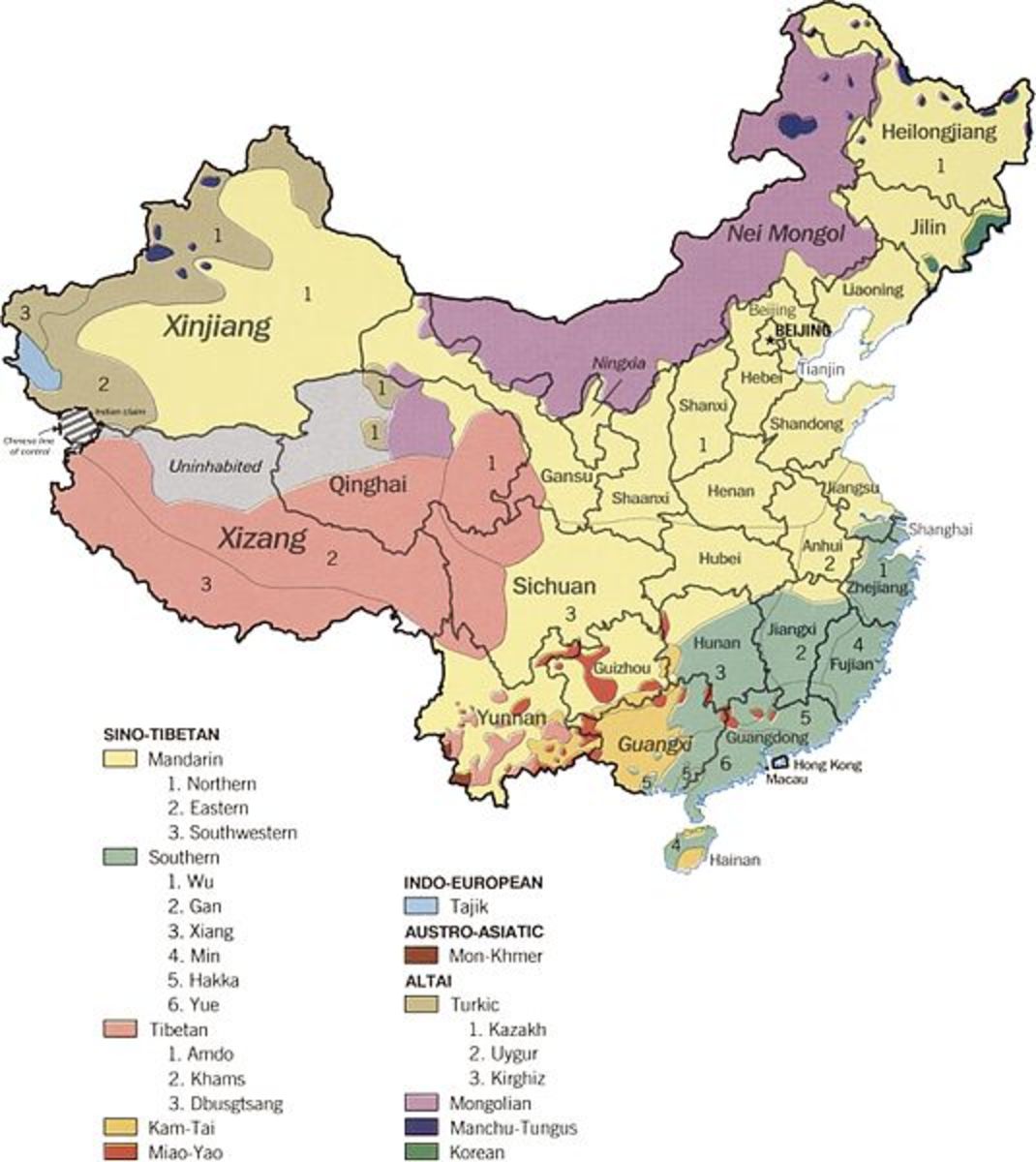
Why is Mandarin the most useful Chinese dialect to learn?
Mandarin, specifically Standard Chinese (Putonghua), is the most widely spoken Chinese dialect, serving as the official language of China, Taiwan, and Singapore. It is used in education, media, and government, making it essential for communication across Chinese-speaking regions. Key reasons to learn Mandarin include:
- Global relevance: Over 1 billion speakers worldwide.
- Economic opportunities: Crucial for business in China and international trade.
- Cultural access: Opens doors to literature, films, and historical resources.
How does Cantonese compare to Mandarin in usefulness?
Cantonese is primarily spoken in Guangdong, Hong Kong, and Macau, making it regionally significant but less universal than Mandarin. Its usefulness depends on specific goals:
- Regional importance: Vital for business or travel in southern China.
- Cultural niche: Key for understanding Cantonese cinema, music, and diaspora communities.
- Limited official use: Not used in mainland China's government or education systems.
Is Hokkien a practical Chinese dialect to learn?
Hokkien (Min Nan) is spoken in Fujian, Taiwan, and Southeast Asian communities, but its practicality is niche compared to Mandarin:
- Diaspora connections: Useful for communicating with overseas Chinese in Malaysia, Singapore, or the Philippines.
- Regional trade: Relevant for specific industries in southern Fujian and Taiwan.
- No standardized writing: Lacks a unified written form, complicating formal learning.
What are the advantages of learning Shanghainese?
Shanghainese, a Wu dialect, is prominent in Shanghai and surrounding areas, but its utility is limited outside this region:
- Local integration: Helps build relationships in Shanghai's business and social circles.
- Cultural preservation: Important for understanding local traditions and history.
- Declining usage: Younger generations increasingly prefer Mandarin.
Should I consider learning Hakka for specific purposes?
Hakka is spoken by the Hakka people in scattered communities across China, Taiwan, and Southeast Asia, but its practicality is narrow:
- Ethnic connections: Valuable for engaging with Hakka diaspora communities.
- Historical significance: Offers insights into Hakka culture and migration patterns.
- Limited modern utility: Not widely used in business or official settings.
What is the hardest language to learn if you speak Chinese?

Why is Arabic Considered One of the Hardest Languages for Chinese Speakers?
Arabic poses significant challenges for Chinese speakers due to its completely different script, complex grammar, and unfamiliar phonetics. Here are the key reasons:
- Script: Arabic uses a right-to-left alphabet with letters that change shape depending on their position in a word.
- Pronunciation: Guttural sounds like ع or ح don’t exist in Chinese, making them difficult to master.
- Grammar: Arabic has gendered nouns, verb conjugations, and a case system, which are absent in Chinese.
How Does Hungarian Challenge Chinese Speakers?
Hungarian is notoriously difficult because of its agglutinative structure and lack of relation to Chinese or even Indo-European languages. Key hurdles include:
- Grammar: Hungarian uses up to 18 cases, compared to Chinese’s minimal inflection.
- Vocabulary: Almost no lexical overlap with Chinese, requiring complete memorization.
- Word Order: Free word order contrasts sharply with Chinese’s rigid syntax.
What Makes Finnish Difficult for Chinese Speakers?
Finnish is challenging due to its Uralic roots and complex morphology. Major obstacles include:
- Cases: Finnish has 15 grammatical cases, unlike Chinese’s reliance on word order.
- Vowel Harmony: Rules governing vowel combinations are absent in Chinese.
- Compounding: Long, agglutinated words differ from Chinese’s concise characters.
Why is Icelandic Hard for Chinese Learners?
Icelandic’s archaic grammar and limited resources make it tough. Key difficulties:
- Inflections: Nouns decline in four cases, and verbs conjugate heavily.
- Pronunciation: Sounds like þ (thorn) and ð (eth) don’t exist in Chinese.
- Vocabulary: Minimal loanwords from other languages, forcing pure memorization.
How Does Polish Complicate Learning for Chinese Speakers?
Polish is difficult due to its Slavic grammar and phonetic complexity. Challenges include:
- Consonant Clusters: Words like szczęście (happiness) are hard to pronounce.
- Gendered Nouns: Three genders (masculine, feminine, neuter) don’t exist in Chinese.
- Verb Aspects: Perfective vs. imperfective verbs add a layer of complexity.
How long does it take to learn to speak Chinese fluently?
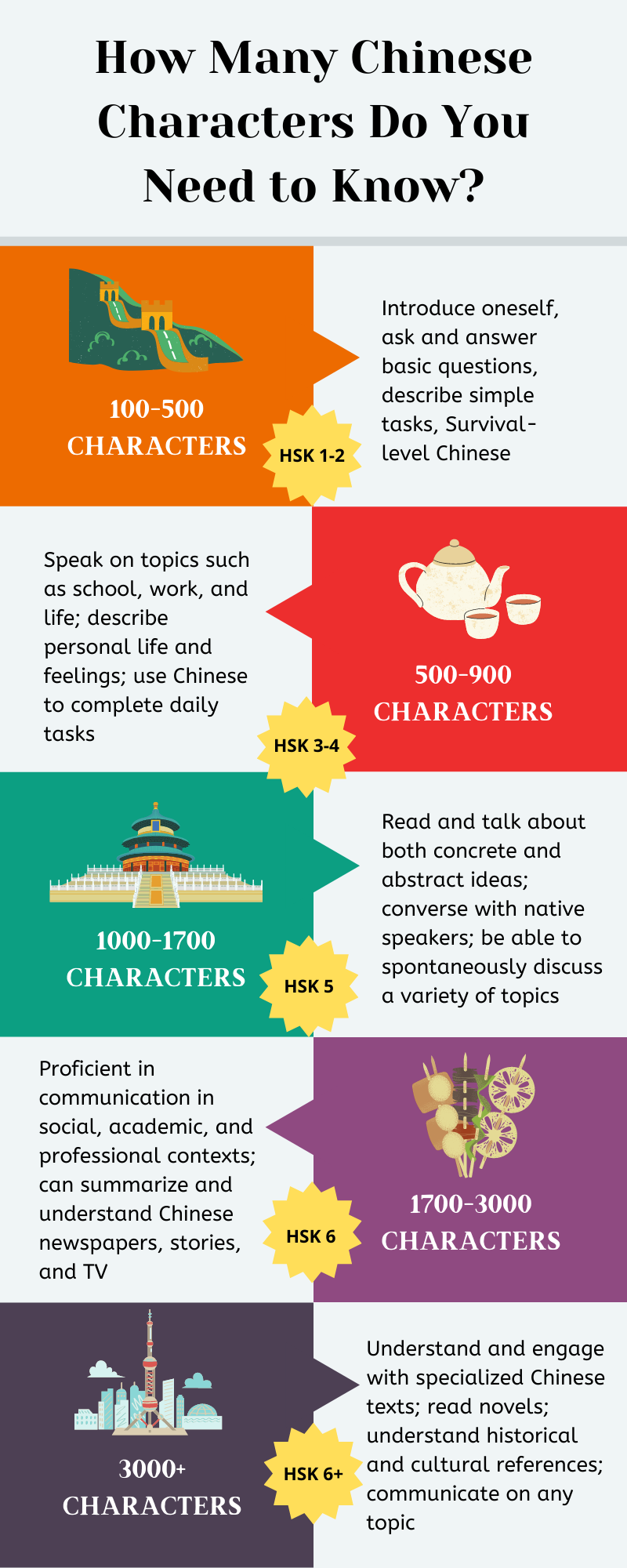
Factors That Influence Learning Chinese Fluently
The time it takes to learn Chinese fluently depends on several factors, including:
- Prior language experience: Knowing other tonal languages like Vietnamese or Thai can speed up the process.
- Study intensity: Full-time learners may achieve fluency in 2-3 years, while part-time students may take 4-5 years.
- Immersion: Living in a Chinese-speaking environment accelerates learning significantly.
Stages of Learning Chinese
Becoming fluent in Mandarin Chinese involves progressing through key stages:
- Basic proficiency (6-12 months): Mastering pinyin, tones, and simple conversations.
- Intermediate level (1-2 years): Expanding vocabulary and understanding grammar structures.
- Advanced fluency (2+ years): Speaking naturally, understanding idioms, and handling complex topics.
Time Investment Required Per Week
To reach fluency, consistent effort is crucial. Below are estimated weekly study hours:
- Casual learners (5-10 hours/week): May take 5+ years.
- Dedicated learners (15-20 hours/week): Can achieve fluency in 3-4 years.
- Intensive learners (25+ hours/week): May reach fluency in 2-3 years.
Challenges That Slow Down Progress
Several obstacles can extend the time needed to master Chinese:
- Tonal pronunciation: Misusing tones can lead to misunderstandings.
- Character memorization: Learning thousands of Hanzi requires repetition.
- Grammar differences: Sentence structure differs from English.
Accelerating Fluency in Chinese
To learn Chinese faster, consider these strategies:
- Language partners: Practice speaking with native speakers regularly.
- Media consumption: Watch Chinese shows and listen to podcasts.
- Formal courses: Structured programs provide systematic learning.
Frequently Asked Questions (FAQ)
What does Vocalise more to learn more Chinese mean?
Vocalise more to learn more Chinese emphasizes the importance of actively speaking and practicing pronunciation when learning the Chinese language. Unlike passive learning methods like reading or listening, vocalizing helps reinforce memory, improve tonal accuracy, and build confidence in real-life conversations. Repetition and verbal practice are key to mastering Mandarin's unique sounds and tones, making this approach highly effective for learners.
How can vocalizing improve my Chinese pronunciation?
Chinese is a tonal language, meaning the meaning of words changes based on pitch. By vocalizing regularly, you train your mouth, ears, and brain to recognize and reproduce these tones accurately. Practicing aloud also helps with muscle memory, making it easier to form sounds like zh, ch, and x, which may not exist in your native language. Over time, this leads to clearer and more natural speech.
What are some effective ways to vocalize when learning Chinese?
To maximize the benefits of vocalizing, try techniques like shadowing native speakers (repeating after audio clips), recording yourself to compare pronunciation, or engaging in daily speaking drills. Tongue twisters and singing Chinese songs can also make practice fun while improving fluency. Additionally, language exchange partners or tutors provide real-time feedback to refine your skills further.
Can vocalizing alone make me fluent in Chinese?
While vocalizing is crucial, fluency requires a balanced approach. Combining speaking practice with vocabulary study, grammar comprehension, and cultural immersion ensures well-rounded progress. However, consistent vocalization accelerates conversational ability and listening skills, making it a cornerstone of effective Chinese language learning.
Leave a Reply
Related Posts