
Learning simplified and traditional Chinese

Learning both simplified and traditional Chinese opens doors to a rich cultural and linguistic heritage. Simplified Chinese, used primarily in mainland China and Singapore, offers practicality with fewer strokes, making it easier for beginners. Traditional Chinese, prevalent in Taiwan, Hong Kong, and Macau, retains the intricate characters that reflect centuries of history. Understanding both systems enhances communication across diverse Chinese-speaking regions and deepens appreciation for the language's evolution. Whether for travel, business, or personal growth, mastering these scripts provides a competitive edge and a deeper connection to Chinese culture. This article explores the key differences, benefits, and strategies for learning both forms effectively.
- Learning Simplified and Traditional Chinese: Key Differences and Tips
- Can you learn both simplified and Traditional Chinese?
-
Is it better to study traditional or simplified Chinese?
- Understanding the Differences Between Traditional and Simplified Chinese
- Which Version Is More Useful for Travel and Business?
- Is Traditional Chinese Harder to Learn Than Simplified?
- Cultural and Historical Significance of Traditional Chinese
- Future Trends: Will Simplified Chinese Replace Traditional?
-
Can you understand simplified Chinese if you know Traditional Chinese?
- How Similar Are Simplified and Traditional Chinese Characters?
- What Are the Key Differences Between Simplified and Traditional Chinese?
- Can Traditional Chinese Readers Understand Simplified Chinese Without Study?
- Which Aspects of Simplified Chinese Are Most Challenging for Traditional Readers?
- How Quickly Can Traditional Chinese Speakers Adapt to Simplified Characters?
-
How to switch between traditional and simplified Chinese?
- How to Switch Between Traditional and Simplified Chinese on Your Device
- Switching Between Traditional and Simplified Chinese in Microsoft Word
- Changing Between Traditional and Simplified Chinese in Google Translate
- Using Browser Extensions to Switch Between Traditional and Simplified Chinese
- Switching Between Traditional and Simplified Chinese in Mobile Apps
-
Frequently Asked Questions (FAQ)
- What are the main differences between simplified and traditional Chinese?
- Which one should I learn first: simplified or traditional Chinese?
- Is it difficult to switch from simplified to traditional Chinese (or vice versa)?
- Are there any advantages to learning both simplified and traditional Chinese?
Learning Simplified and Traditional Chinese: Key Differences and Tips
1. Understanding the Basics of Simplified and Traditional Chinese
Simplified and Traditional Chinese are two writing systems used in different regions. Simplified Chinese is primarily used in mainland China and Singapore, while Traditional Chinese is common in Taiwan, Hong Kong, and Macau. The main difference lies in the number of strokes: Simplified characters have fewer strokes, making them easier to learn for beginners. However, Traditional characters retain more historical and cultural nuances.
| Aspect | Simplified Chinese | Traditional Chinese |
|---|---|---|
| Usage | Mainland China, Singapore | Taiwan, Hong Kong, Macau |
| Stroke Count | Fewer strokes | More strokes |
2. Which One Should You Learn First?
The choice depends on your goals. If you plan to work or study in mainland China, Simplified Chinese is the better option. For those interested in Taiwanese or Hong Kong culture, Traditional Chinese is more suitable. Beginners often find Simplified easier due to its simpler characters, but learning Traditional first can provide a deeper understanding of the language's roots.
See AlsoChinese Emperors and Empresses: The Fall of the Northern Song| Goal | Recommended System |
|---|---|
| Business in Mainland China | Simplified |
| Cultural Studies | Traditional |
3. Key Differences in Vocabulary and Grammar
While the grammar rules are mostly the same, some vocabulary differs between the two systems. For example, the word computer is 电脑 (diànnǎo) in Simplified and 電腦 (diànnǎo) in Traditional. Pronunciation is also similar, but regional accents vary.
| English | Simplified | Traditional |
|---|---|---|
| Hello | 你好 (nǐ hǎo) | 你好 (nǐ hǎo) |
| Thank you | 谢谢 (xièxie) | 謝謝 (xièxie) |
4. Tools and Resources for Learning Both Systems
There are many resources available, such as apps (Duolingo, Pleco), textbooks, and online courses. Some tools allow switching between Simplified and Traditional, helping learners compare characters. Watching movies or reading books in both systems can also improve comprehension.
| Resource | Simplified | Traditional |
|---|---|---|
| Duolingo | Yes | Yes |
| Pleco Dictionary | Yes | Yes |
5. Challenges and Tips for Mastering Both Systems
The biggest challenge is memorizing two sets of characters. Focus on common characters first, then expand your knowledge. Writing practice is essential, and using flashcards can help reinforce memory. Consistency and exposure to both systems through media will accelerate learning.
See AlsoAn introduction to extensive reading for Chinese learners| Challenge | Tip |
|---|---|
| Character Memorization | Use flashcards |
| Regional Differences | Consume media from both regions |
Can you learn both simplified and Traditional Chinese?
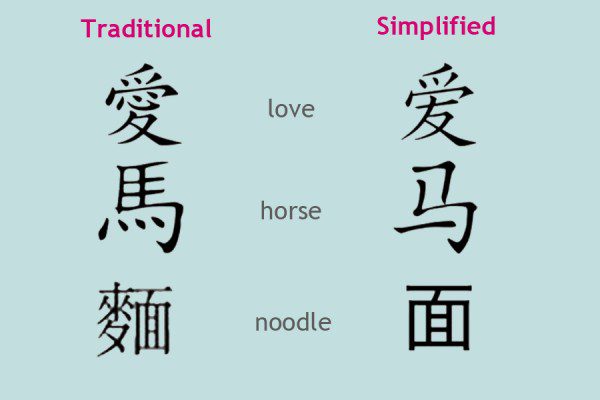
Is It Possible to Learn Both Simplified and Traditional Chinese?
Yes, it is entirely possible to learn both Simplified and Traditional Chinese. While they differ in character structure, they share the same grammatical foundation and pronunciation (when using Pinyin). Many learners start with one system and later expand their knowledge to the other. Here are key points to consider:
- Shared Vocabulary: Many words are identical or very similar in both systems, making it easier to transition.
- Context Matters: Simplified is used in mainland China and Singapore, while Traditional is common in Taiwan, Hong Kong, and Macau.
- Learning Curve: Traditional characters are more complex, but mastering them can deepen your understanding of Chinese etymology.
What Are the Key Differences Between Simplified and Traditional Chinese?
The primary differences lie in character complexity and regional usage. Simplified Chinese reduces stroke counts for faster writing, while Traditional retains historical forms. Consider these distinctions:
See Also10 Best Resources to Learn Chinese Through News- Character Structure: Simplified characters like 国 (guó) are streamlined vs. Traditional 國.
- Regional Preferences: Simplified dominates in mainland China; Traditional is official in Taiwan.
- Cultural Nuances: Traditional characters often preserve deeper linguistic and cultural roots.
How Can You Efficiently Study Both Writing Systems?
To learn both systems efficiently, focus on strategic overlap and targeted practice. Here’s a structured approach:
- Start with One: Begin with either system (usually Simplified for practicality) before adding the other.
- Compare Characters: Create side-by-side lists to identify patterns and differences.
- Use Dual-Language Resources: Textbooks or apps offering both systems accelerate comprehension.
What Challenges Might You Face When Learning Both?
Learning both systems introduces unique cognitive load and contextual confusion. Potential hurdles include:
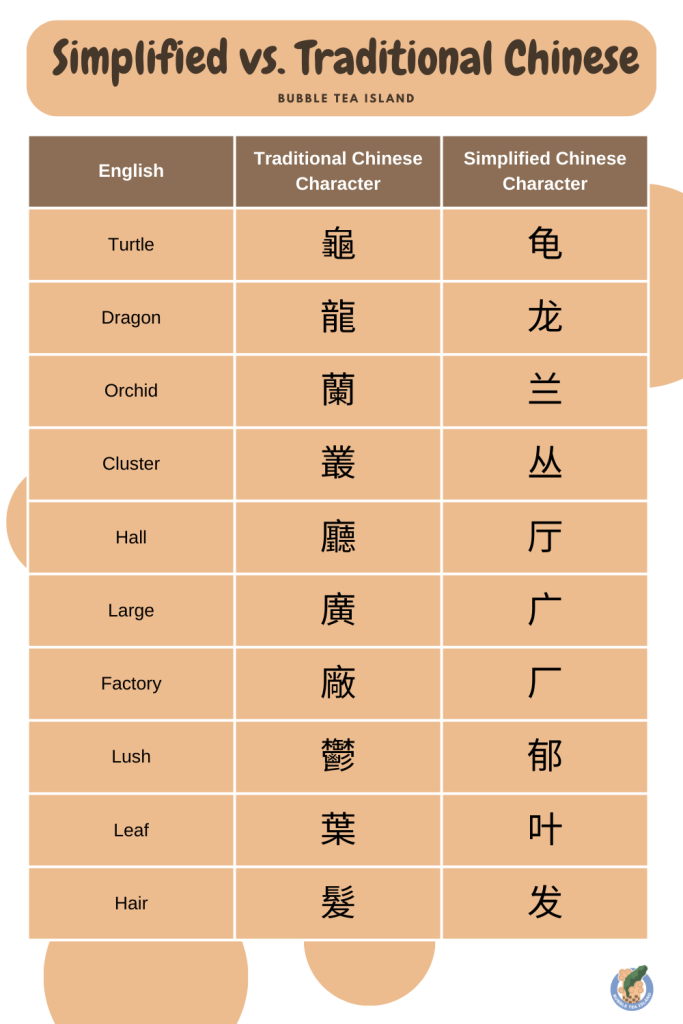
- Character Confusion: Mixing up similar-looking characters (e.g., 发 Simplified vs. 發 Traditional).
- Regional Slang: Vocabulary and idioms may differ between regions using each system.
- Time Investment: Mastering both requires significantly more study time than focusing on one.
Which System Should You Learn First?
The choice depends on your goals and target regions. Consider these factors:
See AlsoThe History of Gourds in China- Practicality: Simplified is more widely used globally, making it a pragmatic first choice.
- Cultural Interest: If engaging with Taiwanese or Hong Kong media, prioritize Traditional.
- Long-Term Plans: Learning both sequentially (e.g., Simplified first) can ease the transition.
Is it better to study traditional or simplified Chinese?
Understanding the Differences Between Traditional and Simplified Chinese
The choice between traditional and simplified Chinese depends on your goals. Traditional characters are used in Taiwan, Hong Kong, and Macau, while simplified characters are standard in mainland China and Singapore. Here are key differences:
- Complexity: Traditional characters have more strokes and are visually intricate, whereas simplified characters are streamlined for easier learning.
- Historical context: Traditional characters preserve ancient writing systems, while simplified characters were introduced in the 1950s to increase literacy.
- Usage: Simplified Chinese dominates globally due to China's economic influence, but traditional characters remain culturally significant.
Which Version Is More Useful for Travel and Business?
If your focus is practical communication, simplified Chinese is often more useful. Consider these points:
- Mainland China: Simplified characters are essential for business, travel, and daily life in China.
- International business: Many global companies prioritize simplified Chinese due to China's market size.
- Regional exceptions: Traditional characters are still needed for dealings in Taiwan or Hong Kong.
Is Traditional Chinese Harder to Learn Than Simplified?
Learning traditional Chinese can be more challenging due to its complexity. Key factors include:
- Stroke count: Traditional characters often require memorizing more strokes, making writing slower.
- Recognition: Simplified characters are easier to distinguish for beginners.
- Transferability: Knowing traditional characters can help you read classical texts, but simplified is faster to master.
Cultural and Historical Significance of Traditional Chinese
Traditional Chinese offers deeper cultural connections. Important aspects:
- Literature and art: Classical works, calligraphy, and historical documents use traditional characters.
- Cultural identity: Regions like Taiwan and Hong Kong associate traditional characters with heritage.
- Linguistic richness: Some argue traditional characters retain more etymological meaning.
Future Trends: Will Simplified Chinese Replace Traditional?
The future of traditional versus simplified Chinese depends on geopolitical and cultural shifts. Consider:
- Global influence: Simplified Chinese is growing due to China's economic power.
- Cultural preservation: Traditional characters remain strong in Taiwan and diaspora communities.
- Technology: Digital tools make learning both versions easier, reducing the need to choose exclusively.
Can you understand simplified Chinese if you know Traditional Chinese?
How Similar Are Simplified and Traditional Chinese Characters?
While Simplified and Traditional Chinese share many similarities, they differ in character structure. A person familiar with Traditional Chinese can often recognize Simplified characters due to:
- Shared radicals: Many characters retain the same basic components.
- Contextual clues: Sentences and phrases provide meaning even if some characters differ.
- Common vocabulary: Words often remain identical despite character simplification.
What Are the Key Differences Between Simplified and Traditional Chinese?
The primary distinctions include:
- Stroke count: Simplified characters use fewer strokes.
- Character forms: Some characters are entirely different.
- Regional usage: Simplified is standard in mainland China, while Traditional is used in Taiwan, Hong Kong, and Macau.
Can Traditional Chinese Readers Understand Simplified Chinese Without Study?
While partial comprehension is possible, full understanding often requires:
- Exposure: Regular interaction with Simplified texts improves recognition.
- Learning: Some characters must be studied separately.
- Practice: Reading speed may initially be slower when switching systems.
Which Aspects of Simplified Chinese Are Most Challenging for Traditional Readers?
The main difficulties include:
- Drastically simplified characters: Some bear little resemblance to Traditional forms.
- Merged characters: Multiple Traditional characters sometimes share one Simplified form.
- Different punctuation: Mainland China uses slightly different punctuation standards.
How Quickly Can Traditional Chinese Speakers Adapt to Simplified Characters?
Adaptation speed depends on:
- Prior exposure: Those with some Simplified character knowledge adjust faster.
- Learning methods: Systematic study accelerates comprehension.
- Reading frequency: Regular practice significantly reduces adaptation time.
How to switch between traditional and simplified Chinese?
How to Switch Between Traditional and Simplified Chinese on Your Device
To switch between Traditional and Simplified Chinese on your device, follow these steps:
- Go to your device's language settings (usually found in Settings > Language & Input).
- Select Chinese as your preferred language.
- Choose either Traditional or Simplified Chinese from the available options.
- Restart apps or your device for changes to take effect.
Switching Between Traditional and Simplified Chinese in Microsoft Word
Microsoft Word provides a built-in feature to convert text between Traditional and Simplified Chinese:
- Highlight the text you want to convert.
- Click the Review tab in the toolbar.
- Select Translate > Convert to Simplified/Traditional Chinese.
- Confirm the conversion when prompted.
Changing Between Traditional and Simplified Chinese in Google Translate
Google Translate allows quick switching between Traditional and Simplified Chinese:
- Open Google Translate in your browser or app.
- Select Chinese as the input or output language.
- Click the drop-down menu next to Chinese to choose between Simplified or Traditional.
- The translation will update automatically.
Using Browser Extensions to Switch Between Traditional and Simplified Chinese
Browser extensions can help toggle between Traditional and Simplified Chinese on web pages:
- Install a language converter extension like New Tong Wen Tang or Zhongwen.
- Open a webpage with Chinese text.
- Click the extension icon and select Convert to Traditional/Simplified.
- The page will refresh with the selected script.
Switching Between Traditional and Simplified Chinese in Mobile Apps
Many mobile apps support switching between Traditional and Simplified Chinese:
- Open the app's settings menu.
- Look for a language or region option.
- Select either Traditional or Simplified Chinese.
- Save changes and restart the app if necessary.
Frequently Asked Questions (FAQ)
What are the main differences between simplified and traditional Chinese?
Simplified Chinese and traditional Chinese differ primarily in their character structures. Simplified Chinese uses fewer strokes and is the official script in mainland China and Singapore, designed to improve literacy rates. Traditional Chinese, on the other hand, retains the original complex forms and is used in Taiwan, Hong Kong, and Macau. While the grammar and vocabulary are largely similar, some words and expressions vary between the two scripts. Learning both can provide a deeper understanding of Chinese culture and broader communication capabilities.
Which one should I learn first: simplified or traditional Chinese?
The choice between simplified or traditional Chinese depends on your goals. If you plan to work or study in mainland China or Singapore, simplified Chinese is more practical. However, if you're interested in Taiwanese or Hong Kong culture, traditional Chinese may be more useful. Many learners start with simplified due to its widespread use and easier character recognition, but transitioning to traditional later is possible with practice. Consider your long-term objectives before deciding.
Is it difficult to switch from simplified to traditional Chinese (or vice versa)?
Switching between simplified and traditional Chinese requires effort but is manageable. Many characters are identical or very similar, while others differ significantly. Learning the most common character conversions and practicing reading materials in both scripts can ease the transition. Some learners find it helpful to study both simultaneously to recognize patterns. Over time, exposure to media, books, and conversations in both forms will improve fluency in switching between them.
Are there any advantages to learning both simplified and traditional Chinese?
Yes, learning both simplified and traditional Chinese offers several advantages. It allows you to access a wider range of cultural resources, including literature, films, and historical texts. Professionally, it enhances opportunities in regions using either script. Additionally, understanding both deepens your appreciation of Chinese linguistic evolution and improves cognitive flexibility in character recognition. While challenging, mastering both scripts can make you a more versatile and knowledgeable Chinese speaker.
Leave a Reply
Related Posts