
Habit hacking for language learners

Mastering a new language requires more than just memorizing vocabulary and grammar rules—it demands consistent practice and smart habits. Habit hacking offers language learners powerful strategies to integrate learning seamlessly into daily life, turning small actions into lasting progress. By leveraging techniques like micro-learning, habit stacking, and environmental design, students can create routines that make fluency feel effortless. Whether it’s practicing during a morning commute or using spaced repetition apps, these small but intentional changes compound over time. This article explores practical, science-backed methods to build effective language-learning habits, helping learners stay motivated and achieve their goals faster—without burnout. Discover how tiny tweaks can lead to big results.
- Habit Hacking for Language Learners: Build Consistency and Fluency Faster
- How to build a language learning habit?
- Who said language learning is a process of habit formation?
- Is learning a language a habit?
- What are the characteristics of a successful language learner?
- Frequently Asked Questions (FAQ)
Habit Hacking for Language Learners: Build Consistency and Fluency Faster
1. The Science Behind Habit Formation in Language Learning
Understanding how habits work is crucial for language learners. The brain forms habits through a loop: cue, routine, and reward. For example:
| Component | Example in Language Learning |
|---|---|
| Cue | Morning coffee triggers 10 minutes of vocabulary review. |
| Routine | Practicing flashcards or listening to a podcast. |
| Reward | Feeling accomplished or tracking progress in an app. |
2. Tiny Habits, Big Results: Start with 2-Minute Daily Practices
Small, consistent actions outperform sporadic cramming. Examples:
- Listen to a short podcast while brushing teeth.
- Label household items with target-language sticky notes.
- Use a language app during commute.
3. Stacking Language Habits onto Existing Routines
Attach language practice to established habits for automatic consistency:
| Existing Habit | Stacked Language Habit |
|---|---|
| Drinking morning tea | Read 1 news headline in target language. |
| Waiting for public transport | Practice 3 sentences aloud. |
4. Environment Design: Set Up for Language Success
Modify your surroundings to reduce friction:
- Keep a language notebook on your desk.
- Change phone/device language settings.
- Join online communities for daily exposure.
5. Tracking Progress and Celebrating Micro-Wins
Measurement reinforces motivation. Tools include:
- Habit-tracking apps (e.g., Streaks, Habitica).
- A calendar with colored marks for practice days.
- Recording spoken samples monthly to compare fluency.
How to build a language learning habit?

Set Clear and Achievable Goals
Building a language learning habit starts with defining specific objectives. Without clear goals, motivation can fade quickly. Break down your learning into manageable milestones to track progress effectively.
- Define your purpose: Whether for travel, work, or personal growth, knowing why you're learning keeps you focused.
- Set short-term and long-term goals: Aim to learn 10 new words daily or hold a 5-minute conversation weekly.
- Use SMART criteria: Ensure goals are Specific, Measurable, Achievable, Relevant, and Time-bound.
Create a Consistent Daily Routine
Consistency is key to forming any habit, including language learning. Dedicate a fixed time each day to practice, even if it's just 15 minutes.
See AlsoHow to Say the Days of the Week in Chinese- Schedule learning sessions: Morning or evening, choose a time when you’re most alert.
- Use reminders: Set alarms or calendar notifications to stay on track.
- Combine with existing habits: Pair language practice with daily activities like commuting or coffee breaks.
Use Engaging and Diverse Resources
To maintain interest, incorporate varied materials that make learning enjoyable. Relying on just one method can lead to boredom.
- Mix media: Use apps, podcasts, movies, and books in your target language.
- Practice with natives: Join language exchange platforms or online communities.
- Gamify learning: Apps like Duolingo or Memrise add a fun, competitive element.
Track Progress and Celebrate Wins
Monitoring improvement reinforces motivation. Recognize even small achievements to stay encouraged.
- Keep a journal: Log new vocabulary, grammar rules, or conversations.
- Take regular tests: Use online quizzes to assess comprehension.
- Reward yourself: Treat yourself when hitting milestones, like finishing a chapter or mastering a tense.
Stay Accountable with a Support System
Having others involved in your journey increases commitment. Accountability partners or groups provide motivation and feedback.
- Find a study buddy: Partner with someone learning the same language.
- Join online forums: Engage in communities like Reddit or language-specific Discord servers.
- Share progress publicly: Post updates on social media to stay accountable.
Who said language learning is a process of habit formation?

The idea that language learning is a process of habit formation was popularized by B.F. Skinner, a prominent psychologist and behaviorist. He argued that language acquisition occurs through reinforcement, repetition, and conditioning, similar to how other habits are formed. This perspective was part of his broader theory of operant conditioning, which emphasizes the role of environmental feedback in shaping behavior.
The Behaviorist Perspective on Language Learning
The behaviorist theory, led by B.F. Skinner, suggests that language learning is a result of:
- Stimulus-response mechanisms: Learners associate words with actions or objects through repetition.
- Positive reinforcement: Correct usage is rewarded, reinforcing the habit.
- Imitation: Learners mimic native speakers to form linguistic habits.
Key Contributions of B.F. Skinner
Skinner's work in verbal behavior highlighted:
- Operant conditioning: Language is learned through consequences (rewards/punishments).
- Habit strength: Frequent practice solidifies language patterns.
- Environmental influence: The learner's surroundings shape language habits.
Criticism of the Habit Formation Theory
While influential, Skinner's theory faced criticism for:
- Overlooking innate abilities: Noam Chomsky argued that language acquisition is biologically driven.
- Ignoring creativity: Language use often involves novel, unrehearsed sentences.
- Limited scope: Doesn't fully explain complex grammar acquisition.
Modern Applications of Habit Formation in Language Learning
Today, habit-forming techniques are still used, such as:
- Spaced repetition: Tools like Anki reinforce vocabulary through timed intervals.
- Daily practice: Consistent exposure strengthens language habits.
- Behavioral apps: Duolingo and others use rewards to encourage practice.
Comparing Habit Formation vs. Cognitive Theories
The debate between behaviorist and cognitive approaches includes:
- Habit vs. understanding: Skinner focused on routines; cognitive theories emphasize comprehension.
- Passive vs. active learning: Behaviorism leans on repetition; cognition stresses problem-solving.
- Nature vs. nurture: Skinner prioritized environment; others highlight innate structures.
Is learning a language a habit?

Is Language Learning a Habit or a Skill?
Language learning can be considered both a habit and a skill. While the process of acquiring a new language requires consistent practice (habit), it also involves cognitive abilities like memory and comprehension (skill). Here’s why:
- Habitual practice: Daily exposure and repetition reinforce language retention.
- Skill development: Mastering grammar, pronunciation, and vocabulary requires active learning.
- Combination: Successful learners blend habitual routines with skill-building exercises.
How Can Habits Improve Language Learning?
Developing consistent habits is key to progress in language learning. Structured routines help embed knowledge over time. Consider these points:
- Daily practice: Even 15 minutes of vocabulary review can yield long-term benefits.
- Immersion habits: Listening to podcasts or reading in the target language reinforces learning.
- Accountability: Tracking progress through apps or journals sustains motivation.
What Habits Do Successful Language Learners Have?
Successful language learners often share common habits that accelerate their progress. These include:
- Active listening: Engaging with native content like movies or music.
- Speaking practice: Regularly conversing, even with mistakes.
- Goal-setting: Breaking down learning into manageable milestones.
Can Bad Habits Hinder Language Learning?
Poor habits can slow down or even derail progress in language acquisition. Watch out for these pitfalls:
- Inconsistency: Skipping practice leads to forgotten material.
- Over-reliance on translation: Thinking in the target language is crucial.
- Fear of mistakes: Avoiding speaking stifles improvement.
How to Build Effective Language Learning Habits?
Creating sustainable habits ensures steady progress. Follow these steps:
- Start small: Focus on short, daily sessions rather than overwhelming study marathons.
- Use triggers: Pair language practice with existing routines (e.g., morning coffee + flashcards).
- Reward progress: Celebrate milestones to maintain motivation.
What are the characteristics of a successful language learner?
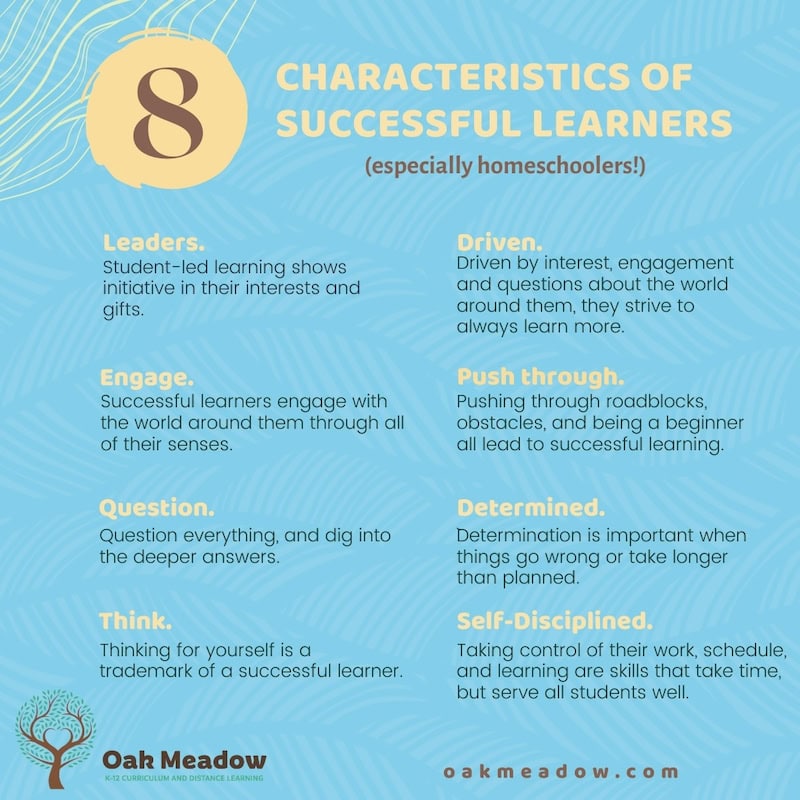
Consistent Practice and Dedication
A successful language learner prioritizes consistent practice and demonstrates unwavering dedication. They understand that language acquisition is a gradual process and commit to daily engagement with the language. Key behaviors include:
- Daily study routines, even if brief, to reinforce learning.
- Setting clear, achievable goals to track progress.
- Embracing challenges without discouragement.
Active Engagement with the Language
Successful learners actively engage with the language beyond textbooks. They immerse themselves in real-world contexts to enhance comprehension and fluency. Examples include:
- Listening to podcasts, music, or native speakers.
- Speaking regularly, even if making mistakes.
- Writing essays or journal entries to practice structure.
Adaptability and Willingness to Learn from Mistakes
Adaptability is crucial for language learners. They view errors as opportunities for growth rather than setbacks. Traits include:
- Accepting feedback and correcting mistakes.
- Experimenting with new vocabulary and grammar without fear.
- Adjusting learning strategies based on what works best.
Strong Motivation and Clear Purpose
A strong motivation drives successful learners, whether for career, travel, or personal growth. They maintain focus by:
- Identifying a personal reason for learning the language.
- Celebrating small victories to stay encouraged.
- Connecting with communities or cultures tied to the language.
Effective Use of Learning Resources
Successful learners leverage diverse resources to enhance their skills. They curate tools tailored to their needs, such as:
- Language apps (e.g., Duolingo, Anki) for structured practice.
- Books and media in the target language for immersion.
- Tutors or language partners for real-time interaction.
Frequently Asked Questions (FAQ)
What is habit hacking for language learning?
Habit hacking refers to the process of strategically building small, consistent routines that help language learners make steady progress. Unlike traditional study methods, which often rely on motivation alone, habit hacking focuses on automating learning through daily actions that become second nature. For example, setting a five-minute daily goal to review vocabulary or listening to a podcast during breakfast can create sustainable habits. The key is to make language learning effortless and integrated into daily life rather than a separate, overwhelming task.
How can I create effective language learning habits?
To build effective habits, start by identifying small, manageable actions that align with your goals. Use the two-minute rule—begin with tasks so simple they take less than two minutes, like opening a language app or repeating a phrase aloud. Consistency is more important than intensity, so focus on daily repetition rather than long study sessions. Additionally, pair new habits with existing routines (e.g., practicing flashcards after brushing your teeth) to reinforce them. Tracking progress with a journal or app can also boost accountability and motivation.
What are the best habit-hacking techniques for vocabulary retention?
One powerful technique is spaced repetition, which involves reviewing words at increasing intervals to enhance long-term memory. Apps like Anki or Quizlet automate this process. Another method is contextual learning, where you associate new words with personal experiences or images. For example, labeling household items in your target language reinforces recall. Additionally, micro-learning sessions—such as learning three new words daily—prevent overwhelm while ensuring steady progress. Consistency and active engagement (e.g., using words in sentences) are crucial for retention.
How do I stay motivated when habit hacking for language learning?
Motivation often fades, so relying on systems over willpower is essential. Start by setting clear, measurable goals (e.g., learn 10 words a week) to track progress. Celebrate small wins to reinforce positive behavior. Surround yourself with language triggers, like changing your phone’s language or following social media accounts in your target language. Lastly, join a community or find a study partner for accountability. Remember, motivation follows action—starting small builds momentum over time.
Leave a Reply
Related Posts