
The question you have to ask about your Chinese teacher or course

Choosing the right Chinese teacher or course is crucial for effective language learning. With so many options available, it’s essential to ask the right questions to ensure you’re making the best choice. Does the instructor have native-level proficiency? Is the curriculum structured to match your goals—whether conversational fluency, business Chinese, or exam preparation? How interactive and engaging are the lessons? Additionally, consider flexibility, feedback quality, and cultural immersion opportunities. By evaluating these factors, you can find a program that aligns with your learning style and objectives. The right questions will lead you to a course that maximizes your progress and keeps you motivated.
What Questions Should You Ask About Your Chinese Teacher or Course?
Choosing the right Chinese teacher or course is crucial for effective learning. Asking the right questions ensures you find a program that matches your goals, learning style, and expectations. Below are key considerations to evaluate before making a decision.
1. What Teaching Methodology Does the Instructor Use?
Different teachers employ various methods, such as immersion, grammar-translation, or communicative approaches. Understanding their style helps determine if it aligns with how you learn best.
See AlsoWhich Chinese language course should you take?| Method | Description |
|---|---|
| Immersion | Focuses on using Chinese exclusively in class. |
| Grammar-Translation | Emphasizes rules and translation exercises. |
| Communicative | Prioritizes conversation and real-life usage. |
2. What Are the Teacher’s Qualifications and Experience?
A qualified instructor should have relevant certifications (e.g., HSK or TEFL) and experience teaching non-native speakers. Ask about their background to ensure credibility.
| Qualification | Importance |
|---|---|
| Degree in Chinese Language | Indicates formal training. |
| Teaching Certification | Ensures pedagogical skills. |
| Years of Experience | Reflects practical expertise. |
3. Does the Course Cover All Language Skills?
A balanced course should include listening, speaking, reading, and writing. Confirm whether the curriculum addresses all areas or focuses on specific skills.
| Skill | Focus Area |
|---|---|
| Listening | Understanding spoken Chinese. |
| Speaking | Conversational fluency. |
| Reading | Character recognition. |
| Writing | Character composition. |
4. What Learning Materials Are Provided?
Quality textbooks, audio resources, and digital tools enhance learning. Ask if materials are included or require separate purchases.
See AlsoAll Duolingo Characters: Names, Stories, and Personalities| Material | Purpose |
|---|---|
| Textbooks | Structured lessons. |
| Audio Recordings | Improves pronunciation. |
| Online Platforms | Interactive practice. |
5. How Is Progress Assessed?
Regular assessments and feedback help track improvement. Inquire about tests, homework, and progress reports.
| Assessment Type | Frequency |
|---|---|
| Quizzes | Weekly/Monthly |
| Oral Exams | Periodically |
| Written Assignments | Regularly |
What are good questions to ask about a course?
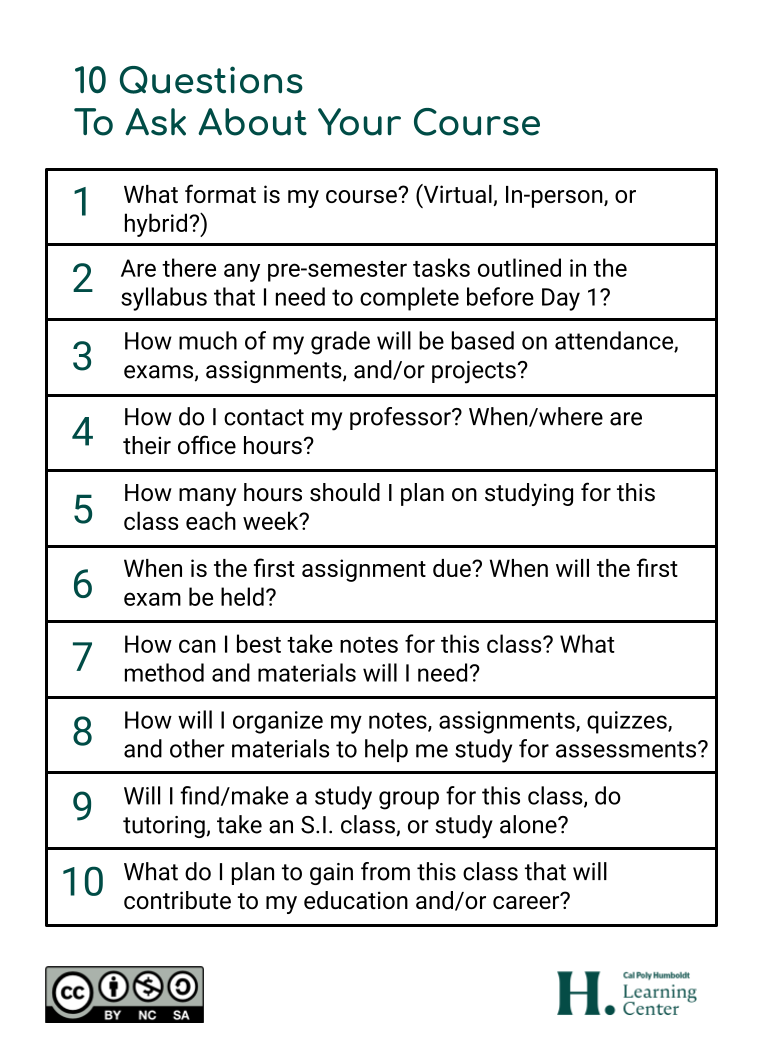
What Are the Course Objectives and Learning Outcomes?
Understanding the objectives and learning outcomes helps determine if the course aligns with your goals. Key questions include:
See AlsoHow Many Chinese Characters Do I Need to Learn to be Fluent?- What skills or knowledge will I gain by the end of the course?
- How will this course benefit my academic or professional growth?
- Are there measurable outcomes, such as certifications or assessments?
What Is the Course Structure and Format?
Knowing the structure ensures the course fits your schedule and learning style. Consider asking:
- Is the course online, in-person, or hybrid?
- How are lessons delivered (lectures, discussions, projects)?
- What is the time commitment per week?
Who Is the Instructor and What Are Their Qualifications?
The instructor's expertise impacts the quality of learning. Important questions are:
- What is the instructor's background in the subject?
- Have they taught this course before?
- Are there reviews or testimonials from past students?
What Are the Prerequisites and Required Materials?
Clarifying requirements prevents surprises later. Ask:
- Are there any prerequisites for enrolling?
- What textbooks or tools are needed?
- Are there additional costs beyond tuition?
How Is Student Performance Assessed?
Understanding assessment methods helps gauge workload and expectations. Inquire about:
- What types of evaluations are used (exams, essays, group work)?
- How much weight do assignments carry in the final grade?
- Is there flexibility in deadlines or grading policies?
How to greet your Chinese teacher?
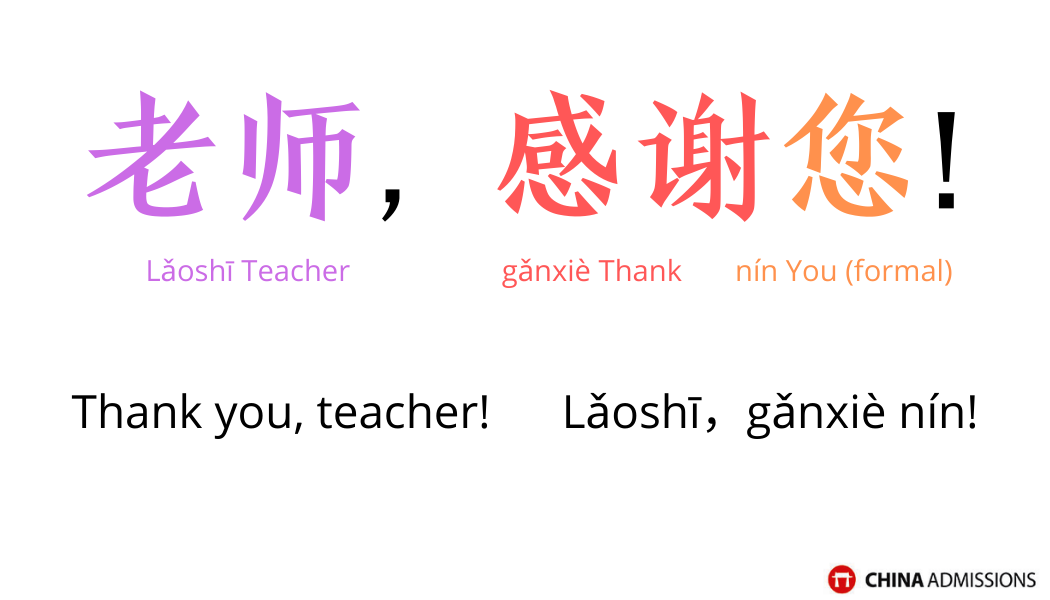
How to Greet Your Chinese Teacher in a Formal Setting
In a formal setting, such as a classroom or academic environment, it is important to show respect when greeting your Chinese teacher. Here are some key points to consider:
- Address them properly: Use 老师 (lǎoshī) meaning teacher, followed by their surname, e.g., 王老师 (Wáng lǎoshī).
- Bow slightly: A small nod or bow demonstrates politeness and cultural awareness.
- Use formal greetings: Phrases like 您好 (nín hǎo) (formal hello) or 早上好 (zǎoshang hǎo) (good morning) are appropriate.
How to Greet Your Chinese Teacher in an Informal Setting
In a more casual or familiar setting, such as after class or during a one-on-one meeting, you can adjust your greeting slightly while still maintaining respect:
- Use their title and name: For example, 李老师 (Lǐ lǎoshī) remains respectful but feels more personal.
- Smile and make eye contact: This shows friendliness while keeping the interaction respectful.
- Casual greetings: Phrases like 你好 (nǐ hǎo) or 最近怎么样?(zuìjìn zěnme yàng?) (How have you been?) work well.
Common Chinese Greetings for Teachers
Here are some common phrases you can use to greet your Chinese teacher appropriately:
- 老师好 (lǎoshī hǎo): A simple and respectful Hello, teacher.
- 早上好/下午好/晚上好 (zǎoshang hǎo / xiàwǔ hǎo / wǎnshang hǎo): Good morning/afternoon/evening.
- 您今天好吗?(nín jīntiān hǎo ma?): A polite How are you today?
Cultural Etiquette When Greeting a Chinese Teacher
Understanding cultural norms is crucial when greeting a Chinese teacher to avoid misunderstandings:
- Avoid physical contact: Handshakes are acceptable, but hugs or pats on the back may be inappropriate.
- Speak clearly and politely: Tone and word choice matter greatly in Chinese culture.
- Wait for acknowledgment: Let the teacher initiate further conversation if they choose.
Mistakes to Avoid When Greeting a Chinese Teacher
To ensure a positive impression, avoid these common mistakes:
- Using overly casual language: Slang or informal terms like 嘿 (hēi) (Hey) can seem disrespectful.
- Ignoring hierarchy: Always acknowledge the teacher’s authority in your tone and body language.
- Forgetting titles: Never address a teacher by their first name unless explicitly invited to do so.
What is the Chinese method of teaching?
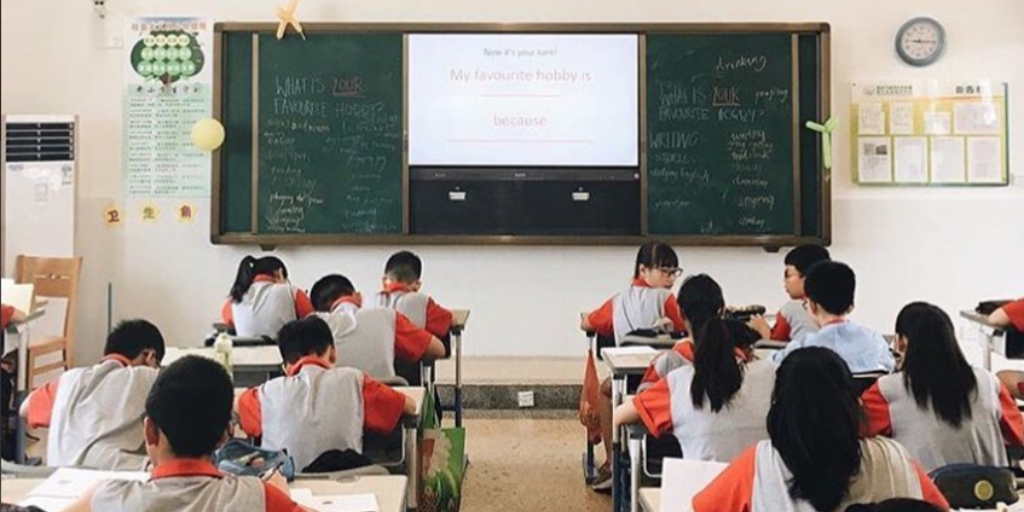
The Core Principles of Chinese Teaching Methods
The Chinese method of teaching emphasizes rote memorization, discipline, and high academic expectations. It is deeply rooted in Confucian values, which prioritize respect for teachers and a strong work ethic. Key characteristics include:
- Teacher-centered instruction: The teacher is the primary authority, and students are expected to listen and absorb knowledge.
- Repetition and practice: Concepts are reinforced through repeated drills and homework assignments.
- Standardized testing: Exams like the Gaokao play a central role in evaluating student performance.
The Role of Discipline in Chinese Classrooms
Discipline is a cornerstone of the Chinese education system, fostering an environment of order and focus. Teachers maintain strict control over classroom behavior, and students are expected to adhere to rules without question.
- Strict routines: Daily schedules are highly structured, leaving little room for deviation.
- Clear consequences: Misbehavior is met with immediate corrective measures.
- Emphasis on respect: Students are taught to respect authority figures, including teachers and elders.
Memorization Techniques in Chinese Education
Memorization is a fundamental aspect of Chinese teaching, with a focus on mastery of content through repetition. This approach is particularly evident in subjects like mathematics and language.
- Recitation: Students often recite texts or formulas aloud to reinforce memory.
- Drill exercises: Repetitive problem-solving is used to solidify understanding.
- Flashcards and mnemonics: These tools are commonly employed to aid retention.
The Importance of Standardized Testing
Standardized tests, especially the Gaokao, are pivotal in the Chinese education system. They determine students' future academic and career opportunities, creating a high-pressure environment.
- High stakes: Performance on these exams can dictate university admissions.
- Rigorous preparation: Years of study are dedicated to exam readiness.
- National focus: The entire education system is aligned to optimize test performance.
Parental Involvement in Chinese Education
Parents play an active role in their children's education, often providing additional support outside school hours. This involvement is driven by a cultural emphasis on academic success.
- Supplementary classes: Many parents enroll children in after-school tutoring.
- High expectations: Parents set ambitious academic goals for their children.
- Financial investment: Significant resources are allocated to education, including private tutors and study materials.
Frequently Asked Questions (FAQ)
What qualifications should I look for in a Chinese teacher?
Qualifications are crucial when choosing a Chinese teacher. Look for instructors with a degree in Chinese language, linguistics, or education, as well as certifications like Teaching Chinese as a Foreign Language (TCFL). Additionally, native or near-native fluency and teaching experience are essential. A teacher with a background in cultural studies can also enrich your learning by providing context beyond vocabulary and grammar.
How can I assess the effectiveness of a Chinese course?
To evaluate a Chinese course, consider its structure, materials, and student outcomes. A well-designed course should have clear objectives, progressive difficulty, and a mix of listening, speaking, reading, and writing exercises. Look for student reviews or testimonials to gauge satisfaction. Additionally, check if the course offers assessments or certifications to measure progress.
What teaching methods are most effective for learning Chinese?
Effective teaching methods for Chinese include immersion, spaced repetition, and contextual learning. A good teacher will use interactive techniques like role-playing or real-life conversations. Incorporating multimedia resources (e.g., videos, podcasts) and mnemonics for character memorization can also enhance retention. Avoid courses relying solely on rote memorization without practical application.
How important is cultural immersion in learning Chinese?
Cultural immersion is vital for mastering Chinese, as the language is deeply tied to traditions, history, and social norms. A course or teacher that integrates cultural lessons—such as festivals, idioms, or etiquette—helps you understand nuances and communicate naturally. Activities like watching Chinese media or participating in language exchanges can further deepen your cultural and linguistic competence.
Leave a Reply
Related Posts