
Using Chinese textbooks to improve reading ability

Learning to read effectively in a new language requires the right resources, and Chinese textbooks can be a powerful tool for improving reading skills. Designed with structured lessons, graded vocabulary, and culturally relevant content, these textbooks provide learners with a systematic approach to comprehension. By working through progressively challenging texts, students build familiarity with characters, grammar, and context. Additionally, exercises and annotations reinforce understanding while exposing readers to authentic language usage. Whether used independently or in a classroom setting, Chinese textbooks offer a clear pathway to fluency, helping learners transition from basic sentences to complex passages. This methodical approach makes them an invaluable resource for anyone serious about mastering Chinese reading proficiency.
How to Use Chinese Textbooks to Enhance Your Reading Skills
1. Choosing the Right Chinese Textbook for Your Level
Selecting an appropriate Chinese textbook is crucial for improving your reading ability. Beginners should opt for books with pinyin and simple vocabulary, while intermediate learners can focus on texts with more complex grammar and idioms. Advanced learners should challenge themselves with authentic materials like newspapers or literature. Always ensure the textbook aligns with your learning goals.
| Level | Recommended Textbook Features |
|---|---|
| Beginner | Pinyin, basic vocabulary, short sentences |
| Intermediate | Longer passages, grammar explanations, exercises |
| Advanced | Authentic texts, idioms, cultural references |
2. Effective Reading Strategies with Chinese Textbooks
To maximize learning, apply active reading techniques such as skimming for main ideas and scanning for specific details. Break down sentences into smaller parts and analyze sentence structures. Highlight unfamiliar words and review them later. Consistent practice with these strategies will strengthen comprehension over time.
See AlsoWill a Chinese-only rule improve your learning?| Strategy | How It Helps |
|---|---|
| Skimming | Identifies main themes quickly |
| Scanning | Locates specific information efficiently |
| Note-taking | Reinforces vocabulary retention |
3. Building Vocabulary Through Contextual Learning
Chinese textbooks provide contextual examples that help learners understand word usage naturally. Instead of memorizing isolated words, study them within sentences. Pay attention to collocations (common word pairings) and measure words, as they are essential in Chinese. Revisit vocabulary lists regularly to reinforce retention.
| Vocabulary Technique | Benefit |
|---|---|
| Contextual learning | Improves word usage accuracy |
| Flashcards | Enhances memorization |
| Spaced repetition | Boosts long-term retention |
4. Practicing Grammar and Sentence Patterns
Chinese textbooks systematically introduce grammar rules and sentence patterns. Focus on one structure at a time, practice forming sentences, and compare them with textbook examples. Exercises like fill-in-the-blank or sentence rearrangement reinforce understanding. Over time, recognizing these patterns will make reading smoother.
| Grammar Focus | Practice Method |
|---|---|
| Word order | Sentence-building exercises |
| Particles (了, 的, 吗) | Dialogues and drills |
| Verb complements | Writing practice |
5. Supplementing Textbook Learning with Additional Resources
While textbooks are foundational, combining them with online tools, apps, or Chinese podcasts enhances reading skills. Use dictionaries like Pleco for quick word lookups. Join language exchange groups to discuss textbook passages. Diversifying resources keeps learning engaging and reinforces textbook material.
See AlsoLearn Chinese While Working Full Time Is It Possible?| Supplemental Resource | Usage Tip |
|---|---|
| Language apps (Duolingo, HelloChinese) | Daily practice for reinforcement |
| Online dictionaries | Instant translations and examples |
| Reading forums | Discuss textbook content with peers |
What are the benefits of reading Chinese books?
Enhancing Language Proficiency and Vocabulary
Reading Chinese books significantly improves language skills, especially for learners. It exposes readers to diverse vocabulary, sentence structures, and idiomatic expressions. Key benefits include:
- Expanded vocabulary through exposure to context-specific terms.
- Improved grammar comprehension by observing sentence patterns.
- Better pronunciation and tone recognition when paired with audiobooks.
Gaining Cultural Insights and Historical Knowledge
Chinese literature offers a deep dive into the country’s rich history and cultural traditions. Readers gain a nuanced understanding of societal values and historical events. Notable advantages:
See AlsoIs your flashcard deck too big for your own good?- Learning about Confucianism, Taoism, and other philosophical influences.
- Understanding festivals, customs, and regional practices.
- Exploring historical narratives from dynasties like Tang or Ming.
Boosting Cognitive and Analytical Skills
Engaging with complex texts in Chinese stimulates mental agility. The language’s logographic nature enhances memory and problem-solving abilities. Key cognitive benefits:
- Strengthened memory retention due to character recognition.
- Enhanced critical thinking from interpreting nuanced themes.
- Improved focus and attention to detail.
Accessing Diverse Literary Genres and Styles
Chinese literature spans classics, modern fiction, poetry, and more. Each genre offers unique perspectives and storytelling techniques. Highlights include:
- Classics like Dream of the Red Chamber for intricate narratives.
- Contemporary works addressing social issues and globalization.
- Poetry from Li Bai or Du Fu for lyrical beauty.
Strengthening Career and Academic Opportunities
Proficiency in Chinese literature opens doors in global markets and academia. It’s valuable for careers in diplomacy, translation, or business. Key professional benefits:
See AlsoA student’s guide to comprehension-based learning- Competitive edge in international job markets.
- Opportunities in academic research on East Asian studies.
- Networking advantages in Chinese-speaking industries.
How to read a textbook study tips improve reading skills?

How to Preview a Textbook Before Reading
Previewing a textbook helps you understand its structure and key concepts before diving into the content. Start by skimming the table of contents, chapter headings, and subheadings. Look for bolded terms, summaries, and questions at the end of each chapter. This approach prepares your brain for the material and improves retention.
- Scan the introduction and conclusion of each chapter.
- Note any diagrams, charts, or tables that summarize information.
- Check for learning objectives or key questions.
Active Reading Strategies for Better Comprehension
Active reading involves engaging with the text to deepen understanding. Instead of passively reading, highlight key points, annotate margins with notes, and ask questions as you go. Summarize each section in your own words to reinforce learning.
- Underline or highlight main ideas.
- Write short summaries after each paragraph.
- Pause to ask yourself questions about the material.
Breaking Down Complex Material into Manageable Sections
Large textbooks can feel overwhelming, so breaking content into smaller sections improves focus. Use the Pomodoro Technique (25-minute study sessions) or divide chapters by headings. This prevents fatigue and enhances retention.
- Divide chapters into logical subsections.
- Set a timer for focused reading sessions.
- Take short breaks to process information.
Using Note-Taking Methods to Reinforce Learning
Effective note-taking transforms textbook reading into an active study tool. Try methods like the Cornell system or mind mapping to organize information visually. Reviewing notes later strengthens memory.
- Use the Cornell method for structured notes.
- Create visual aids like diagrams or flowcharts.
- Summarize key points in bullet points.
Reviewing and Testing Yourself for Retention
Regular review and self-testing ensure long-term retention. After reading, recall information without looking, use flashcards, or teach the material to someone else. Spaced repetition (reviewing over time) boosts memory.
- Quiz yourself on key concepts.
- Use flashcards for definitions and formulas.
- Explain the material out loud as if teaching.
How to revise for Mandarin reading?

Build a Strong Vocabulary Foundation
To improve your Mandarin reading skills, start by expanding your vocabulary. Focus on high-frequency words and characters commonly used in texts. Use flashcards or apps like Anki or Pleco to reinforce memorization.
- Learn radicals to understand character composition.
- Practice writing characters to reinforce recognition.
- Read simple texts and underline unfamiliar words for review.
Practice with Graded Readers
Graded readers are excellent tools for structured learning. They provide texts tailored to different proficiency levels, helping you gradually build comprehension.
- Start with beginner-level books and progress slowly.
- Re-read passages to improve fluency.
- Summarize each chapter to test understanding.
Analyze Sentence Structures
Mandarin has unique grammar rules and sentence patterns. Break down sentences to understand how words function in context.
- Identify subject-verb-object order in sentences.
- Pay attention to particles like 了 (le) and 的 (de).
- Practice rearranging sentences to test comprehension.
Engage with Authentic Materials
Expose yourself to real-world content, such as news articles, blogs, or subtitled videos, to adapt to natural language use.
- Read Chinese news sites like BBC Chinese or Sina.
- Watch shows with Mandarin subtitles to connect spoken and written language.
- Highlight and translate unfamiliar phrases.
Take Mock Reading Tests
Simulate exam conditions with practice tests to assess progress and identify weak areas.
- Use past HSK exam papers for structured practice.
- Time yourself to improve reading speed.
- Review mistakes and focus on recurring issues.
Can you learn Chinese by reading?
Can Reading Alone Help You Learn Chinese?
While reading can significantly improve your vocabulary and grammar, it is not sufficient on its own to achieve fluency in Chinese. Here’s why:
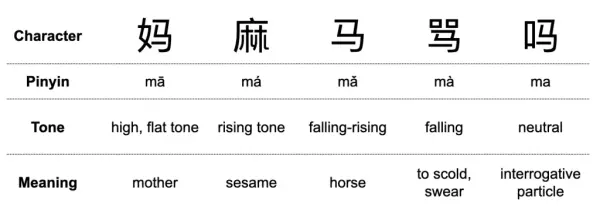
- Limited exposure: Reading alone misses critical aspects like pronunciation, tones, and listening comprehension.
- Context gaps: Without speaking practice, understanding idiomatic expressions or cultural nuances becomes challenging.
- Passive skill: Reading is a receptive skill, while fluency requires active skills like speaking and writing.
What Are the Benefits of Reading for Learning Chinese?
Reading offers several advantages for Chinese learners, including:
- Vocabulary expansion: Encountering new words in context reinforces retention.
- Grammar patterns: Observing sentence structures improves syntactic understanding.
- Cultural insight: Texts reveal traditions, history, and social norms.
What Types of Texts Are Best for Learning Chinese?
Choosing the right material is crucial for effective learning. Consider:
- Graded readers: Tailored for language learners with controlled difficulty.
- News articles: Provide modern vocabulary and current events context.
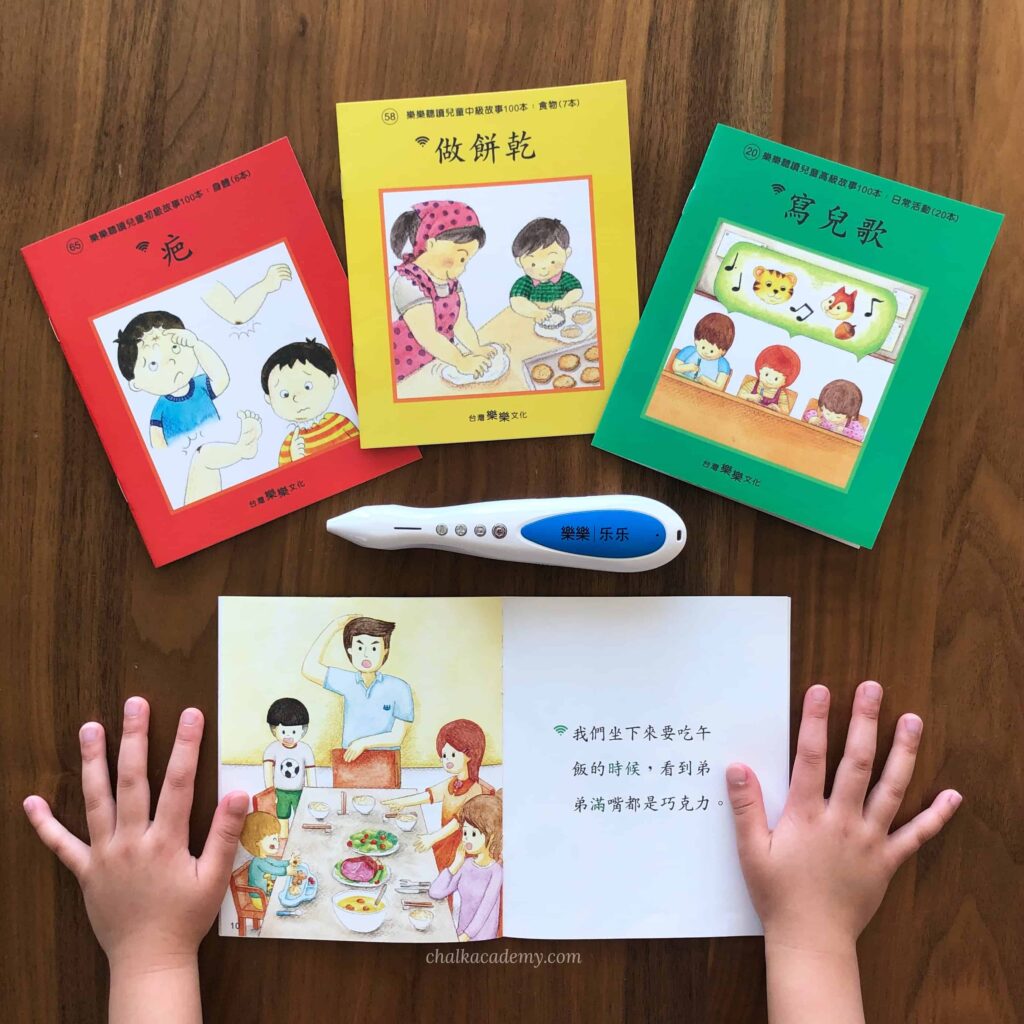
- Children’s books: Simple language and repetition aid beginners.
How to Combine Reading with Other Learning Methods?
To maximize progress, integrate reading with:
- Listening practice: Pair texts with audiobooks or podcasts.
- Speaking exercises: Summarize readings aloud or discuss them with a tutor.
- Writing drills: Take notes or rewrite passages to reinforce memory.
What Are Common Challenges When Learning Chinese Through Reading?
Learners often face these obstacles:
- Character recognition: Memorizing Hanzi requires consistent practice.
- Lack of pinyin: Advanced texts omit phonetic guides, slowing comprehension.
- Complex sentences: Literary or formal Chinese may confuse beginners.
Frequently Asked Questions (FAQ)
What are the benefits of using Chinese textbooks to improve reading skills?
Chinese textbooks are structured to gradually introduce vocabulary, grammar, and cultural context, making them an excellent resource for learners. They often include graded readings, which help students progress from beginner to advanced levels systematically. Additionally, textbooks provide authentic materials like essays, news articles, and dialogues, exposing learners to real-world language use. The inclusion of comprehension exercises and annotations further reinforces understanding and retention.
How do I choose the right Chinese textbook for my reading level?
Selecting the appropriate textbook depends on your current proficiency and learning goals. Beginners should opt for books with pinyin annotations and simple sentences, while intermediate learners can focus on texts with more complex grammar and minimal translations. Advanced learners may benefit from literary works or specialized textbooks. Always check the table of contents and sample pages to ensure the material aligns with your needs. Consulting a teacher or language partner can also help in making the right choice.
Can Chinese textbooks alone significantly improve my reading ability?
While Chinese textbooks are a powerful tool, they should be supplemented with other resources for optimal results. Pairing textbooks with extensive reading (e.g., novels, news) and language apps can enhance vocabulary and fluency. Regular practice with native speakers or language exchange partners also helps contextualize what you learn. Textbooks provide a foundation, but consistent exposure to diverse materials is key to mastering reading comprehension.
What strategies should I use when studying with a Chinese textbook?
To maximize learning, adopt active reading strategies such as highlighting key phrases, taking notes, and summarizing passages in your own words. Break down complex sentences by analyzing grammar structures and looking up unfamiliar characters. Revisiting previous lessons for spaced repetition strengthens memory. Additionally, try reading aloud to improve pronunciation and fluency. Combining these methods with regular review sessions will accelerate your progress in reading proficiency.
Leave a Reply
Related Posts