
Five Most Bizarre Chinese Dish Names

Chinese cuisine is renowned for its rich flavors and diverse ingredients, but some dishes stand out for their peculiar names rather than their taste. From Ants Climbing a Tree to Husband and Wife Lung Slices, these bizarre titles often leave foreigners puzzled and intrigued. While the names may sound unappetizing or even alarming, they usually have fascinating cultural or historical origins. This article explores five of the most unusual Chinese dish names, unraveling the stories behind them and what they actually contain. Whether you're an adventurous eater or simply curious, these dishes offer a unique glimpse into China's culinary creativity and linguistic charm.
Five Most Bizarre Chinese Dish Names That Will Leave You Intrigued
1. Ants Climbing a Tree (蚂蚁上树)
Despite its peculiar name, Ants Climbing a Tree is a flavorful Sichuan dish made with glass noodles and minced pork. The name comes from the appearance of the tiny meat pieces clinging to the noodles, resembling ants on a tree. This dish is spicy, savory, and a staple in Chinese cuisine.
| Key Ingredients | Flavor Profile |
|---|---|
| Glass noodles, minced pork, chili paste | Spicy, savory, slightly sweet |
2. Husband and Wife Lung Slices (夫妻肺片)
This dish, Husband and Wife Lung Slices, is a famous Sichuan cold appetizer made from beef and ox organs like tripe and tongue. Despite the name, it doesn’t actually contain lungs. The dish is known for its numbing and spicy flavor, thanks to Sichuan peppercorns.
See AlsoHow to Avoid Scams in Shanghai: The Pearl of the Orient| Key Ingredients | Flavor Profile |
|---|---|
| Beef, ox organs, Sichuan peppercorns | Spicy, numbing, aromatic |
3. Lion’s Head Meatballs (狮子头)
Lion’s Head Meatballs are large, tender pork meatballs, often stewed with cabbage. The name refers to their size and shape, resembling a lion’s head. This dish is a classic in Shanghai cuisine and is known for its juicy texture and rich flavor.
| Key Ingredients | Flavor Profile |
|---|---|
| Ground pork, cabbage, soy sauce | Savory, umami, tender |
4. Buddha Jumps Over the Wall (佛跳墙)
One of the most luxurious Chinese dishes, Buddha Jumps Over the Wall, is a complex Fujianese soup made with premium ingredients like abalone, shark fin, and scallops. Legend says the aroma is so enticing it would make a vegetarian monk jump over a wall to taste it.
| Key Ingredients | Flavor Profile |
|---|---|
| Abalone, shark fin, scallops, broth | Rich, umami, aromatic |
5. Stinky Tofu (臭豆腐)
Stinky Tofu is a polarizing dish due to its strong odor, but it’s a beloved street food in China. The tofu is fermented, giving it a pungent smell, but the taste is deeply savory and crispy when fried. It’s often served with spicy sauce.
See AlsoDaoism: The Complete Guide| Key Ingredients | Flavor Profile |
|---|---|
| Fermented tofu, chili sauce | Savory, crispy, pungent |
What is the unusual food in China?

Century Eggs (Pidan)
Century eggs, also known as preserved eggs or pidan, are a unique Chinese delicacy made by preserving duck, chicken, or quail eggs in a mixture of clay, ash, salt, quicklime, and rice hulls for several weeks or months. The process transforms the egg's texture and flavor, giving it a gelatinous consistency and a strong, pungent aroma. Here are some key details:
- Appearance: The yolk turns dark green or gray, while the white becomes a translucent brown jelly.
- Flavor: Rich, creamy, and slightly sulfuric, often enjoyed with pickled ginger or tofu.
- Cultural Significance: A traditional food with a history dating back over 500 years.
Stinky Tofu (Chou Doufu)
Stinky tofu is a fermented tofu dish famous for its intense odor, reminiscent of rotten food, but beloved for its crispy exterior and soft interior. It’s commonly found in night markets across China. Key aspects include:
See AlsoWinter Dish: Simmered Lamb With Mooli- Preparation: Fermented in a brine of vegetables, meat, and spices for days or weeks.
- Serving Styles: Deep-fried, steamed, or stewed, often paired with chili sauce.
- Popularity: A street food staple, especially in regions like Hunan and Shanghai.
Scorpions on a Stick
Scorpions on a stick are a shocking but popular street snack, particularly in Beijing’s Wangfujing Snack Street. These arachnids are skewered, deep-fried, and seasoned for a crunchy texture. Highlights include:
- Taste: Mildly nutty with a crispy shell, often compared to shrimp.
- Safety: Venom is neutralized during cooking, making them safe to eat.
- Novelty Factor: A daring choice for adventurous eaters and tourists.
Chicken Feet (Fengzhua)
Chicken feet, or fengzhua, are a common dim sum item, braised, steamed, or pickled. Despite their unusual appearance, they’re prized for their collagen-rich texture. Notable details:
- Texture: Chewy and gelatinous, often cooked in black bean or chili sauce.
- Health Benefits: Believed to improve skin and joint health in Chinese medicine.
- Cultural Role: A popular drinking snack and dim sum favorite.
Bird’s Nest Soup
Bird’s nest soup is a luxurious dish made from the saliva nests of swiftlets, harvested from caves or cliffs. It’s a delicacy with a mild, slightly sweet flavor. Key points:
- Preparation: Nests are cleaned, soaked, and simmered with rock sugar or chicken broth.
- Nutritional Value: High in protein and believed to boost immunity and vitality.
- Cost: One of the most expensive foods globally due to labor-intensive harvesting.
What are the unconventional Chinese foods?
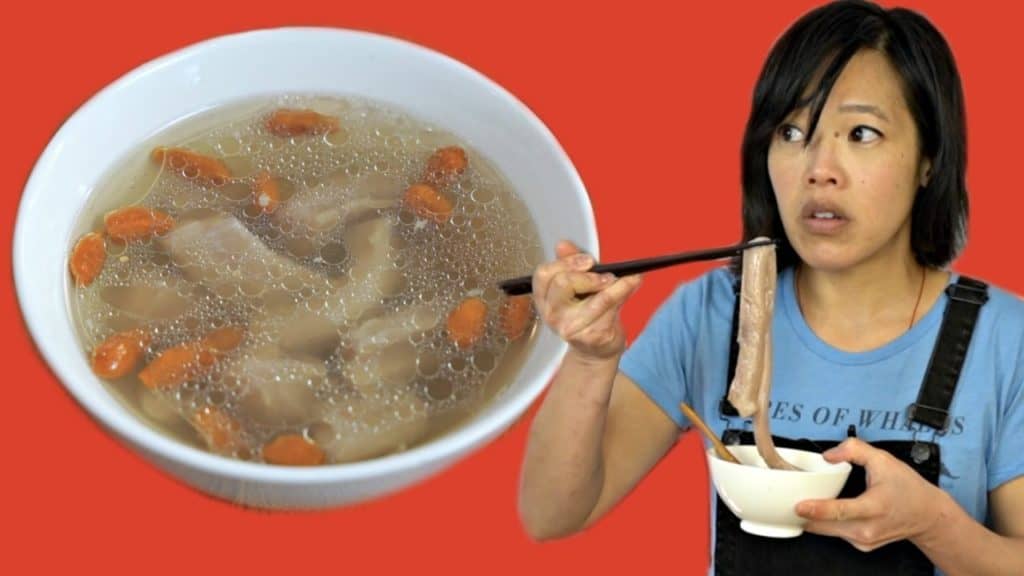
Stinky Tofu: A Fermented Delicacy
Stinky tofu is one of China's most infamous unconventional foods, known for its pungent odor and deep-fried or stewed preparation. The fermentation process gives it a strong smell, but many enjoy its crispy texture and rich flavor. Here’s why it stands out:
- Fermented brine: Made with a mix of vegetables, meat, and herbs, soaking for weeks.
- Varied textures: Can be crispy when fried or soft when steamed.
- Popular street food: Often served with chili sauce or pickled vegetables.
Century Eggs: Preserved for Months
Century eggs, or pidan, are duck, chicken, or quail eggs preserved in clay, ash, and lime for weeks or months. The result is a gelatinous, dark yolk and translucent egg white with a unique taste. Key features include:
- Ammonia-rich flavor: A distinct taste from the chemical transformation.
- Versatile use: Eaten alone, in congee, or with tofu.
- Cultural significance: A traditional preservation method dating back centuries.
Chicken Feet: A Chewy Snack
Chicken feet are a common dim sum dish, braised or steamed with sauces like black bean or chili. Despite their bony appearance, they’re prized for their collagen-rich skin. Highlights include:
- Texture-focused: Soft cartilage and skin, not meat-heavy.
- Popular in Cantonese cuisine: Often served in dim sum restaurants.
- Health benefits: Believed to improve skin and joint health.
Scorpions and Insects: Street Food Oddities
In some regions, scorpions, crickets, and silkworm pupae are skewered, fried, and sold as street snacks. These crunchy bites are high in protein and considered adventurous eats. Notable points:
- Crunchy texture: Deep-frying removes toxins and enhances crispiness.
- Regional specialty: Common in Beijing’s night markets.
- Nutritional value: Rich in protein and low in fat.
Pig Brain: A Controversial Dish
Pig brain is consumed in hot pots or steamed dishes, valued for its creamy texture. While polarizing, it’s a traditional ingredient in Sichuan and Guangdong cuisines. Key aspects:
- Soft, custard-like consistency: Melts in the mouth when cooked.
- Often spicy: Served in Sichuan-style hot pots with numbing peppers.
- Cultural divide: Loved by some, avoided by others due to texture.
What are the top 5 most popular dish in China?
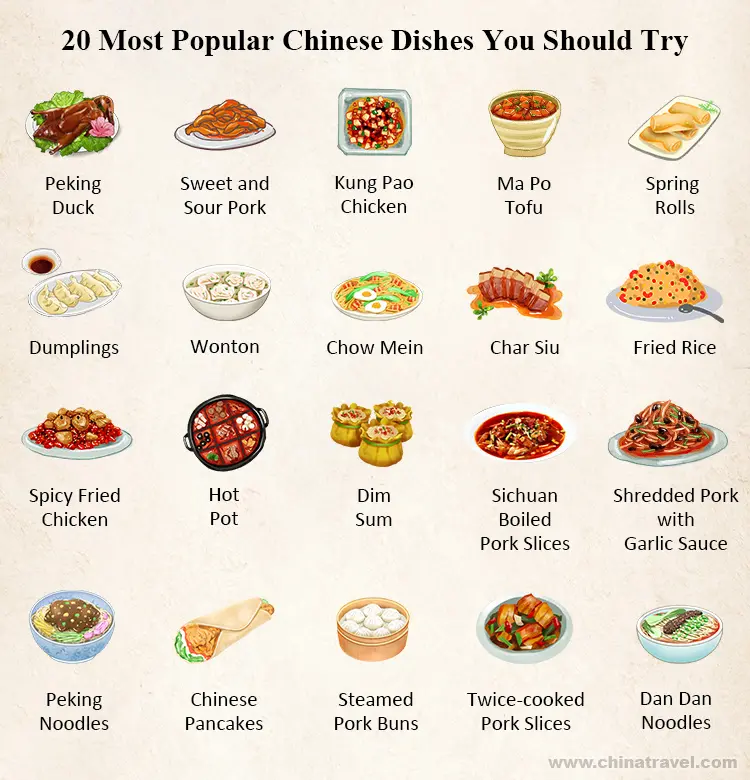
1. Peking Duck (北京烤鸭)
Peking Duck is one of China's most iconic dishes, originating from Beijing. The dish is renowned for its crispy skin and tender meat, often served with thin pancakes, hoisin sauce, and scallions. The duck is traditionally roasted in a wood-fired oven to achieve its signature flavor and texture.
- Preparation: The duck is air-dried, glazed, and roasted until the skin turns crispy.
- Serving Style: Sliced tableside and wrapped in pancakes with condiments.
- Cultural Significance: Historically served to Chinese emperors and now a symbol of Chinese cuisine worldwide.
2. Hot Pot (火锅)
Hot Pot is a communal dining experience where ingredients like thinly sliced meat, vegetables, and tofu are cooked in a simmering broth at the table. Regional variations include Sichuan's spicy broth and Cantonese's milder flavors.
- Broth Varieties: Spicy (Sichuan), herbal (Cantonese), or tomato-based.
- Key Ingredients: Lamb, beef, mushrooms, and noodles.
- Social Aspect: Encourages shared meals and interaction.
3. Dim Sum (点心)
Dim Sum refers to a variety of small dishes, often served with tea in Cantonese cuisine. Popular items include dumplings, buns, and rolls, offering a mix of savory and sweet flavors.
- Popular Dishes: Har gow (shrimp dumplings), siu mai (pork dumplings), and char siu bao (barbecue pork buns).
- Dining Style: Typically served in bamboo steamers during brunch.
- Cultural Tradition: Rooted in Guangdong's tea-house culture.
4. Kung Pao Chicken (宫保鸡丁)
Kung Pao Chicken is a classic Sichuan dish featuring diced chicken, peanuts, and chili peppers in a sweet-spicy sauce. It balances heat, sweetness, and crunch.
- Key Flavors: Spicy from dried chilies, tangy from vinegar, and nutty from peanuts.
- Ingredients: Chicken, peanuts, vegetables, and Sichuan peppercorns.
- Global Popularity: Adapted in Western Chinese restaurants.
5. Mapo Tofu (麻婆豆腐)
Mapo Tofu is a fiery Sichuan dish made with soft tofu, minced pork, and chili bean paste. It’s known for its numbing spiciness from Sichuan peppercorns.
- Texture: Silky tofu contrasted with ground meat.
- Flavor Profile: Spicy, savory, and slightly numbing.
- Origin: Created by a Sichuan chef in the 19th century.
What are the names of Chinese food?
Popular Chinese Dishes You Should Know
Chinese cuisine offers a wide variety of flavors, textures, and cooking techniques. Here are some well-known dishes:
- Peking Duck – A famous roasted duck dish with crispy skin, often served with pancakes and hoisin sauce.
- Kung Pao Chicken – Spicy stir-fried chicken with peanuts, vegetables, and chili peppers.
- Dim Sum – A selection of small dishes, including dumplings and buns, usually served for breakfast or brunch.
Regional Chinese Cuisine Varieties
China has diverse regional cuisines, each with unique characteristics:
- Sichuan Cuisine – Known for its bold, spicy flavors and use of Sichuan peppercorns.
- Cantonese Cuisine – Features mild, fresh flavors with an emphasis on seafood and dim sum.
- Shandong Cuisine – Focuses on salty, savory dishes with a preference for seafood and soups.
Must-Try Chinese Noodle Dishes
Noodles are a staple in Chinese cuisine, with many delicious variations:
- Beef Noodle Soup – A hearty dish with tender beef, noodles, and a rich broth.
- Dan Dan Noodles – Spicy Sichuan noodles with minced pork and a peanut-based sauce.
- Lo Mein – Soft wheat noodles stir-fried with vegetables and protein.
Iconic Chinese Street Foods
Street food is an essential part of Chinese culinary culture:
- Jianbing – A savory crepe filled with eggs, scallions, and crispy wonton.
- Stinky Tofu – Fermented tofu with a strong aroma, deep-fried for a crispy texture.
- Roujiamo – Often called the Chinese hamburger, it consists of spiced meat stuffed in flatbread.
Traditional Chinese Desserts
Chinese desserts often feature sweet, sticky, or fruity elements:
- Mooncakes – Pastries filled with sweet bean paste or lotus seed paste, eaten during the Mid-Autumn Festival.
- Tangyuan – Glutinous rice balls filled with sweet sesame or red bean paste, served in syrup.
- Egg Tarts – Flaky pastry shells filled with a creamy custard, influenced by Portuguese cuisine.
Frequently Asked Questions (FAQ)
What are some of the most bizarre Chinese dish names?
Chinese cuisine is known for its diverse and sometimes unusual dish names that can be puzzling to foreigners. Some of the most bizarre include Ants Climbing a Tree (a noodle dish with minced meat), Husband and Wife Lung Slices (spicy beef and offal slices), Tiger Skin Peppers (blistered green peppers), Lion's Head Meatballs (large pork meatballs), and Century Eggs (preserved eggs with a gelatinous texture). These names often stem from cultural metaphors, appearance, or historical anecdotes rather than literal ingredients.
Why do some Chinese dishes have such strange names?
The unconventional names of certain Chinese dishes usually have deep-rooted cultural or linguistic significance. For example, Ants Climbing a Tree describes the appearance of minced meat clinging to noodles, resembling ants on branches. Husband and Wife Lung Slices originates from a love story between a Sichuanese couple who sold spiced offal slices. These names often reflect poetic imagery, historical tales, or regional humor, making them more memorable despite their oddity.
Are bizarre-named Chinese dishes actually made with unusual ingredients?
While some dishes with bizarre names may sound alarming, most do not contain exotic or inedible ingredients. For instance, Century Eggs are simply preserved duck or chicken eggs, and Lion's Head Meatballs are just oversized pork meatballs. However, a few, like Fried Bee Pupae or Drunken Shrimp (live shrimp in alcohol), do involve unique or uncommon components. The names are often more shocking than the actual dishes.
How do foreigners typically react to these oddly named Chinese dishes?
Foreigners often react with amusement, confusion, or even hesitation when encountering these dish names. Many are intrigued by the creativity behind terms like Tiger Skin Peppers or Buddha Jumps Over the Wall (a luxurious soup). While some may avoid dishes like Century Eggs due to their appearance, others embrace the cultural experience and find the flavors surprisingly enjoyable. The names serve as both a conversation starter and a gateway to exploring Chinese culinary traditions.
Leave a Reply
Related Posts