
Foodie Map of China

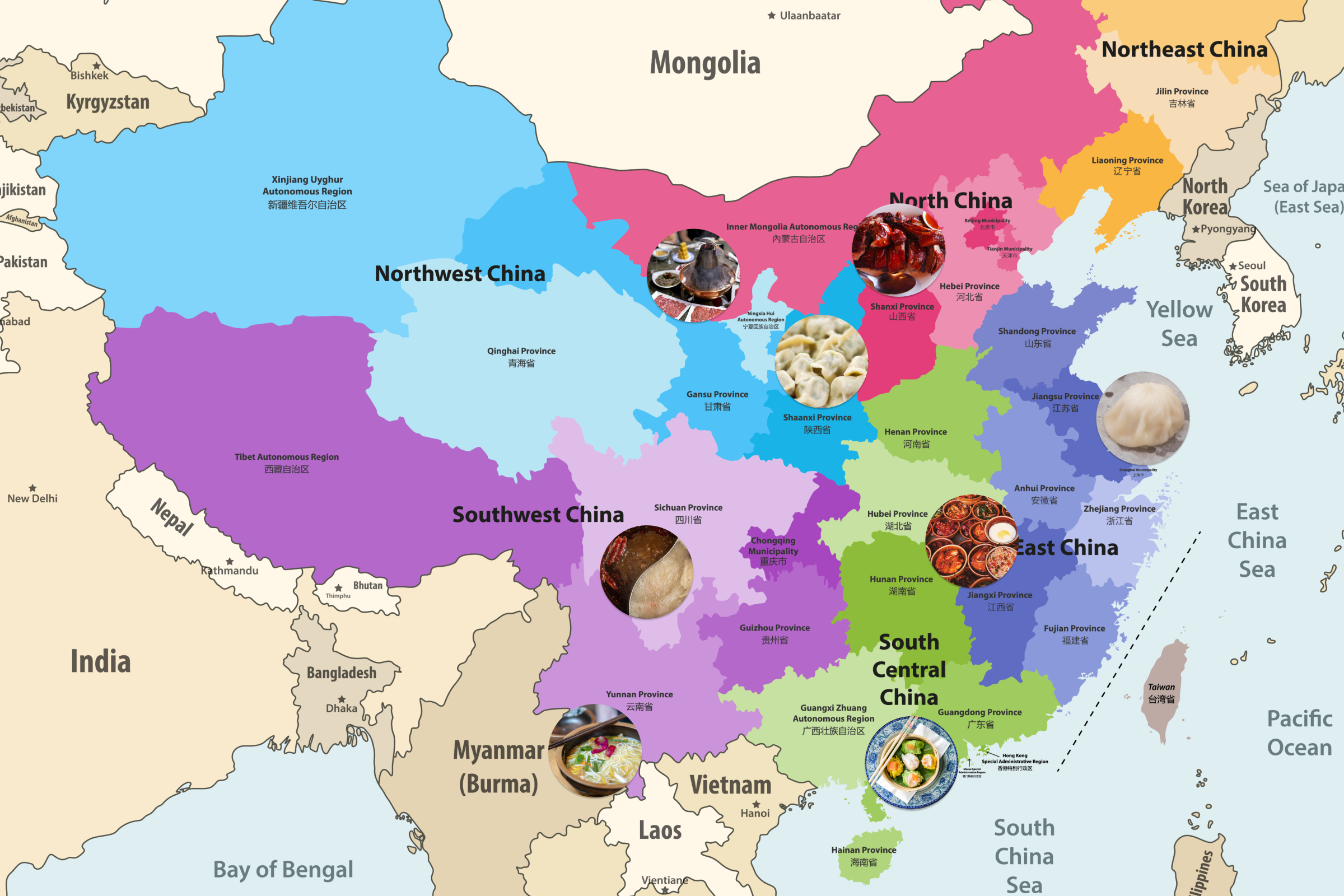
China’s culinary landscape is as vast and diverse as its geography, offering a mouthwatering journey through regional flavors, traditions, and innovations. From the fiery spices of Sichuan to the delicate dim sum of Guangdong, each province boasts its own unique dishes and culinary heritage. This Foodie Map of China explores the country’s most iconic gastronomic destinations, uncovering hidden gems and must-try specialties along the way. Whether you’re savoring Peking duck in Beijing or slurping hand-pulled noodles in Lanzhou, this guide invites you to experience China’s rich food culture bite by bite. Prepare your taste buds for an unforgettable adventure across one of the world’s greatest food nations.
Exploring the Ultimate Foodie Map of China: A Culinary Journey
1. Regional Delicacies: Must-Try Dishes Across China
China's culinary landscape is as diverse as its geography. From the spicy flavors of Sichuan to the dim sum of Guangdong, each region offers unique dishes. Below is a table highlighting iconic foods:
| Region | Signature Dish |
|---|---|
| Sichuan | Hot Pot |
| Guangdong | Dim Sum |
| Beijing | Peking Duck |
2. Street Food Hotspots: Where to Find the Best Bites
Chinese street food is a vibrant part of local culture. Cities like Xi'an (famous for roujiamo) and Chengdu (known for chuanr) are must-visits.
See AlsoChinese Business Etiquette: How to Do Business in China| City | Popular Street Food |
|---|---|
| Xi'an | Roujiamo (Chinese Burger) |
| Chengdu | Chuanr (Spicy Skewers) |
Beyond major cities, places like Yunnan (for crossing-the-bridge noodles) and Xinjiang (for lamb kebabs) offer authentic flavors.
| Destination | Specialty |
|---|---|
| Yunnan | Crossing-the-Bridge Noodles |
| Xinjiang | Lamb Kebabs |
4. Seasonal Eats: Best Times to Savor Specific Dishes
Timing matters! Mooncakes shine during Mid-Autumn Festival, while zongzi dominate the Dragon Boat Festival.
| Season/Festival | Dish |
|---|---|
| Mid-Autumn Festival | Mooncakes |
| Dragon Boat Festival | Zongzi |
5. Food Markets: Top Culinary Hubs for Foodies
Markets like Wangfujing Snack Street (Beijing) and Shanghai’s Yunnan Road are paradises for food lovers.
See AlsoWhy spaced repetition software is uniquely well suited to learning Chinese characters| Market | Location |
|---|---|
| Wangfujing Snack Street | Beijing |
| Yunnan Road | Shanghai |
What region of China has the best food?
Sichuan Province: The Spicy Heart of Chinese Cuisine
Sichuan is renowned for its bold, fiery flavors, thanks to the liberal use of chilies and Sichuan peppercorns. The region's dishes are a sensory explosion, combining heat, numbness, and deep umami. Key highlights include:
- Hot Pot: A communal dining experience with a simmering spicy broth.
- Mapo Tofu: Silky tofu in a fiery, aromatic sauce.
- Kung Pao Chicken: A balance of sweet, sour, and spicy flavors.
Guangdong (Cantonese Cuisine): Delicate and Diverse Flavors
Cantonese cuisine emphasizes freshness, subtlety, and precision. Steaming and stir-frying are dominant techniques, preserving natural flavors. Standout dishes include:
See AlsoCantonese Coconut Chicken Soup- Dim Sum: Bite-sized portions like har gow (shrimp dumplings) and char siu bao (barbecue pork buns).
- Roast Goose: Crispy skin with tender, flavorful meat.
- Wonton Noodle Soup: Light yet deeply satisfying broth with delicate wontons.
Hunan Cuisine: Fiery and Fermented
Similar to Sichuan but with a focus on fermented ingredients and straightforward heat, Hunan cuisine is less numbing but equally intense. Notable dishes are:
- Chairman Mao’s Red-Braised Pork: A rich, caramelized pork belly dish.
- Spicy Frog Legs: Tender and packed with chili flavor.
- Stinky Tofu: An acquired taste with a pungent aroma and crispy texture.
Shandong Cuisine: The Birthplace of Northern Flavors
Known for its seafood and vinegar-based sauces, Shandong cuisine is hearty and savory. Key dishes include:
- Braised Sea Cucumber: A delicacy with a gelatinous texture.
- Pancakes with Scallions: Crispy and layered, often paired with meats.
- Sweet and Sour Carp: A whole fish with a tangy glaze.
Jiangsu Cuisine: Elegant and Sweet
Focused on refined presentation and sweet undertones, Jiangsu cuisine is a favorite for banquets. Signature dishes are:
See AlsoThe tones in Mandarin are more important than you think- Lion’s Head Meatballs: Large, tender pork meatballs in a savory broth.
- Yangzhou Fried Rice: A colorful, flavorful rice dish with premium ingredients.
- Braised Pork Belly (Hong Shao Rou): Melt-in-your-mouth pork with a glossy sauce.
What are the 5 cuisines in China?
The Five Major Cuisines of China
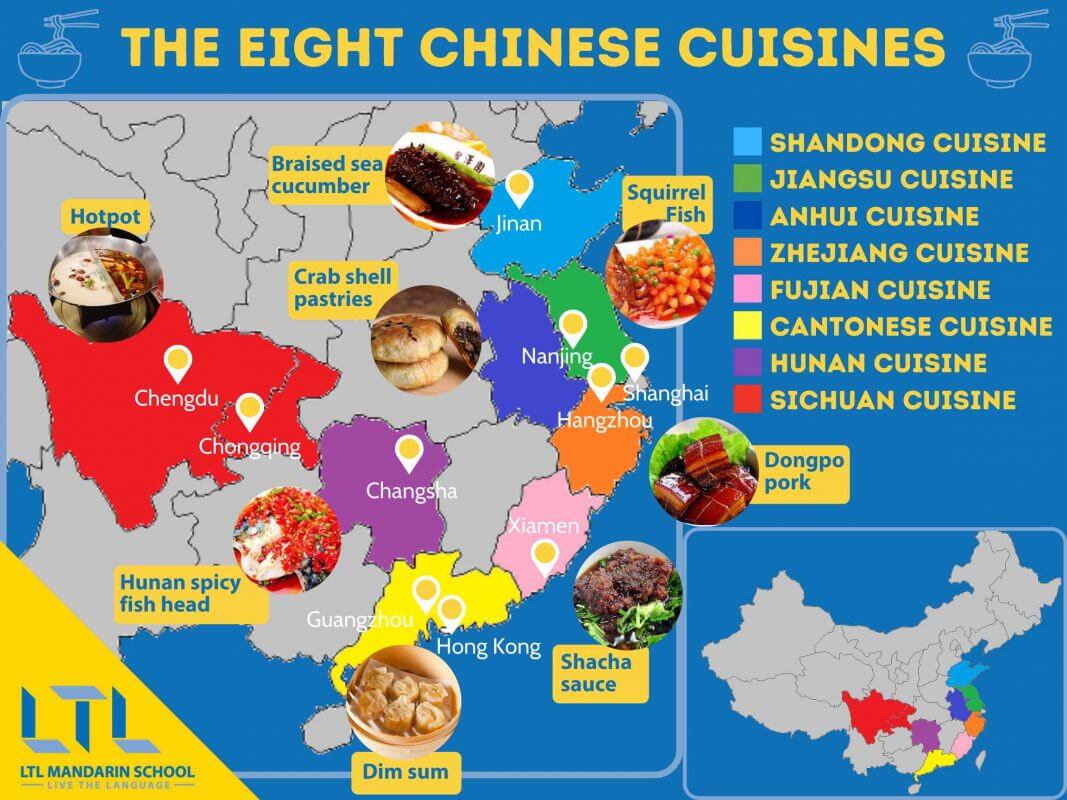
China's culinary tradition is diverse, but five main regional cuisines stand out due to their unique flavors, ingredients, and cooking techniques. These are:
- Cantonese (Guangdong) – Known for its mild, fresh, and slightly sweet flavors, emphasizing seafood and dim sum.
- Sichuan – Famous for bold, spicy, and numbing flavors from chili peppers and Sichuan peppercorns.
- Shandong (Lu) – Features salty, hearty dishes with an emphasis on seafood and grains.
- Jiangsu (Su) – Delicate, slightly sweet, and refined dishes, often with intricate presentation.
- Hunan (Xiang) – Spicy like Sichuan but with a focus on fresh, aromatic heat rather than numbing spices.
Cantonese Cuisine: Freshness and Dim Sum
Cantonese cuisine originates from Guangdong and is characterized by its light, fresh flavors and minimal use of heavy spices. Key features include:
- Steaming and stir-frying are common cooking methods.
- Dim sum, small bite-sized dishes, are a hallmark of this cuisine.
- Seafood and roasted meats, like char siu (barbecued pork), are staples.
Sichuan Cuisine: Bold and Spicy Flavors
Sichuan cuisine is renowned for its intense heat and the use of Sichuan peppercorns, which create a numbing sensation. Notable aspects include:
- Hot pot is a signature dish, featuring a spicy broth for cooking meats and vegetables.
- Mapo tofu, a spicy and aromatic tofu dish, is a classic example.
- Fermented ingredients, like pickled vegetables, add depth to flavors.
Shandong Cuisine: Hearty and Salty
Shandong cuisine, from northern China, is known for its salty, robust flavors and emphasis on grains and seafood. Key elements are:
- Pancakes and bread are commonly eaten instead of rice.
- Braised and deep-fried dishes dominate, such as sweet and sour carp.
- Vinegar and garlic are frequently used for seasoning.
Jiangsu Cuisine: Elegant and Sweet
Jiangsu cuisine is refined, often slightly sweet, and focuses on presentation. Distinctive traits include:
- Slow-cooked soups and stews are a specialty.
- Delicate flavors from ingredients like crab and freshwater fish.
- Intricate knife work is used to enhance visual appeal.
Hunan Cuisine: Fiery and Aromatic
Hunan cuisine is known for its fresh, dry chilies and smoky flavors, differing from Sichuan’s numbing spice. Highlights include:
- Smoked and cured meats are common, adding depth to dishes.
- Dong'an chicken, a spicy and sour dish, is a regional favorite.
- Fresh herbs and garlic enhance the bold flavors.
What is the city of gastronomy in China?

The city of gastronomy in China is Chengdu, recognized by UNESCO in 2010 for its rich culinary heritage and vibrant food culture. Known for its bold flavors, particularly Sichuan cuisine, Chengdu offers a diverse range of dishes that highlight local ingredients and traditional cooking techniques.
Why Was Chengdu Designated a UNESCO City of Gastronomy?
Chengdu earned this title due to its centuries-old culinary traditions and commitment to preserving food culture. Key reasons include:
- Sichuan cuisine's global influence, characterized by spicy, numbing flavors from Sichuan peppercorns.
- Street food diversity, with iconic dishes like mapo tofu and dan dan noodles.
- Sustainable food practices, promoting local farming and traditional cooking methods.
What Are the Must-Try Dishes in Chengdu?
Chengdu’s food scene is a paradise for food lovers. Essential dishes include:
- Hot pot – A communal spicy broth with meats and vegetables.
- Mapo tofu – Silky tofu in a fiery chili and bean sauce.
- Dan dan noodles – Wheat noodles with minced pork and chili oil.
How Does Chengdu’s Food Culture Differ from Other Chinese Cities?
Chengdu stands out for its unique flavor profiles and culinary philosophy:
- Spiciness dominance – Sichuan peppercorns create a numbing heat.
- Balanced flavors – Dishes often combine spicy, sweet, sour, and salty tastes.
- Teahouse culture – Meals are often paired with tea in relaxed settings.
What Role Do Street Markets Play in Chengdu’s Gastronomy?
Street markets are central to Chengdu’s food identity, offering:
- Affordable local delicacies like skewers and steamed buns.
- Interactive dining experiences, where chefs prepare food in front of customers.
- Seasonal specialties, showcasing fresh, regional ingredients.
How Has Chengdu Influenced Global Chinese Cuisine?
Chengdu’s impact on international food scenes is evident through:
- Sichuan restaurants worldwide, popularizing dishes like kung pao chicken.
- Food festivals promoting Sichuan flavors abroad.
- Culinary exchanges, with chefs training in Chengdu’s techniques.
Frequently Asked Questions (FAQ)
What is the Foodie Map of China?
The Foodie Map of China is a comprehensive guide designed to showcase the diverse culinary traditions across China's regions. It highlights iconic dishes, local specialties, and hidden gems, offering food enthusiasts a curated journey through China's rich gastronomic landscape. Whether you're craving spicy Sichuan cuisine or delicate Cantonese dim sum, this map serves as a visual and informational resource to explore China's food culture in depth.
How can the Foodie Map of China help travelers?
For travelers, the Foodie Map of China acts as an essential travel companion, pinpointing must-try dishes in each region. It provides insights into local flavors, popular street food spots, and renowned restaurants, ensuring you don’t miss out on authentic experiences. The map also includes cultural context, such as the history behind certain dishes, helping travelers appreciate the connection between food and regional identity.
Are there vegetarian or vegan options featured on the Foodie Map of China?
Yes, the Foodie Map of China includes a variety of vegetarian and vegan-friendly dishes, reflecting China's long-standing Buddhist culinary traditions. From tofu-based delicacies in Sichuan to mushroom-centric meals in Fujian, the map highlights plant-based options that are both flavorful and culturally significant. It also notes restaurants and regions known for accommodating dietary preferences, making it easier for vegetarians and vegans to navigate China’s food scene.
Can the Foodie Map of China be accessed digitally?
Absolutely! The Foodie Map of China is available in digital formats, including interactive websites and mobile apps, allowing users to explore culinary hotspots on the go. These platforms often feature real-time updates, user reviews, and additional resources like recipes or cooking classes. Whether you're planning a trip or simply curious, the digital version offers a dynamic and engaging way to discover China's food culture.
Leave a Reply
Related Posts