
Duolingo With Knife: The Story Behind the Viral Meme


In the ever-evolving world of internet culture, memes have become a universal language, and few have captured the collective imagination quite like Duolingo With Knife. This viral sensation, blending humor, absurdity, and a touch of menace, originated from a simple yet striking image: the beloved Duolingo owl wielding a knife. What began as a playful edit quickly spiraled into a global phenomenon, sparking countless iterations and discussions. But what lies behind this peculiar meme? From its unexpected origins to its cultural impact, this article delves into the story of how a language-learning app's mascot became an unlikely symbol of internet humor and creativity.
What is the Duolingo With Knife Meme?
The Duolingo With Knife meme originated from a humorous and slightly dark reinterpretation of Duolingo's owl mascot, known for its persistent reminders to users to complete their daily language lessons. The meme features the owl holding a knife, symbolizing the app's aggressive push notifications. This image quickly went viral, resonating with users who felt threatened by the app's reminders.
How Did the Meme Gain Popularity?
The meme gained traction on social media platforms like Twitter, Reddit, and Instagram, where users shared their experiences of feeling pressured by Duolingo's notifications. The absurdity of a cute, educational mascot wielding a knife struck a chord with the internet, leading to widespread sharing and creative variations of the meme.
See AlsoWhat Animal Is Duolingo: Meet Duo, The Green Language MascotWhat Does the Meme Represent?
The Duolingo With Knife meme represents the love-hate relationship many users have with the app. While Duolingo is praised for making language learning accessible, its relentless reminders can feel overwhelming. The meme humorously exaggerates this dynamic, turning the owl into a symbol of both motivation and intimidation.
How Did Duolingo Respond to the Meme?
Duolingo embraced the meme, showcasing their understanding of internet culture. The company even incorporated the knife-wielding owl into their social media posts, further engaging with their audience. This response not only validated the meme but also strengthened Duolingo's connection with its users.
What Impact Did the Meme Have on Duolingo's Brand?
The meme had a positive impact on Duolingo's brand, increasing its visibility and relatability. By embracing the joke, Duolingo demonstrated its ability to adapt to internet culture, making the brand appear more approachable and human. This viral moment also highlighted the app's widespread popularity and cultural relevance.
See AlsoChinese F1 Driver Could Drive New Audiences| Key Aspect | Details |
|---|---|
| Origin | Humorous reinterpretation of Duolingo's owl mascot |
| Platforms | Twitter, Reddit, Instagram |
| Symbolism | Represents the pressure of Duolingo's notifications |
| Brand Response | Embraced the meme, incorporated it into social media |
| Impact | Increased brand visibility and relatability |
How did Evil Duolingo start?

The Origins of Evil Duolingo
The concept of Evil Duolingo originated as a humorous and exaggerated internet meme, portraying the language-learning app Duolingo as a sinister entity. This meme gained traction on social media platforms, particularly Twitter and Reddit, where users began sharing fictional stories and memes about Duolingo's owl mascot, Duo, being overly aggressive in reminding users to complete their daily lessons. The idea of Evil Duolingo was born out of these exaggerated depictions, where Duo was portrayed as a threatening figure who would go to extreme lengths to ensure users practiced their language skills.
- The meme started with users joking about Duolingo's persistent notification system.
- Duo, the app's mascot, was reimagined as a menacing character who would punish users for skipping lessons.
- Social media platforms amplified the meme, leading to widespread recognition of Evil Duolingo.
Social media played a crucial role in popularizing the Evil Duolingo meme. Platforms like Twitter, Reddit, and TikTok became hubs for users to share their creative takes on the concept. Memes often depicted Duo as a stalker-like figure, sending ominous reminders or even breaking into users' homes to ensure they completed their lessons. The humor resonated with many Duolingo users, who found the exaggerated portrayal relatable due to the app's frequent notifications.
See AlsoLearning to unicycle, learning anatomy and learning Chinese- Twitter threads and Reddit posts featured fictional stories about Duo's aggressive behavior.
- TikTok videos added a visual element, with creators using green screens and animations to bring the meme to life.
- The meme's relatability and humor led to its rapid spread across multiple platforms.
Duolingo's Response to the Meme
Duolingo, the company behind the app, embraced the Evil Duolingo meme as part of its marketing strategy. Recognizing the meme's popularity, the company began incorporating the exaggerated persona of Duo into its official social media accounts. This included posting humorous content that played into the idea of Duo being a menacing figure, further engaging with the online community and strengthening the app's brand identity.
- Duolingo's social media team started using the meme to interact with users.
- The company released merchandise featuring the Evil Duo persona.
- This approach helped Duolingo maintain a strong and relatable online presence.
The Evolution of the Evil Duolingo Persona
Over time, the Evil Duolingo persona evolved beyond just a meme. It became a recognizable part of Duolingo's brand, with the company leaning into the exaggerated characterization of Duo. The persona was used in various marketing campaigns, including holiday-themed posts and collaborations with other brands. The evolution of the meme showcased how internet culture could influence and shape a company's public image.
- The meme transitioned from user-generated content to official marketing material.
- Duolingo's campaigns began to feature Evil Duo in creative and humorous ways.
- The persona became a staple of the app's online identity.
The Impact of Evil Duolingo on User Engagement
The Evil Duolingo meme had a significant impact on user engagement with the app. By embracing the meme, Duolingo created a sense of community among its users, who felt a shared connection through the humorous portrayal of Duo. This increased engagement not only boosted the app's popularity but also encouraged users to remain consistent with their language-learning goals, as the meme added an element of fun to the experience.
- Users felt more connected to the app through the shared humor of the meme.
- The meme encouraged users to stay consistent with their lessons to avoid Duo's wrath.
- Duolingo's engagement metrics improved as a result of the meme's popularity.
Why is Gen Z obsessed with the Duolingo owl?
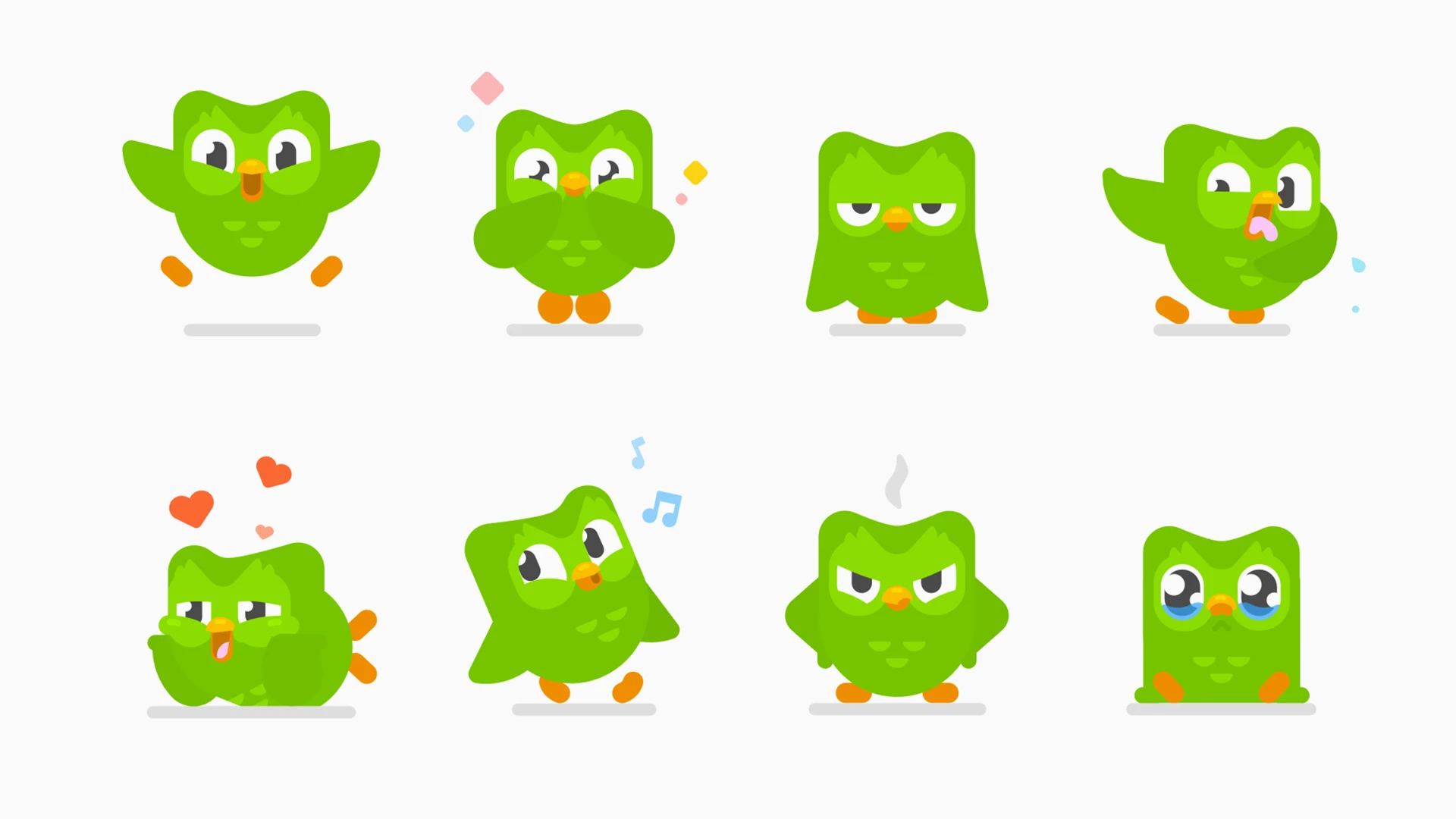
Gen Z's obsession with the Duolingo owl stems from its unique blend of relatability, humor, and gamification. The owl, named Duo, has become a meme-worthy figure due to its quirky personality and the app's playful approach to language learning. Gen Z, a generation that values authenticity and entertainment, finds Duo's over-the-top reminders and emotional manipulation both hilarious and endearing. Additionally, Duolingo's social media presence, which often features the owl in meme culture, has solidified its status as a pop culture icon.
How does Duolingo's gamification appeal to Gen Z?
Duolingo's gamified learning experience resonates deeply with Gen Z, a generation that grew up with video games and interactive content. The app uses streaks, leaderboards, and rewards to keep users engaged, which aligns perfectly with Gen Z's love for achievement and competition.
- Streaks: Maintaining daily streaks motivates users to return to the app consistently.
- Leaderboards: Competing with friends or strangers adds a social and competitive element.
- Rewards: Earning virtual currency and unlocking new levels provides a sense of accomplishment.
Why is Duo's personality so appealing to Gen Z?
Duo's quirky and sometimes chaotic personality makes it highly relatable to Gen Z. The owl's passive-aggressive reminders and emotional pleas to practice are both funny and memorable. This meme-like behavior aligns with Gen Z's sense of humor, which often leans toward absurdity and self-awareness.
- Passive-Aggressive Reminders: Duo's messages often guilt-trip users in a humorous way.
- Emotional Appeals: The owl's exaggerated sadness or anger when users miss lessons is both funny and engaging.
- Relatability: Duo's flaws and quirks make it feel like a friend rather than a corporate mascot.
Duolingo's social media strategy has been a key factor in Gen Z's obsession with the owl. The brand's TikTok and Twitter accounts are known for their irreverent humor and meme-heavy content, which resonates with Gen Z's digital-first lifestyle. By embracing internet culture and self-deprecating humor, Duolingo has positioned itself as a relatable and entertaining brand.
- Meme Culture: Duolingo frequently uses memes to engage with its audience.
- Interactive Content: The brand often responds to users in a playful and humorous manner.
- Authenticity: Duolingo's social media feels genuine, not overly polished or corporate.
What role does nostalgia play in Gen Z's love for Duo?
For Gen Z, Duo evokes a sense of nostalgia reminiscent of early internet mascots and cartoon characters. The owl's design and behavior harken back to a simpler time in digital culture, which resonates with a generation that grew up during the rise of the internet. This nostalgic appeal makes Duo feel like a comforting and familiar figure.
- Early Internet Mascots: Duo's design is reminiscent of characters from the early 2000s.
- Cartoonish Behavior: The owl's exaggerated emotions feel like something out of a classic cartoon.
- Digital Comfort: Duo represents a time when the internet was less overwhelming and more playful.
How does Duolingo's accessibility contribute to its popularity with Gen Z?
Duolingo's accessibility is a major factor in its popularity with Gen Z. The app is free to use, easy to navigate, and available on multiple platforms, making it an ideal choice for a generation that values convenience and inclusivity. Additionally, the app's diverse language offerings and low-pressure learning environment make it appealing to a wide range of users.
- Free to Use: The app's freemium model makes it accessible to everyone.
- User-Friendly Design: The interface is simple and intuitive, appealing to tech-savvy Gen Z users.
- Diverse Content: Duolingo offers a wide range of languages, catering to different interests and backgrounds.
What is the creepy Duolingo mascot?

Who is the Duolingo Mascot?
The Duolingo mascot is a green owl named Duo. It was created to represent the language-learning platform and serve as a friendly guide for users. However, over time, Duo has gained a reputation for being creepy due to its persistent reminders and somewhat unsettling expressions in notifications and memes.
- Duo is designed to encourage users to practice daily.
- The mascot's creepy vibe stems from its exaggerated facial expressions and pushy behavior in notifications.
- Despite its unsettling reputation, Duo remains a beloved and iconic figure for Duolingo users.
Why is Duo Considered Creepy?
Duo is often labeled as creepy because of its behavior in notifications and memes. The mascot is known for sending reminders that can feel overly persistent or even threatening, such as Your family will miss you if you don’t practice today. These messages, combined with its wide-eyed stare, have contributed to its eerie reputation.
- Duo's persistent notifications can feel intrusive.
- Its exaggerated facial expressions in memes amplify its creepy persona.
- The mascot's playful yet unsettling tone adds to its unique charm and notoriety.
How Did Duo Become a Meme?
Duo became a meme due to its over-the-top behavior in Duolingo's marketing and notifications. Users began creating and sharing memes that exaggerated Duo's pushy and sometimes threatening reminders, turning the mascot into an internet sensation. Its creepy yet humorous persona resonated with a wide audience.
- Duo's memes often depict it as a stalker or enforcer of language practice.
- The mascot's exaggerated expressions and tone make it perfect for viral content.
- Its transformation into a meme has solidified its place in internet culture.
What Role Does Duo Play in Duolingo?
Duo serves as the face of Duolingo, encouraging users to stay consistent with their language-learning goals. While its methods can seem creepy, its purpose is to motivate users through humor and persistence. Duo's role extends beyond notifications, as it also appears in lessons and promotional materials.
- Duo is the primary mascot representing Duolingo's brand.
- It uses humor and persistence to keep users engaged with their learning.
- The mascot's creepy persona has become a unique marketing tool.
How Do Users React to Duo's Creepy Persona?
Users have mixed reactions to Duo's creepy persona. While some find its reminders and memes amusing and motivating, others feel uncomfortable with its persistent and sometimes threatening tone. Despite this, Duo's unique personality has made it a memorable and iconic figure in the world of language learning.
- Some users appreciate Duo's humorous and motivational approach.
- Others find its persistent reminders unsettling or annoying.
- Overall, Duo's creepy persona has made it a standout character in the app.
Who is behind the Duolingo costume?
The Identity of the Duolingo Mascot
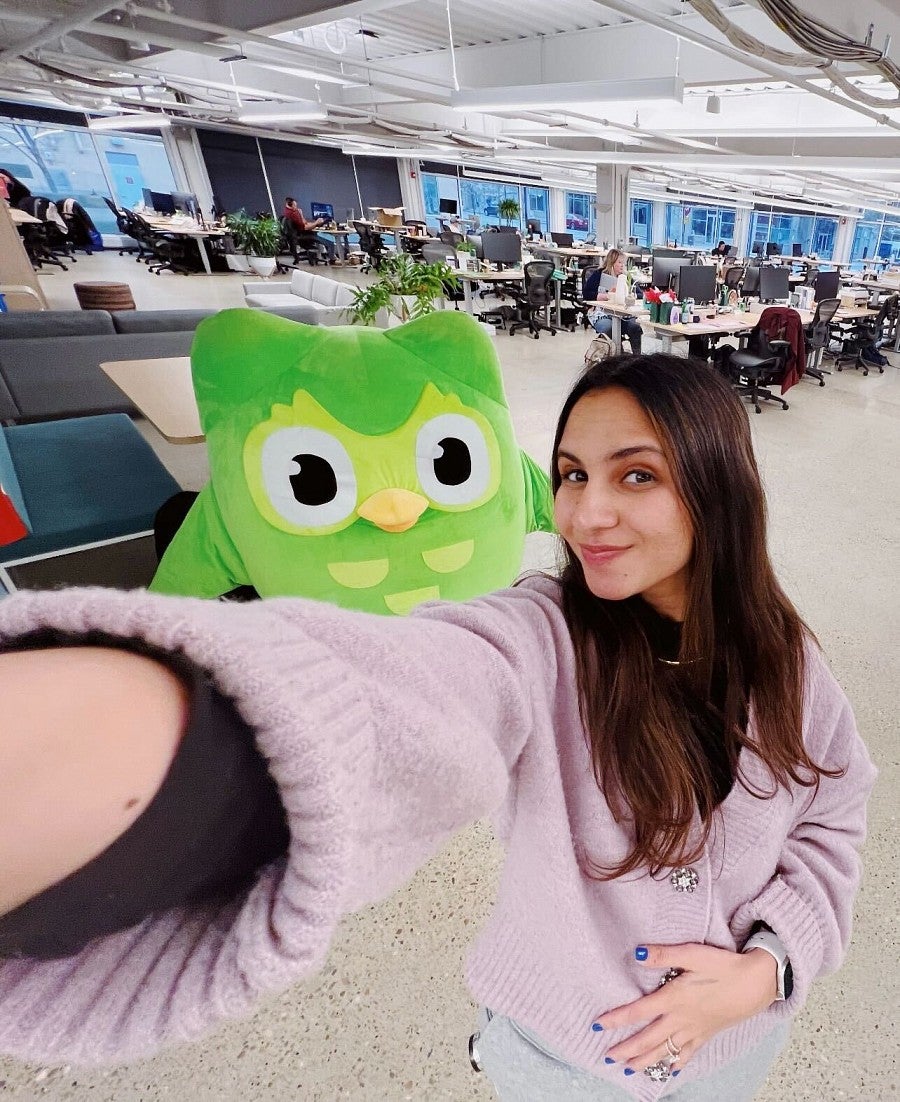
The Duolingo mascot, a green owl named Duo, is a fictional character created by the language-learning platform Duolingo. The costume is typically worn by professional performers or employees hired by the company for promotional events, advertisements, and public appearances. The individuals behind the costume are not publicly disclosed, as the focus remains on the character itself rather than the person inside.
- Duo the Owl is the official mascot of Duolingo, representing the brand's mission to make language learning fun and accessible.
- The costume is designed to be recognizable and engaging, with its bright green color and friendly appearance.
- Performers inside the costume are trained to embody Duo's playful and encouraging personality.
The Role of the Duolingo Mascot
The primary role of the Duolingo mascot is to promote the brand and its language-learning app. Duo appears in various marketing campaigns, social media content, and live events to engage with users and create a memorable brand image.
- Duo is often used in viral marketing campaigns, such as memes and videos, to connect with younger audiences.
- The mascot serves as a symbol of motivation, reminding users to complete their daily language lessons.
- Duo's presence at events helps to humanize the brand and make it more approachable.
The Design and Creation of the Duolingo Costume
The Duolingo costume is meticulously designed to reflect the brand's identity. It features a large, round head with expressive eyes, a green feathered body, and a friendly smile. The design process involves collaboration between artists, designers, and marketing teams to ensure the mascot aligns with Duolingo's values.
- The costume is made from lightweight materials to ensure the performer's comfort during long events.
- Duo's design emphasizes approachability and friendliness, making it appealing to users of all ages.
- The mascot's appearance is consistent across all platforms to maintain brand recognition.
The Performers Behind the Duolingo Costume
The individuals who wear the Duolingo costume are typically professional mascot performers or employees hired for specific events. These performers undergo training to accurately portray Duo's personality and movements, ensuring a consistent and engaging experience for the audience.
- Performers are selected based on their ability to embody Duo's playful and encouraging demeanor.
- They often interact with fans, pose for photos, and participate in activities to promote the brand.
- The anonymity of the performers helps maintain the focus on the character rather than the individual.
The Impact of the Duolingo Mascot on Brand Recognition
The Duolingo mascot has played a significant role in establishing the brand's identity and increasing its visibility. Duo's presence in marketing campaigns and social media has made the mascot a recognizable figure worldwide.
- Duo's playful and sometimes humorous persona has contributed to the brand's viral success on platforms like Twitter and TikTok.
- The mascot's consistent appearance reinforces Duolingo's commitment to making language learning enjoyable.
- Duo's popularity has helped Duolingo stand out in a competitive market, attracting millions of users globally.
Frequently Asked Questions From our Community
What is the origin of the Duolingo With Knife meme?
The Duolingo With Knife meme originated from a humorous and exaggerated depiction of the Duolingo owl, the mascot of the popular language-learning app, holding a knife. The meme plays on the idea that the app's persistent notifications and reminders to practice can feel intimidating or aggressive, as if the owl is threatening users to complete their lessons. The image of the owl with a knife became a viral sensation, symbolizing the app's relentless approach to keeping users engaged.
Why did the Duolingo With Knife meme resonate with so many people?
The meme resonated with many because it humorously captures the universal experience of feeling pressured by the app's constant reminders. Duolingo's notifications are designed to encourage daily practice, but they can sometimes feel overwhelming, especially for users who fall behind on their language goals. The exaggerated image of the owl with a knife turned this pressure into a relatable and funny concept, making it widely shareable across social media platforms.
How did Duolingo respond to the Duolingo With Knife meme?
Duolingo embraced the meme with a lighthearted and playful approach. The company acknowledged the humor and even incorporated the meme into their social media strategy, further engaging with their audience. By leaning into the joke, Duolingo demonstrated their understanding of internet culture and strengthened their connection with users, turning a potentially negative perception into a positive and memorable brand moment.
What does the Duolingo With Knife meme say about modern app culture?
The meme highlights the intense and sometimes intrusive nature of modern app culture, where gamification and notifications are used to keep users engaged. While these strategies can be effective, they also create a sense of obligation or guilt for users who don't meet their goals. The Duolingo With Knife meme serves as a humorous critique of this dynamic, reflecting how apps often blur the line between motivation and pressure in their quest to maintain user activity.
Leave a Reply
Related Posts