
Being a Vegetarian in China

Being a vegetarian in China presents both challenges and opportunities in a cuisine renowned for its meat-centric dishes. While traditional Chinese meals often feature pork, chicken, and seafood, vegetarianism is gaining traction due to health, environmental, and ethical concerns. Navigating menus and communicating dietary restrictions can be tricky, but major cities now offer plant-based alternatives and Buddhist-inspired vegetarian restaurants. Street food and local markets also provide fresh, vegetable-focused options. Understanding cultural attitudes toward vegetarianism helps in adapting to social dining situations. With growing awareness, China’s vegetarian scene is evolving, blending ancient traditions with modern dietary trends for a unique culinary experience.
Being a Vegetarian in China: Challenges and Opportunities
1. The Vegetarian Dining Scene in Major Chinese Cities
China's major cities, such as Beijing, Shanghai, and Guangzhou, offer a growing number of vegetarian restaurants catering to both locals and expats. While traditional Chinese cuisine heavily features meat, urban centers now have dedicated vegan and vegetarian eateries, often influenced by Buddhist cuisine. However, outside these hubs, options may be limited.
| City | Vegetarian Restaurants | Specialty |
|---|---|---|
| Beijing | 50+ | Buddhist-style mock meat |
| Shanghai | 40+ | International vegan fusion |
| Guangzhou | 30+ | Cantonese vegetarian dim sum |
2. Common Misconceptions About Vegetarianism in China
Many Chinese locals associate vegetarianism with religious practices, particularly Buddhism, leading to misunderstandings. Some assume vegetarians simply avoid red meat but eat seafood or poultry. Clarifying dietary preferences with phrases like wǒ chī sù (I eat vegetarian) helps, but confusion may still arise in non-vegetarian restaurants.
See AlsoHow To Get 500 Gems In Duolingo In One Day: complete guide| Misconception | Reality |
|---|---|
| Vegetarian includes fish | Strict vegetarians avoid all animal products |
| Vegetarian food is bland | Chinese vegetarian dishes are flavorful and diverse |
3. Traditional Chinese Vegetarian Dishes to Try
Chinese cuisine includes many plant-based dishes that are naturally vegetarian. Buddhist temples have popularized mock meat made from tofu, seitan, and mushrooms. Must-try dishes include luóhàn zhāi (Buddha's delight), vegetarian dumplings, and mapo tofu (without meat).
| Dish | Key Ingredients |
|---|---|
| Luóhàn Zhāi | Mixed vegetables, tofu, mushrooms |
| Vegetarian Spring Rolls | Cabbage, carrots, vermicelli |
Language can be a hurdle when ordering food. Key phrases like wǒ bù chī ròu (I don’t eat meat) or zhè yǒu sùshí ma? (Is there vegetarian food here?) are helpful. However, some dishes may contain hidden animal products like lard or oyster sauce, so specifying chún sù (strict vegetarian) is advisable.
| Phrase | Meaning |
|---|---|
| Wǒ chī sù | I eat vegetarian |
| Bù yào ròu | No meat, please |
5. The Rise of Veganism and Plant-Based Trends
While vegetarianism has historical roots in China, veganism is a newer trend gaining traction, especially among younger generations. International chains like Starbucks and KFC now offer plant-based options, and local startups are developing meat substitutes like OmniPork.
See AlsoThe new paperless revolution in Chinese reading| Trend | Example |
|---|---|
| Vegan fast food | KFC's plant-based chicken |
| Local meat alternatives | OmniPork in supermarkets |
Is China okay for vegetarians?

Is Traditional Chinese Cuisine Vegetarian-Friendly?
Traditional Chinese cuisine heavily relies on meat, seafood, and animal-based broths, making it challenging for vegetarians. However, some dishes are naturally plant-based or can be adapted. Key points include:
- Buddhist cuisine offers vegetarian options, often using tofu, mushrooms, and gluten as substitutes.
- Sauces like oyster sauce or fish sauce are common, so always ask for modifications.
- Dishes like mapo tofu may contain meat unless specified as vegetarian.
What Are the Best Vegetarian Dishes in China?
China has several iconic vegetarian dishes that are flavorful and widely available. Here are some highlights:
See AlsoDuolingo Lingots vs Gems: 2025 Currency Guide & Conversion Rates- Stir-fried greens (e.g., bok choy or spinach) are simple and commonly vegetarian.
- Buddhist mock meats mimic flavors of meat using soy or wheat gluten.
- Vegetable dumplings (jiaozi) are a safe bet if confirmed meat-free.
How Easy Is It to Find Vegetarian Restaurants in China?
Major cities like Beijing, Shanghai, and Guangzhou have dedicated vegetarian restaurants, while smaller towns may lack options. Consider these factors:
- Use apps like HappyCow or Dianping to locate vegetarian-friendly spots.
- Buddhist temples often have vegetarian canteens with affordable meals.
- Western-style cafes may offer salads or pasta, but authenticity varies.
What Challenges Do Vegetarians Face in China?
Vegetarians may encounter difficulties due to cultural differences and language barriers. Common issues include:
- Hidden animal products (e.g., lard in fried rice or meat broth in soups).
- Limited understanding of vegetarian (素食, sùshí) in rural areas.
- Cross-contamination in kitchens where meat and veggies are cooked together.
Can You Travel as a Vegetarian in China?
Yes, but preparation is key. Follow these tips for a smoother experience:
See AlsoYour slumps affect your language learning more than your flows- Learn key phrases like I don’t eat meat (我不吃肉, wǒ bù chī ròu).
- Carry snacks like nuts or protein bars for emergencies.
- Choose accommodations with kitchen access to prepare your own meals.
What is the most vegetarian friendly country?
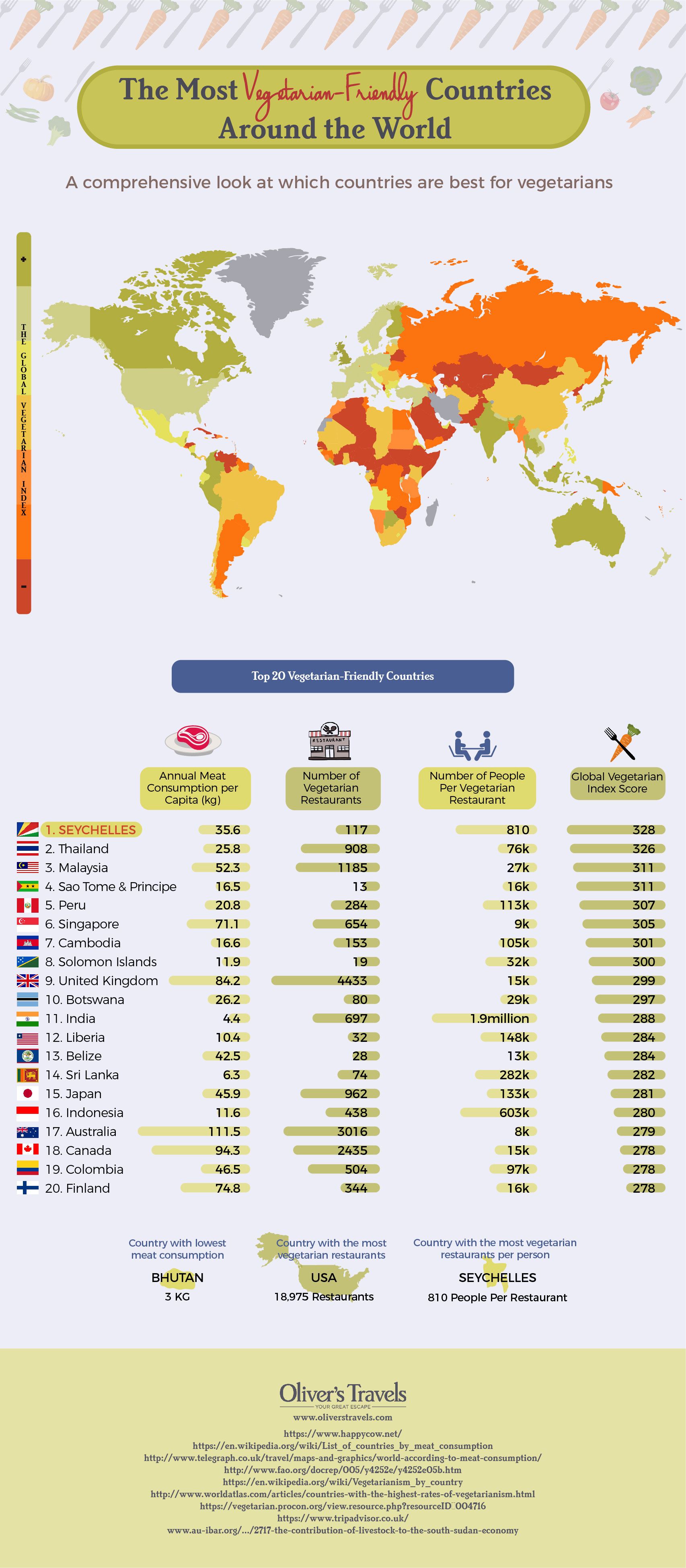
Which Country is the Most Vegetarian-Friendly?
India is widely regarded as the most vegetarian-friendly country due to its deep-rooted cultural and religious practices that promote vegetarianism. Approximately 30-40% of the population follows a vegetarian diet, making it the largest vegetarian community globally. Key reasons include:
- Religious influence: Hinduism, Jainism, and Buddhism advocate for plant-based diets.
- Widespread availability: Vegetarian options are standard in restaurants, street food, and supermarkets.
- Diverse cuisine: Dishes like dal, paneer, and dosa are staples, offering rich flavors without meat.
What Makes India Ideal for Vegetarians?
India’s culinary diversity and vegetarian infrastructure set it apart. The country has:
- Dedicated vegetarian restaurants: Many eateries serve only plant-based meals.
- Clear labeling: Food products often display green marks indicating vegetarian status.
- Affordable options: Vegetarian meals are often cheaper than non-vegetarian ones.
Are There Other Vegetarian-Friendly Countries?
While India leads, other countries also excel in vegetarian offerings:
- Israel: High demand for plant-based diets, with Tel Aviv being a vegan hotspot.
- Taiwan: Buddhist influence supports a thriving vegetarian food scene.
- United Kingdom: Rapid growth in vegan and vegetarian restaurants.
How Does India Compare to Western Vegetarian Options?
Unlike Western countries where vegetarianism is often a lifestyle choice, in India, it’s culturally ingrained. Differences include:
- Menu variety: Indian menus naturally feature more vegetarian dishes.
- Social acceptance: Vegetarianism is normalized, not seen as a trend.
- Ingredient accessibility: Spices and legumes are staples, enhancing flavor without meat.
What Are the Challenges for Vegetarians in Non-Friendly Countries?
In less vegetarian-friendly regions, challenges include:
- Limited options: Few restaurants cater to vegetarians.
- Cross-contamination: Shared cooking equipment with meat products.
- Higher costs: Plant-based alternatives may be pricier than meat.
Is it difficult to be vegan in China?

Availability of Vegan Food in China
Finding vegan food in China can be challenging but is becoming easier, especially in larger cities. Traditional Chinese cuisine often includes meat or animal products, but plant-based options are growing in popularity.
- Major cities like Beijing, Shanghai, and Shenzhen have dedicated vegan restaurants and supermarkets.
- Local markets offer fresh vegetables, tofu, and legumes, but cross-contamination with meat products is common.
- International chains and fast-food outlets are introducing more plant-based alternatives.
Cultural Attitudes Toward Veganism
Veganism is still relatively uncommon in China, and many people may not fully understand the concept. Meat is deeply ingrained in Chinese culture as a symbol of prosperity.
- Explaining dietary restrictions can be difficult due to language barriers or lack of awareness.
- Some traditional dishes, like Buddhist cuisine, are naturally vegan but may not be labeled as such.
- Social dining situations, like business banquets, often feature meat-heavy menus.
Language Barriers and Labeling
Reading ingredient labels can be a challenge for non-Mandarin speakers, as many products contain hidden animal-derived ingredients.
- Look for terms like 素食 (sùshí) for vegetarian or 纯素 (chúnsù) for vegan.
- Common non-vegan additives include lard, oyster sauce, and gelatin.
- Mobile apps and translation tools can help identify vegan-friendly products.
Cost of Vegan Eating in China
Eating vegan in China can be affordable if you stick to local ingredients, but specialty products may be expensive.
- Fresh produce and tofu are widely available and budget-friendly.
- Imported vegan meats and cheeses are costly due to taxes and limited availability.
- Street food vendors may offer vegan options like steamed buns (馒头) or vegetable dumplings at low prices.
Vegan-Friendly Travel and Dining Out
Traveling as a vegan in China requires planning, but many restaurants are accommodating if you communicate clearly.
- Use apps like HappyCow to locate vegan or vegetarian restaurants.
- Request dishes without meat, fish sauce, or eggs by saying 不要肉 (bùyào ròu) or 不要蛋 (bùyào dàn).
- Temples and monasteries often serve meat-free meals.
Is Chinese food mostly vegetarian?
Is Traditional Chinese Cuisine Primarily Vegetarian?
Traditional Chinese cuisine is not predominantly vegetarian, though it features a significant variety of plant-based dishes. Meat, poultry, and seafood play essential roles in many regional cuisines. However, Buddhist influences have contributed to a rich selection of vegetarian options.
- Meat-centric dishes like Peking duck and sweet and sour pork are iconic.
- Buddhist vegetarian cuisine (斋菜) avoids all animal products, even garlic and onions.
- Tofu and soy products are widely used as protein substitutes in vegetarian meals.
How Common Are Vegetarian Dishes in Chinese Food?
Vegetarian dishes are common but not dominant in Chinese food. Many meals balance vegetables with small portions of meat, reflecting Confucian ideals of harmony. Street food and home cooking often include meatless options.
- Stir-fried greens (炒青菜) are staple side dishes.
- Mushroom-based dishes like braised shiitake are popular meat alternatives.
- Festive vegetarian meals are traditionally eaten on certain Buddhist holidays.
Which Chinese Regions Have the Most Vegetarian Food?
Southern regions, particularly Fujian and Guangdong, have stronger vegetarian traditions due to Buddhist temple cuisine. Sichuan also offers many spicy vegetable dishes, though they often contain meat-based seasonings.
- Fujian's mock meat dishes replicate textures using wheat gluten.
- Cantonese cuisine emphasizes fresh vegetables in steaming preparations.
- Tibetan cuisine incorporates more dairy than other Chinese regions.
What Are Classic Chinese Vegetarian Dishes?
Several time-honored vegetarian dishes originate from Chinese imperial and temple kitchens. These often use creative techniques to mimic meat flavors and textures.
- Buddha's delight (罗汉斋) - mixed vegetables with tofu and mushrooms.
- Mapo tofu (can be made vegetarian without minced pork).
- Vegetarian spring rolls with cabbage, carrots, and vermicelli.
Do Chinese Restaurants Cater Well to Vegetarians?
While not automatically vegetarian-friendly, most Chinese restaurants can accommodate requests by modifying dishes. However, hidden animal products like oyster sauce or lard may be present.
- Vegetable dumplings are widely available.
- Eggplant dishes like fish-fragrant eggplant often contain meat.
- Clear Buddhist soups are reliably vegetarian.
Frequently Asked Questions (FAQ)
Is it difficult to find vegetarian food in China?
Vegetarian food can be challenging to find in some parts of China, especially in smaller cities or rural areas where meat is a staple in most dishes. However, major cities like Beijing, Shanghai, and Chengdu offer a growing number of vegetarian restaurants and plant-based options. Many traditional Chinese dishes can also be adapted to be vegetarian by requesting no meat or animal products. It's helpful to learn key phrases like wǒ chī sù (I eat vegetarian) to communicate your dietary needs.
What are some common vegetarian dishes in Chinese cuisine?
Chinese cuisine includes several naturally vegetarian-friendly dishes, such as mapo tofu (without meat), stir-fried greens (like bok choy or spinach), and Buddhist-style dishes (often served in temples). Other popular options include eggplant with garlic sauce, vegetable dumplings, and hot and sour soup (without meat broth). Many noodle and rice dishes can also be customized by omitting meat and adding extra vegetables.
How do I ensure my food is truly vegetarian in China?
To ensure your meal is 100% vegetarian, it's important to ask about hidden ingredients like fish sauce, chicken powder, or lard, which are commonly used in Chinese cooking. Visiting dedicated vegetarian or Buddhist restaurants is the safest option, as they avoid all animal products. If dining at a regular restaurant, clearly communicate your restrictions using phrases like bù yào ròu, bù yào yú (no meat, no fish) and confirm that the cooking oil is plant-based.
Are there vegetarian-friendly supermarkets or stores in China?
Yes, many supermarkets in larger cities now carry vegetarian and vegan products, including plant-based meats, tofu, and dairy alternatives. Stores like Olé, City Shop, and online platforms (e.g., JD.com, Taobao) offer a variety of options. Additionally, Buddhist grocery stores often sell vegetarian ingredients like mock meats, gluten-based products, and specialty sauces. Always check labels, as some packaged foods may contain animal-derived additives.
Leave a Reply
Related Posts