
Is speaking more important than listening when learning Chinese?

When learning Chinese, many students wonder whether speaking or listening holds greater importance. While speaking allows for active practice and immediate feedback, listening is crucial for understanding tones, pronunciation, and natural speech patterns. Striking a balance between the two is essential, but some argue that listening should take precedence in early stages to build a strong foundation. Others believe that speaking from the start accelerates confidence and fluency. This article explores the debate, examining how each skill contributes to language acquisition and which approach may be more effective for mastering Chinese. Understanding their roles can help learners optimize their study strategies for better results.
- Is Speaking More Important Than Listening When Learning Chinese?
- Is speaking a more important skill than listening?
- What's more important, speaking or listening?
- Why is it important to speak Chinese?
- Why is listening to someone speak as or more important than speaking?
- Frequently Asked Questions (FAQ)
Is Speaking More Important Than Listening When Learning Chinese?
The Role of Speaking in Chinese Language Acquisition
Speaking is a critical component of learning Chinese, as it helps learners practice pronunciation, tones, and fluency. Engaging in conversations allows students to apply vocabulary and grammar in real-time, reinforcing their understanding. However, overemphasizing speaking without proper listening skills can lead to miscommunication, as Chinese relies heavily on tones and contextual cues.
| Benefits of Speaking | Potential Drawbacks |
|---|---|
| Improves pronunciation & tones | Risk of incorrect tone usage |
| Builds conversational confidence | May neglect listening comprehension |
The Importance of Listening in Mastering Chinese
Listening is essential for understanding native speakers, distinguishing tones, and grasping cultural nuances. Without strong listening skills, learners may struggle to follow conversations or respond appropriately. Studies show that input-based learning (listening/reading) significantly enhances language retention compared to output-only practice (speaking/writing).
See Also10 Reasons to Learn Chinese| Benefits of Listening | Key Challenges |
|---|---|
| Develops tone recognition | Fast speech speeds in native dialogue |
| Enhances vocabulary absorption | Regional accents & dialects |
Balancing Speaking and Listening for Optimal Learning
A balanced approach yields the best results. Prioritizing one over the other creates gaps in proficiency. For example, excessive speaking without listening may lead to unnatural phrasing, while passive listening without practice hinders active communication.
| Integrated Strategies |
|---|
| Shadowing native speakers (listen & repeat) |
| Recording & comparing speech to native audio |
Common Pitfalls When Overemphasizing Speaking
Learners who focus solely on speaking often misapply tones, use awkward sentence structures, or fail to comprehend responses. Without listening, they miss colloquialisms and pragmatic cues vital for natural dialogue.
| Pitfall | Solution |
|---|---|
| Ignoring tonal accuracy | Use tone-pair drills |
| Limited comprehension | Daily listening immersion |
How Listening Strengthens Speaking Skills
Listening provides models for natural speech patterns, intonation, and rhythm. By absorbing native input, learners unconsciously improve their own output. Research indicates that extensive listening accelerates speaking proficiency more than isolated speaking drills.
See AlsoDuolingo User Count: Global Language Learning Statistics| Listening Input | Speaking Benefit |
|---|---|
| Podcasts/news | Formal vocabulary |
| TV shows | Casual expressions |
Is speaking a more important skill than listening?
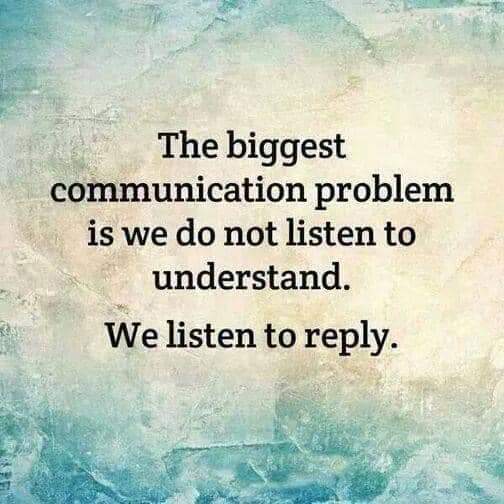
The Importance of Speaking in Communication
Speaking is a critical skill for expressing ideas, sharing information, and influencing others. It allows individuals to articulate thoughts clearly and engage in meaningful conversations. However, its effectiveness depends on context:
- Clarity: Speaking well ensures your message is understood.
- Persuasion: Strong verbal skills can convince or motivate others.
- Leadership: Effective speakers often inspire and guide teams.
The Role of Listening in Effective Communication
Listening is equally vital, as it fosters understanding and builds relationships. Without listening, communication becomes one-sided and ineffective. Key benefits include:
See AlsoChineseClass101 Review - Should I Use It?- Empathy: Listening helps you understand others' perspectives.
- Learning: Absorbing information improves knowledge.
- Conflict Resolution: Active listening reduces misunderstandings.
Balancing Speaking and Listening Skills
Neither skill is inherently more important; balance is key. Effective communicators know when to speak and when to listen. Consider these points:
- Adaptability: Adjust based on the situation.
- Engagement: Good conversations require both.
- Feedback: Listening enables better responses.
When Speaking Takes Priority
In certain scenarios, speaking becomes more crucial, such as public speaking or teaching. Key examples include:
- Presentations: Clear delivery is essential.
- Negotiations: Articulating demands drives outcomes.
- Motivation: Leaders must communicate vision.
When Listening Becomes Essential
Some situations demand listening over speaking, like counseling or customer service. Important cases are:
- Therapy: Understanding emotions is critical.
- Customer Support: Resolving issues requires attention.
- Team Collaboration: Listening fosters cooperation.
What's more important, speaking or listening?

The Role of Speaking in Communication
Speaking is a critical component of communication, allowing individuals to express thoughts, ideas, and emotions. It serves as the primary tool for sharing information and influencing others. Here are key reasons why speaking matters:
- Clarity: Effective speaking ensures that messages are conveyed clearly and without ambiguity.
- Persuasion: Strong verbal skills can convince others, making it essential in leadership and negotiations.
- Engagement: Dynamic speaking captures attention and maintains audience interest.
The Power of Listening in Communication
Listening is equally vital, as it enables understanding and fosters meaningful connections. Without proper listening, communication becomes one-sided and ineffective. Key benefits include:
- Comprehension: Active listening ensures accurate interpretation of the speaker's message.
- Empathy: By listening attentively, individuals can better relate to others' emotions and perspectives.
- Conflict Resolution: Misunderstandings are minimized when parties listen carefully to each other.
Balancing Speaking and Listening
Neither speaking nor listening should dominate; a balance is necessary for effective communication. Here’s why equilibrium matters:
- Dialogue: Healthy exchanges require both expressing and receiving ideas.
- Adaptability: Adjusting between speaking and listening based on context improves interactions.
- Mutual Respect: Balanced communication shows consideration for all participants.
When Speaking Takes Priority
Certain situations demand speaking over listening, such as public speaking or giving instructions. Key scenarios include:
- Leadership: Leaders must articulate visions and directives clearly.
- Teaching: Educators rely on speaking to deliver lessons effectively.
- Crisis Management: Quick, decisive communication is crucial in emergencies.
When Listening Becomes Essential
In other contexts, listening outweighs speaking, such as in counseling or customer service. Important examples are:
- Therapeutic Settings: Therapists must listen to understand clients' issues deeply.
- Customer Support: Resolving complaints hinges on hearing the customer’s concerns.
- Team Collaboration: Listening ensures all voices are considered in group decisions.
Why is it important to speak Chinese?

Economic Opportunities and Global Business
Speaking Chinese opens doors to vast economic opportunities, especially as China is the world's second-largest economy. Many multinational companies seek employees who can communicate in Mandarin to tap into this growing market.
- Career advancement: Fluency in Chinese can lead to higher-paying jobs in international trade, finance, and diplomacy.
- Business partnerships: Negotiating directly with Chinese firms strengthens trust and collaboration.
- Market access: Understanding the language helps navigate local regulations and consumer preferences.
Cultural Understanding and Travel
Learning Chinese enhances cultural appreciation and makes travel in China and other Mandarin-speaking regions more immersive and enjoyable.
- Deeper connections: Communicating with locals fosters meaningful interactions beyond tourist experiences.
- Historical insights: Access to ancient texts, films, and traditions becomes possible without translation barriers.
- Navigation ease: Reading signs and menus independently improves travel convenience.
Academic and Intellectual Benefits
Mastering Chinese offers cognitive advantages and academic opportunities, as it is one of the most studied languages globally.
- Brain development: Learning tones and characters enhances memory and problem-solving skills.
- Research access: Scholars can study China's rich history, philosophy, and scientific contributions firsthand.
- Competitive edge: Bilingualism is valued in universities and academic fields.
Technological and Innovation Influence
China is a leader in technology and innovation, making Chinese proficiency valuable in STEM fields and digital industries.
- Tech collaboration: Working with Chinese tech giants like Huawei or Alibaba requires language skills.
- Cutting-edge trends: Access to untranslated patents, research papers, and tech developments.
- Startup opportunities: Understanding the local market aids in launching or scaling tech ventures.
Diplomatic and International Relations
Chinese is crucial for global diplomacy, as China plays a pivotal role in international politics and organizations.
- Policy influence: Engaging in dialogues about trade, climate, or security requires language proficiency.
- Cross-cultural mediation: Bridging communication gaps in multinational forums.
- Government roles: Careers in foreign service or NGOs often prioritize Mandarin speakers.
Why is listening to someone speak as or more important than speaking?
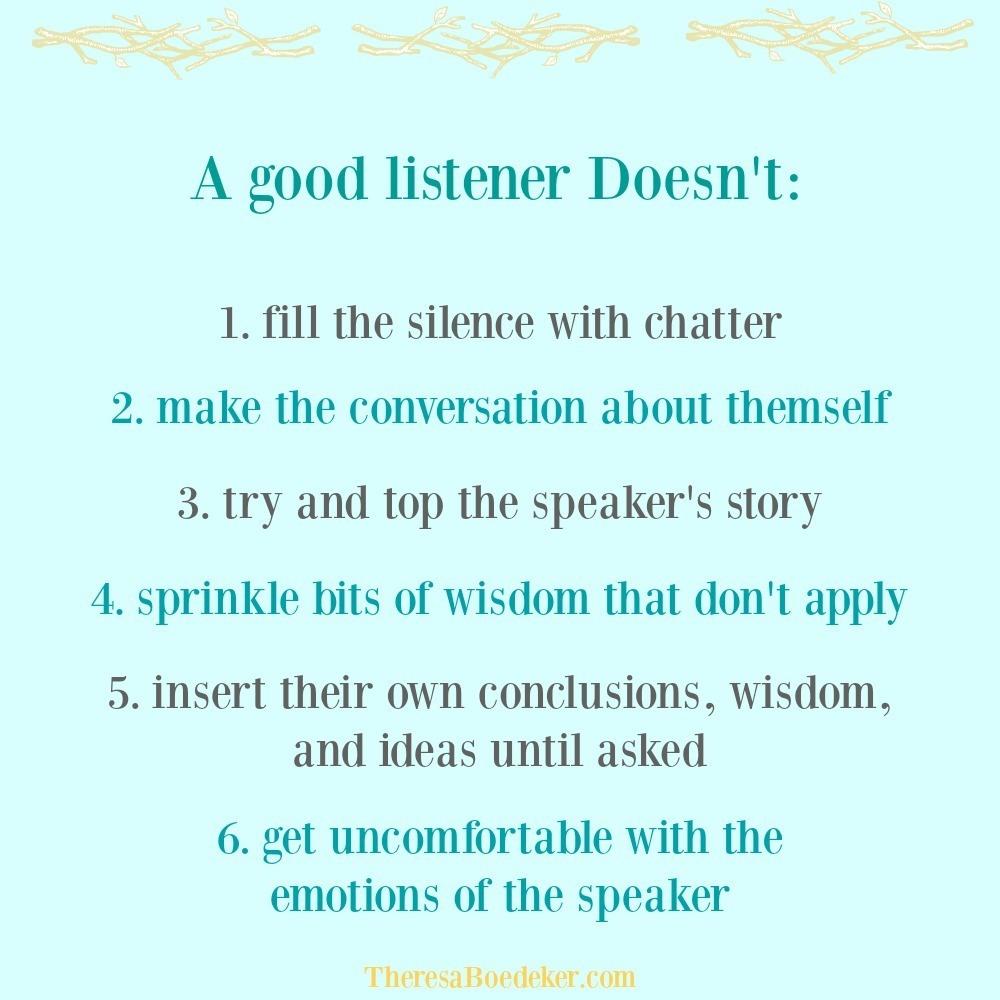
The Role of Active Listening in Effective Communication
Active listening is crucial because it ensures mutual understanding and reduces miscommunication. By focusing on the speaker, you demonstrate respect and create a foundation for meaningful dialogue. Key benefits include:
- Building trust: When someone feels heard, they are more likely to engage openly.
- Clarifying intent: Listening helps avoid assumptions and misinterpretations.
- Enhancing collaboration: Teams work better when members actively listen to each other.
How Listening Fosters Deeper Relationships
Listening strengthens relationships by showing empathy and validating the speaker's emotions. It goes beyond hearing words—it involves understanding context and emotions. Important aspects include:
- Emotional connection: People feel valued when their thoughts are acknowledged.
- Conflict resolution: Listening helps identify root issues before responding.
- Long-term bonds: Relationships thrive when communication is balanced.
The Cognitive Benefits of Prioritizing Listening Over Speaking
Listening enhances cognitive abilities by encouraging critical thinking and learning. It allows the brain to process information before reacting. Key advantages are:
- Improved retention: Absorbing information leads to better memory.
- Enhanced problem-solving: Understanding different perspectives aids decision-making.
- Reduced impulsivity: Listening prevents hasty, uninformed responses.
Why Listening is Essential for Leadership and Influence
Great leaders prioritize listening to inspire and guide effectively. It builds credibility and fosters a culture of respect. Critical points include:
- Empowering teams: Leaders who listen encourage innovation and feedback.
- Informed decisions: Gathering insights leads to better strategies.
- Stronger influence: People follow leaders who understand their needs.
The Impact of Listening on Personal and Professional Growth
Continuous growth relies on listening to feedback and new ideas. It accelerates learning and adaptability. Notable benefits are:
- Skill development: Learning from others refines expertise.
- Career advancement: Professionals who listen excel in teamwork and leadership.
- Self-awareness: Feedback helps identify strengths and areas for improvement.
Frequently Asked Questions (FAQ)
Is speaking more important than listening when learning Chinese?
Speaking and listening are both critical components of learning Chinese, but their importance depends on your goals. While speaking helps you practice pronunciation and gain confidence in conversations, listening is essential for understanding native speakers and improving comprehension. Neglecting either skill can hinder fluency. A balanced approach ensures you can both express yourself and understand others effectively.
Can you learn Chinese effectively by focusing only on speaking?
Focusing only on speaking may help you produce sounds and phrases, but it limits your ability to engage in real conversations. Without strong listening skills, you won’t understand responses or follow dialogues. Chinese relies heavily on tones and context, so active listening is necessary to grasp nuances and improve accuracy in speech.
How does listening improve your Chinese speaking skills?
Listening exposes you to natural speech patterns, tones, and vocabulary used by native speakers. By regularly hearing Chinese, you internalize correct pronunciation, rhythm, and intonation, which directly enhances your speaking ability. Additionally, listening helps you recognize common phrases and responses, making conversations smoother and more natural-sounding.
What happens if you ignore listening while learning Chinese?
Ignoring listening practice can lead to difficulties in understanding spoken Chinese, even if your speaking skills are strong. You might struggle with fast-paced conversations, regional accents, or unfamiliar vocabulary. This imbalance can make interactions frustrating and limit your ability to use Chinese in real-life situations, where comprehension is just as important as speaking.
Leave a Reply
Related Posts