
When perfectionism becomes an obstacle to progress

Perfectionism, often seen as a virtue, can paradoxically hinder progress when taken to extremes. The relentless pursuit of flawlessness may lead to procrastination, burnout, and missed opportunities, as individuals become trapped in cycles of overthinking and self-doubt. While high standards can drive excellence, an obsession with perfection stifles creativity, delays decision-making, and erodes confidence. This article explores the fine line between healthy ambition and counterproductive perfectionism, examining its psychological roots and real-world consequences. By understanding when perfectionism becomes an obstacle, we can learn to embrace imperfection, take calculated risks, and prioritize progress over unattainable ideals—unlocking greater productivity and fulfillment.
When Perfectionism Stifles Growth: Recognizing the Barriers to Progress
Perfectionism, often seen as a positive trait, can become a significant obstacle when it hinders progress. While striving for excellence is admirable, an excessive need for perfection can lead to procrastination, self-doubt, and burnout. Understanding when perfectionism crosses the line from motivation to obstruction is crucial for personal and professional development.
The Paralysis of Overthinking
When perfectionism takes over, individuals often spend excessive time overanalyzing decisions, fearing mistakes. This leads to inaction, as the fear of failure outweighs the desire to move forward. Breaking tasks into smaller, manageable steps can help combat this paralysis.
See AlsoHow to not fail with your New Year resolution to learn Chinese| Signs of Overthinking | Solutions |
|---|---|
| Endless revisions | Set strict deadlines |
| Fear of starting | Focus on progress, not perfection |
Procrastination: The Perfectionist's Trap
Perfectionists often delay tasks, waiting for the perfect moment or idea. This procrastination results in missed opportunities and increased stress. Adopting a good enough mindset can help overcome this barrier.
| Causes of Procrastination | Remedies |
|---|---|
| Fear of imperfection | Embrace iterative improvements |
| Overwhelming standards | Break projects into phases |
Self-Criticism and Burnout
Excessive self-criticism is a hallmark of perfectionism, leading to emotional exhaustion and decreased productivity. Learning self-compassion and setting realistic expectations can mitigate these effects.
| Negative Effects | Positive Alternatives |
|---|---|
| Chronic dissatisfaction | Celebrate small wins |
| Mental fatigue | Practice mindfulness |
Fear of Failure and Risk Aversion
Perfectionists often avoid challenges due to fear of failure, limiting growth opportunities. Reframing failure as a learning experience can help in taking calculated risks.
See AlsoChinese listening strategies: Active listening| Risks Avoided | Growth Opportunities |
|---|---|
| New projects | Skill development |
| Innovative ideas | Creative breakthroughs |
The Illusion of Control
Perfectionists often believe they must control every detail, leading to micromanagement and stress. Delegating tasks and accepting uncertainty can foster better collaboration and efficiency.
| Control Issues | Healthy Approaches |
|---|---|
| Difficulty trusting others | Encourage teamwork |
| Resistance to feedback | Seek constructive criticism |
How to stop perfectionism from becoming an obstacle?
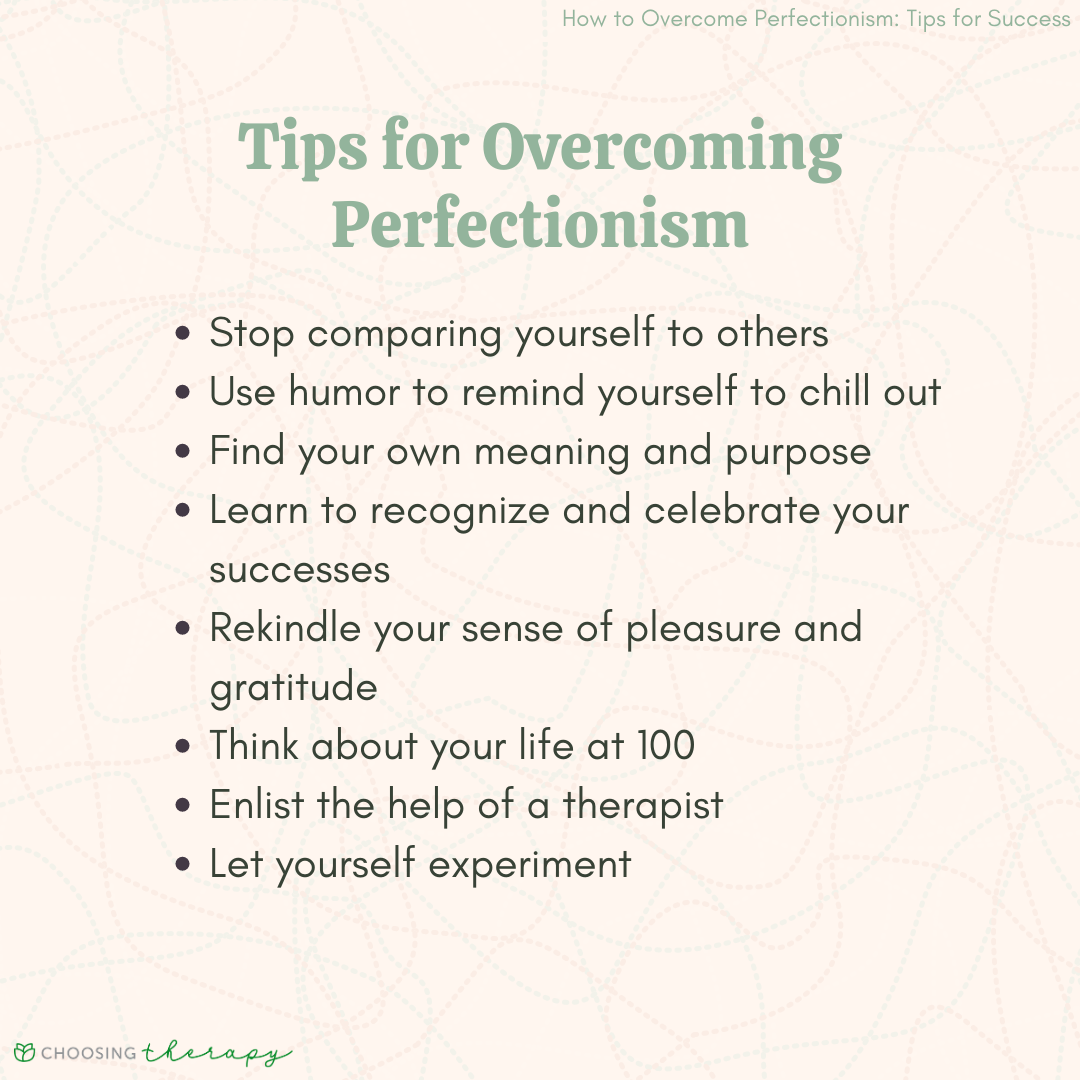
Recognize the Signs of Perfectionism
Perfectionism often manifests as an unrealistic pursuit of flawlessness, leading to procrastination or burnout. Identifying these signs early can help mitigate its negative effects. Key indicators include:
See AlsoZizzle App | A Neat Way to Learn Chinese Characters- Overanalyzing decisions or tasks to the point of paralysis.
- Fear of failure preventing you from starting or completing projects.
- Excessive self-criticism even when outcomes are successful.
Set Realistic and Flexible Goals
Avoiding perfectionism involves creating achievable objectives that allow room for error. Rigid standards often backfire, so focus on progress over perfection. Strategies include:
- Break tasks into smaller, manageable steps.
- Prioritize what truly matters and let go of minor details.
- Adjust deadlines to reduce unnecessary pressure.
Embrace Imperfection as a Learning Tool
Viewing mistakes as growth opportunities shifts your mindset from perfection to improvement. This approach fosters resilience and creativity. Practical steps:
- Reflect on failures to identify lessons rather than shortcomings.
- Celebrate small wins to build confidence in imperfect outcomes.
- Seek feedback to gain perspective and reduce self-imposed pressure.
Limit Overworking and Prioritize Self-Care
Perfectionists often neglect well-being in pursuit of excellence, leading to burnout. Balancing productivity with self-care is essential. Tips:
- Schedule breaks to recharge and maintain focus.
- Set boundaries to avoid overcommitting to unrealistic standards.
- Practice mindfulness to stay present and reduce anxiety.
Challenge All-or-Nothing Thinking
Perfectionism thrives on binary perspectives (e.g., success vs. failure). Adopting a more nuanced outlook reduces its grip. Methods:
- Reframe thoughts to acknowledge partial successes.
- Accept good enough as a valid outcome in many scenarios.
- Focus on effort rather than solely on results.
What is the 70 rule of perfectionism?

What Is the 70 Rule of Perfectionism?
The 70 Rule of Perfectionism is a productivity principle that suggests aiming for 70% completion or satisfaction with a task before moving forward, rather than striving for 100% perfection. This approach helps combat procrastination, reduce stress, and improve efficiency by prioritizing progress over flawless execution.
- Encourages action over endless refinement.
- Reduces anxiety associated with unattainable standards.
- Improves time management by avoiding over-investment in minor details.
How Does the 70 Rule Combat Perfectionism?
The rule counters perfectionism by shifting focus from ideal outcomes to practical progress. It acknowledges that imperfect results often yield better long-term benefits than delayed or abandoned projects due to perfectionist tendencies.
- Breaks the paralysis caused by fear of failure.
- Promotes iterative improvement instead of one-time perfection.
- Builds resilience by normalizing mistakes as part of growth.
When Should You Apply the 70 Rule?
This rule is most effective in time-sensitive projects, creative endeavors, or situations where diminishing returns occur beyond the 70% threshold. It’s less suitable for high-stakes tasks like medical procedures or legal documentation.
- Creative work (e.g., writing, design).
- Entrepreneurial ventures requiring rapid iteration.
- Personal goals prone to overthinking (e.g., fitness, learning).
Benefits of Adopting the 70 Rule
Implementing this rule fosters mental flexibility, accelerates productivity, and cultivates a healthier relationship with achievement. It aligns with the done is better than perfect philosophy.
- Faster project completion with measurable outcomes.
- Lower stress levels from unrealistic expectations.
- Enhanced creativity due to reduced self-criticism.
Practical Steps to Implement the 70 Rule
To integrate the rule, start by setting clear benchmarks for what constitutes 70% completion. Use timers, peer feedback, or predefined criteria to avoid over-polishing.
- Define good enough criteria before starting.
- Set deadlines to enforce progress over perfection.
- Seek external feedback to objectively assess completion.
When perfectionism becomes toxic?

Signs That Perfectionism Is Turning Toxic
Toxic perfectionism often manifests through behaviors that harm mental and emotional well-being. Key signs include:
- Chronic procrastination due to fear of failing or not meeting unrealistically high standards.
- Excessive self-criticism, where mistakes are magnified, and achievements are dismissed as never good enough.
- Burnout from relentless pursuit of flawlessness, leading to physical and emotional exhaustion.
The Psychological Impact of Toxic Perfectionism
When perfectionism becomes toxic, it can severely affect mental health. Common consequences include:
- Anxiety and depression from constant pressure to perform perfectly.
- Low self-esteem as self-worth becomes tied to unattainable standards.
- Social isolation due to avoiding situations where imperfection might be exposed.
How Toxic Perfectionism Affects Relationships
Perfectionism can strain personal and professional relationships in several ways:
- Unrealistic expectations of others, leading to frustration and conflict.
- Difficulty delegating tasks because no one else meets the perfectionist's standards.
- Emotional withdrawal as the fear of judgment prevents vulnerability.
Workplace Consequences of Toxic Perfectionism
In professional settings, toxic perfectionism can hinder productivity and growth:
- Missed deadlines due to over-editing or redoing tasks excessively.
- Reduced creativity as fear of failure stifles innovation.
- Team tension when perfectionists micromanage or criticize colleagues harshly.
Strategies to Overcome Toxic Perfectionism
Breaking free from toxic perfectionism requires intentional steps:
- Set realistic goals by focusing on progress rather than perfection.
- Practice self-compassion by acknowledging efforts and forgiving mistakes.
- Seek professional help if perfectionism leads to severe anxiety or depression.
Frequently Asked Questions (FAQ)
How can perfectionism hinder personal and professional growth?
Perfectionism often creates unrealistic standards that can paralyze progress. When individuals focus excessively on achieving flawless results, they may delay decisions, avoid taking risks, or never complete tasks due to fear of failure. This can lead to missed opportunities and stagnation in both personal and professional development. Over time, the pressure to be perfect can also cause burnout, anxiety, and decreased self-esteem, further obstructing growth.
What are the signs that perfectionism is becoming an obstacle?
Recognizing the signs of toxic perfectionism is crucial. Common indicators include chronic procrastination, excessive self-criticism, and an inability to delegate tasks because others might not meet your standards. Additionally, spending an unreasonable amount of time on minor details or feeling intense distress over small mistakes suggests that perfectionism is impeding progress rather than enhancing it.
How can someone overcome perfectionism to achieve progress?
Overcoming perfectionism involves shifting focus from flawless execution to consistent improvement. Techniques like setting realistic goals, embracing mistakes as learning opportunities, and practicing self-compassion can help. Cognitive-behavioral strategies, such as challenging irrational beliefs about failure, are also effective. By prioritizing progress over perfection, individuals can reduce anxiety and increase productivity.
Can perfectionism ever be beneficial, or is it always harmful?
While healthy perfectionism can drive high standards and excellence, it becomes harmful when it leads to self-sabotage. The key difference lies in balance—striving for quality without letting fear of imperfection paralyze action. When managed well, perfectionism can motivate achievement, but unchecked, it often does more harm than good by stifling creativity and progress.
Leave a Reply
Related Posts