
Confucius Series: Han Fei ‘韓非’ and his Teachings; an Introduction to “Legalism”

The Confucius Series delves into the profound philosophies that shaped ancient China, and among its pivotal figures stands Han Fei ‘韓非’, a mastermind of Legalism. Unlike Confucianism’s emphasis on virtue and morality, Han Fei’s teachings advocate for strict laws, centralized power, and pragmatic governance as the foundation of a stable state. His seminal work, the Han Feizi, remains a cornerstone of political theory, offering ruthless yet effective strategies for rulership. This introduction explores Han Fei’s life, his stark contrast to Confucian ideals, and the enduring legacy of Legalism—a doctrine that prioritized order over benevolence, leaving an indelible mark on Chinese history and beyond.
Confucius Series: Han Fei ‘韓非’ and His Teachings; An Introduction to “Legalism”
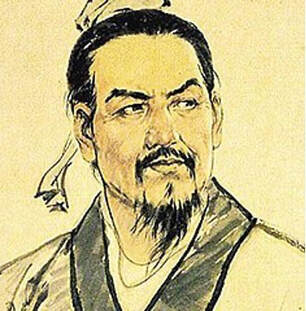
Han Fei, also known as Han Fei Zi, was a Chinese philosopher and a central figure in the Legalist school of thought during the Warring States period. His teachings emphasized strict laws, harsh punishments, and absolute authority as the foundation for a strong and orderly state. Unlike Confucianism, which focused on moral virtue and ritual propriety, Legalism prioritized practical governance and control to maintain social stability. Han Fei's ideas greatly influenced the Qin Dynasty, shaping China's first centralized empire.
The Life and Background of Han Fei
Han Fei (c. 280–233 BCE) was a nobleman from the state of Han during the Warring States period. Despite being a stutterer, his written works were highly persuasive and gained the attention of Qin Shi Huang, the first emperor of China. Han Fei studied under Xunzi, a Confucian scholar, but diverged from his teacher’s teachings to develop Legalist philosophy. His works, compiled in the Han Feizi, remain essential texts on statecraft and authoritarian rule.
See Also25 Best Free Chinese Reading Resources for Upper-Intermediate, Advanced and Heritage Learners| Aspect | Details |
|---|---|
| Birth | c. 280 BCE, State of Han |
| Teacher | Xunzi (Confucian Scholar) |
| Major Work | Han Feizi (Collected Writings) |
| Influence | Qin Dynasty’s Legalist Policies |
Core Principles of Legalism
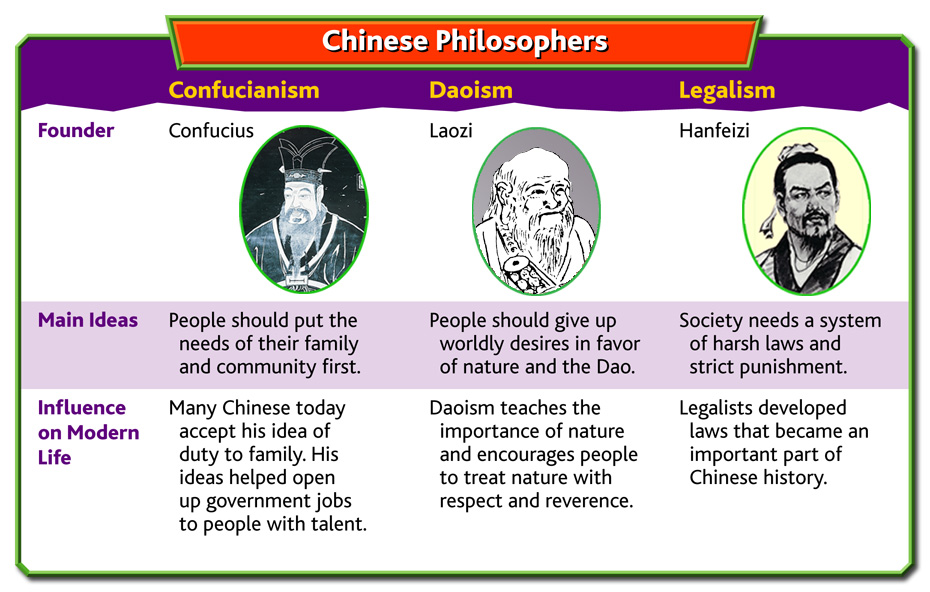
Legalism, as articulated by Han Fei, revolves around three key principles: law (Fa), statecraft (Shu), and power (Shi). Fa refers to clear and strict laws applied uniformly, Shu involves political tactics to control officials, and Shi emphasizes the ruler’s authority. Unlike Confucian meritocracy, Legalism believed humans were inherently selfish and required coercion to maintain order.
| Principle | Description |
|---|---|
| Fa (Law) | Codified rules with harsh punishments |
| Shu (Statecraft) | Deception and control of subordinates |
| Shi (Power) | Absolute authority of the ruler |
Han Fei’s Critique of Confucianism
Han Fei strongly opposed Confucian ideals, arguing that moral virtue alone could not govern a state. He believed Confucianism was impractical because it relied on human goodness, which he saw as unreliable. Instead, he advocated for laws enforced through punishments and rewards, ensuring compliance regardless of personal morality.
| Confucianism | Legalism (Han Fei) |
|---|---|
| Moral leadership | Authoritarian rule |
| Ritual and tradition | Strict laws |
| Merit-based governance | Control through fear |
Legalism’s Impact on the Qin Dynasty
Han Fei’s ideas were adopted by Qin Shi Huang, who used Legalist policies to unify China. The Qin Dynasty implemented harsh laws, standardized writing, and centralized power, but its brutality led to its downfall. Despite its short reign, Legalism laid the groundwork for later imperial governance in China.
See AlsoThe time barrel: How to find more time to study Chinese| Policy | Effect |
|---|---|
| Standardized Laws | Uniform legal system across China |
| Censorship | Suppression of opposing ideologies |
| Centralized Rule | Elimination of feudal lords |
The Legacy of Han Fei’s Legalism
Though the Qin Dynasty collapsed, Legalism influenced later Chinese dynasties, blending with Confucianism to form a hybrid governance system. Han Fei’s emphasis on law and order remains relevant in discussions about authoritarianism and state control. His works continue to be studied for their ruthless pragmatism in political theory.
| Aspect | Modern Relevance |
|---|---|
| Authoritarianism | Debates on state power vs. individual rights |
| Legal Systems |
Who was Han Feizi and why is he important to Legalism?
Who Was Han Feizi?Han Feizi was a Chinese philosopher and statesman who lived during the late Warring States period (c. 280–233 BCE). He was a nobleman from the state of Han and is best known as one of the foremost proponents of Legalism, a school of thought that emphasized strict laws, centralized authority, and pragmatic governance. His writings, compiled in the book Han Feizi, laid the groundwork for Legalist principles that later influenced the Qin Dynasty and the unification of China.
Han Feizi's Contributions to LegalismHan Feizi synthesized and refined earlier Legalist ideas, creating a cohesive system that prioritized state power and administrative efficiency. His work emphasized three key Legalist principles: law (fa), statecraft (shu), and authority (shi), which became central to Qin Dynasty governance.
Han Feizi's Influence on the Qin DynastyHan Feizi's ideas were adopted by Qin Shi Huang, the first emperor of China, and his chancellor Li Si. The Qin Dynasty's success in unifying China relied heavily on Legalist policies, such as standardized laws and centralized bureaucracy.
Han Feizi vs. ConfucianismHan Feizi sharply criticized Confucianism, arguing that its focus on moral virtue was impractical for governance. He believed human nature required coercion, not ethical education.
Key Concepts in the Han Feizi TextThe Han Feizi text is a compilation of essays outlining Legalist theory, featuring parables, historical examples, and direct advice for rulers.
What is Legalism in Confucianism?
The Origins of Legalism in ConfucianismLegalism, or Fajia, emerged during the Warring States period in ancient China as a pragmatic philosophy emphasizing strict laws and centralized authority. While distinct from Confucianism, it influenced later Confucian thought by introducing concepts like harsh punishments and absolute obedience to maintain social order.
Key Differences Between Legalism and ConfucianismWhile Confucianism focuses on moral integrity and ritual propriety, Legalism advocates for uniform laws and punitive measures. Confucianism believes in leading by example, whereas Legalism enforces compliance through fear.
Legalism’s Influence on Confucian GovernanceDespite their differences, Legalist principles were integrated into Confucian statecraft, particularly during the Qin and Han dynasties. This fusion created a hybrid system where moral education coexisted with legal enforcement.
Core Tenets of Legalist ThoughtLegalism’s philosophy revolves around three pillars: law (fa), statecraft (shu), and power (shi). These elements ensure control by standardizing behavior and eliminating dissent.
Legalism’s Legacy in Modern ConfucianismToday, traces of Legalism persist in East Asian governance, where rule by law often supplements Confucian values. This duality reflects the enduring tension between ethical leadership and pragmatic control.
What happened to Han Fei?
Who was Han Fei?Han Fei was a Chinese philosopher and legalist scholar during the Warring States period. He was a member of the ruling family of the state of Han and is best known for his contributions to Legalist philosophy, which emphasized strict laws and centralized authority.
Han Fei's Political InfluenceHan Fei's ideas greatly influenced the Qin Dynasty, particularly under the rule of Qin Shi Huang. His writings advocated for absolute power for rulers and the use of harsh punishments to maintain order.
Han Fei's Imprisonment and DeathHan Fei's life ended tragically due to political intrigue. He was imprisoned and forced to commit suicide after being accused of treason by his rival, Li Si.
Han Fei's Legacy in LegalismDespite his untimely death, Han Fei's philosophical legacy endured. His ideas became central to Chinese statecraft and influenced later dynasties.
Han Fei's Conflict with Li SiThe rivalry between Han Fei and Li Si was a defining factor in his downfall. Both were students of Xunzi but took opposing paths in politics.
What are the three main ideas of Legalism?
The Emphasis on Strict Laws and Harsh PunishmentsThe first core idea of Legalism is the belief that strict laws and harsh punishments are necessary to maintain order and control in society. Legalists argued that humans are inherently selfish and require forceful regulation to prevent chaos.
The Role of Absolute State PowerThe second principle centers on the absolute authority of the state, where the ruler holds unchecked power to enforce laws. Legalists believed a strong, centralized government was essential for stability.
The Rejection of Moral Confucian ValuesLegalism explicitly rejects Confucian virtues like benevolence and tradition, viewing them as ineffective for governance. Instead, it prioritizes pragmatic and utilitarian approaches.
Legalism’s View on Human NatureLegalists assume humans are naturally self-interested and require coercion to act in the collective interest. This pessimistic outlook justifies their rigid systems.
The Focus on Agricultural and Military StrengthAnother key aspect of Legalism is its emphasis on economic and military power as foundations of state dominance. Productivity and warfare were prioritized.
Frequently Asked Questions (FAQ)Who was Han Fei and what were his main teachings?Han Fei was a prominent Chinese philosopher and statesman during the Warring States period, known as one of the key figures of the Legalist school of thought. His teachings emphasized the importance of strict laws, centralized authority, and harsh punishments to maintain social order and state power. Unlike Confucianism, which focused on moral virtue, Han Fei argued that human nature was inherently selfish and required rigid control through a well-defined legal system. His ideas were later adopted by the Qin Dynasty, shaping China's early imperial governance. What is Legalism, and how does Han Fei's philosophy fit into it?Legalism was a pragmatic political philosophy in ancient China that prioritized state control over individual freedoms. Han Fei's contributions to Legalism centered on three core principles: Fa (law), Shu (methods), and Shi (power). He believed that rulers should rely on clear, impartial laws (Fa), employ strategic tactics (Shu) to manage officials, and maintain absolute authority (Shi) to deter disobedience. His writings, compiled in the Han Feizi, became a foundational text for Legalist thought, advocating for a system where laws, not personal morality, dictated governance. How did Han Fei's ideas influence ancient Chinese governance?Han Fei's Legalist doctrines had a profound impact on the Qin Dynasty, particularly under the rule of Qin Shi Huang, the first emperor of China. The Qin administration implemented Han Fei's principles by standardizing laws, abolishing feudal systems, and imposing severe penalties for dissent. While these measures strengthened the state, they also led to widespread oppression. Despite the Qin's collapse, elements of Legalism persisted in later dynasties, blending with Confucian ideals to create a more balanced approach to governance. What are the key differences between Han Fei's Legalism and Confucianism?While both philosophies sought social harmony, Han Fei's Legalism and Confucianism diverged sharply in methods and beliefs. Confucianism emphasized moral cultivation, ritual propriety, and the ruler's virtuous example to inspire loyalty. In contrast, Han Fei dismissed morality as ineffective, arguing that humans only respond to rewards and punishments. Where Confucius advocated for benevolent rule, Han Fei endorsed authoritarian control, viewing laws as the sole tool to curb humanity's selfish nature. This fundamental clash made Legalism the ideological opposite of Confucian humanism. Leave a Reply |

Related Posts