
Chinese Sleeper Train What Do I Need To Know

Traveling by sleeper train in China offers a unique and efficient way to explore the country’s vast landscapes while saving time and money. These overnight journeys connect major cities and remote regions, providing comfortable accommodations ranging from soft sleepers to budget-friendly hard sleepers. Understanding the basics—such as ticket booking, cabin types, onboard amenities, and etiquette—can ensure a smooth and enjoyable experience. Whether you're a solo adventurer or a family on vacation, knowing what to expect can make your journey more relaxing. This guide covers everything you need to know before boarding a Chinese sleeper train for an unforgettable travel experience.
Chinese Sleeper Train: What Do I Need To Know?
Traveling by Chinese sleeper train is a unique and cost-effective way to explore China’s vast landscapes. These trains offer different classes of accommodation, from hard sleepers to soft sleepers, and provide an authentic travel experience. Understanding the amenities, ticket booking process, and onboard etiquette will help ensure a comfortable journey. Below, we break down everything you need to know before boarding a Chinese sleeper train.
Types of Sleeper Classes on Chinese Trains
Chinese sleeper trains typically offer three main classes:
- Hard Sleeper (硬卧 - Yìng wò): Open compartments with six bunk beds (upper, middle, lower). Basic but economical.
- Soft Sleeper (软卧 - Ruǎn wò): Enclosed cabins with four bunk beds, offering more privacy and comfort.
- Deluxe Soft Sleeper (高级软卧 - Gāojí ruǎn wò): Larger cabins, sometimes with two beds and private amenities.
| Class | Beds per Compartment | Privacy Level | Price Range |
|---|---|---|---|
| Hard Sleeper | 6 | Low (open berths) | Budget-friendly |
| Soft Sleeper | 4 | Medium (closed cabin) | Moderate |
| Deluxe Soft Sleeper | 2 | High (private cabin) | Expensive |
How to Book a Chinese Sleeper Train Ticket
Booking a sleeper train ticket in China can be done online via 12306.cn, at train stations, or through travel agencies. Foreigners may need to use a passport for booking. Lower berths are more expensive but offer more space. Tickets sell out quickly, especially during peak travel seasons, so booking in advance is recommended.
Onboard Facilities and Amenities
Most Chinese sleeper trains provide:
- Shared restrooms (Western & squat toilets)
- Hot water dispensers for instant noodles/tea
- Dining car serving simple meals
- Charging ports (availability varies by class)
- Bedding (included in soft sleepers, sometimes rented in hard sleepers)
Safety and Etiquette on Chinese Sleeper Trains
- Keep valuables secure (use a small lock for luggage).
- Respect quiet hours (lights dim around 10 PM).
- Remove shoes before climbing into your bunk.
- Be mindful of shared spaces (keep noise levels low).
What to Pack for a Chinese Sleeper Train Journey
Essential items include:
- Earplugs & eye mask (for better sleep)
- Slippers (for walking around the train)
- Snacks & instant meals (dining options are limited)
- Portable charger (outlets may be scarce)
- Wet wipes & toilet paper (restrooms may run out)
Each of these aspects ensures a smoother and more enjoyable Chinese sleeper train experience. Plan ahead to make the most of your journey!
What to expect on a sleeper train?

Types of Sleeper Train Accommodations
On a sleeper train, you can expect different types of accommodations depending on the route and service level. Here are the most common options:
- Private cabins: These offer single or double beds, often with locking doors for privacy.
- Couchettes: Shared compartments with 4–6 bunk beds, usually separated by gender.
- Reclining seats: Basic and budget-friendly, but less comfortable for overnight travel.
Onboard Amenities and Services
Sleeper trains often provide various amenities to enhance comfort during the journey:
- Bedding: Fresh sheets, pillows, and blankets are typically provided in cabins and couchettes.
- Dining car: Many trains feature a restaurant or bar serving meals and drinks.
- Luggage storage: Secure spaces or under-bed compartments for suitcases and bags.
Meals and Dining Options
Food service varies, but most sleeper trains offer meal options:
- Included meals: Some premium tickets include breakfast, lunch, or dinner.
- Snack service: Light refreshments may be available for purchase.
- BYO food: Passengers can bring their own meals if preferred.
Safety and Security Measures
Traveling overnight on a train is generally safe, but precautions should be taken:
- Locking doors: Private cabins often have locks for added security.
- Personal belongings: Keep valuables close or use provided storage.
- Staff presence:
Conductors and attendants are usually available for assistance.
Tips for a Comfortable Journey
To make the most of your sleeper train experience, consider these tips:
- Pack light: Space is limited, so bring only essentials.
- Earplugs and eye masks: Helpful for blocking noise and light.
- Dress in layers: Temperatures can fluctuate during the trip.
What do you wear on a sleeper train?
:max_bytes(150000):strip_icc()/tal-ultimate-overnight-train-trip-packing-list-tout-a427828124b14de3a63a80ed5ca0c428.jpg)
Comfortable Clothing for Long Journeys
When traveling on a sleeper train, comfort is key. Opt for loose-fitting, breathable fabrics that allow easy movement. Avoid tight or restrictive clothing, as you’ll likely be sitting or lying down for extended periods.
- Loose-fitting tops like t-shirts or long-sleeve shirts made of cotton or moisture-wicking material.
- Stretchy pants such as joggers, leggings, or soft pajama bottoms for ease of movement.
- Layered clothing to adjust to temperature changes, like a light sweater or hoodie.
Footwear Choices for Convenience
Choosing the right footwear is essential for navigating the train and ensuring comfort. Slip-on shoes or socks with grips are ideal for moving around the cabin.
- Slip-on shoes like loafers or sandals for quick trips to the restroom.
- Cozy socks with non-slip soles to keep feet warm and safe on smooth surfaces.
- Foldable slippers for added comfort while inside your cabin.
Sleepwear Options for Restful Nights
Since sleeper trains are designed for overnight travel, wearing appropriate sleepwear ensures a better rest. Choose soft, non-restrictive fabrics.
- Pajama sets made of breathable cotton or bamboo fabric.
- Oversized t-shirts paired with shorts or leggings for a relaxed fit.
- Sleep dresses or nightgowns for those who prefer loose, airy clothing.
Essential Accessories for Comfort
Small accessories can significantly enhance comfort during a sleeper train journey. Pack items that help you relax and stay organized.
- Neck pillow or travel pillow for better sleep support.
- Eye mask to block out light and improve sleep quality.
- Lightweight scarf or shawl for added warmth or privacy.
Weather-Appropriate Outfits
Depending on the season and destination, your clothing choices may vary. Layering is crucial to adapt to changing temperatures.
- Thermal wear for winter trips to stay warm in colder cabins.
- Lightweight layers like cardigans or zip-up jackets for unpredictable climates.
- Moisture-wicking fabrics in summer to stay cool and dry.
What is the difference between a soft sleeper and a hard sleeper on the China train?
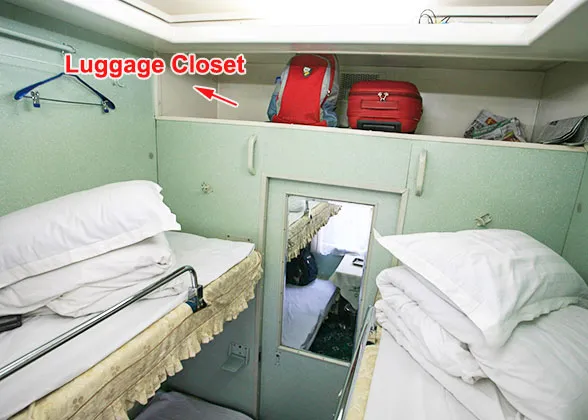
Comfort and Bedding
The primary difference between a soft sleeper and a hard sleeper on China trains lies in comfort and bedding quality. A soft sleeper offers more luxurious accommodations, while a hard sleeper is more basic.
- Soft sleeper compartments have thicker mattresses, often with padded bedding and individual reading lights.
- Hard sleeper berths feature firm mattresses with minimal cushioning, resembling a padded bench.
- Soft sleepers usually provide cleaner linens and extra blankets, while hard sleepers may have simpler, less plush bedding.
Compartment Privacy
Privacy is another key distinction between the two classes, with soft sleepers offering a more secluded experience.
- Soft sleepers are enclosed in locked compartments with 4 berths (sometimes 2 in deluxe versions).
- Hard sleepers are open-plan with 6 berths per section (upper, middle, lower) and no doors.
- Soft sleepers often include curtains or partitions, whereas hard sleepers are exposed to aisle noise and movement.
Space and Layout
The layout and available space vary significantly between soft and hard sleepers.
- Soft sleeper compartments have wider berths and space for luggage under the beds.
- Hard sleeper berths are narrower, with limited storage (often overhead racks).
- Soft sleepers may include a small table or fold-down seats, while hard sleepers rely on shared hallway seating.
Price and Accessibility
Cost and availability differ greatly between the two options.
- Soft sleepers are more expensive, sometimes double the price of hard sleepers.
- Hard sleepers are more budget-friendly and widely available on most long-distance trains.
- Soft sleepers sell out faster due to limited compartments, while hard sleepers are easier to book last-minute.
Amenities and Services
The level of amenities provided differs between the two classes.
- Soft sleepers may include power outlets, individual climate controls, and sometimes complimentary water.
- Hard sleepers have shared amenities, like communal charging stations and basic restrooms.
- Soft sleepers occasionally offer meal service, while hard sleepers require passengers to visit the dining car.
Do Chinese sleeper trains have WiFi?
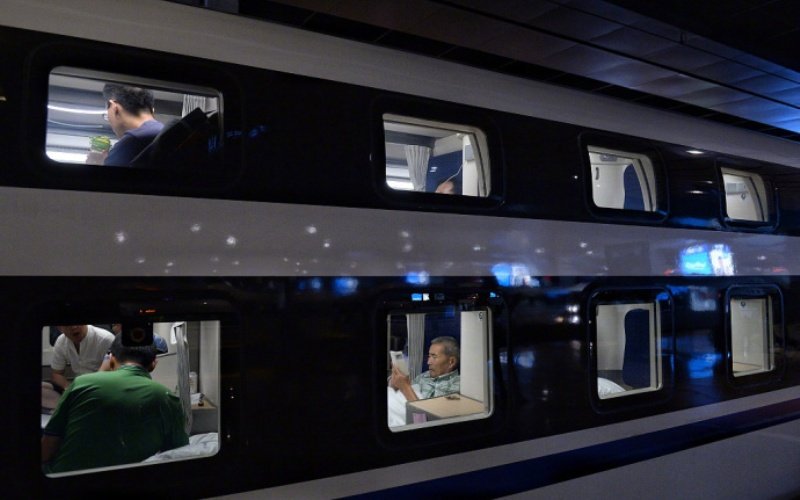
Do Chinese Sleeper Trains Offer WiFi Services?
Most Chinese sleeper trains do not currently provide WiFi services. While high-speed rail (HSR) services in China often include WiFi, traditional sleeper trains lag behind in this aspect due to older infrastructure. However, some newer or upgraded sleeper trains may offer limited connectivity.
- Older models of sleeper trains rarely have WiFi due to outdated technology.
- Newer sleeper carriages on select routes may include WiFi, but coverage can be inconsistent.
- Passengers are advised to use mobile data as a more reliable alternative.
What Are the Alternatives to WiFi on Chinese Sleeper Trains?
Since WiFi is often unavailable, passengers rely on other methods to stay connected. Mobile data networks, such as 4G/5G, are widely accessible across China, even on moving trains.
- Local SIM cards with data plans provide stable internet access.
- Portable WiFi devices (MiFi) are a convenient option for travelers.
- Downloading content offline before the journey ensures entertainment without connectivity.
Which Chinese Sleeper Train Routes Might Have WiFi?
A few premium or recently upgraded sleeper train routes may offer WiFi, particularly those connecting major cities like Beijing, Shanghai, or Guangzhou.
- High-end sleeper trains (e.g., soft sleeper cabins) are more likely to include WiFi.
- Routes operated by newer rolling stock may feature limited connectivity.
- Checking with China Railway before booking can confirm WiFi availability.
How Reliable Is WiFi on Chinese Sleeper Trains?
Even when available, WiFi on sleeper trains is often slow or unstable due to signal challenges in moving vehicles and high passenger usage.
- Bandwidth limitations make streaming or large downloads difficult.
- Connection may drop frequently in tunnels or remote areas.
- Premium cabins might offer slightly better speeds, but reliability remains inconsistent.
Will Chinese Sleeper Trains Get WiFi in the Future?
China is continuously upgrading its rail network, and WiFi may become more common on sleeper trains in the coming years.
- Government initiatives aim to modernize older train models.
- 5G expansion could improve onboard internet services.
- Passenger demand for connectivity may drive further investments in train WiFi.
Frequently Asked Questions (FAQ)
What are the main types of Chinese sleeper trains?
Chinese sleeper trains come in several classes, each offering different levels of comfort and privacy. Hard sleeper is the most economical option, featuring open compartments with six bunks (upper, middle, and lower). Soft sleeper provides more privacy with four bunks in a closed compartment, often preferred for longer journeys. Some trains also offer deluxe soft sleepers with two bunks and additional amenities. For budget-conscious travelers, seated carriages are available, but they are less comfortable for overnight trips.
How do I book a ticket for a Chinese sleeper train?
Booking a ticket for a Chinese sleeper train can be done through multiple channels. Online platforms like 12306.cn (the official railway website) or third-party services such as Trip.com are popular options. Ticket offices at train stations also sell tickets, but language barriers may be a challenge. It's advisable to book in advance, especially during peak travel seasons, as sleeper berths sell out quickly. Foreign travelers will need their passport to purchase tickets.
What should I pack for an overnight sleeper train in China?
Packing wisely can make your sleeper train journey much more comfortable. Essential items include earplugs and an eye mask to block noise and light, as trains can be noisy and brightly lit. Bring slippers for walking around the train and layered clothing, as temperatures can vary. Snacks and a refillable water bottle are recommended, as food options may be limited. Don’t forget toiletries, as amenities on board are basic.
Are Chinese sleeper trains safe for solo travelers?
Chinese sleeper trains are generally considered safe for solo travelers, including women. However, taking precautions is always wise. Keep valuables secure, preferably in a money belt or locked luggage. Lower bunks are more accessible and may feel safer, but upper bunks offer more privacy. Train staff and police patrol regularly, and CCTV cameras are common. Trust your instincts and avoid sharing too much personal information with strangers.
Leave a Reply
Related Posts