
Chinese Labour Corps: The Forgotten 100,000 Who Fought Alongside Britain in WWI

During World War I, while the Western Front dominated headlines, a lesser-known force played a crucial role in supporting the Allied effort: the Chinese Labour Corps (CLC). Over 100,000 Chinese men were recruited by Britain and France to perform vital logistical work—digging trenches, repairing roads, and transporting supplies—under harsh and dangerous conditions. Despite their immense contributions, their story has been largely overlooked in historical narratives. These laborers endured immense hardships, with many losing their lives far from home. As we reflect on the centenary of the Great War, it is time to honor the sacrifices of the CLC and acknowledge their indispensable role in shaping the outcome of the conflict.
- The Chinese Labour Corps: Unsung Heroes of World War I
- What did the Chinese Labour Corps do in ww1?
- What did the Labour Corps do in WW1?
- What side did China fight for in WW1?
- How many Chinese labourers died in ww1?
-
Frequently Asked Questions (FAQ)
- Who were the Chinese Labour Corps and what role did they play in WWI?
- Why is the Chinese Labour Corps often referred to as the Forgotten 100,000?
- What were the living and working conditions like for the Chinese Labour Corps?
- How has the legacy of the Chinese Labour Corps been recognized in recent years?
The Chinese Labour Corps: Unsung Heroes of World War I
Detailed Explanation:
The Chinese Labour Corps (CLC) was a vital yet often overlooked force during World War I, comprising around 140,000 Chinese workers who supported the British Army and its allies. Despite their immense contributions—including logistics, trench digging, and munitions transport—their role has been largely forgotten in mainstream historical narratives. Recruited primarily from rural China, these men endured harsh conditions, discrimination, and danger on the Western Front. Their efforts were crucial in sustaining the Allied war effort, yet they received little recognition post-war. This section explores their untold sacrifices and the reasons behind their historical obscurity.
---
See AlsoDo People in China Celebrate Christmas?Who Were the Chinese Labour Corps?
Detailed Explanation:
The Chinese Labour Corps consisted of manual laborers recruited from Shandong, Hebei, and other provinces under agreements between China and the Allied powers. Though officially non-combatants, they performed dangerous tasks near frontlines, such as building roads, repairing tanks, and recovering bodies. Many were illiterate farmers, lured by promises of steady pay, but faced exploitation and brutal working conditions. Their contracts forbade them from fighting, yet their work was indispensable to the British and French armies.
Relevant Table:
| Key Aspect | Details |
|---|---|
| Origin | Recruited from rural China (1916–1918) |
| Role | Logistics, construction, munitions transport |
| Numbers | ~140,000 workers (96,000 with Britain) |
---
See AlsoKFC’s Newest Colonel is a Virtual Influencer: China’s Newest Marketing TrendWhy Were They Forgotten?
Detailed Explanation:
The CLC's erasure from history stems from racial prejudice, geopolitical tensions, and the Allies' postwar priorities. After the war, Western nations downplayed their contributions, while China's internal conflicts overshadowed their legacy. Memorials were rare, and many workers were repatriated without recognition. The 1919 Treaty of Versailles further ignored China's wartime role, fueling resentment and burying the CLC's story.
Relevant Table:
| Factor | Impact |
|---|---|
| Racial Bias | European narratives excluded non-white contributions |
| Political Neglect | Versailles Treaty ignored China's demands |
---
See AlsoChina’s ’38 Yuan Large Prawn’ Scandal Leaves Sour TasteLife in the Labour Corps: Hardships and Sacrifices
Detailed Explanation:
CLC members faced extreme weather, disease, and enemy fire. They worked 10-hour shifts, lived in segregated camps, and were punished for minor infractions. Over 20,000 died from shelling, influenza, or exhaustion. Despite this, their discipline and resilience earned reluctant praise from British officers.
Relevant Table:
| Challenge | Consequence |
|---|---|
| Work Conditions | Heavy labor under artillery fire |
| Health Risks | High mortality from disease and wounds |
---
Contributions to the Allied Victory
Detailed Explanation:
The CLC's work freed Allied soldiers for combat, maintained supply lines, and rebuilt infrastructure. They unloaded 12 million tons of supplies and dug thousands of miles of trenches. Their efforts were pivotal during key battles like the Somme and Passchendaele.
Relevant Table:
| Task | Impact |
|---|---|
| Trench Digging | Enabled troop movements and defenses |
| Munitions Transport | Kept frontlines supplied under fire |
---
Legacy and Modern Recognition
Detailed Explanation:
Recent efforts have sought to honor the CLC, including memorials in London and France. Scholars and descendants are reviving their stories, highlighting their global impact. In 2017, the UK awarded posthumous medals to CLC members, a small but symbolic step toward justice.
Relevant Table:
| Initiative | Significance |
|---|---|
| Memorials | Plaques in Liverpool, Paris, and Beijing |
| Medals | 2017 UK commemorative awards |
What did the Chinese Labour Corps do in ww1?
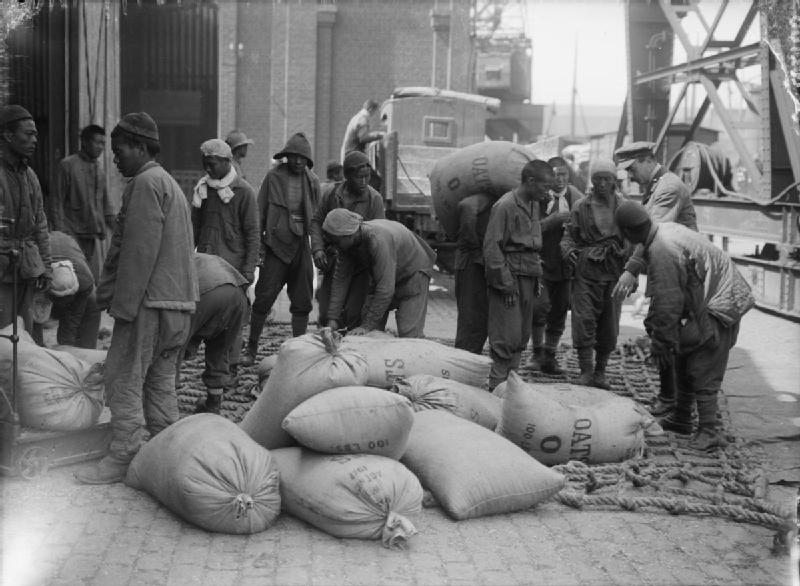
Role of the Chinese Labour Corps in WW1
The Chinese Labour Corps (CLC) played a crucial but often overlooked role in World War I. Recruited by the British and French governments, over 140,000 Chinese laborers were sent to the Western Front to support Allied forces. Their primary tasks included:
- Manual labor: Digging trenches, building roads, and repairing infrastructure.
- Logistical support: Transporting ammunition, supplies, and wounded soldiers.
- Maintenance work: Clearing battlefields and constructing camps.
Recruitment and Conditions of the Chinese Labour Corps
The recruitment process for the CLC was extensive, with most laborers coming from rural China. They signed three-year contracts and faced harsh conditions:
- Long hours: Often working 10-12 hours daily in dangerous environments.
- Poor living conditions: Crowded barracks with limited sanitation.
- Discrimination: Lower pay and fewer rights compared to European workers.
Contributions to the Allied War Effort
The CLC significantly boosted the Allied war effort by performing essential tasks that freed soldiers for combat. Key contributions included:
- Building infrastructure: Railways, docks, and hospitals behind the front lines.
- Salvaging equipment: Recovering weapons and materials from no man's land.
- Supporting logistics: Ensuring smooth supply chains for troops.
Challenges Faced by the Chinese Labour Corps
Despite their contributions, the CLC encountered numerous hardships during their service:
- Dangerous work: Exposure to artillery fire, gas attacks, and disease.
- Language barriers: Difficulty communicating with Allied officers.
- Post-war neglect: Many were repatriated without recognition or benefits.
Legacy of the Chinese Labour Corps
The CLC's legacy has gained more attention in recent years, highlighting their vital role in WWI. Important aspects include:
- Historical recognition: Memorials and studies acknowledging their sacrifices.
- Cultural impact: Stories of their resilience passed down in Chinese communities.
- Diplomatic significance: Their service influenced China's position post-war.
What did the Labour Corps do in WW1?

Formation and Purpose of the Labour Corps
The Labour Corps was established in 1917 to address the critical shortage of manpower on the Western Front during World War I. Its primary role was to provide essential non-combat support to the British Army, freeing up soldiers for frontline duties. The Corps consisted of men deemed unfit for active combat due to age, health, or other reasons, as well as volunteers from the British Empire.
- Created to handle logistical and labor-intensive tasks behind the lines.
- Comprised of British, colonial, and foreign workers, including Chinese and Egyptian laborers.
- Allowed combat troops to focus on fighting rather than manual labor.
Roles and Responsibilities of the Labour Corps
The Labour Corps performed a wide range of duties critical to the war effort, including construction, transportation, and maintenance. They worked in harsh conditions, often under enemy fire, to ensure the smooth operation of military infrastructure.
- Built and repaired roads, railways, and trenches.
- Handled ammunition and supply transport to the front lines.
- Assisted in burial details and battlefield clearance.
Composition and Recruitment
The Corps was a diverse group, drawing manpower from various sources, including British civilians, prisoners of war, and foreign laborers. Many recruits were from India, South Africa, and the Caribbean, reflecting the global nature of the conflict.
- Included older men and those with medical exemptions from combat.
- Recruited Chinese and Egyptian workers under labor contracts.
- Some German POWs were also utilized for labor tasks.
Challenges Faced by the Labour Corps
Despite their non-combat status, members of the Labour Corps faced significant dangers, including artillery attacks, disease, and exhaustion. Their contributions were often overlooked, though their work was vital to the war effort.
- Exposed to hazardous working conditions near the front lines.
- Suffered from poor medical care and inadequate rations.
- High casualty rates due to enemy fire and illness.
Legacy of the Labour Corps
The Labour Corps played a crucial but often unrecognized role in World War I. Their efforts ensured that combat troops had the necessary supplies and infrastructure to continue fighting, contributing significantly to the Allied victory.
- Paved the way for modern military logistics units.
- Highlighted the importance of non-combat support roles in warfare.
- Memorials now acknowledge their sacrifices and contributions.
What side did China fight for in WW1?

China's Role in World War I
During World War I, China initially declared neutrality but later joined the Allied Powers in 1917. The decision was influenced by several factors, including pressure from Western nations and Japan, as well as China's desire to regain control over territories occupied by Germany, such as Shandong Province. Although China did not send combat troops to the Western Front, it contributed significantly in other ways:
- Labor Corps: Over 140,000 Chinese laborers were sent to Europe to support Allied logistics.
- Economic Support: China provided raw materials and financial aid to the Allies.
- Diplomatic Pressure: Joining the Allies was a strategic move to gain international recognition and reclaim lost territories.
Why Did China Join the Allied Powers?
China's alignment with the Allied Powers was driven by both geopolitical and economic motivations. Key reasons include:
- German Occupation: Germany controlled parts of Shandong, which China sought to reclaim.
- Japanese Influence: Japan, an Allied Power, pressured China to join its side.
- International Recognition: China aimed to strengthen its position in post-war negotiations.
The Chinese Labor Corps in WWI
The Chinese Labor Corps (CLC) played a crucial role in supporting the Allies behind the front lines. Their contributions included:
- Logistical Work: Building trenches, repairing roads, and unloading supplies.
- High Casualties: Many laborers died due to harsh conditions and enemy attacks.
- Post-War Impact: Their efforts were largely unrecognized until recent years.
Shandong Province and Its Importance
The Shandong Peninsula was a focal point of China's involvement in WWI due to:
- German Colonial Rule: Germany had leased Jiaozhou Bay since 1898.
- Japanese Takeover: Japan seized Shandong from Germany in 1914, complicating China's post-war claims.
- Versailles Treaty: China's failure to regain Shandong led to public outrage and the May Fourth Movement.
China's Diplomatic Struggles After WWI
Despite contributing to the Allied victory, China faced significant setbacks in post-war negotiations:
- Versailles Betrayal: The Allies transferred German concessions in Shandong to Japan.
- Nationalist Backlash: The decision sparked protests and fueled anti-imperialist sentiment.
- Long-Term Consequences: The episode weakened trust in Western powers and influenced China's future foreign policy.
How many Chinese labourers died in ww1?

Estimated Number of Chinese Labourers Who Died in WW1
During World War I, approximately 140,000 Chinese labourers were recruited by the British and French governments to support Allied forces. Historical records suggest that around 20,000 Chinese labourers died due to harsh working conditions, disease, and enemy attacks. Many perished from illnesses like the Spanish flu, while others were killed in bombings or accidents.
- 20,000 deaths is the most widely accepted estimate.
- Many died from disease outbreaks, particularly influenza.
- Some fatalities occurred due to direct combat exposure.
Roles and Conditions of Chinese Labourers in WW1
The Chinese Labour Corps (CLC) performed critical non-combat roles, including digging trenches, repairing infrastructure, and transporting supplies. They faced extreme conditions, such as freezing winters, malnutrition, and lack of medical care, contributing to high mortality rates.
- Worked in dangerous zones near the front lines.
- Suffered from poor living conditions and inadequate food.
- Received minimal recognition for their contributions.
Causes of Death Among Chinese Labourers
The primary causes of death included disease, exhaustion, and wartime hazards. The Spanish flu pandemic (1918-1919) was particularly devastating, as crowded camps facilitated rapid spread.
- Influenza claimed thousands of lives.
- Artillery shelling caused accidental deaths.
- Malnutrition and fatigue weakened immune systems.
Burial and Memorials for Fallen Chinese Labourers
Many deceased labourers were buried in unmarked graves or cemeteries in France and Belgium. In recent years, efforts have been made to honor their memory with memorials and research projects.
- Common graves were often used due to high casualties.
- Modern memorials exist in Europe and China.
- Historical societies work to preserve their legacy.
Impact of Chinese Labourers on WW1 Outcomes
Despite their non-combat status, Chinese labourers played a vital role in maintaining Allied logistics. Their efforts freed soldiers for frontline duty and helped sustain war operations.
- Enabled Allied forces to focus on combat.
- Contributed to infrastructure repair under fire.
- Their sacrifices remain understudied in mainstream history.
Frequently Asked Questions (FAQ)
Who were the Chinese Labour Corps and what role did they play in WWI?
The Chinese Labour Corps (CLC) was a group of approximately 100,000 Chinese workers recruited by the British government during World War I. These men were not soldiers but performed critical support roles, such as digging trenches, repairing roads, and transporting supplies to the front lines. Despite their non-combat status, their work was essential to the Allied war effort, enabling troops to focus on fighting while the CLC handled logistics and manual labor. Many faced harsh conditions, including extreme weather, disease, and enemy fire, yet their contributions were largely overlooked in historical narratives.
Why is the Chinese Labour Corps often referred to as the Forgotten 100,000?
The term Forgotten 100,000 highlights how the sacrifices and contributions of the Chinese Labour Corps were neglected in post-war commemorations. Unlike soldiers from Western nations, the CLC received little recognition, and their stories were omitted from mainstream histories of WWI. This erasure was due to a combination of racial prejudice, geopolitical tensions, and the fact that they were laborers rather than combatants. Recent efforts by historians and descendants have sought to restore their legacy, but their absence from memorials and textbooks remains a glaring oversight.
What were the living and working conditions like for the Chinese Labour Corps?
The living and working conditions for the CLC were extremely challenging. Many were housed in overcrowded, unsanitary camps near the front lines, where they faced constant danger from artillery fire and air raids. Their work was physically demanding, often involving long hours digging trenches, building railways, or clearing battlefields. Disease, particularly the 1918 Spanish flu pandemic, claimed many lives, and medical care was often inadequate. Despite these hardships, the CLC displayed remarkable resilience, with some even earning medals for bravery under fire.
How has the legacy of the Chinese Labour Corps been recognized in recent years?
In recent years, there has been a growing movement to acknowledge and honor the Chinese Labour Corps. Memorials have been erected in the UK and France, and documentaries, books, and exhibitions have helped raise awareness of their role. In 2017, the UK hosted a centenary commemoration to mark their service, and educational initiatives now include their stories in WWI curricula. However, advocates argue that more must be done to ensure their sacrifices are fully integrated into the historical record and that their descendants receive the recognition they deserve.
Leave a Reply
Related Posts