
Being Gay In China -What’s It Really Like? The Truth, Revealed

Being gay in China is a complex and evolving experience, shaped by deep-rooted cultural traditions, modern influences, and shifting legal landscapes. While urban areas like Shanghai and Beijing see growing LGBTQ+ visibility, many individuals still face societal pressure, familial expectations, and discrimination in quieter regions. The government’s stance remains ambiguous—same-sex relationships are not criminalized, but activism is tightly controlled. This article delves into the realities of life as a gay person in China, exploring personal stories, societal attitudes, and the delicate balance between progress and tradition. From secret dating apps to underground pride events, discover the unspoken truths of queer existence in the world’s most populous nation.
Being Gay in China: The Reality Behind the Silence
Detailed Explanation:
China’s LGBTQ+ community faces a complex reality shaped by cultural traditions, legal ambiguity, and social stigma. While homosexuality was decriminalized in 1997 and removed from the list of mental illnesses in 2001, same-sex marriage remains unrecognized. Many LGBTQ+ individuals navigate family pressure to conform to heterosexual norms, leading to marriages of convenience or hidden identities. Urban areas like Shanghai and Beijing have more visible queer spaces, but discrimination persists in workplaces and healthcare. The government censors LGBTQ+ content, yet grassroots activism and digital communities provide discreet support.
The Legal Status of Homosexuality in China
Legal Status:
Homosexuality is not illegal, but same-sex unions lack legal recognition. Censorship laws restrict LGBTQ+ advocacy in media, and authorities often shut down pride events. While no explicit anti-discrimination laws exist, some courts have ruled in favor of LGBTQ+ workplace rights.
| Aspect | Status |
|---|---|
| Same-Sex Marriage | Not recognized |
| Anti-Discrimination Laws | None nationwide |
| Media Censorship | Strict (LGBTQ+ content often banned) |
Social Perceptions:
Confucian values emphasize family lineage, pressuring gay men to marry women. Younger generations are more accepting, but coming out risks alienation. Surveys show urban youth are 2–3x more supportive than rural populations.
| Group | Attitude |
|---|---|
| Urban Youth | Moderate acceptance |
| Rural Communities | Conservative |
| Elderly | Strong disapproval |
Challenges in the Workplace
Employment Discrimination:
No laws protect against LGBTQ+ workplace bias. Many hide their identity to avoid career setbacks. Some multinational companies offer inclusive policies, but local firms rarely follow.
| Issue | Impact |
|---|---|
| Hiring Bias | Common for closeted applicants |
| Promotions | Limited for out employees |
LGBTQ+ Spaces and Community Support
Safe Havens:
Major cities host underground gay bars and NGOs, but raids occur. Apps like Blued connect the community discreetly. Activism exists but is tightly controlled.
| Resource | Availability |
|---|---|
| Pride Events | Banned or shut down |
| Online Communities | Active but monitored |
Mental Health Struggles
Psychological Toll:
High rates of depression and anxiety due to societal rejection. Limited access to LGBTQ+-friendly therapists. Hotlines and NGOs provide critical, albeit scarce, support.
| Issue | Prevalence |
|---|---|
| Depression | 30-40% among gay men |
| Suicide Risk | 5x higher than heterosexual peers |
Why do most gay men in China eventually choose to marry a woman?
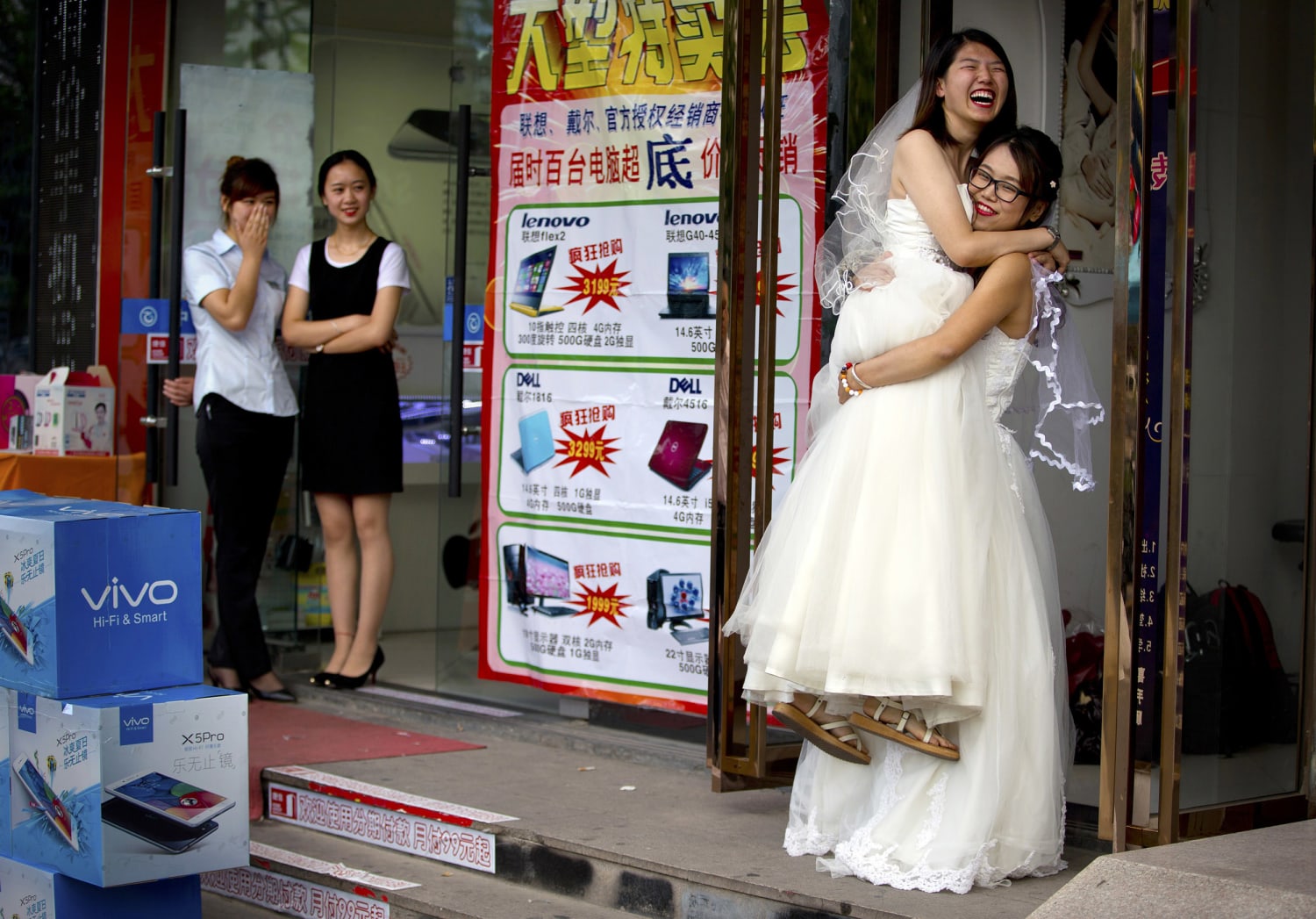
In China, family expectations and filial piety play a significant role in personal decisions. Many gay men marry women due to intense pressure from parents and relatives to conform to traditional norms. The cultural emphasis on continuing the family lineage further reinforces this expectation.
See AlsoWhat’s your next step to master Chinese?- Parents often demand heterosexual marriages to maintain social standing and avoid gossip.
- Filial duty compels many to prioritize family harmony over personal happiness.
- Lack of acceptance in rural areas makes secrecy a common survival strategy.
Legal and Institutional Barriers
China does not legally recognize same-sex marriage, leaving gay men with limited options. The absence of legal protections or societal recognition pushes many toward heterosexual unions for practical benefits like inheritance, healthcare, and child-rearing rights.
- No legal framework exists for same-sex couples to adopt or share assets.
- Discrimination in workplaces may deter open LGBTQ+ identities.
- Marriage benefits (e.g., housing loans) are only accessible to heterosexual couples.
Stigma and Fear of Discrimination
Homophobia remains widespread in Chinese society, leading many gay men to hide their sexuality. Fear of social ostracization, professional repercussions, or even violence drives them into marriages of convenience.
- Workplace discrimination can result in job loss or stalled careers.
- Public shaming or alienation from communities is a common fear.
- Lack of LGBTQ+ education perpetuates misunderstandings and prejudice.
Limited Visibility and Support Networks
Despite growing urban LGBTQ+ communities, many gay men in China lack access to supportive networks. Without role models or advocacy groups, they may see marriage as the only viable path.
See AlsoLearning to read handwritten Chinese- Censorship limits LGBTQ+ representation in media and education.
- Few mental health resources are available for those struggling with identity.
- Geographic isolation in smaller towns reduces exposure to accepting communities.
Economic and Practical Considerations
Marriage in China is often tied to economic stability and social mobility. For some gay men, marrying a woman provides financial security or fulfills societal expectations tied to property ownership and child-rearing.
- Joint finances and shared property are easier to manage in heterosexual marriages.
- Childbearing is seen as a duty to secure parental care in old age.
- Tax incentives and government policies favor married couples.
Frequently Asked Questions (FAQ)
Is being gay accepted in China?
Acceptance of homosexuality in China varies widely depending on factors like location, generation, and personal beliefs. In major cities like Shanghai, Beijing, and Guangzhou, LGBTQ+ communities are more visible, and younger generations tend to be more open-minded. However, in rural areas and among older populations, traditional values often prevail, leading to stigma or silence around gay identities. While same-sex relationships are not illegal, there is no legal recognition of same-sex marriage, and public discourse remains limited.
What are the biggest challenges for LGBTQ+ people in China?
The primary challenges include social pressure to conform to heterosexual norms, family expectations to marry and have children, and a lack of legal protections against discrimination. Many gay individuals face forced marriages to the opposite sex due to filial duty. Additionally, while censorship laws have relaxed slightly, LGBTQ+ content is still heavily regulated in media, limiting visibility and representation. Mental health struggles, such as anxiety and depression, are also common due to societal isolation.
Are there LGBTQ+ support networks or communities in China?
Yes, underground communities and online platforms play a crucial role in providing support. Apps like Blued (a gay dating app) and WeChat groups connect LGBTQ+ individuals discreetly. In larger cities, NGOs and advocacy groups, such as Beijing LGBT Center, offer resources, counseling, and safe spaces. However, these organizations often operate under scrutiny, and events like Pride parades are rare or face sudden cancellations due to government restrictions.
How does the Chinese government view homosexuality?
The government maintains an ambiguous stance: homosexuality is not criminalized, but it is not actively supported either. Authorities censor LGBTQ+ content in media under vague morality laws, and public advocacy is often suppressed. While some progress has been made—such as the removal of homosexuality from the list of mental illnesses in 2001—the lack of anti-discrimination laws and marriage equality reflects a broader reluctance to address LGBTQ+ rights systematically.
Leave a Reply
Related Posts