
Preparing for rainy days and dealing with slumps

Life is full of unpredictable twists, and financial or emotional slumps can catch anyone off guard. Whether facing a sudden job loss, an unexpected expense, or a period of low motivation, being prepared can make all the difference. Building a safety net—both financially and mentally—helps navigate these challenges with resilience. From saving strategies to cultivating a positive mindset, proactive steps today can ease tomorrow’s burdens. This article explores practical ways to prepare for rainy days, manage setbacks, and bounce back stronger. By adopting the right habits and perspectives, you can turn adversity into opportunity and emerge more confident in handling life’s inevitable downturns.
How to Prepare for Rainy Days and Overcome Financial Slumps
1. Building an Emergency Fund
An emergency fund is a financial cushion that helps you handle unexpected expenses like medical bills or job loss. Experts recommend saving 3-6 months' worth of living expenses. Start small by setting aside a fixed percentage of your income each month. Automating savings can make this process easier.
| Strategy | Action |
|---|---|
| Set a savings goal | Calculate monthly expenses × 6 |
| Automate transfers | Direct deposit into a separate account |
| Reduce non-essentials | Cut subscriptions or dining out |
2. Diversifying Income Streams
Relying on a single income source is risky. Diversification through side hustles, investments, or passive income can provide stability during slumps. Consider freelancing, rental properties, or dividend-paying stocks to create multiple revenue streams.
See AlsoIs your flashcard deck too big for your own good?| Income Source | Potential Earnings |
|---|---|
| Freelance work | $500-$5,000/month |
| Dividend stocks | 3-6% annual yield |
| Online courses | Passive residual income |
3. Debt Management Strategies
High-interest debt worsens financial slumps. Prioritize paying off credit cards and loans using methods like the avalanche (highest interest first) or snowball (smallest balance first) approach. Negotiate lower rates or consolidate debt if necessary.
| Method | Advantage |
|---|---|
| Avalanche | Saves more on interest |
| Snowball | Quick psychological wins |
| Consolidation | Simplifies payments |
4. Developing Marketable Skills
During economic downturns, upgrading skills increases employability. Focus on in-demand abilities like digital marketing, coding, or project management. Online platforms (Coursera, Udemy) offer affordable certifications to stay competitive.
| Skill | Industry Demand |
|---|---|
| Data Analysis | High across sectors |
| Cloud Computing | Growing 20% annually |
| Content Creation | Essential for marketing |
5. Psychological Resilience Techniques
Financial stress impacts mental health. Practice mindfulness, set realistic goals, and maintain a support network. Cognitive behavioral techniques can help reframe negative thoughts during slumps.
See AlsoLearn Chinese While Working Full Time Is It Possible?| Technique | Benefit |
|---|---|
| Daily gratitude journal | Reduces anxiety |
| 5-4-3-2-1 grounding | Manages panic attacks |
| Professional counseling | Long-term coping strategies |
How to increase serotonin on rainy days?

Engage in Physical Activity Indoors
Rainy days can limit outdoor exercise, but staying active indoors can still boost serotonin levels. Physical activity stimulates the release of this mood-enhancing neurotransmitter. Here are some effective indoor activities:
- Yoga or stretching: Gentle movements can reduce stress and promote relaxation.
- Home workouts: Bodyweight exercises or resistance training elevate endorphins and serotonin.
- Dancing: Moving to music is a fun way to increase energy and improve mood.
Optimize Your Diet for Serotonin Production
Certain foods help the body produce more serotonin by providing essential nutrients like tryptophan, vitamins, and minerals. Incorporate these into your meals:
See AlsoWill a Chinese-only rule improve your learning?- Complex carbohydrates: Whole grains, oats, and sweet potatoes stabilize blood sugar and aid serotonin synthesis.
- Protein-rich foods: Eggs, turkey, and tofu contain tryptophan, a serotonin precursor.
- Dark chocolate: Contains compounds that may enhance serotonin and improve mood.
Maximize Natural Light Exposure
Rainy days often mean less sunlight, which can lower serotonin levels. Counteract this by:
- Sitting near windows: Even indirect light helps regulate serotonin production.
- Using light therapy lamps: These mimic sunlight and can improve mood.
- Opening curtains wide: Allow as much natural light as possible into your space.
Practice Mindfulness and Relaxation Techniques
Stress reduction is key to maintaining healthy serotonin levels. Try these calming practices:
- Meditation: Lowers cortisol and supports serotonin balance.
- Deep breathing exercises: Activates the parasympathetic nervous system, promoting relaxation.
- Journaling: Writing down thoughts can alleviate stress and improve emotional well-being.
Listen to Uplifting Music or Podcasts
Sound therapy can influence serotonin and dopamine levels. Create a positive auditory environment with:
See AlsoDuolingo French: A Comprehensive Guide to Learning with the Popular App- Upbeat music: Stimulates the brain's reward system and elevates mood.
- Nature sounds: Rainforest or ocean recordings can induce calmness.
- Motivational podcasts: Encouraging content fosters a sense of purpose and happiness.
How to prepare for a rainy day?
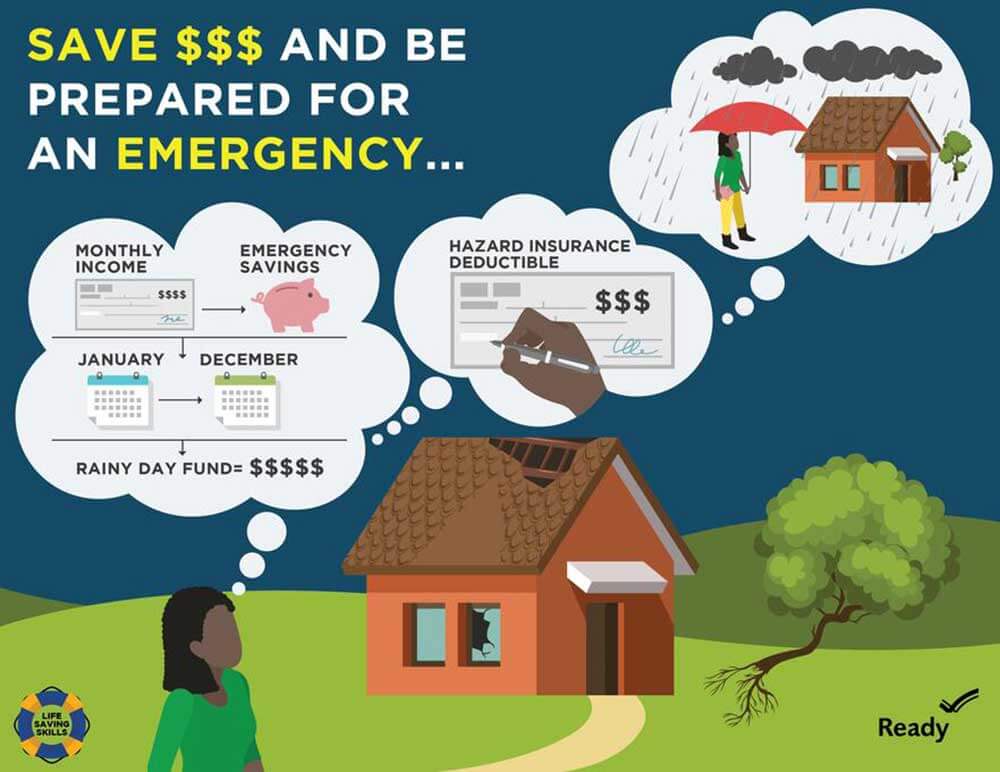
Building an Emergency Fund
Preparing for a rainy day starts with creating a financial safety net. An emergency fund ensures you can cover unexpected expenses without stress. Here’s how to build one:
- Set a savings goal: Aim for 3–6 months of living expenses.
- Automate contributions: Transfer a fixed amount to savings each paycheck.
- Reduce unnecessary spending: Cut back on non-essential purchases to boost savings.
Stocking Essential Supplies
Having essential supplies on hand is crucial for weathering emergencies. Focus on items that sustain you during disruptions:
See AlsoBest Chinese Movies to Learn Chinese- Non-perishable food: Stock canned goods, rice, and pasta.
- Water storage: Keep at least one gallon per person per day for three days.
- Basic first-aid kit: Include bandages, medications, and antiseptics.
Securing Your Home
A well-prepared home minimizes risks during storms or power outages. Take these steps to fortify your living space:
- Inspect roofing and gutters: Repair leaks to prevent water damage.
- Install surge protectors: Safeguard electronics from power surges.
- Trim nearby trees: Remove weak branches that could fall during heavy winds.
Creating a Backup Power Plan
Power outages are common during severe weather. Ensure you have alternative energy sources:
- Invest in a generator: Choose between portable or standby models.
- Keep flashlights and batteries: Store them in accessible locations.
- Charge power banks: Have backups for phones and small devices.
Developing a Communication Strategy
Staying connected during emergencies is vital. Establish a communication plan with family or roommates:
- Share emergency contacts: Save numbers for local authorities and relatives.
- Designate a meeting spot: Choose a safe location if separation occurs.
- Use battery-powered radios: Stay updated if cellular networks fail.
How do you get rid of boredom on a rainy day?
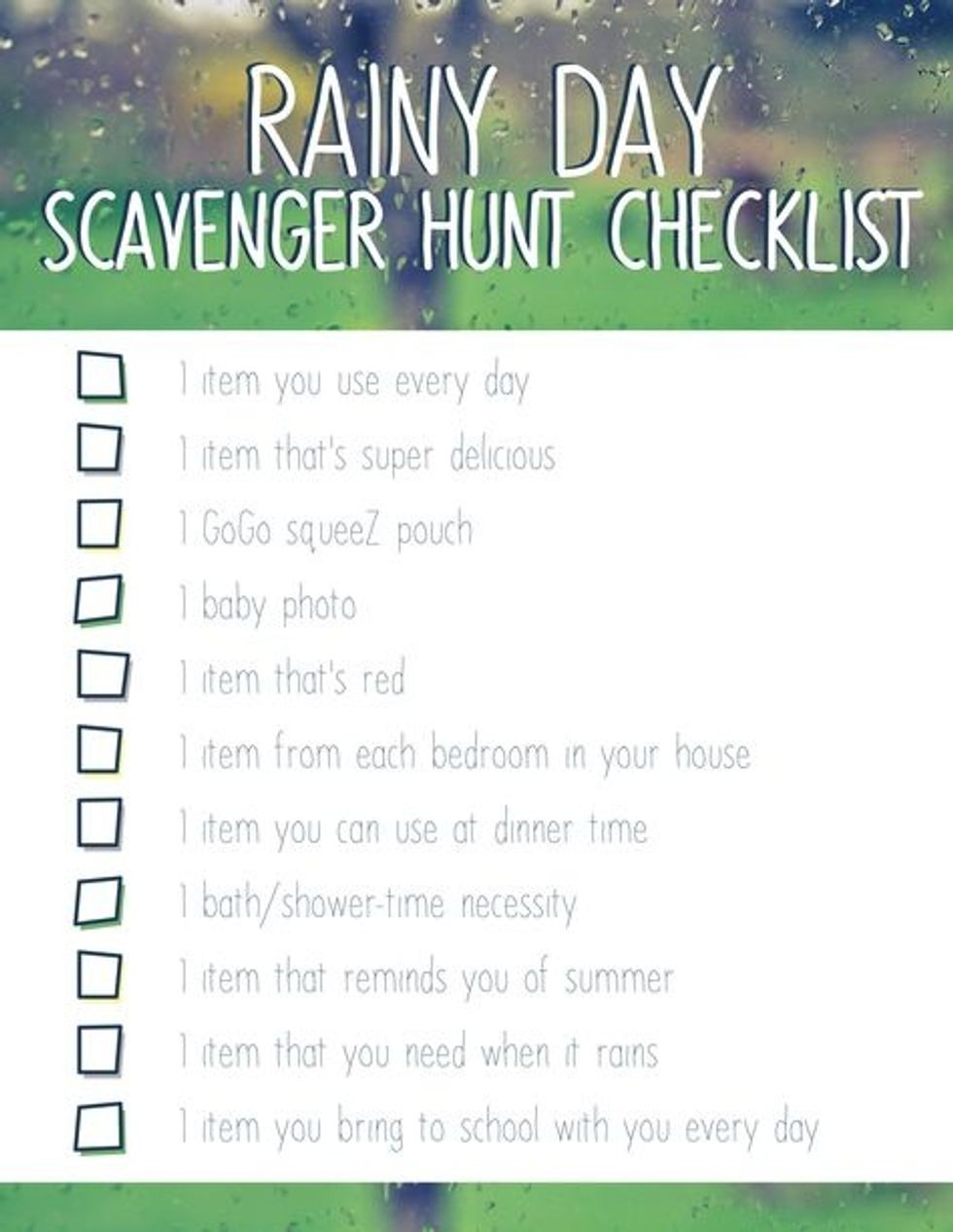
Indoor Activities to Beat Boredom
Rainy days are perfect for engaging in indoor activities that keep you entertained. Here are some ideas:
- Read a book or start a new series to immerse yourself in a different world.
- Try cooking or baking a new recipe to challenge your culinary skills.
- Organize your space—decluttering can be surprisingly satisfying and productive.
Creative Projects to Spark Inspiration
Use the time indoors to explore your creative side with these projects:
- Paint or draw—even if you're not an artist, experimenting with colors can be fun.
- Write a story or journal to express your thoughts or create fictional worlds.
- Craft DIY decorations or upcycle old items into something new.
Fun Games and Entertainment
Rainy days are ideal for games and entertainment to pass the time:
- Play board games or puzzles with family or friends for some friendly competition.
- Watch movies or binge-watch a series—create a cozy atmosphere with blankets and snacks.
- Try video games—whether solo or online, gaming can be a great escape.
Learning Something New
Turn boredom into an opportunity to learn a new skill:
- Take an online course on a topic you’ve always been curious about.
- Learn a musical instrument—even basic tutorials can be rewarding.
- Practice a new language using apps or videos to expand your knowledge.
Relaxation and Self-Care
Rainy days are perfect for relaxation and self-care:
- Meditate or do yoga to unwind and recharge your mind.
- Take a long bath with soothing music or a podcast in the background.
- Pamper yourself with a skincare routine or a DIY spa day at home.
Frequently Asked Questions (FAQ)
How can I financially prepare for unexpected rainy days?
Financial preparedness is crucial when dealing with unexpected challenges like job loss or emergencies. Start by building an emergency fund that covers at least 3–6 months of living expenses. Cut unnecessary expenses and prioritize saving a portion of your income each month. Additionally, consider diversifying your income streams through side hustles or passive income sources to create a safety net. Review your insurance policies to ensure you're covered for major risks, and avoid high-interest debt that could worsen financial strain.
What strategies help overcome a professional or creative slump?
Slumps are natural, but proactive steps can help you regain momentum. First, reassess your goals to ensure they still align with your passions. Break tasks into smaller, manageable steps to avoid feeling overwhelmed. Seek inspiration from mentors, books, or new experiences to reignite creativity. Self-care is also vital—prioritize rest, exercise, and mental health. If the slump persists, consider a temporary change of environment or upskilling to refresh your perspective.
How do I stay motivated during long periods of uncertainty?
Uncertainty can drain motivation, but focusing on small wins can maintain momentum. Set short-term, achievable goals to create a sense of progress. Practice mindfulness or journaling to manage stress and stay grounded. Surround yourself with a supportive network to share challenges and gain encouragement. Remind yourself that uncertainty is temporary, and adaptability is a strength—celebrate resilience as you navigate through it.
What habits can prevent burnout during stressful times?
Preventing burnout requires intentional habits. Establish clear boundaries between work and personal time to avoid overextension. Schedule regular breaks and prioritize activities that recharge you, like hobbies or time in nature. Delegate tasks when possible to reduce pressure, and practice saying no to non-essential commitments. Monitor your energy levels and adjust your workload accordingly—consistency in self-care is key to sustaining long-term productivity.
Leave a Reply
Related Posts