
Shanghai Marriage Market – Would You Trust Your Parents to Find Your Lover?

In the bustling heart of Shanghai, an unusual tradition thrives amid the city’s modernity: the Shanghai Marriage Market. Every weekend, parents gather in People’s Park with handwritten ads detailing their children’s age, height, income, and education, hoping to find them a suitable partner. This practice raises a compelling question—can parents truly understand their children’s romantic needs? While some view it as a practical solution in a fast-paced society, others see it as an outdated intrusion into personal choice. As love and tradition collide, the Shanghai Marriage Market challenges modern notions of romance, leaving many to wonder: would you trust your parents to find your lover?
Shanghai Marriage Market: Can Parental Matchmaking Lead to True Love?
What Is the Shanghai Marriage Market?
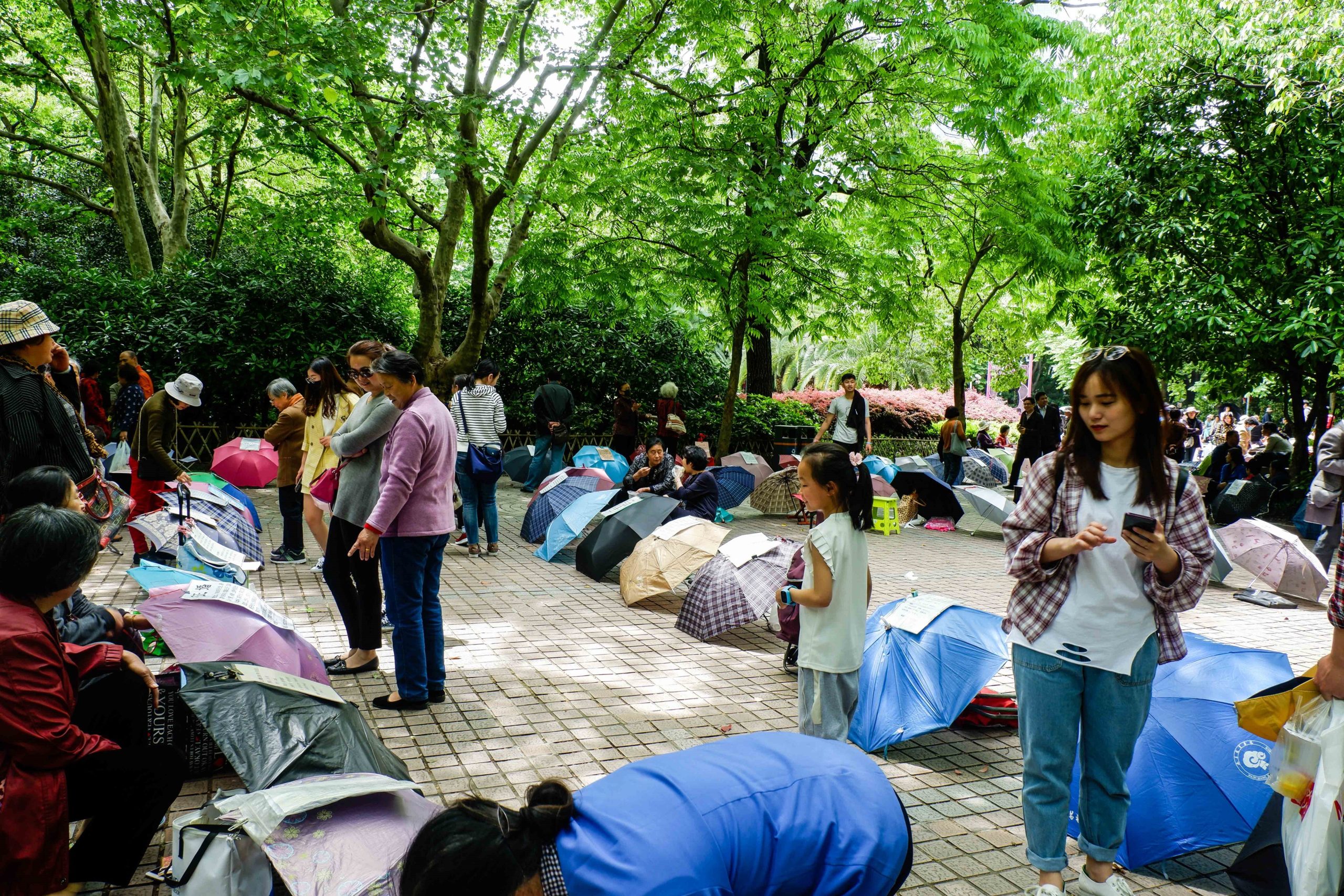
The Shanghai Marriage Market is a unique matchmaking event held in People's Park, where parents gather to find potential partners for their unmarried children. They display resumes—detailing age, height, income, education, and property ownership—on umbrellas or posters. This tradition reflects the cultural emphasis on marriage and family in Chinese society, though it often clashes with modern dating preferences.
| Location | People's Park, Shanghai |
| Participants | Parents (often without their children) |
| Materials | Resumes on umbrellas/flyers |
| Focus | Economic/social status over romance |
Why Do Parents Control the Process?
In Chinese culture, marriage is seen as a union of families, not just individuals. Parents believe they can assess compatibility better due to experience and focus on stability (e.g., financial security). However, this often sidelines personal chemistry, leading to generational tension.
See AlsoChinese listening strategies: Improving listening speed| Cultural Reason | Family-oriented values |
| Parental Criteria | Income, property, education |
| Conflict | Youth prioritize love/individual choice |
How Effective Is the Marriage Market?
Success rates are low—few couples marry through these meetings. While some appreciate the efficiency, others criticize the impersonal approach. Online dating apps are now competing with this tradition, offering more autonomy.
| Success Rate | ~5-10% (estimated) |
| Advantage | Quick filtering by practical criteria |
| Disadvantage | Neglects emotional connection |
What Do Young Singles Think?
Reactions are mixed. Some view it as a last resort under family pressure, while others reject it entirely. Many young Chinese prefer dating apps or natural meetings, valuing independence over parental control.
| Supporters | See it as efficient/family-approved |
| Critics | Call it outdated/overly transactional |
Is the Marriage Market Declining?
Yes, due to urbanization, rising individualism, and gender equality shifts. Yet, it persists as a symbol of parental anxiety over leftover (unmarried) children, especially women over 27.
See AlsoListen before you read: Improve your listening ability| Decline Factors | Dating apps, changing values |
| Survival Reasons | Parental pressure/social expectations |
Is the Shanghai Marriage Market real?
What Is the Shanghai Marriage Market?
The Shanghai Marriage Market is a real, informal matchmaking event held in People's Park every weekend. Parents gather to advertise their unmarried children by displaying details like age, income, education, and property ownership on paper signs or umbrellas. The goal is to arrange marriages based on practical considerations rather than romantic connections.
- Parents act as intermediaries, negotiating potential matches for their children.
- Details such as salary, hukou (household registration), and homeownership are prioritized.
- The market reflects traditional values and societal pressures around marriage in China.
How Did the Shanghai Marriage Market Start?
The market emerged in the mid-2000s as a response to rising marriage anxiety among urban Chinese families. Factors like gender imbalances (due to the one-child policy) and high living costs pushed parents to take matchmaking into their own hands.
See AlsoHow I Almost Forgot Chinese and Then Relearned It All Over Again- It began as a small gathering and grew into a weekly tradition.
- The phenomenon highlights generational gaps in dating preferences.
- Government policies, such as the one-child policy, indirectly fueled its popularity.
Who Participates in the Shanghai Marriage Market?
Primarily, parents of unmarried adults in their late 20s to 40s attend, though some younger individuals visit out of curiosity. Participants are often middle-class and emphasize financial stability in potential partners.
- Parents dominate the scene, but some professionals and matchmakers also attend.
- Many attendees are only children, facing pressure to marry.
- Rural migrants with Shanghai hukou are highly sought after.
Why Is the Shanghai Marriage Market Controversial?
The market faces criticism for its materialistic approach to marriage, reducing relationships to transactions. Critics argue it reinforces gender stereotypes and overlooks emotional compatibility.
- Women over 27 are often labeled leftover women (shengnü).
- Men without property or high incomes are disadvantaged.
- Younger generations view it as outdated compared to online dating.
Has the Shanghai Marriage Market Evolved Over Time?
While still active, the market has adapted slightly. Some parents now use QR codes or social media to share profiles, and a few younger attendees participate directly. However, traditional expectations remain dominant.
- Technology has slowly integrated into the process.
- International media coverage has drawn tourists and observers.
- Despite changes, parental involvement stays central.
How do I get to the Shanghai Marriage Market?
Where is the Shanghai Marriage Market located?
The Shanghai Marriage Market is held in People's Park (Renmin Park), located in the heart of Shanghai. The exact address is 231 Nanjing West Road, Huangpu District. This park is easily accessible via public transportation and is a well-known gathering spot for parents seeking potential partners for their unmarried children.
- Nearest Metro Station: Take Line 1, Line 2, or Line 8 to People's Square Station (Exit 11 or 12).
- Bus Routes: Multiple buses stop nearby, including routes 20, 37, and 921.
- Walking Directions: From People's Square Station, it's a 5-minute walk to the park's entrance.
When is the Shanghai Marriage Market open?
The market operates every Saturday and Sunday from 12:00 PM to 5:00 PM. It's busiest in the early afternoon, so arriving around 1:00 PM ensures the best experience.
- Weekends Only: No activities on weekdays.
- Peak Hours: 1:00 PM to 3:00 PM is the most active time.
- Weather Impact: Outdoor events may cancel during heavy rain.
What should I bring to the Shanghai Marriage Market?
If you're attending as a participant or observer, bring essentials to make the most of your visit.
- Printed Profile: Parents often bring resumes detailing their child's education, job, and hobbies.
- Water & Snacks: The market can be crowded, so stay hydrated.
- Comfortable Shoes: Expect to walk or stand for long periods.
How does the Shanghai Marriage Market work?
The market is a matchmaking event where parents exchange information about their unmarried children. It follows a traditional approach but has modern elements.
- Parent-Led: Most interactions are between parents, not the singles themselves.
- Profile Displays: Umbrellas or boards feature handwritten or printed details.
- Direct Negotiation: Parents discuss compatibility before sharing contact info.
Are there cultural norms to follow at the Shanghai Marriage Market?
Respect local customs to avoid misunderstandings during your visit.
- Polite Inquiry: Ask questions respectfully; avoid intrusive topics like salary upfront.
- Non-Disruptive: Take photos discreetly, as some attendees may object.
- Dress Appropriately: Smart casual attire shows seriousness.
Is the marriage market real?

What Is the Marriage Market Concept?
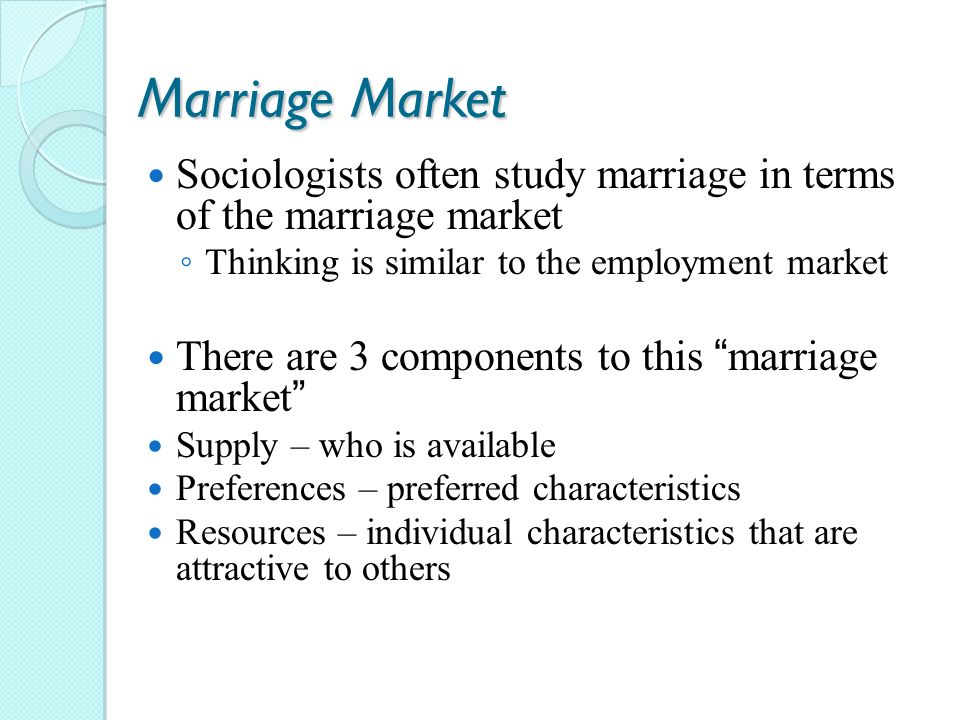
The term marriage market refers to the idea that relationships and marriages are influenced by economic and social dynamics, similar to a marketplace. Individuals compete based on traits like wealth, education, or attractiveness to secure partners. Key aspects include:
- Supply and demand: Demographics (e.g., gender ratios) affect partner availability.
- Social capital: Factors like family background or networks play a role.
- Cultural norms: Traditions dictate value in potential spouses (e.g., dowries).
How Economics Shapes the Marriage Market
Economic theories apply to the marriage market, where partners evaluate costs and benefits. Examples include:
- Opportunity cost: Choosing marriage may mean sacrificing career growth.
- Resource pooling: Couples merge finances for stability.
- Specialization: One partner may focus on income, the other on homemaking.
Is the Marriage Market a Literal Marketplace?
While not a physical market, the marriage market operates metaphorically. Key distinctions:
- No formal transactions: Exchanges are emotional/social, not monetary.
- Negotiation: Partners implicitly bargain over roles and expectations.
- Global variations: Arranged marriages vs. love marriages differ in structure.
Evidence Supporting the Marriage Market Theory
Research validates the marriage market as a framework:
- Educational homogamy: People often marry within similar education levels.
- Income correlations: Higher-earning individuals attract comparable partners.
- Dating apps: Algorithms mimic market-like matching (e.g., swiping).
Criticisms of the Marriage Market Analogy
Some argue the marriage market oversimplifies human relationships:
- Emotional factors: Love and compatibility aren't purely transactional.
- Inequality: Marginalized groups face systemic disadvantages.
- Cultural bias: Western-centric models ignore diverse marital practices.
What is the marriage market in sociology?
The Concept of the Marriage Market in Sociology
In sociology, the marriage market refers to the social arena where individuals seek potential partners based on shared values, resources, and compatibility. This concept borrows from economic theories, treating marriage as a transactional process influenced by supply, demand, and competition. Key aspects include:
- Social exchange theory: Partners evaluate costs and benefits, such as financial stability or emotional support.
- Demographic factors: Age, gender ratios, and cultural norms shape availability and preferences.
- Structural constraints: Socioeconomic status and education limit or expand choices.
Factors Influencing the Marriage Market
The dynamics of the marriage market are shaped by multiple variables that determine partner selection. These include:
- Economic resources: Income and wealth often dictate desirability and bargaining power.
- Cultural expectations: Traditions and gender roles influence whom individuals consider suitable.
- Geographic mobility: Urban vs. rural settings affect the pool of potential partners.
Gender Dynamics in the Marriage Market
Gender plays a critical role in the marriage market, with disparities in power and expectations. Key observations include:
- Hypergamy: Historically, women marry up in socioeconomic status.
- Age gradients: Men often partner with younger women, while women face declining prospects with age.
- Changing norms: Egalitarian relationships challenge traditional hierarchies.
Social class heavily influences the marriage market, as individuals tend to partner within similar economic and educational brackets. Notable points:
- Homogamy: Marrying within one’s social group reinforces inequality.
- Educational attainment: Higher education correlates with delayed marriage but more stable unions.
- Economic polarization: Wealth gaps reduce cross-class marriages.
Technology and the Modern Marriage Market
Digital platforms have transformed the marriage market, altering how people meet and evaluate partners. Key changes include:
- Dating apps: Algorithms prioritize compatibility but may commodify relationships.
- Globalized pools: Online connections transcend geographic limits.
- Filtered choices: Profiles emphasize selective traits, potentially skewing expectations.
Frequently Asked Questions (FAQ)
What is the Shanghai Marriage Market?
The Shanghai Marriage Market is a unique event held in parks like People's Square, where parents gather to find potential partners for their unmarried children. They display resumes on umbrellas or boards, listing details such as age, height, income, education, and property ownership. This tradition reflects the cultural importance of family involvement in marriage decisions, though it has sparked debates about generational differences in dating preferences.
Why do parents participate in the Shanghai Marriage Market?
Parents join the Shanghai Marriage Market due to societal pressure and a desire to ensure their children's future stability. In Chinese culture, marriage is often seen as a family duty rather than just a personal choice. Many older generations believe they can better assess a partner's practical qualifications, such as financial security or social status. However, younger adults may prioritize emotional connection, leading to tensions between generations.
How effective is the Shanghai Marriage Market in finding a partner?
The effectiveness of the Shanghai Marriage Market varies. While some couples have successfully met through this method, others criticize it for being too transactional and focused on superficial criteria. The lack of personal interaction between potential partners can hinder genuine connections. Still, for families valuing traditional matchmaking, it remains a viable option in a fast-paced, urban society where meeting partners organically can be challenging.
What are the criticisms of the Shanghai Marriage Market?
Critics argue that the Shanghai Marriage Market reinforces outdated gender and class stereotypes, emphasizing material wealth over compatibility. Others view it as an invasion of personal privacy, with parents making decisions without their children's consent. Additionally, the pressure to marry by a certain age can lead to stress and anxiety for singles. Despite these concerns, the market persists as a cultural phenomenon, highlighting the clash between modern values and traditional expectations.
Leave a Reply
Related Posts