
Do People in China Celebrate Christmas?

Christmas is widely recognized as a major holiday in many Western countries, but its celebration in China presents a unique cultural blend. While not a traditional Chinese festival, Christmas has gained popularity in urban areas, particularly among younger generations and in commercial settings. Cities like Shanghai and Beijing sparkle with festive decorations, and shopping centers embrace the holiday spirit with sales and events. However, for most Chinese people, Christmas lacks the religious significance it holds in the West, often treated more as a fun, secular occasion. This article explores how Christmas is observed in China, examining the influences of globalization, commercialization, and local traditions on its celebration.
Do People in China Celebrate Christmas?
Christmas is not a traditional holiday in China, as the country’s dominant cultural and religious practices are rooted in Confucianism, Buddhism, and Taoism. However, due to globalization and Western influence, Christmas has gained some popularity, particularly in urban areas and among younger generations. While it is not an official public holiday, many people, especially in cities like Shanghai, Beijing, and Guangzhou, embrace the festive atmosphere through decorations, shopping promotions, and social gatherings.
Is Christmas a Public Holiday in China?
No, Christmas is not a public holiday in China. The government does not recognize it as an official day off, so businesses, schools, and government offices operate as usual. However, some international companies or schools with Western ties may give employees or students a day off.
See AlsoShould you learn the pronunciation of radicals?| Aspect | Details |
|---|---|
| Official Status | Not recognized |
| Work/School | Normal operations |
| Exceptions | Some international institutions |
How Do Chinese People Celebrate Christmas?
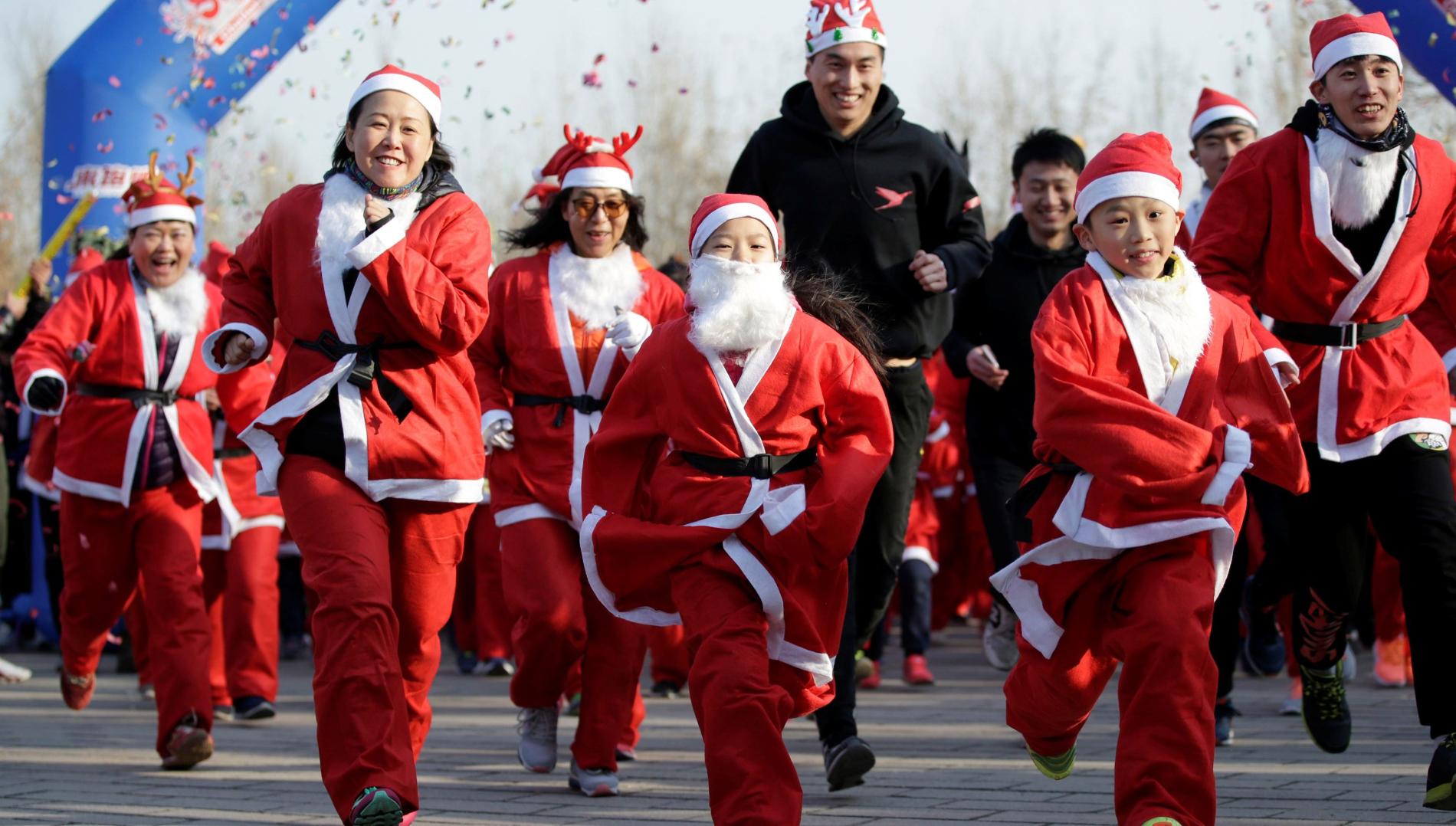
For most Chinese people, Christmas is more of a commercial and social event rather than a religious celebration. Cities are adorned with Christmas lights, trees, and festive displays in malls. Young couples often treat it as a romantic occasion, similar to Valentine’s Day, while friends may exchange gifts or dine out.
| Activity | Popularity |
|---|---|
| Decorations | High in urban areas |
| Gift Exchanges | Common among youth |
| Dining Out | Popular for couples |
Do Christians in China Celebrate Christmas?
Yes, Christians in China celebrate Christmas, but they represent a small minority (around 1-2% of the population). Churches hold special services, and believers may gather for prayers and hymns. However, celebrations are often more subdued compared to Western countries due to government regulations on religious activities.
| Group | Celebration Style |
|---|---|
| Protestants/Catholics | Church services, hymns |
| General Public | Secular activities |
How Do Businesses in China Approach Christmas?
Businesses, especially in retail and hospitality, capitalize on Christmas as a marketing opportunity. Shopping malls offer discounts, restaurants create themed menus, and hotels host festive events. E-commerce platforms like Alibaba and JD.com run promotions, though they are less extensive than Singles' Day (11.11).
See AlsoNew text game for Chinese learners: The Magistrate’s Gallery| Sector | Christmas Strategy |
|---|---|
| Retail | Sales, decorations |
| Food & Beverage | Themed dinners |
| E-commerce | Limited promotions |
What Are the Differences Between Chinese and Western Christmas Celebrations?
The key differences lie in the cultural and religious significance. In China, Christmas is largely secular, focusing on entertainment and commerce, whereas in the West, it is deeply tied to Christian traditions and family gatherings.
| Factor | China | West |
|---|---|---|
| Religious Aspect | Minimal | Central |
| Family Gatherings | Less common | Essential |
| Commercial Focus | High | Moderate |
Do we celebrate Christmas in China?
Is Christmas a Public Holiday in China?
Christmas is not a public holiday in China, as the country primarily follows traditional Chinese festivals. However, in major cities like Shanghai, Beijing, and Guangzhou, you may see decorations and commercial promotions. Here are key points:
See AlsoChinese Measure Words and How to Use Them- Government offices and public schools remain open on December 25th.
- Some international companies may grant leave to foreign employees.
- Most local businesses operate normally, though shopping centers capitalize on the festive atmosphere.
How Do Chinese People Celebrate Christmas?
While not a traditional festival, younger generations and urban dwellers often embrace Christmas as a fun, commercial event. Celebrations typically include:
- Gift exchanges among friends or couples, influenced by Western customs.
- Visiting decorated malls or attending themed parties.
- Eating festive treats like apple (a homophone for peace in Mandarin) or Western-style dinners.
Do Chinese Christians Celebrate Christmas?
Christian communities in China, though a minority, observe Christmas with religious significance. Key aspects include:
- Attending midnight Mass in government-approved churches.
- Singing Christmas hymns in Mandarin or local dialects.
- Private gatherings for prayer and reflection, particularly in rural areas with historic Christian populations.
Commercial Influence of Christmas in China
The holiday has become a major retail opportunity, driven by global brands and local businesses. Notable trends:
- Discount sales and promotional events dominate shopping districts.
- Hotels and restaurants offer Christmas-themed packages targeting expats and affluent locals.
- E-commerce platforms like Alibaba and JD.com run holiday campaigns.
Differences Between Christmas in China and the West
Christmas in China lacks the deep cultural or familial roots seen in Western countries. Contrasts include:
- Focus on romance (similar to Valentine’s Day) rather than family reunions.
- Limited emphasis on religious symbolism; decorations are often secular (e.g., Santa Claus, reindeer).
- Shorter celebration period, usually confined to December 24–25 without extended holidays.
What is the Chinese equivalent to Christmas?
The Chinese Equivalent to Christmas: Spring Festival (春节)
The Chinese equivalent to Christmas is the Spring Festival, also known as Chinese New Year. It is the most important traditional holiday in China, marked by family reunions, feasts, and cultural celebrations. Unlike Christmas, which is rooted in Christianity, the Spring Festival is deeply tied to lunar calendar traditions and ancestral worship.
- Family Gatherings: Similar to Christmas, the Spring Festival emphasizes spending time with family.
- Gift-Giving: Red envelopes (hongbao) with money are given, especially to children.
- Festive Decorations: Homes are adorned with red lanterns and couplets for luck.
Key Traditions of the Spring Festival
The Spring Festival is rich with customs that reflect Chinese culture and history. These traditions have been passed down for centuries and vary regionally.
- Reunion Dinner: Families share a lavish meal on New Year's Eve.
- Fireworks: Used to ward off evil spirits and celebrate the new year.
- Lion and Dragon Dances: Performances for prosperity and good fortune.
Differences Between Christmas and the Spring Festival
While both holidays emphasize family and celebration, there are distinct differences in their origins and practices.
- Religious vs. Cultural: Christmas is Christian; the Spring Festival is secular and cultural.
- Date: Christmas is fixed on December 25, while the Spring Festival follows the lunar calendar.
- Symbolism: Christmas features Santa and trees; the Spring Festival focuses on zodiac animals and red decorations.
Foods Associated with the Spring Festival
Food plays a central role in the Spring Festival, with each dish carrying symbolic meaning.
- Dumplings (Jiaozi): Represent wealth and prosperity.
- Fish (Yu): Symbolizes abundance and surplus.
- Nian Gao (Sticky Rice Cake): Signifies growth and progress.
Modern Celebrations of the Spring Festival
Today, the Spring Festival blends traditional and modern elements, adapting to contemporary lifestyles.
- Digital Hongbao: Red envelopes are now sent via mobile apps like WeChat.
- Travel Rush: Millions return home, creating the world's largest annual migration.
- TV Galas: Families watch the CCTV New Year's Gala, a staple of the celebration.
Do people in Japan celebrate Christmas?
How is Christmas Celebrated in Japan?
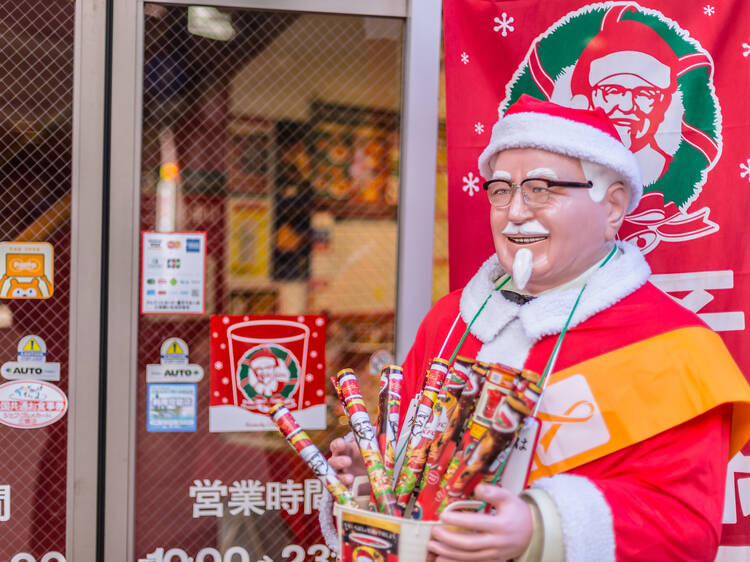
In Japan, Christmas is not a national holiday but is widely celebrated in a unique way. Unlike Western traditions, it is more of a romantic or festive occasion rather than a religious one. Common practices include:
- Christmas illuminations and decorations in cities like Tokyo and Osaka.
- Eating Christmas cake, typically a sponge cake with strawberries and cream.
- Exchanging gifts, often between couples or close friends.
Is Christmas a Religious Holiday in Japan?
No, Christmas in Japan is not primarily a religious event. The country has a small Christian population, so the celebration is more commercial and cultural. Key points include:
- Less than 1% of Japan's population identifies as Christian.
- Many Japanese people view Christmas as a seasonal festival rather than a holy day.
- Some may visit temples or shrines during the New Year instead.
What Foods Are Associated with Christmas in Japan?
Japanese Christmas cuisine differs from Western traditions, with some iconic dishes:
- Fried chicken, especially from KFC, due to a successful marketing campaign in the 1970s.
- Christmas cake, a light dessert enjoyed as a seasonal treat.
- Strawberry shortcake and other sweets are also popular.
Do Japanese People Exchange Gifts at Christmas?
Gift-giving in Japan during Christmas is common but differs from Western customs:
- Gifts are often exchanged between couples, similar to Valentine's Day.
- Some families give presents, but it is less emphasized than in Western cultures.
- Workplaces may also exchange small gifts or hold parties.
Are There Special Christmas Events in Japan?
Japan hosts numerous festive events during Christmas, including:
- Winter illuminations in major cities, featuring elaborate light displays.
- Christmas markets, inspired by German traditions, selling food and crafts.
- Theme parks like Tokyo Disneyland and Universal Studios Japan hold special Christmas-themed attractions.
Do Chinese people say merry Christmas?
Is Merry Christmas Commonly Used in China?
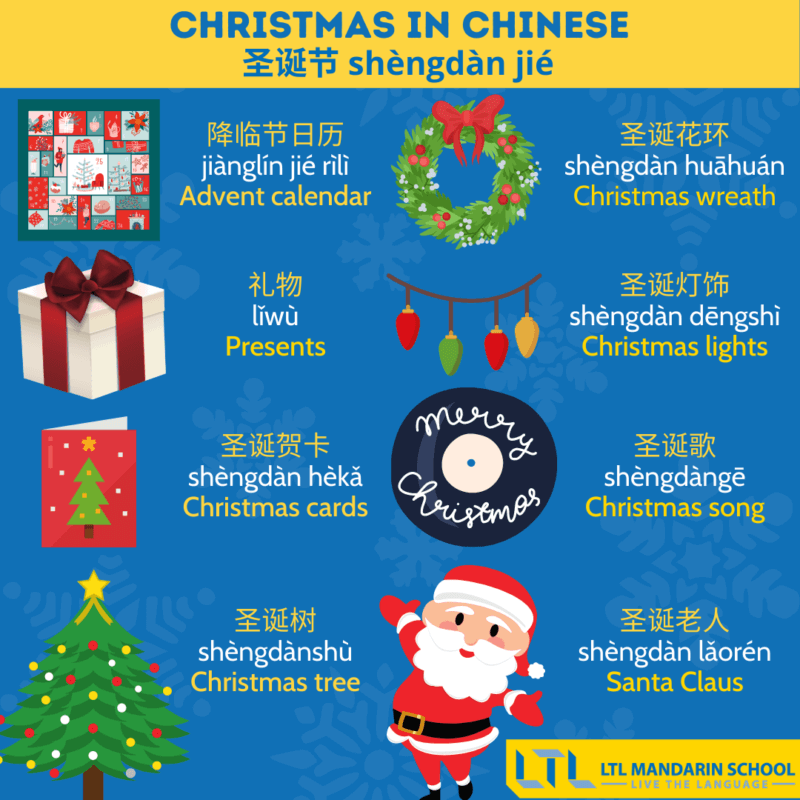
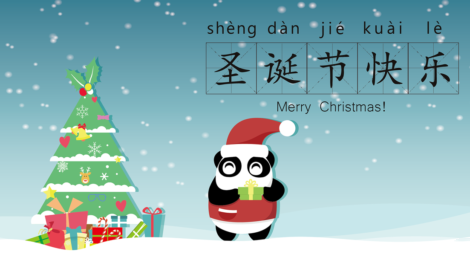
While Christmas is not a traditional Chinese holiday, the phrase Merry Christmas (快乐圣诞, Kuàilè Shèngdàn) is occasionally used, especially in urban areas. However, its usage depends on context:
- Younger generations and those exposed to Western culture may say it casually.
- Commercial settings, like malls or restaurants, often use it for festive promotions.
- Religious communities, though small, may exchange the greeting more sincerely.
How Do Chinese People Celebrate Christmas?
Christmas in China is primarily a secular and commercial event rather than a religious one. Key observations include:
- Decorations: Cities like Shanghai and Beijing feature lights and trees.
- Gift-giving: Popular among friends, though less formal than in the West.
- Dining out: Many treat it as a romantic or social occasion.
Do Schools or Workplaces Acknowledge Christmas in China?
Most schools and workplaces operate normally on Christmas, as it’s not a public holiday. Exceptions include:
- International schools may host Christmas events.
- Foreign companies might allow casual celebrations.
- Some universities organize cultural exchange activities.
What Are Alternative Festivals to Christmas in China?
Chinese culture emphasizes traditional festivals over Christmas. Notable examples:
- Spring Festival (Chinese New Year): The most important holiday.
- Lantern Festival: Marks the end of Lunar New Year celebrations.
- Mid-Autumn Festival: Focused on family reunions and mooncakes.
Is Christmas Marketing Popular in China?
Christmas-themed marketing is widespread, leveraging the holiday’s aesthetic appeal. Common strategies:
- Retail discounts: Major e-commerce platforms run promotions.
- Limited-edition products: Brands release holiday packaging.
- Social media campaigns: Encourages user engagement with festive content.
Frequently Asked Questions (FAQ)
Do people in China celebrate Christmas?
Christmas is not a traditional holiday in China, but it has gained popularity in urban areas, especially among younger generations and in commercial settings. While it is not a public holiday, many people, particularly in big cities like Shanghai and Beijing, enjoy the festive atmosphere. Decorations, Christmas trees, and light displays are common in shopping malls and entertainment districts. However, for most Chinese people, Christmas is more of a secular celebration rather than a religious event.
How is Christmas celebrated in China?
In China, Christmas is often celebrated as a social and commercial event. People exchange gifts, go out for special dinners, and attend parties with friends. Western-style traditions like Santa Claus and Christmas markets have become popular in metropolitan areas. Some young couples even treat it as a romantic occasion, similar to Valentine’s Day. However, unlike in Western countries, Christmas Eve and Christmas Day are regular working days unless they fall on a weekend.
Is Christmas a public holiday in China?
No, Christmas is not an official public holiday in China. The government recognizes only traditional Chinese festivals, such as the Spring Festival (Chinese New Year) and the Mid-Autumn Festival, as national holidays. While some businesses, especially those catering to expatriates or tourists, may close or have special events, most schools, offices, and government institutions operate as usual on December 25th.
What are the differences between Christmas in China and Western countries?
The biggest difference is that Christmas in China lacks the religious significance it holds in many Western countries. Instead, it is seen as a festive and entertainment-driven occasion. Another key difference is that family gatherings, which are central to Western Christmas celebrations, are less common in China. Instead, people often celebrate with friends or colleagues. Additionally, while Western countries have weeks of holiday preparations, in China, the Christmas season is much shorter and more focused on consumerism and nightlife.
Leave a Reply
Related Posts